Upside-Down Mushroom Tarts Offer a Nutrient-Dense Plant-Based Appetizer Solution for Modern Culinary Trends

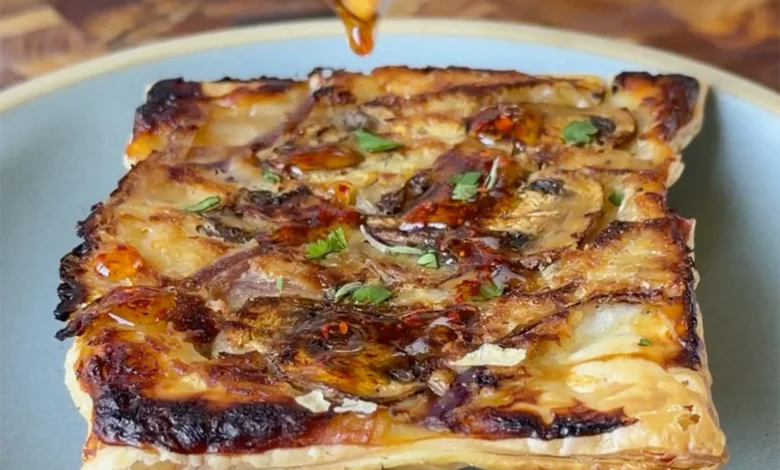
The culinary landscape has seen a significant shift toward plant-based innovations that prioritize convenience, nutritional density, and aesthetic appeal. Among the latest developments in home and professional kitchens is the rise of the "upside-down" tart technique, a method that simplifies the traditional pastry process while maximizing flavor profile and texture. Recent data indicates that plant-based, handheld appetizers are increasingly in demand for social gatherings, driven by a consumer preference for dishes that are both portable and inclusive of various dietary restrictions.
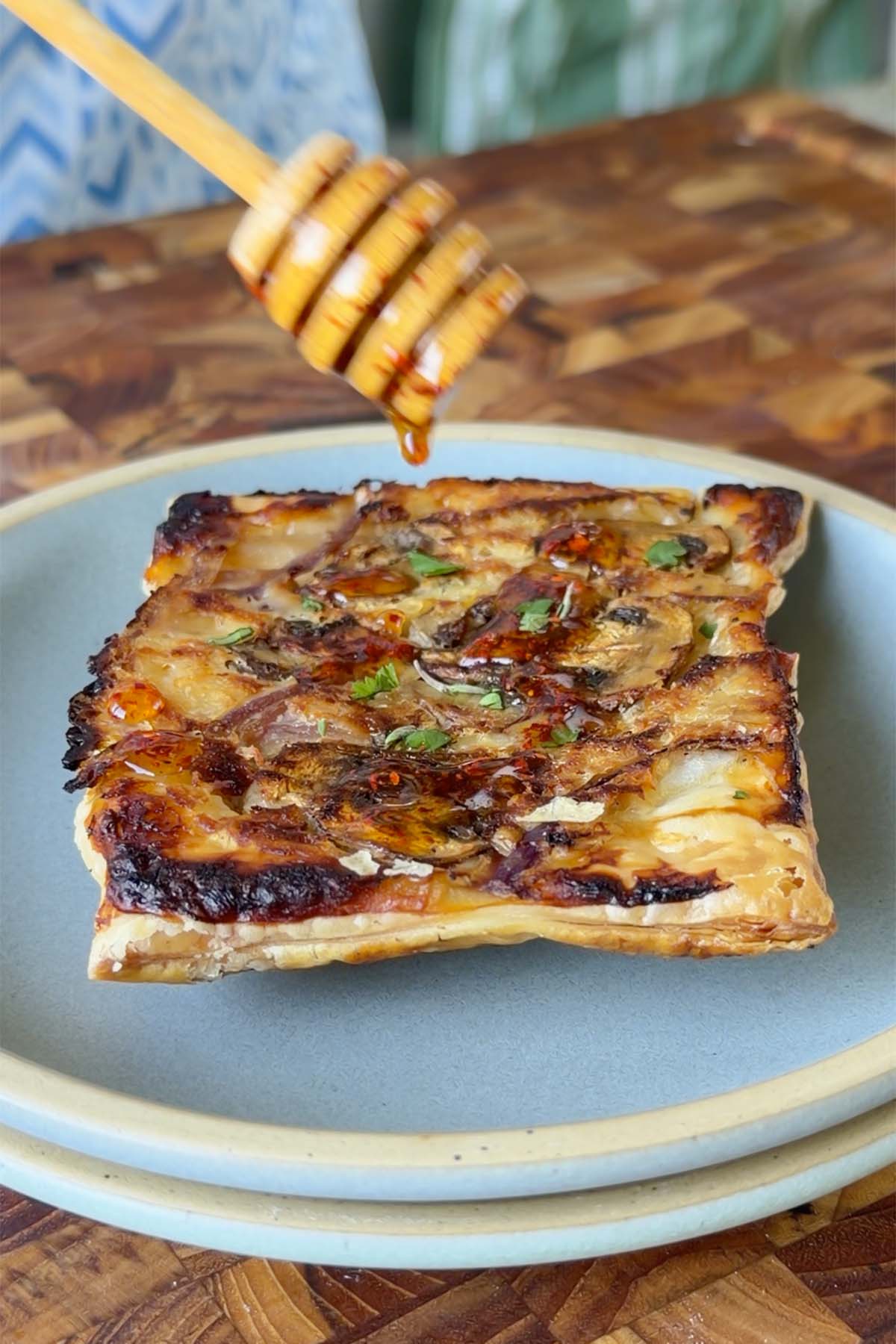
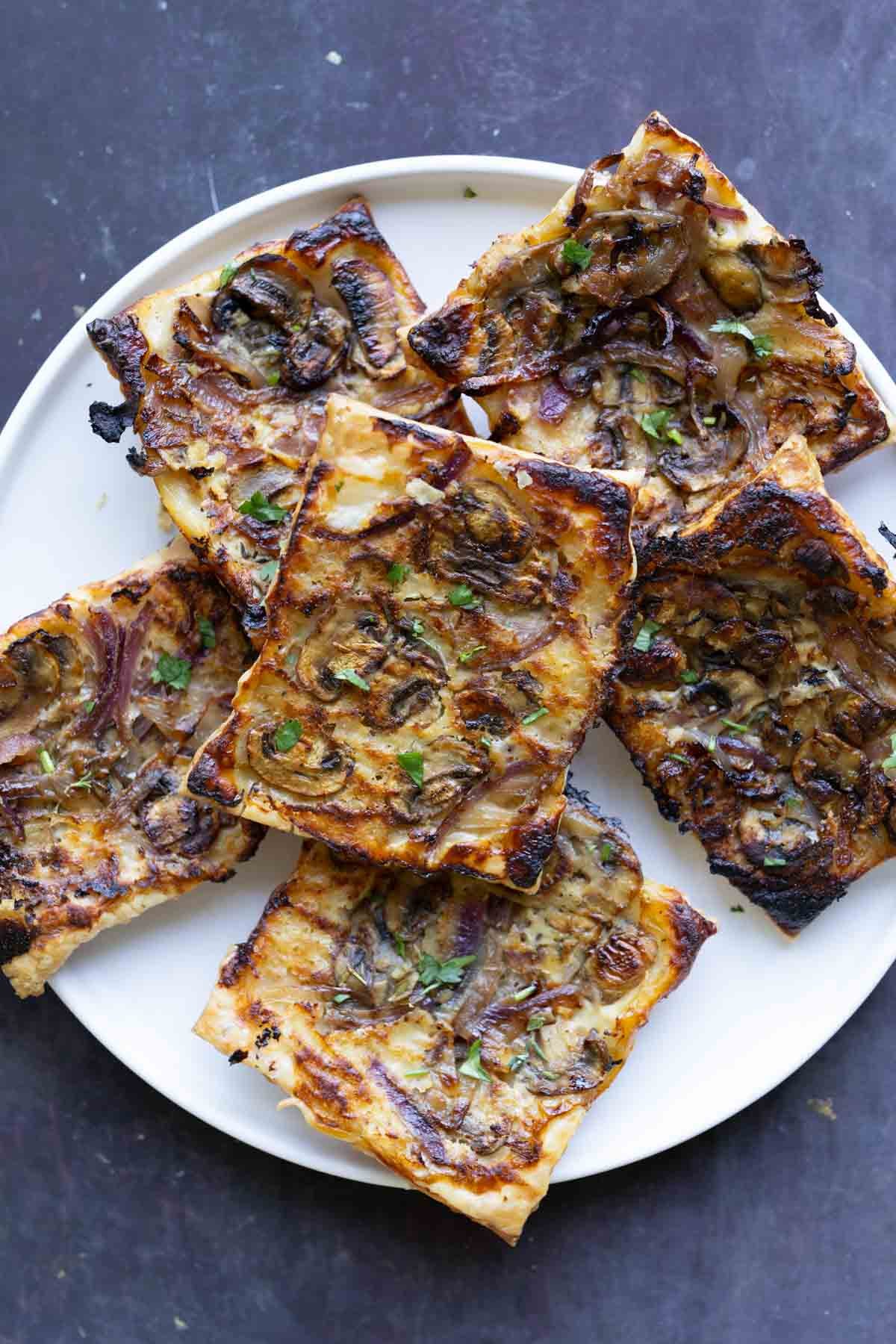
The emergence of the upside-down mushroom tart serves as a case study in modernizing classic French-inspired pastry techniques. By leveraging a "no-precook" approach for both the primary filling and the accompanying spread, these tarts address the common barrier of preparation time, which often discourages home cooks from attempting complex appetizers.
The Evolution of the Upside-Down Culinary Trend
The upside-down technique—traditionally associated with fruit-based desserts like the tarte tatin—has been repurposed in recent months to accommodate savory ingredients. By placing vegetables and proteins directly onto the baking surface before sealing them with pastry, the heat source is concentrated on the ingredients, allowing for natural caramelization. This process eliminates the need for labor-intensive sautéing, a standard step in conventional tart preparation.
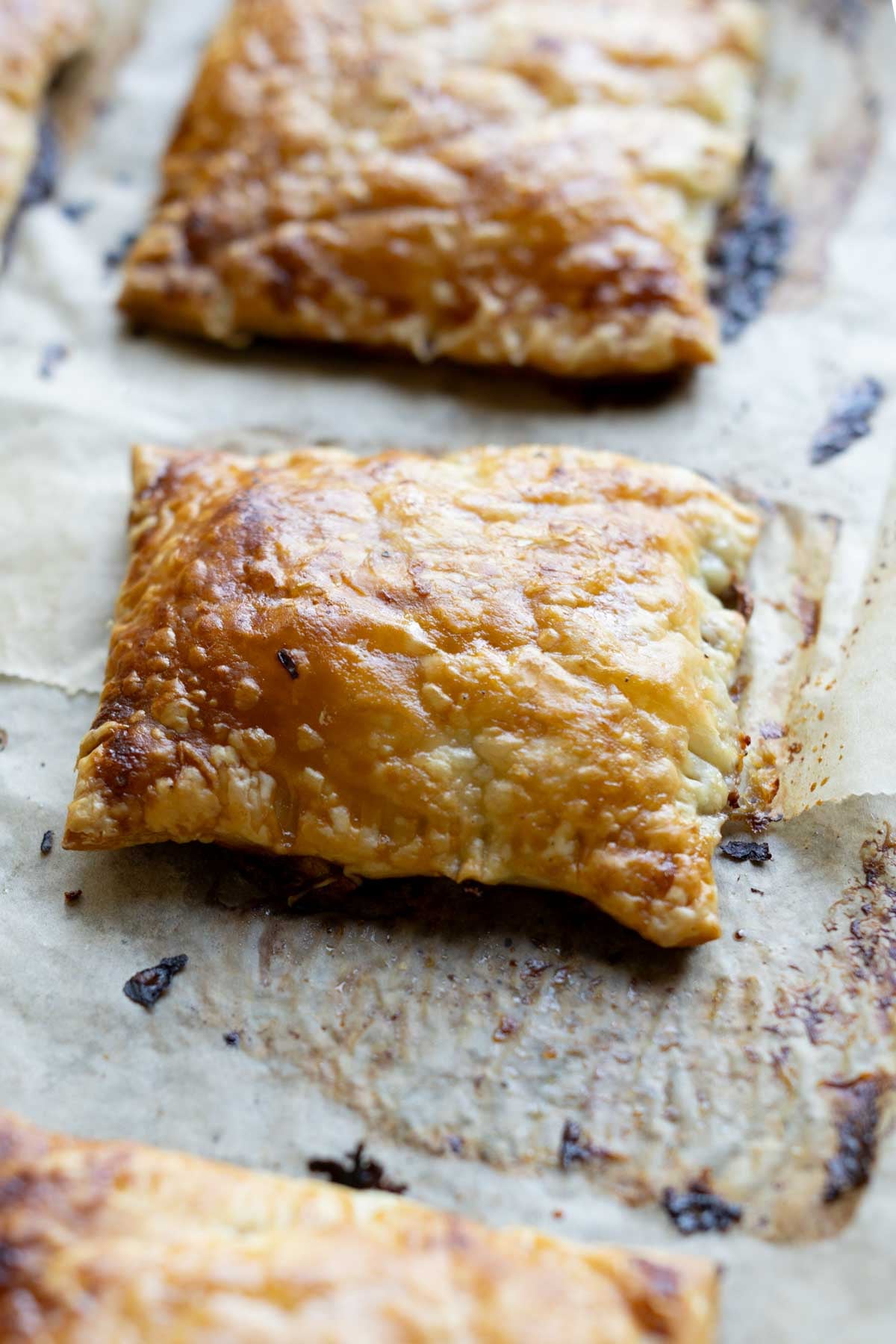
For the mushroom-based iteration of this trend, the focus is on maximizing umami—the savory depth of flavor that characterizes mushrooms—without the addition of excessive oils or heavy fats. Industry analysts suggest that the rise of such recipes is a response to the growing "flexitarian" movement, where consumers seek sophisticated, plant-based alternatives that do not rely on highly processed meat substitutes.
Nutritional Profile and Dietary Accessibility
A critical aspect of this development is the nutritional composition of the dish. Each serving of these tarts provides approximately 10 grams of protein and 5 grams of fiber. This is achieved primarily through the integration of a white bean-based spread, which serves as a substitute for traditional dairy-based cheeses such as Brie or Camembert.
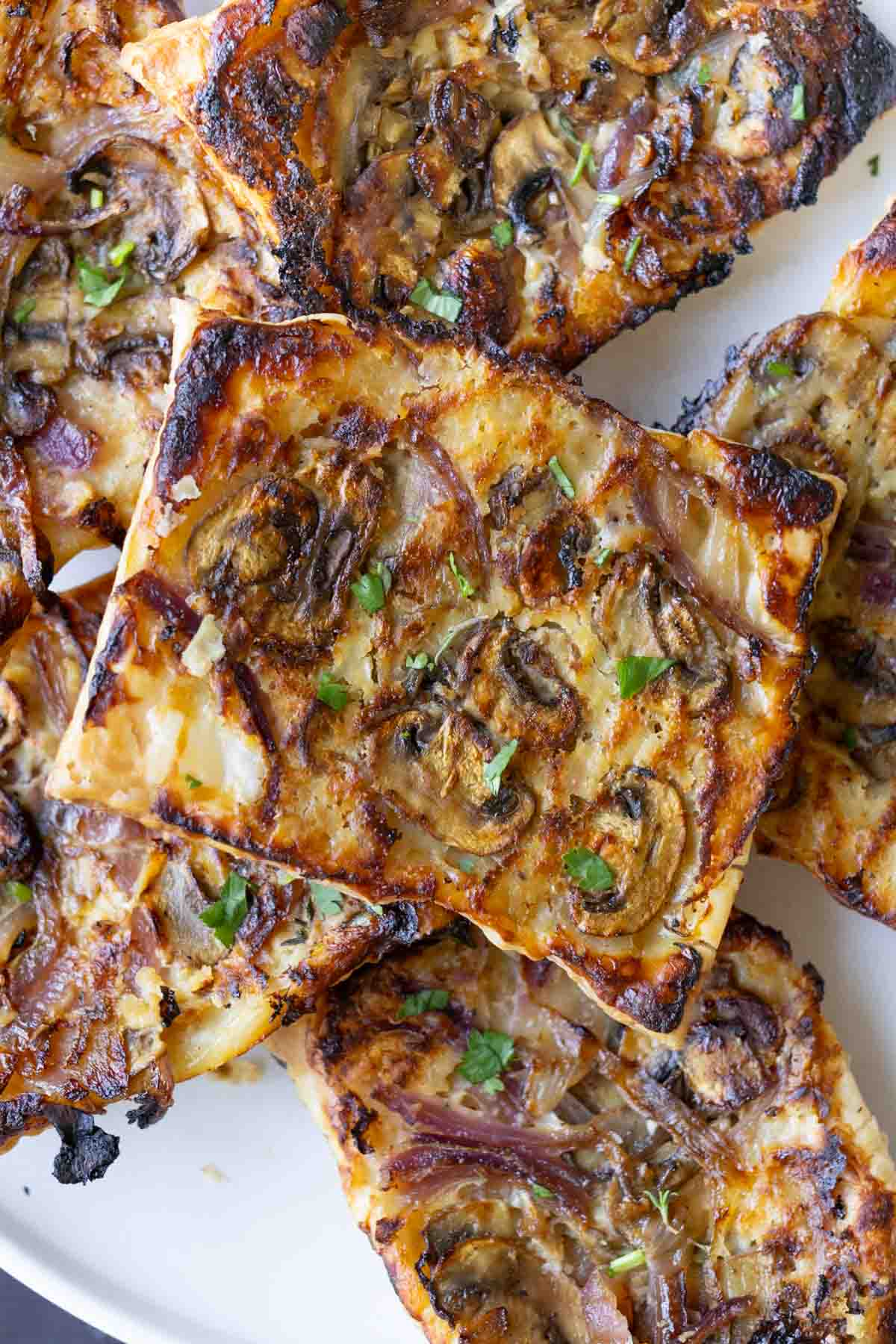
The reliance on legumes as a base for creamy, savory spreads has gained traction among nutritionists who advocate for high-protein, plant-forward diets. According to clinical dietary trends, the use of white beans provides a source of complex carbohydrates and plant-based protein while maintaining a low glycemic impact compared to refined dairy or flour-based thickeners. Furthermore, by ensuring the recipe remains soy-free and nut-free, the dish addresses the rising prevalence of food sensitivities, making it a viable option for large-scale event catering and home hospitality.
Technical Preparation and Assembly
The technical execution of the recipe relies on a streamlined, three-phase assembly process:
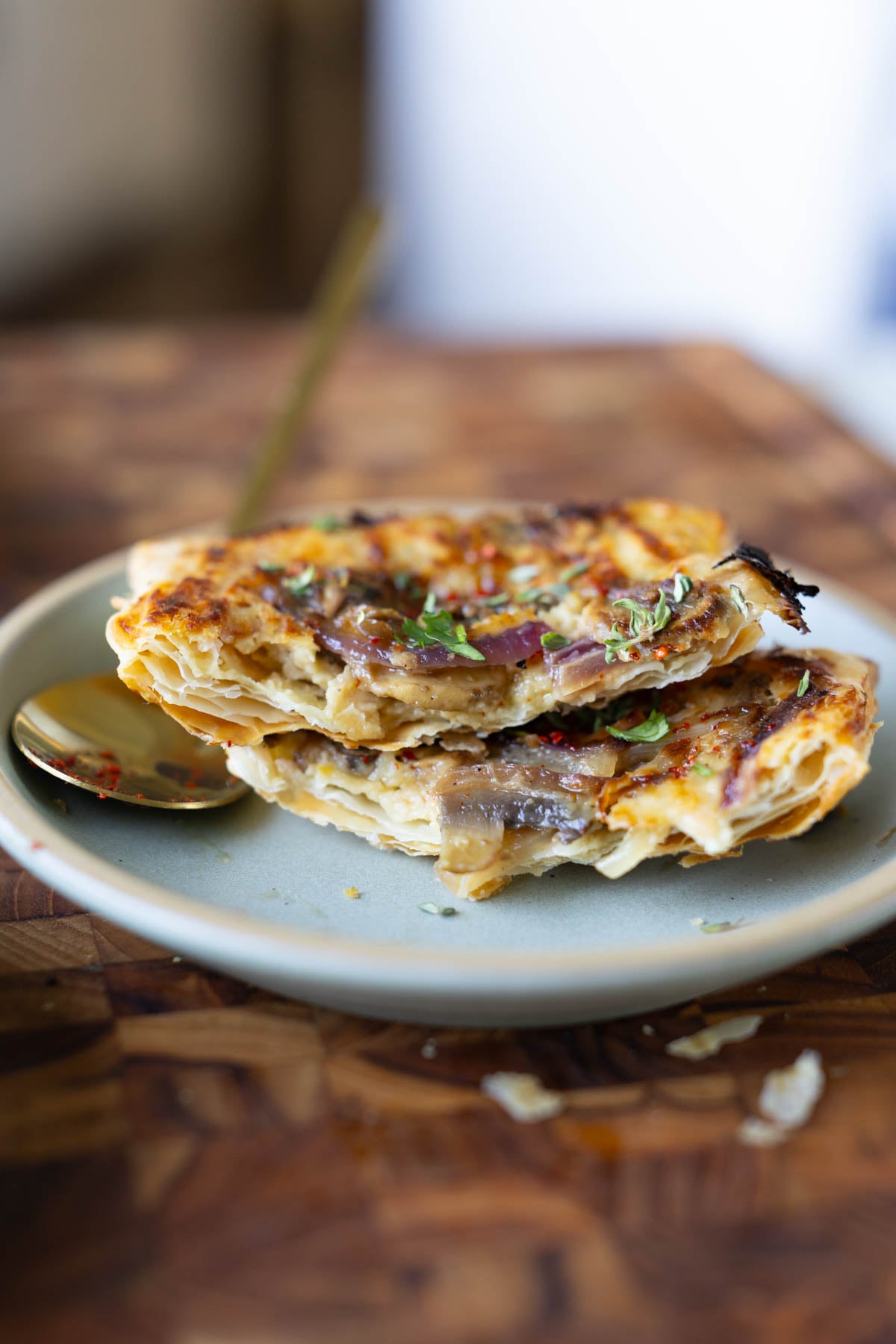
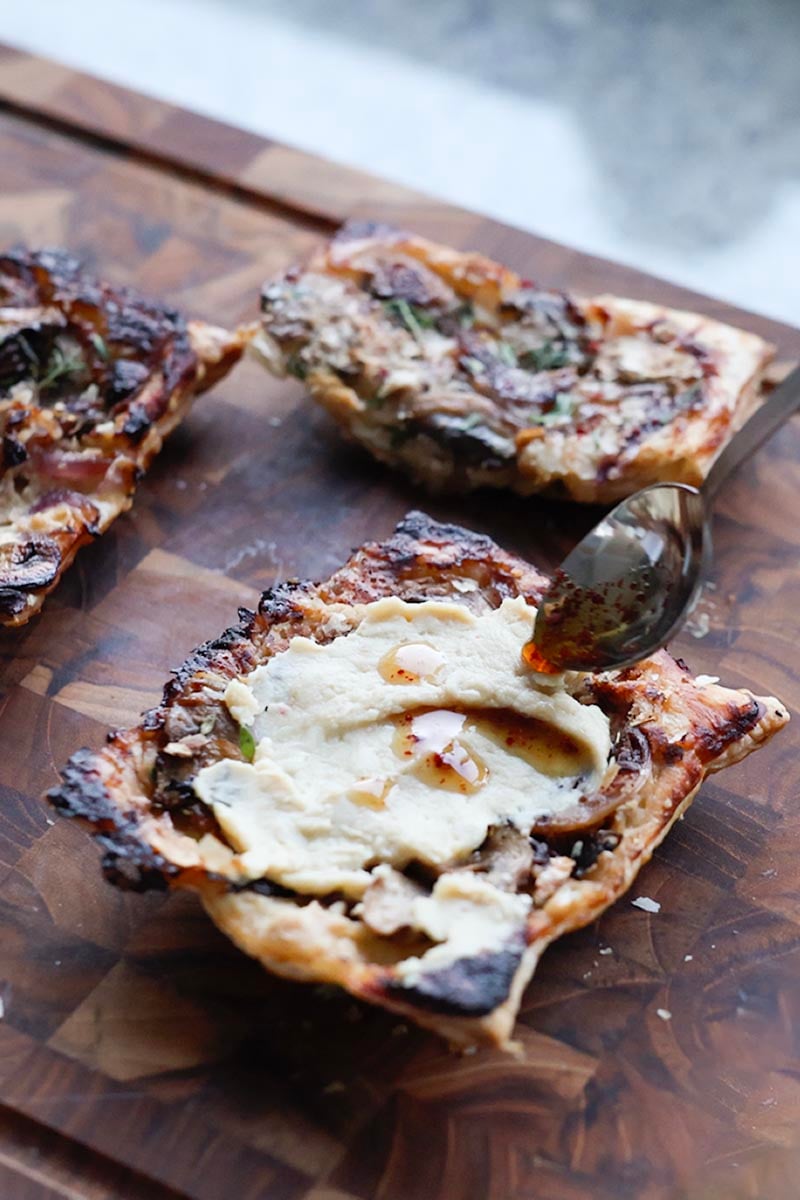
- Preparation of the Base: The white bean spread, flavored with nutritional yeast, garlic, and optional herbs, is prepared as a dense, emulsified mixture. This mixture acts as a binder and a moisture barrier between the pastry and the moisture-rich mushrooms.
- Ingredient Layering: Unlike traditional tarts that require pre-cooking, the raw mushrooms and onions are seasoned with balsamic vinegar and herbs, then placed directly on a parchment-lined baking sheet. The pastry is applied over the top, creating a sealed environment that steams the vegetables while the pastry becomes crisp.
- The "Flip" and Finish: After an initial bake of 20 to 25 minutes, the tarts are inverted. This allows for a final 5-to-10-minute "caramelization phase" where the mushrooms are exposed to the heat of the oven, ensuring the desired texture.
Economic and Practical Implications
From a logistics perspective, the ability to prepare components in advance is a major factor in the popularity of these tarts. The bean spread can be refrigerated for up to 72 hours, and the mushroom mixture can be chopped and stored, allowing for "on-demand" assembly. For event hosts, this significantly reduces the "active" time required in the kitchen during a gathering, a benefit that aligns with current hospitality trends emphasizing guest interaction over kitchen management.
The scalability of the recipe also highlights its potential for both boutique catering and home consumption. By using standardized, pre-cut puff pastry squares, home cooks can achieve a uniform presentation that mirrors professional culinary standards.
Broader Impact on Plant-Based Gastronomy
The success of the upside-down mushroom tart underscores a broader shift in plant-based cooking: the move toward ingredient-focused, rather than substitute-focused, recipes. By highlighting the natural properties of the mushroom—specifically its ability to retain moisture and develop savory characteristics under high heat—the dish avoids the "imitation" trap that often plagues vegan alternatives.
Market analysis suggests that as consumers become more educated regarding the environmental impact of animal agriculture, the demand for sophisticated, vegetable-centric appetizers will continue to rise. This recipe, with its simple ingredient list and high protein content, represents the direction in which home cooking is trending: a fusion of accessibility, health-consciousness, and elevated culinary presentation.
Expert Analysis and Future Directions
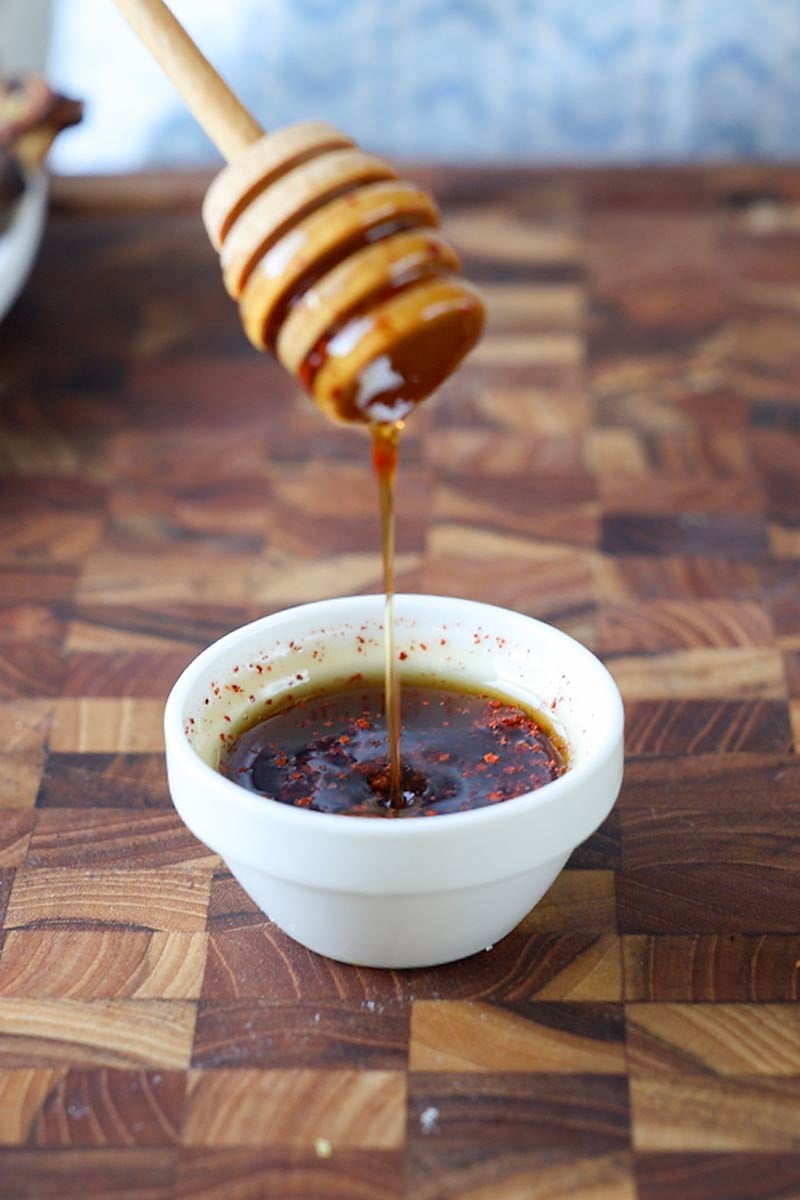
Food scientists note that the integration of hot-honey-inspired glazes—such as the balsamic and maple combination used in this recipe—is a tactical move to balance the earthiness of the mushrooms with sweetness and acidity. This interplay of flavors is essential for creating a "satisfying" bite, a metric often used in culinary R&D to define the success of an appetizer.
Looking forward, the potential for further innovation within this category is vast. Chefs are already experimenting with variations, including the use of root vegetables, diverse mushroom varieties (such as lion’s mane or maitake), and different legumes for the base spread. As gluten-free puff pastry technology continues to improve, it is expected that even more accessible versions of these tarts will become available to the wider public.
Summary of Key Findings
- Convenience: The no-precook method reduces total preparation time by an estimated 40% compared to traditional tart recipes.
- Nutritional Value: With 10g of protein and 5g of fiber, the recipe serves as a nutrient-dense appetizer rather than a simple empty-calorie snack.
- Dietary Inclusivity: The design is intentionally formulated to be soy-free and nut-free, with modular options for gluten-free crusts.
- Scalability: The ease of assembly makes this a highly efficient option for large-scale events and home entertaining.
The upside-down mushroom tart is more than a fleeting food trend; it is a reflection of the modern desire for efficient, healthy, and high-quality food experiences. By focusing on simple, whole-food ingredients and utilizing smart cooking techniques, the dish provides a roadmap for the future of plant-based culinary arts. As the demand for such recipes grows, it is likely that the "upside-down" technique will become a staple in the repertoire of both amateur and professional chefs worldwide.