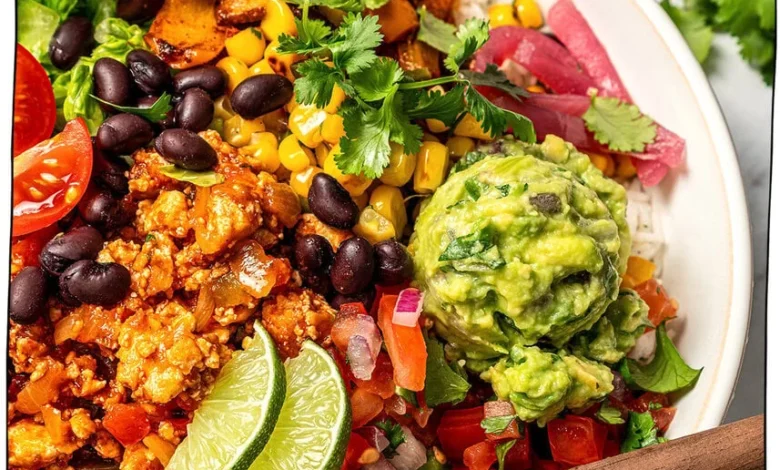
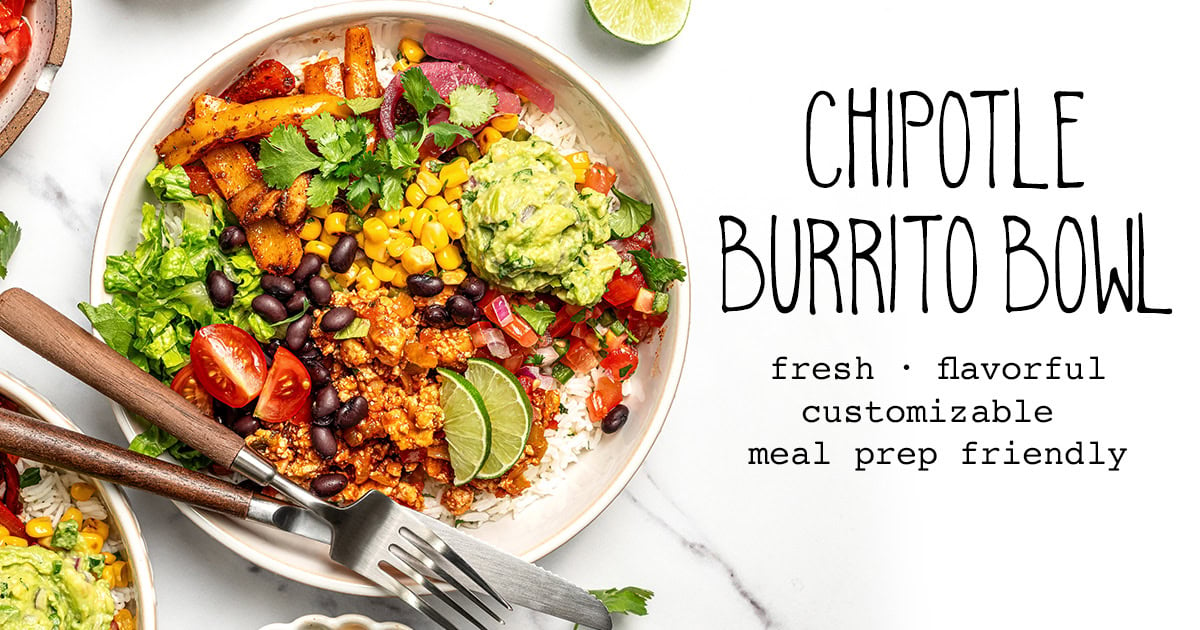
The burgeoning trend of fast-casual dining copycat recipes has reached a new milestone with the release of a comprehensive, plant-based burrito bowl blueprint designed to emulate the popular offerings of national chains like Chipotle Mexican Grill. Developed by culinary creator Sam Turnbull, the guide addresses the growing consumer demand for affordable, customizable, and health-conscious meal alternatives. As food inflation and shifting dietary preferences continue to influence dining habits, home-cooking alternatives that replicate restaurant profiles are gaining significant traction across North America.
The Financial and Nutritional Motivations Behind Home-Prepared Bowls
In recent years, the fast-casual dining sector has experienced steady price adjustments, prompting consumers to seek economical alternatives for lunch and dinner routines. Standard fast-casual burrito bowls typically range from $10 to $14 per serving, depending on regional pricing and protein selections. Conversely, preparing equivalent meals at home substantially reduces per-serving costs, often by more than half, while offering complete transparency regarding ingredient sourcing and nutritional intake.
Nutritionists and culinary analysts note that while restaurant bowls can be customized, they frequently contain elevated levels of sodium—often exceeding 1,500 to 2,000 milligrams per serving due to pre-seasoned ingredients and commercial preparation methods. By constructing these meals domestically, consumers retain direct control over sodium content, lipid profiles, and portion sizes. The featured recipe, tailored for a plant-based diet, provides approximately 29 grams of protein and 23 grams of dietary fiber per serving, aligning with recommended daily nutritional guidelines for balanced macronutrient intake.
A Step-by-Step Anatomy of the Modern Burrito Bowl
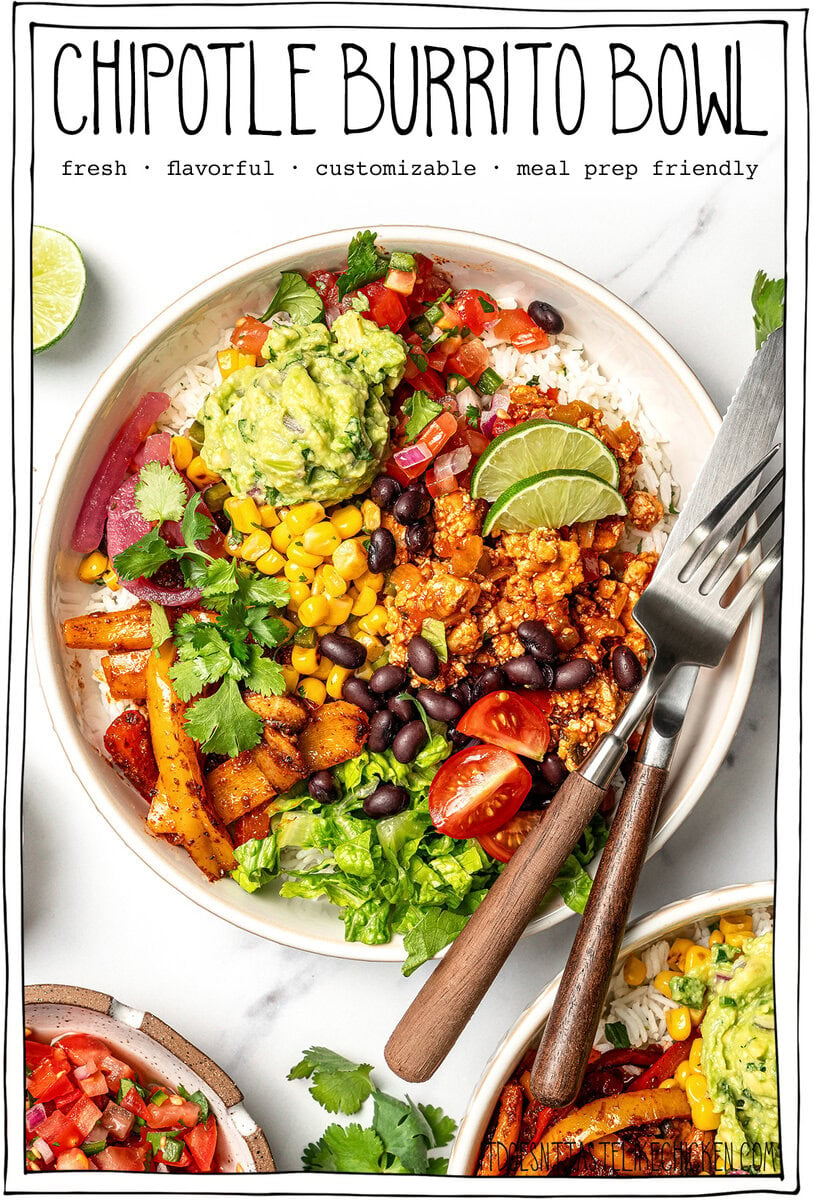
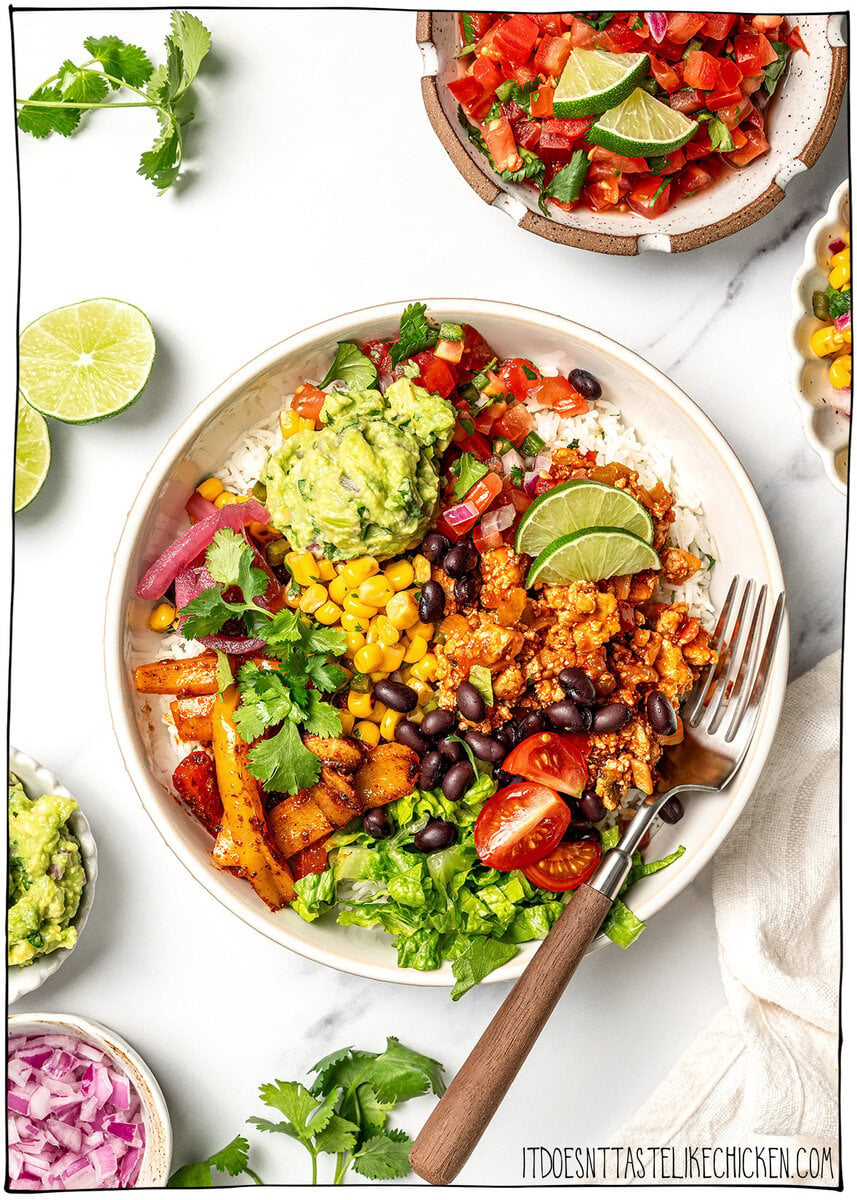
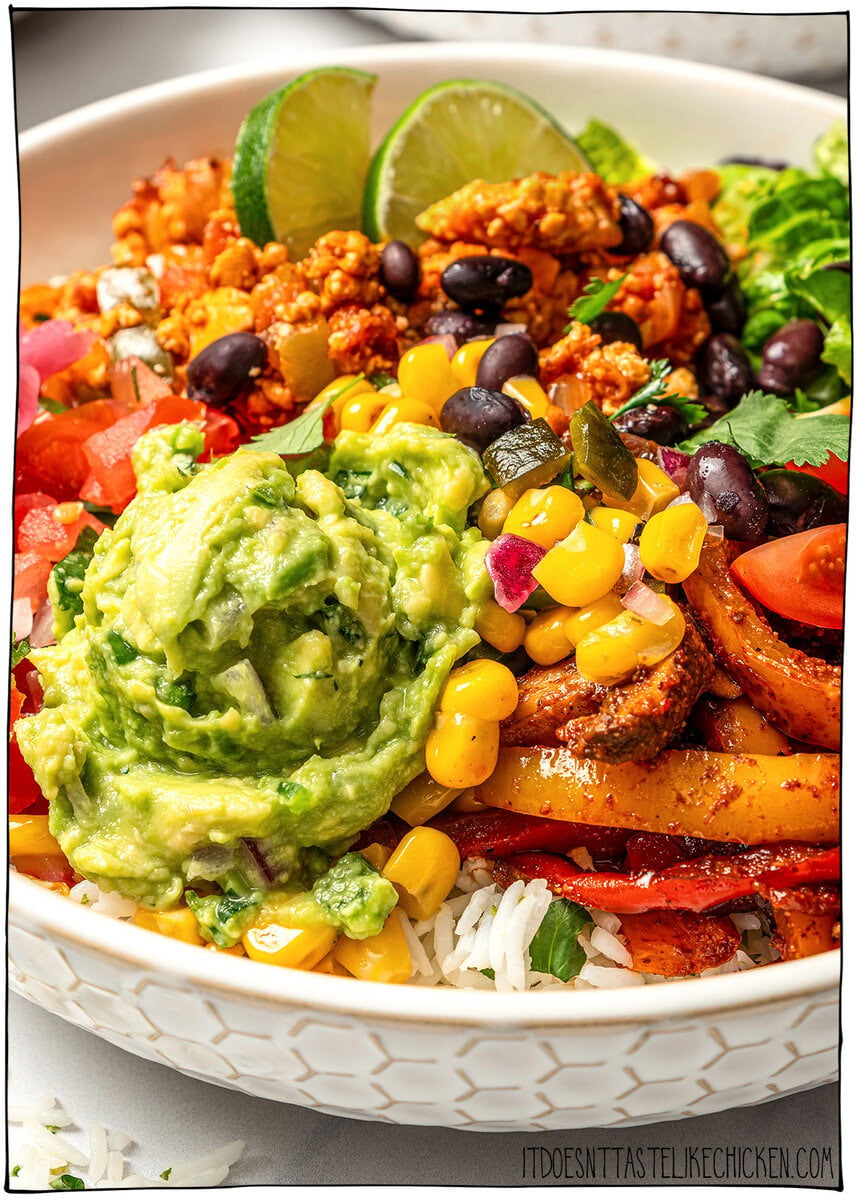
Constructing an optimal burrito bowl involves a systematic layering of textures and temperatures, a technique popularized by assembly-line restaurants. Culinary experts recommend a structured approach divided into five core components: the base, the protein source, cooked vegetables, salsas, and finishing fats or creamy toppings.
The Foundation: Bases and Grains
The culinary process begins with the base, typically comprising approximately three-quarters of a cup of grain per bowl. Options generally range from plain brown or white rice to cilantro-lime-infused varieties seasoned with fresh citrus juice and chopped coriander. Whole grains provide complex carbohydrates that sustain energy levels, making them a preferred choice for active consumers and meal-prep enthusiasts.
Proteins: Plant-Based Innovations
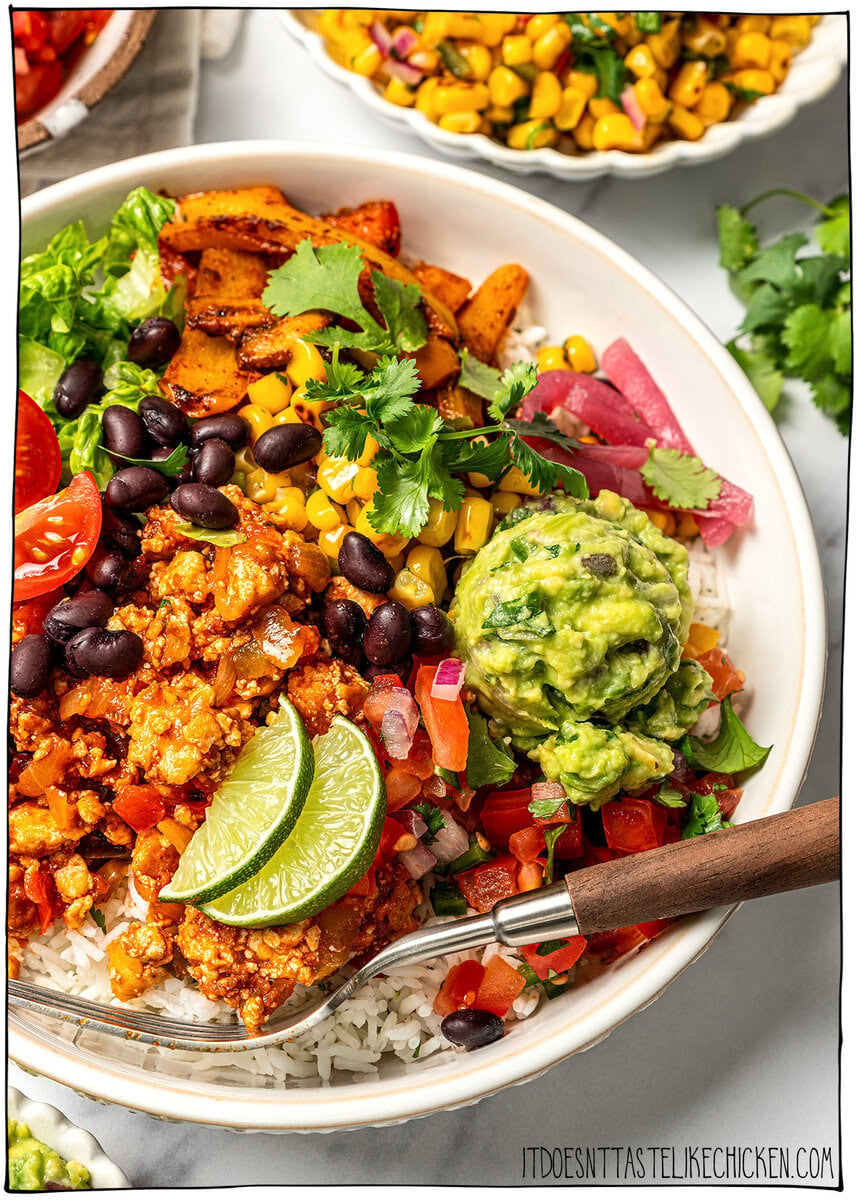
Protein selections in modern copycat recipes have evolved significantly beyond traditional meat options. Plant-forward alternatives such as sofritas—braised tofu simmered in a blend of chipotle chiles, tomatoes, and spices—alongside black or pinto beans, offer robust flavor profiles without animal products. Approximately one-half cup of protein per bowl delivers the necessary amino acids to ensure satiety.
Vegetables and Salsas: Balancing Texture and Acidity
Fajita vegetables, typically consisting of sautéed bell peppers and onions seasoned with oregano and salt, introduce warmth and structural depth. These are complemented by a variety of salsas, ranging from mild, chunky pico de gallo to roasted chili-corn salsa. The addition of fresh lime juice and cilantro acts as a natural flavor enhancer, reducing the reliance on added sodium.
Creamy Finishes: Healthy Fats
The final tier of the bowl incorporates rich, creamy elements such as freshly prepared guacamole or avocado-based cremas. These components supply monounsaturated fats, which contribute to cardiovascular health and enhance the absorption of fat-soluble vitamins present in the vegetables.
The Logistics of Meal Prep and Storage
With a significant segment of the workforce practicing hybrid or remote schedules, meal preparation has become an essential household management strategy. Culinary guides increasingly emphasize food safety and texture preservation when preparing meals in advance.
For optimal results with burrito bowls, food safety specialists recommend segregating warm ingredients—such as rice, beans, and sautéed vegetables—from cold, moisture-rich toppings like lettuce, salsa, and guacamole. Storing components in airtight glass or BPA-free plastic containers prevents premature wilting and soggy textures. When reheating, consumers are advised to warm the base and protein elements separately before incorporating the cold garnishes just prior to consumption. This methodology maintains the structural integrity and sensory appeal of the meal over a three-to-four-day storage window.
Industry Implications and the Rise of Community-Driven Cooking
The widespread popularity of copycat recipes reflects a broader shift in consumer behavior toward kitchen self-sufficiency, accelerated by digital recipe communities and social media platforms. Food media analysts observe that digital engagement around scratch-made restaurant duplicates has surged, as consumers share personalized modifications and regional adaptations online.
Platforms dedicated to plant-based cooking have noted an influx of users seeking guidance on transforming familiar comfort foods into accessible home recipes. This trend not only democratizes culinary techniques but also empowers consumers to adapt commercial flavor profiles to individual dietary restrictions, such as gluten-free, sodium-restricted, or vegan regimens.
As the culinary landscape continues to adapt to economic pressures and health-conscious consumer priorities, the humble burrito bowl stands out as a versatile template for modern eating. By balancing efficiency, affordability, and nutritional density, home-prepared alternatives demonstrate that restaurant-quality dining experiences can be successfully replicated within a domestic kitchen environment.