Chili Ginger Garlic Beans (Majestic Beans) with Whipped Cumin Tofu and Onion Salad

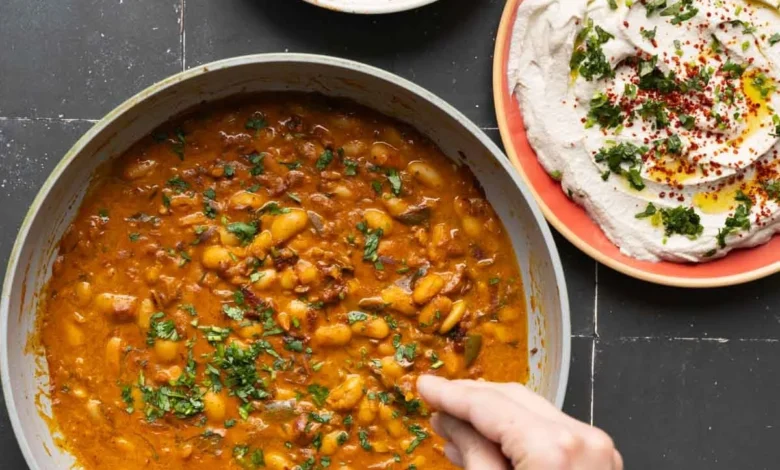
The dish serves as a contemporary interpretation of traditional Indian flavors, specifically drawing inspiration from the regional delicacy known as "Chicken Majestic." By substituting poultry with legumes, the recipe provides a nutrient-dense profile, boasting 22 grams of protein and 10 grams of dietary fiber per serving. This development reflects a broader shift in the culinary industry toward high-protein, plant-forward comfort foods that cater to diverse dietary requirements, including gluten-free and nut-free diets.
Culinary Background and Development
"Chicken Majestic" is a dry, spice-forward appetizer hailing from Hyderabad, India. Traditionally, it consists of thin strips of chicken marinated in spices and sautéed with garlic, ginger, and curry leaves. The "majestic" descriptor is often attributed to the dish’s sophisticated flavor profile, which balances heat, acidity, and aromatic herbs.
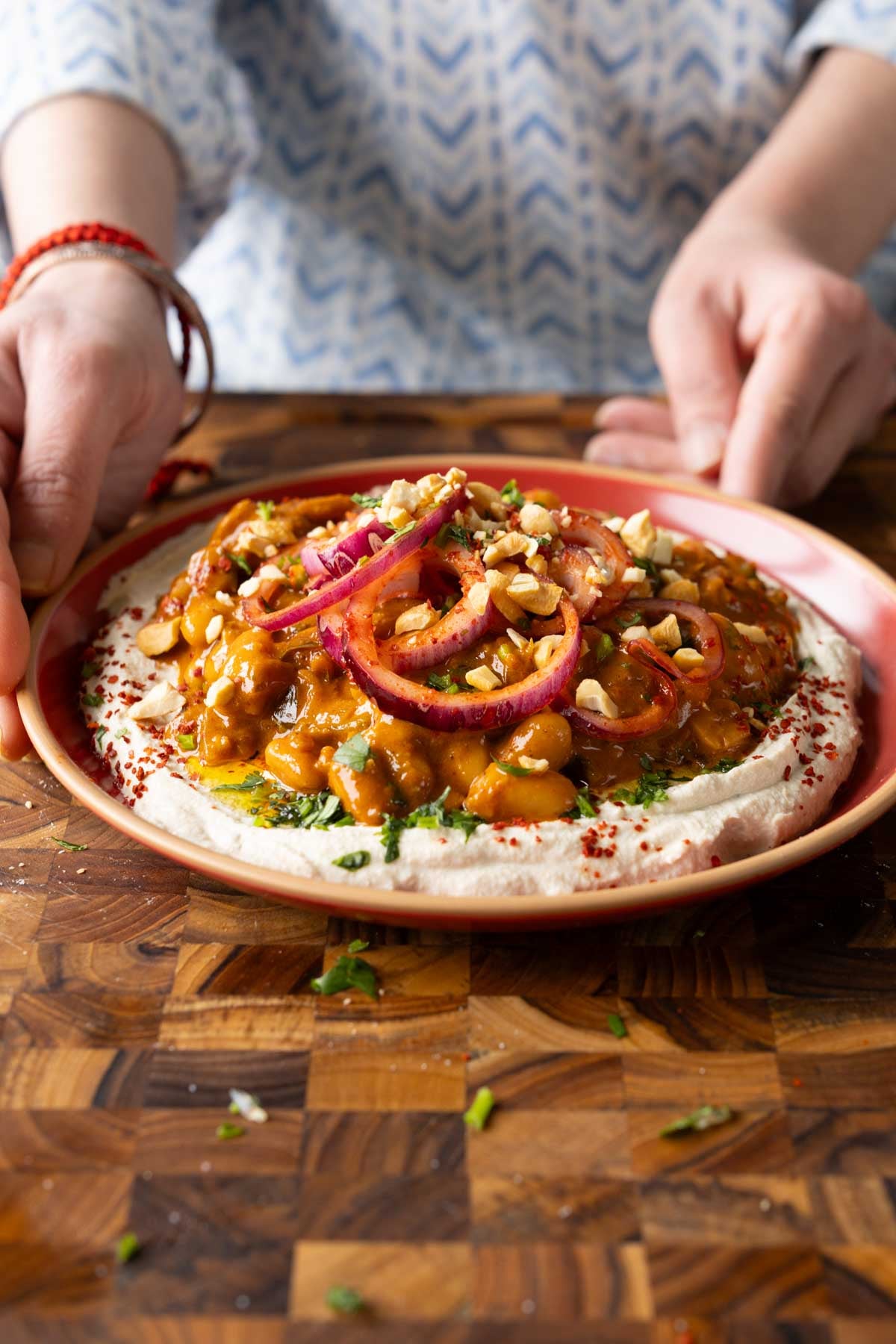
In this updated, plant-based iteration, the structural integrity of the dish is maintained through the use of protein-rich beans, which absorb the concentrated chili-garlic sauce. The integration of whipped cumin tofu provides a creamy, cooling contrast to the sharp, pungent notes of the ginger and chili, effectively balancing the dish’s heat. This adaptation represents an ongoing evolution in global fusion, where classic regional techniques are applied to sustainable, plant-based ingredients.
Nutritional Profile and Health Implications
With a focus on functional nutrition, this dish provides a substantial amount of macronutrients essential for a balanced diet. The inclusion of tofu as a base for the whipped cream significantly elevates the protein content, while the legumes provide complex carbohydrates and high fiber.
According to standard nutritional analysis, a single serving contains approximately 348 calories, 22 grams of protein, and 10 grams of fiber. This macronutrient ratio is particularly relevant in the context of plant-based dieting, where ensuring adequate protein intake is a frequent point of consideration. The dish is naturally gluten-free—assuming the use of tamari or a gluten-free soy sauce alternative—and is free of nuts, making it a suitable option for individuals with common food allergies.
Culinary Methodology and Preparation
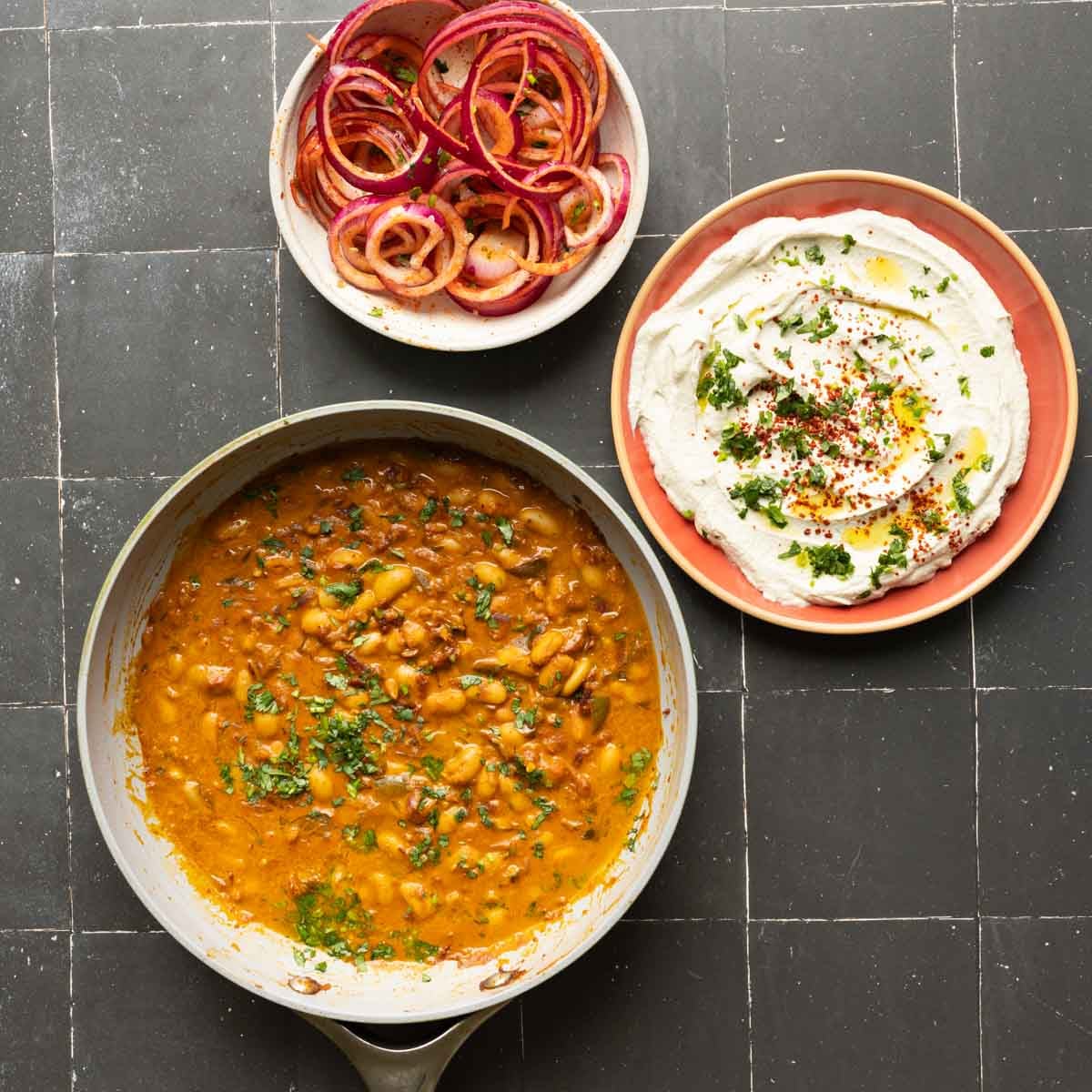
The preparation process is optimized for efficiency, designed to be completed in approximately 30 minutes. The workflow is divided into three distinct phases: the preparation of the protein base, the creation of the whipped tofu, and the assembly of the fresh onion salad.
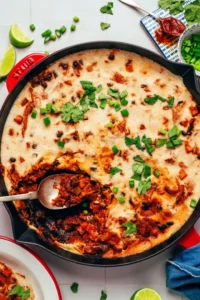
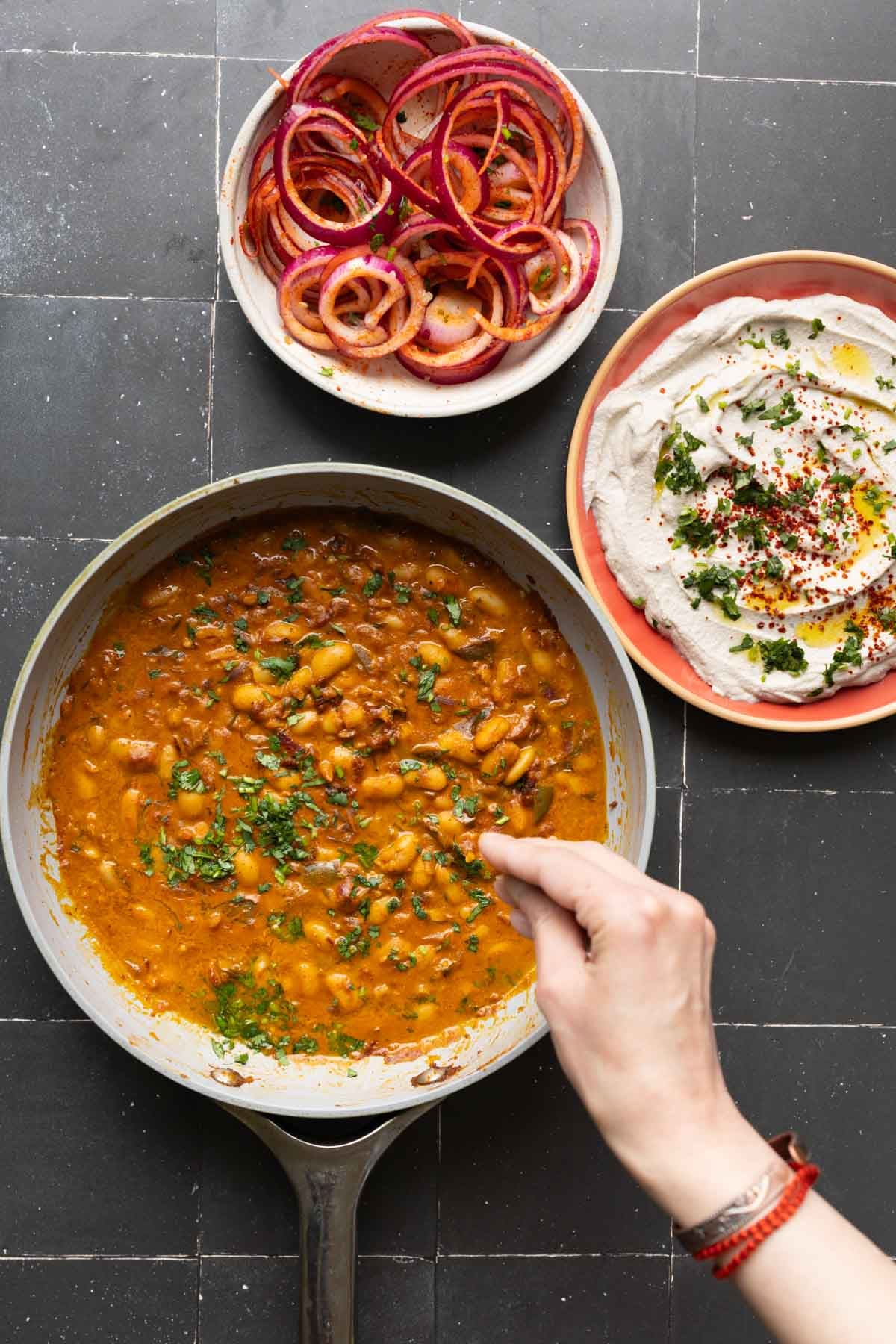
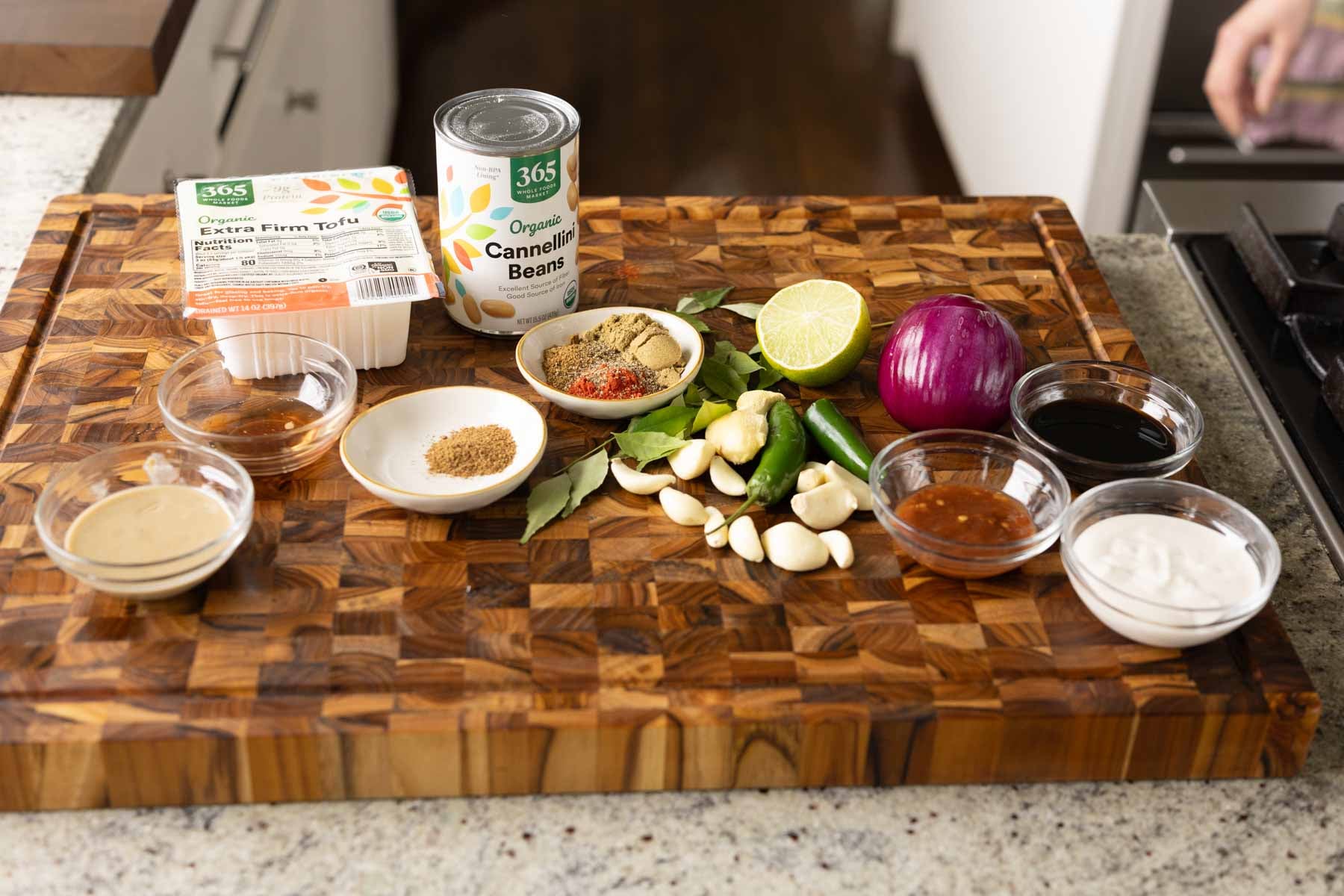
The cooking process for the beans involves a high-heat sauté of aromatics—onions, green chilies, curry leaves, ginger, and garlic. This foundation is then deglazed with a combination of soy sauce, chili paste (sambal oelek), and lime juice. The addition of non-dairy yogurt during the final stages of the reduction process creates a rich, clinging sauce that coats the beans thoroughly.
Simultaneously, the whipped tofu is processed to achieve a texture comparable to heavy cream or thick Greek yogurt. By incorporating cumin and other optional warm spices, the tofu acts as a flavor-neutral carrier for the bolder elements of the dish. The final component, a quick-pickled onion salad, adds an essential textural crunch and acidic brightness, which is necessary to cut through the heavy, savory notes of the main preparation.
Versatility in Application
The utility of this recipe lies in its adaptability to various serving formats. Culinary experts note that "multi-use" recipes are becoming increasingly popular as home cooks seek to maximize their prep time. This dish is designed to function as a centerpiece for:
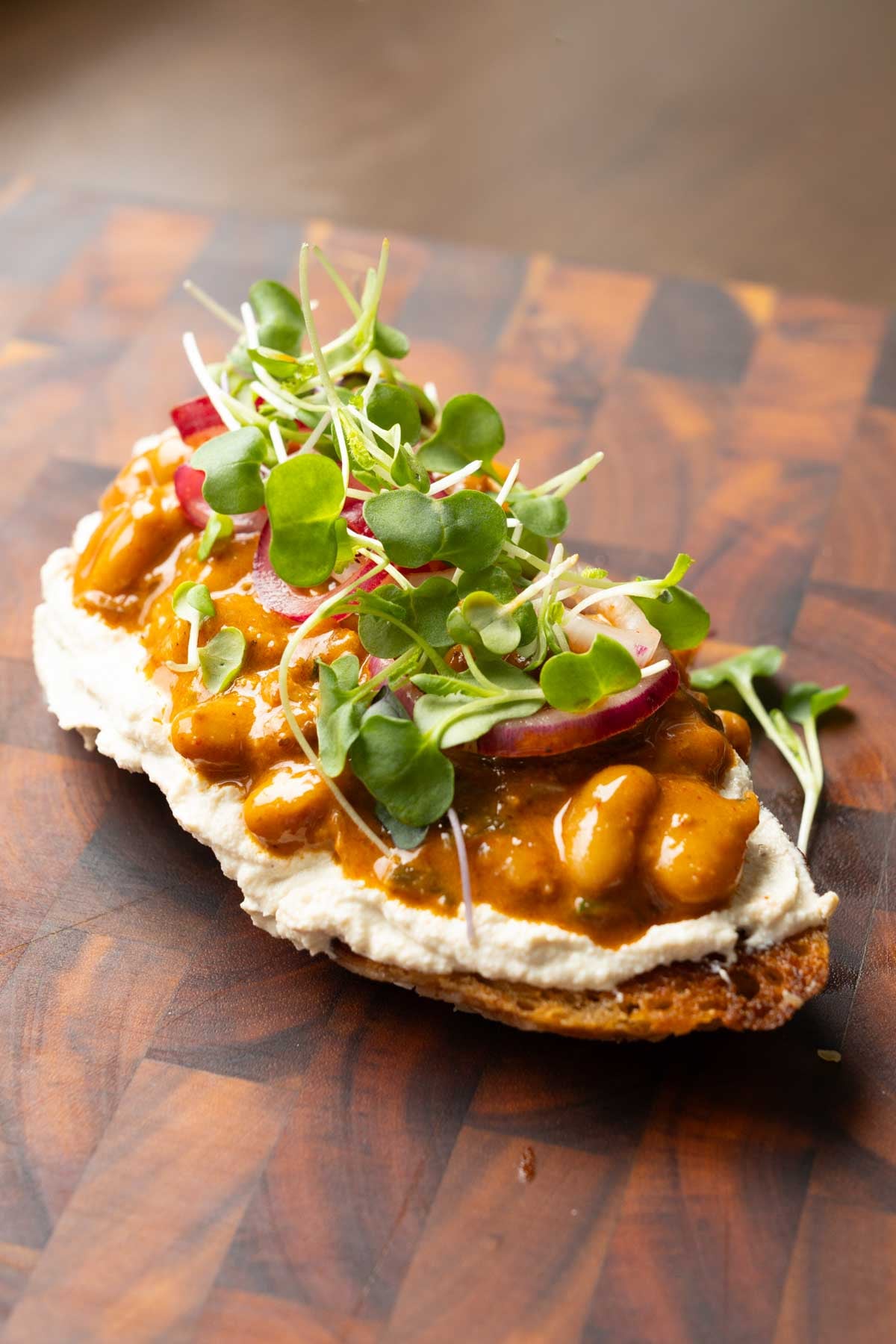
- Toasted Applications: When served on sourdough or other crusty breads, it acts as a savory, protein-heavy open-faced sandwich.
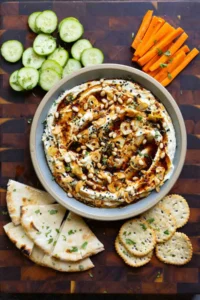
- Dip Platters: The whipped tofu base can serve as a canvas for the beans, creating a layered appetizer suitable for social gatherings.
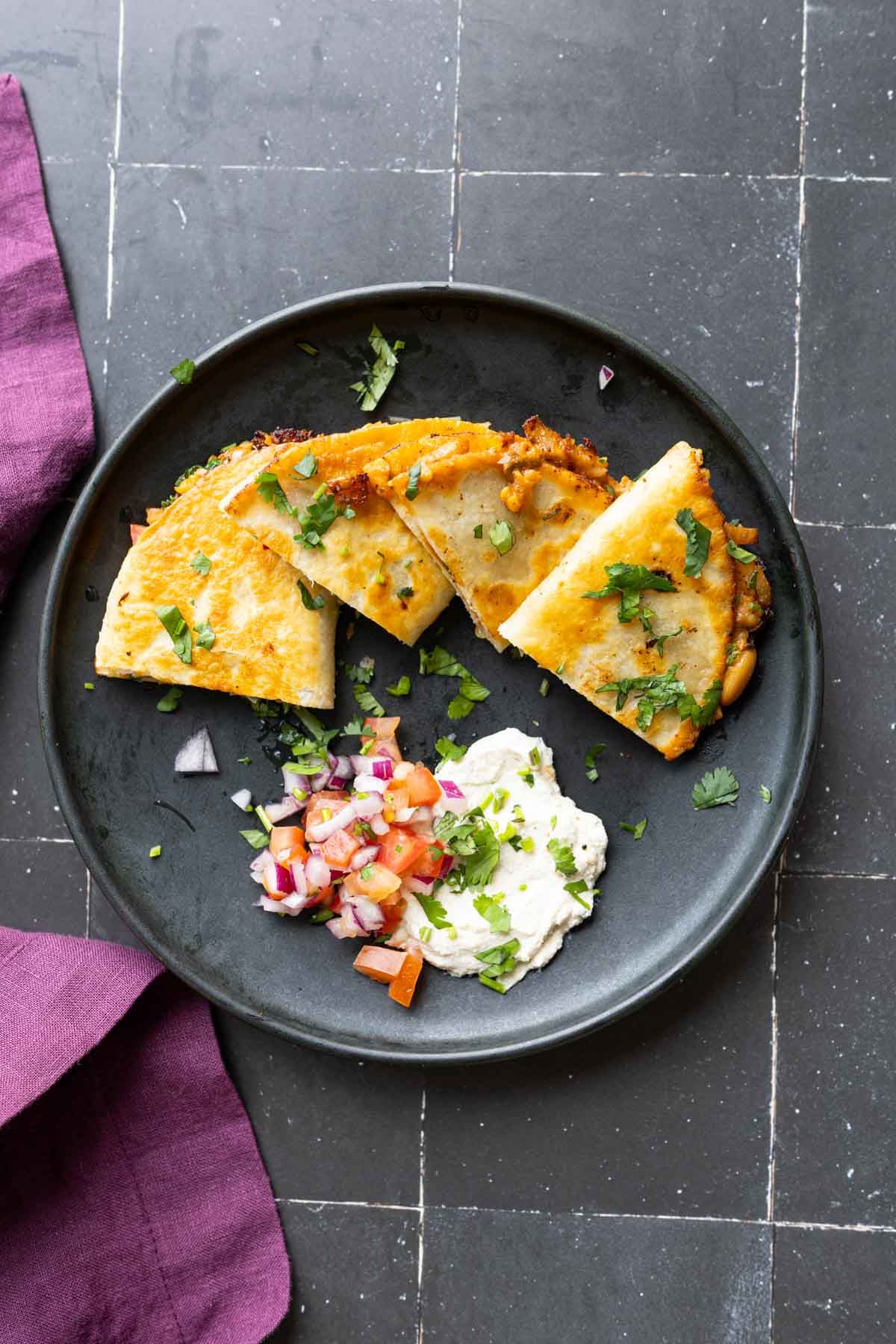
- Casual Dining: The recipe is easily adapted into taco shells or wraps, mirroring the structural requirements of street food.
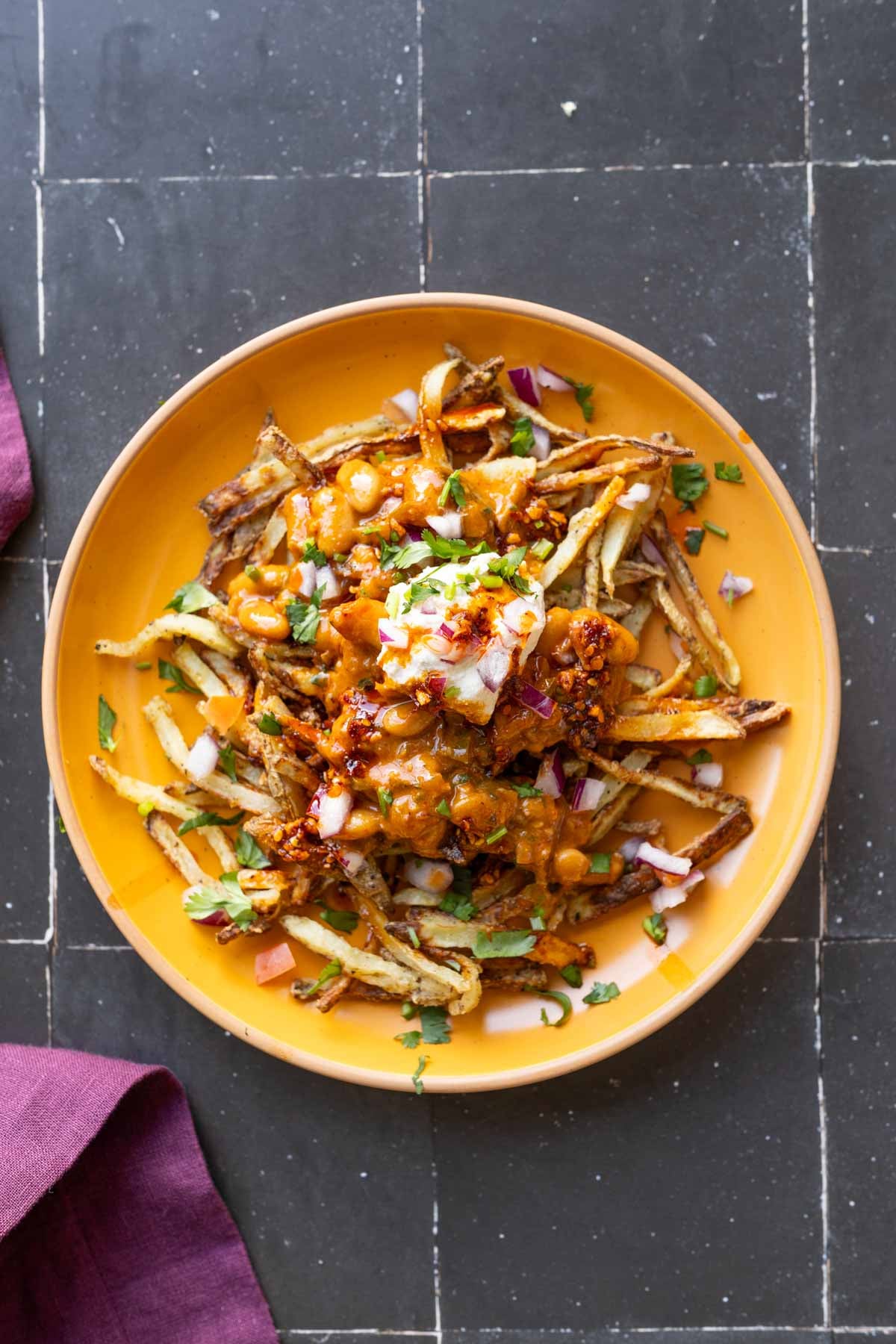
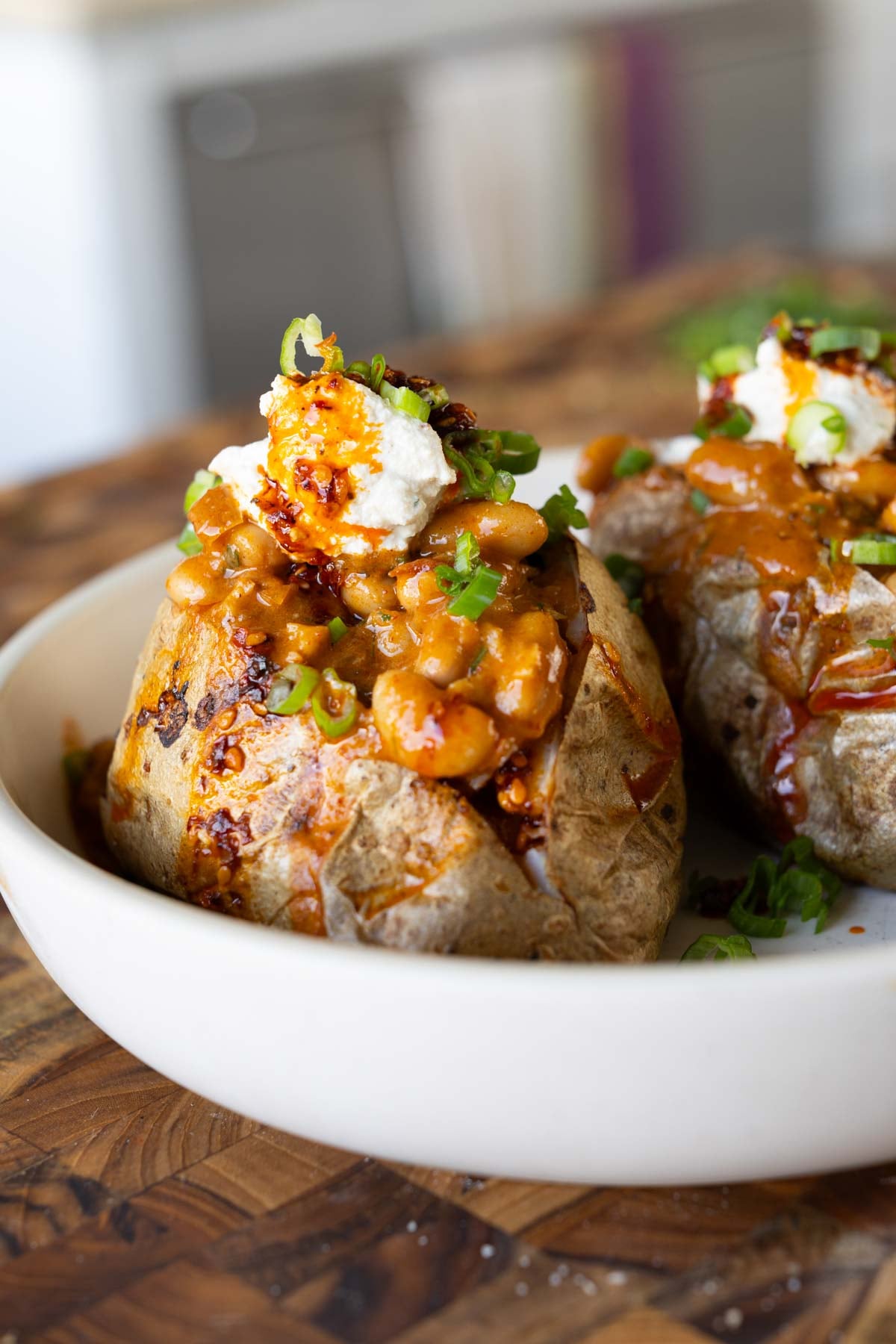
- Hearty Comfort Meals: The use of baked potatoes or crispy fries as a base allows the dish to function as a plant-based alternative to "chili cheese fries," a staple of American pub cuisine.
Market Context and Consumer Trends
The rise of recipes like these mirrors a significant shift in consumer demand. As more individuals seek to reduce their intake of animal-derived products, the market for "high-protein, plant-based" recipes has expanded. A report from the Good Food Institute indicates that plant-based protein consumption is no longer limited to niche demographics but is increasingly integrated into the diets of mainstream consumers who prioritize health and sustainability.
The emphasis on "30-minute meals" is also a response to the time-constrained schedules of the modern workforce. By streamlining the preparation of traditional, time-intensive dishes like the Hyderabad-inspired Majestic style, home cooks are able to maintain cultural connections to their food heritage without sacrificing the convenience of modern meal prep.
Storage and Scalability
From a food safety and storage perspective, the separation of the main components is recommended. The beans and the whipped tofu should be stored in airtight containers for up to four days. The beans, in particular, are noted for their ability to be frozen, which allows for batch cooking and long-term meal planning.
The inclusion of instructions for creating "crispy potatoes" as a side component demonstrates an effort to provide a complete dining experience. By utilizing cornstarch and air-frying or baking techniques, the recipe ensures that the starch-based components maintain their texture even when topped with a sauce-heavy dish.
Analysis of Future Impact
The emergence of such recipes suggests that the future of home cooking lies in the intersection of tradition and innovation. By taking a specific, localized dish and transforming it through accessible, sustainable ingredients, culinary creators are effectively democratizing global flavors.
The implication for the food industry is clear: consumers are increasingly interested in "fusion" in the truest sense—not just in the mixing of cuisines, but in the modernization of classic dishes to suit contemporary nutritional and environmental standards. As these recipes gain traction, it is likely that similar "majestic" variations—using different protein bases or seasonal vegetables—will continue to populate the landscape of home-cooking platforms, further solidifying the place of plant-based proteins in the global culinary canon.
Conclusion
The Chili Ginger Garlic Beans dish represents a successful marriage of traditional Indian flavor profiles with modern, high-protein dietary goals. Through its efficient 30-minute preparation, versatile serving options, and focus on clean, plant-based ingredients, it provides a viable, nutritious, and culturally informed meal solution. As consumer preference continues to trend toward sustainable and flexible dining, this recipe serves as a benchmark for how classic comfort food can be successfully reimagined for the modern kitchen.