Upside-Down Mushroom Tarts Offer a Sophisticated Plant-Based Solution for Modern Entertaining

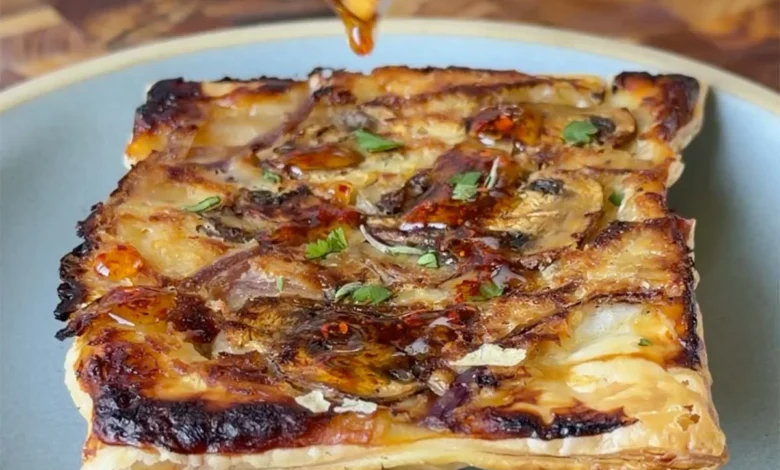
The culinary landscape has seen a significant shift toward plant-based innovation, with home cooks and professional chefs alike seeking ways to elevate simple vegetables into center-stage attractions. The rise of the "upside-down" tart trend—characterized by caramelized toppings and a crisp, golden pastry base—has recently been adapted for the savory market. By pairing balsamic-glazed mushrooms with a protein-dense white bean spread, this dish offers a nutritionally balanced, soy-free, and nut-free appetizer that addresses the growing demand for inclusive, high-quality, plant-forward catering.
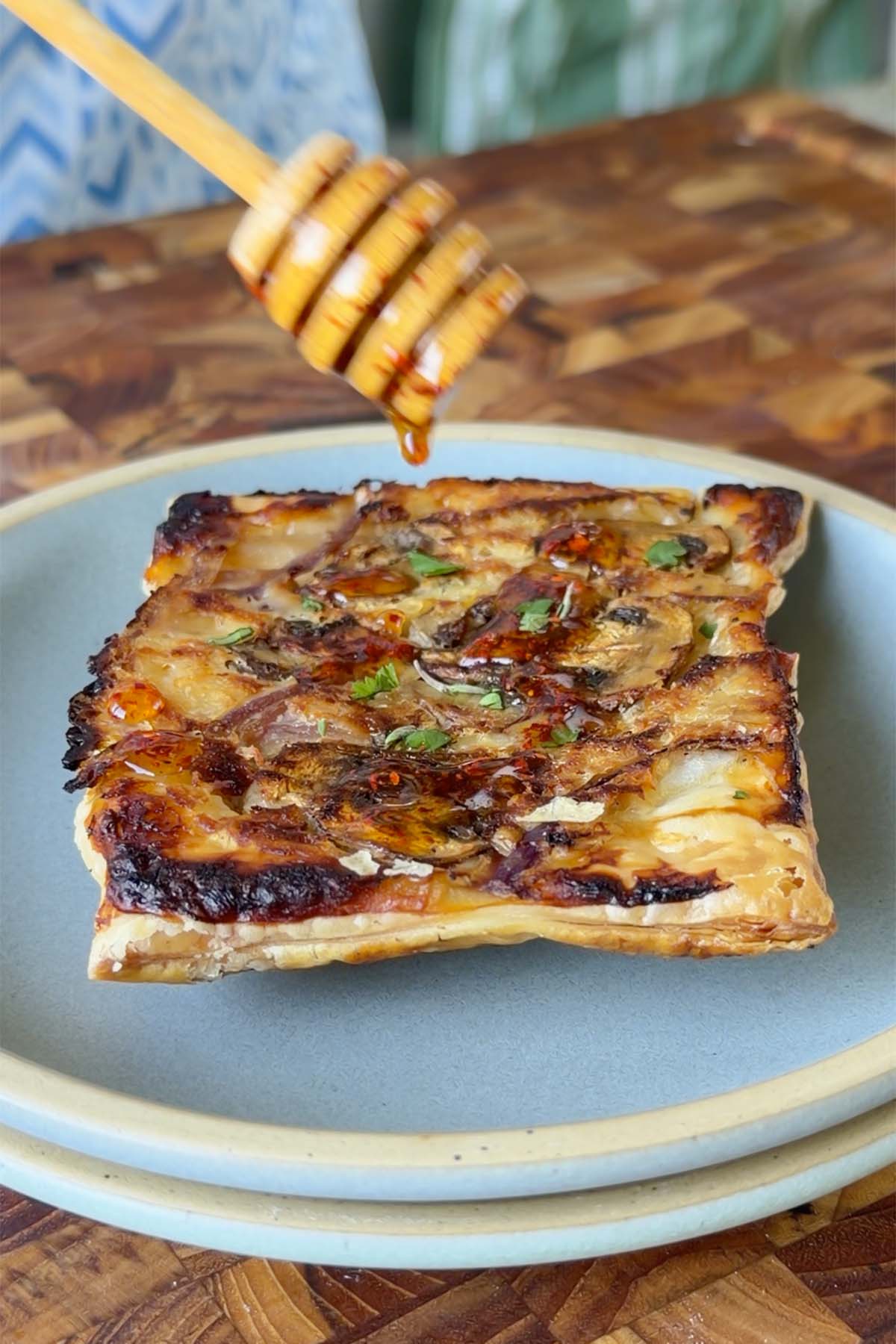
The Evolution of the Upside-Down Trend
While upside-down pastries, such as the classic Tarte Tatin, have roots in traditional French patisserie, the modern iteration focuses on efficiency and savory complexity. Recent data from culinary trend reports indicate that home entertaining is increasingly leaning toward "handheld" formats, which minimize the need for cutlery and allow for a more fluid social environment during gatherings. The upside-down mushroom tart capitalizes on this by utilizing a simplified assembly process. Unlike traditional tarts that require pre-cooking fillings or blind-baking crusts, this method relies on the high-heat environment of the oven to simultaneously caramelize the balsamic-coated mushrooms and achieve a flaky pastry texture.
Nutritional Profile and Dietary Inclusivity
A significant challenge in plant-based menu planning is ensuring adequate protein and fiber content in appetizers. These tarts are designed to bridge this gap, offering approximately 10 grams of protein and 5 grams of fiber per serving. The primary protein source is a white bean-based "cheesy" spread, which functions as a structural anchor for the dish while replacing traditional dairy-based components like Brie or Camembert.
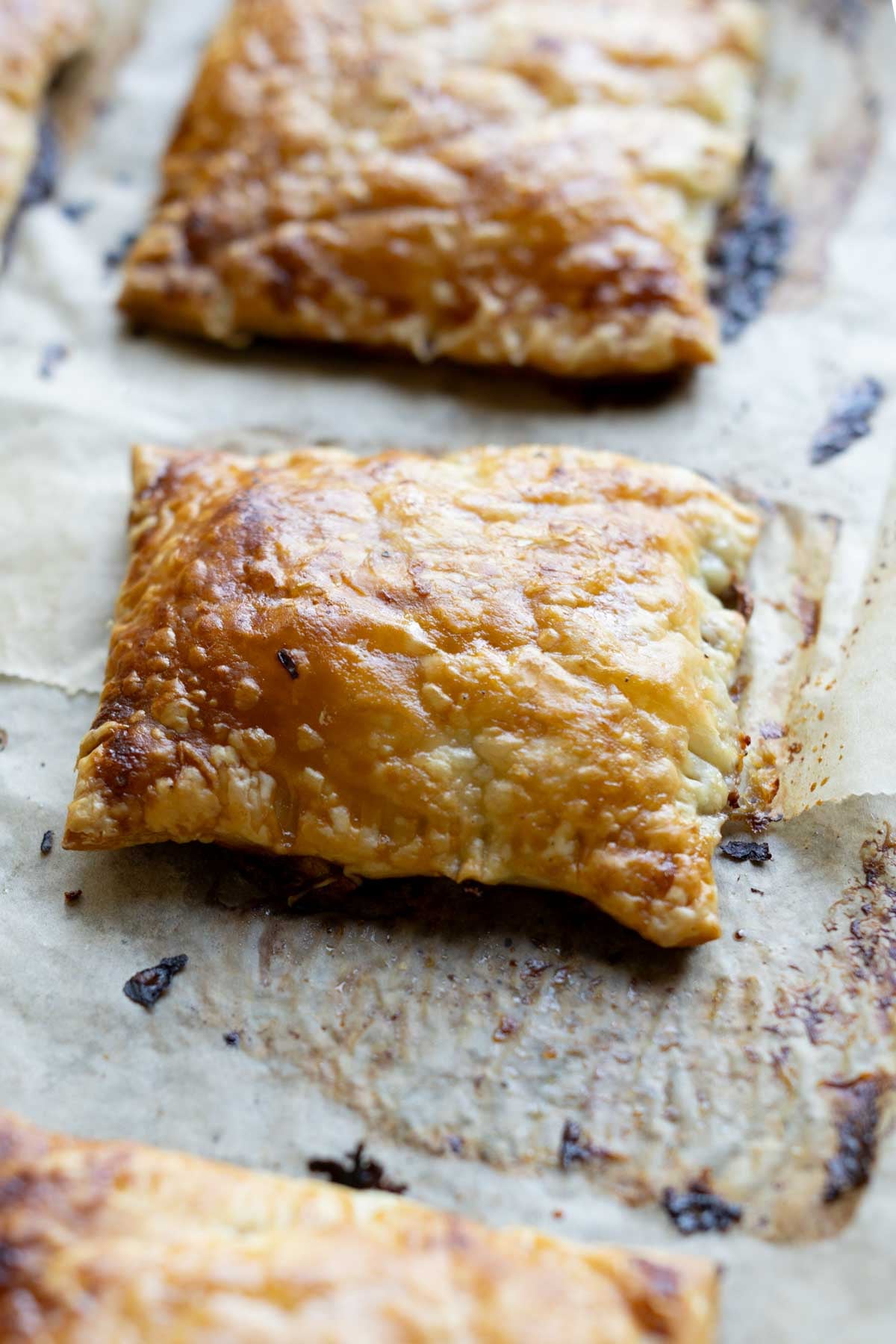
The dietary specifications of the recipe are as follows:
- Protein Content: 10g per serving (derived from legumes and nutritional yeast).
- Dietary Status: Naturally soy-free and nut-free.
- Gluten Management: While standard puff pastry contains wheat, the recipe supports the use of gluten-free puff pastry or almond-flour-based crusts for those with celiac disease or gluten sensitivity.
- Fiber: 5g per serving, primarily provided by the mushroom and white bean combination.
Strategic Culinary Assembly
The preparation of these tarts relies on a specific sequence of assembly that maximizes flavor extraction without requiring labor-intensive preliminary steps. The mushrooms and onions are coated in a balsamic-based marinade, which, when exposed to high temperatures (typically 400°F or 205°C), undergoes the Maillard reaction. This chemical process is responsible for the deep, savory umami notes characteristic of the dish.
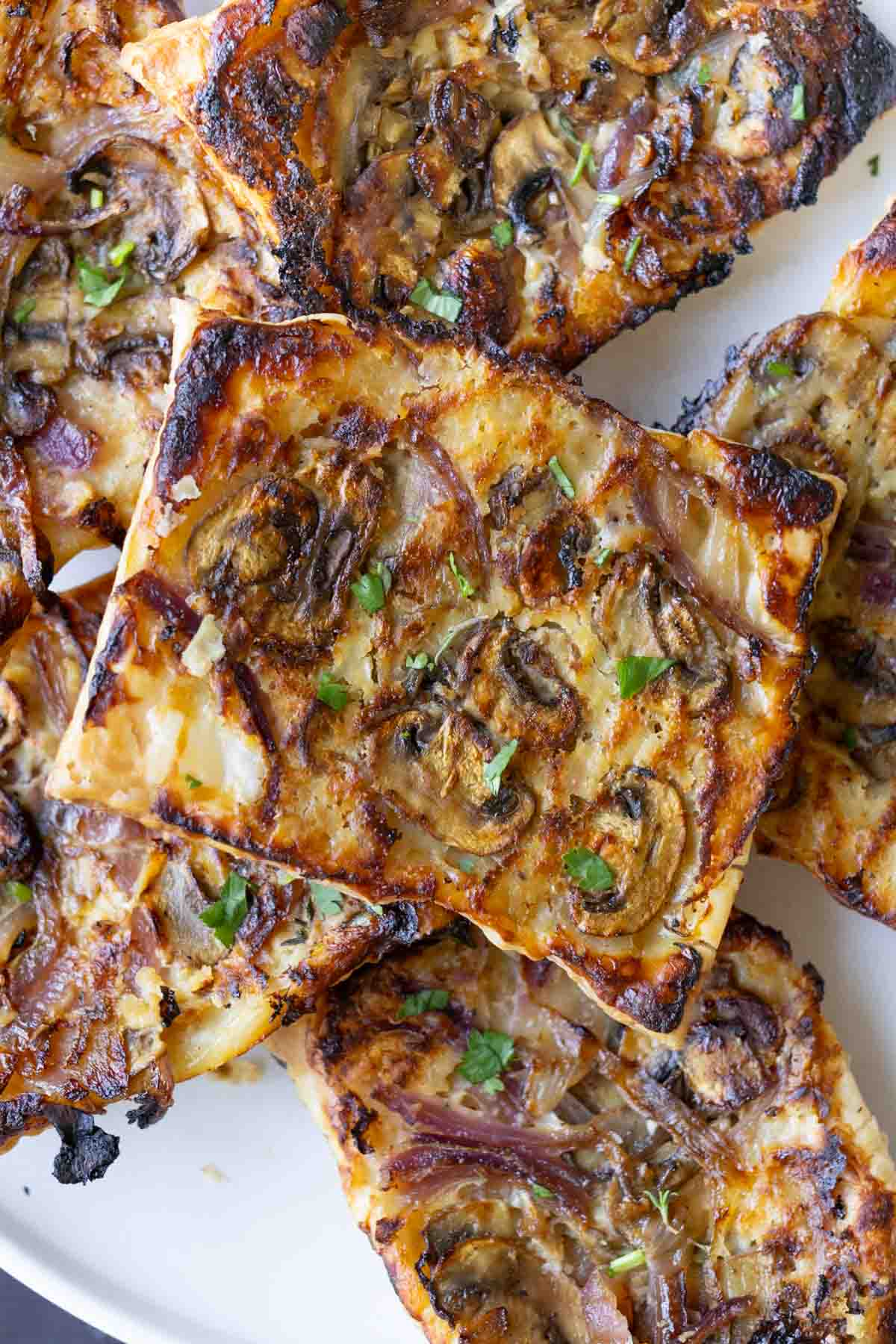
The assembly process is broken down into three primary phases:
- Preparation of the Base: The white bean spread—a mixture of pulses, herbs, and nutritional yeast—is prepared as a foundational paste.
- Layering: The raw mushrooms, onions, and balsamic mixture are placed directly onto a parchment-lined baking sheet. The pastry squares, coated with the bean spread, are inverted over the mushroom mixture.
- Baking and Caramelization: The tarts are baked until the pastry reaches a golden-brown consistency. A secondary phase involves flipping the tarts, allowing the mushrooms to face upward for a final 5 to 10 minutes of direct heat, which intensifies the caramelization.
Broader Impact on Home Entertaining
The rise of such recipes suggests a broader shift in how hosts approach menu planning for dietary-restricted guests. By utilizing accessible pantry staples—canned beans, store-bought puff pastry, and seasonal mushrooms—the recipe reduces the barrier to entry for hosts who may be intimidated by complex vegan cooking. Furthermore, the inclusion of a "hot maple" drizzle—a savory-sweet condiment that mirrors the popularity of "hot honey"—indicates an alignment with current flavor profiles that prioritize contrast and balance.
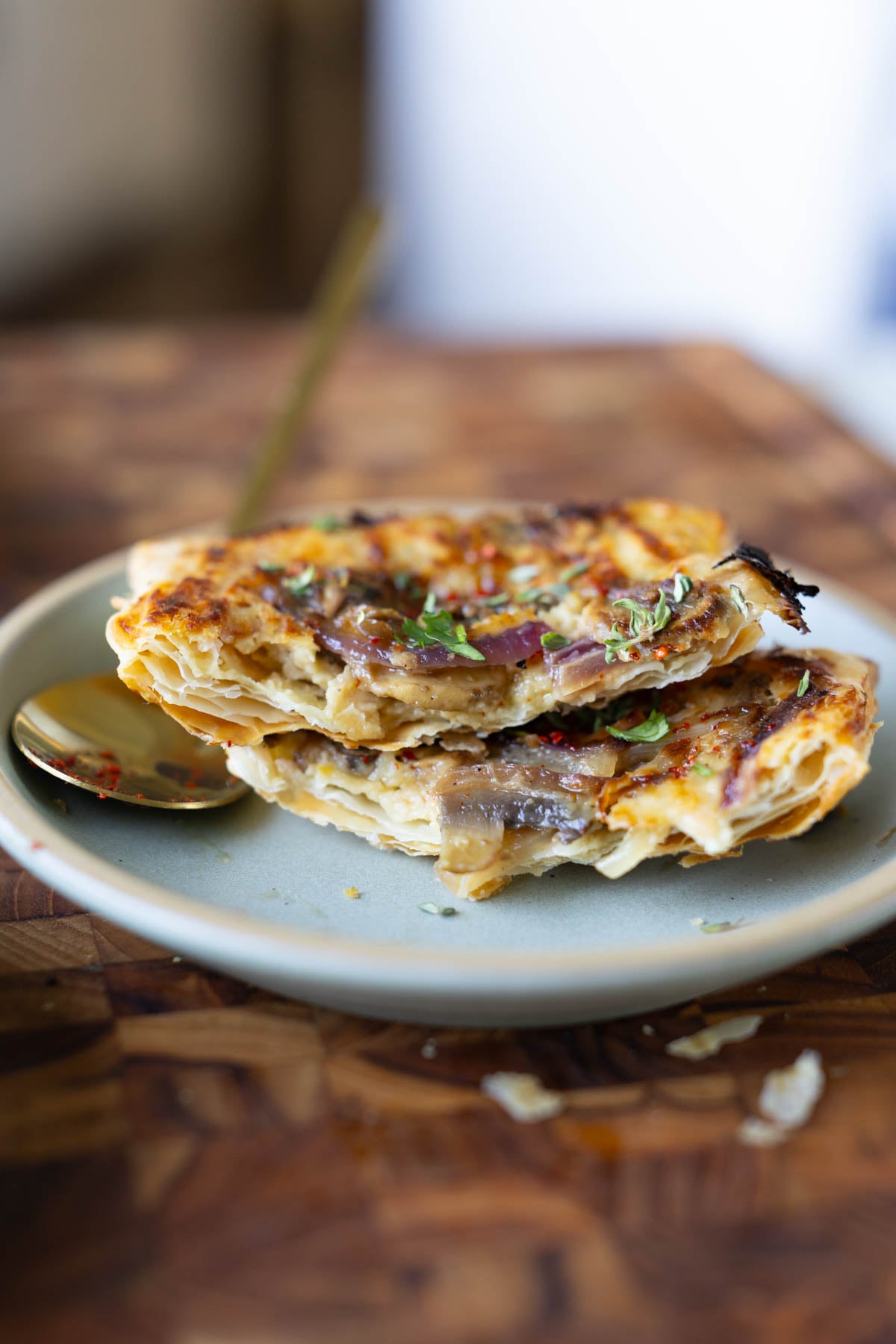
From an logistical standpoint, the ability to prepare components in advance—such as the bean spread and the sliced aromatics—makes this dish particularly attractive for high-volume events. It provides a level of presentation that mimics restaurant-quality hors d’oeuvres while maintaining a manageable workload for the home cook.
Market Implications and Future Trends
As interest in plant-based diets continues to stabilize as a mainstream lifestyle choice rather than a niche preference, the industry is seeing an increase in recipes that do not rely on highly processed meat alternatives. Instead, there is a return to whole-food ingredients like white beans, mushrooms, and fresh herbs. This approach not only provides better nutritional outcomes but also appeals to a broader demographic of consumers who are increasingly conscious of ingredient lists.
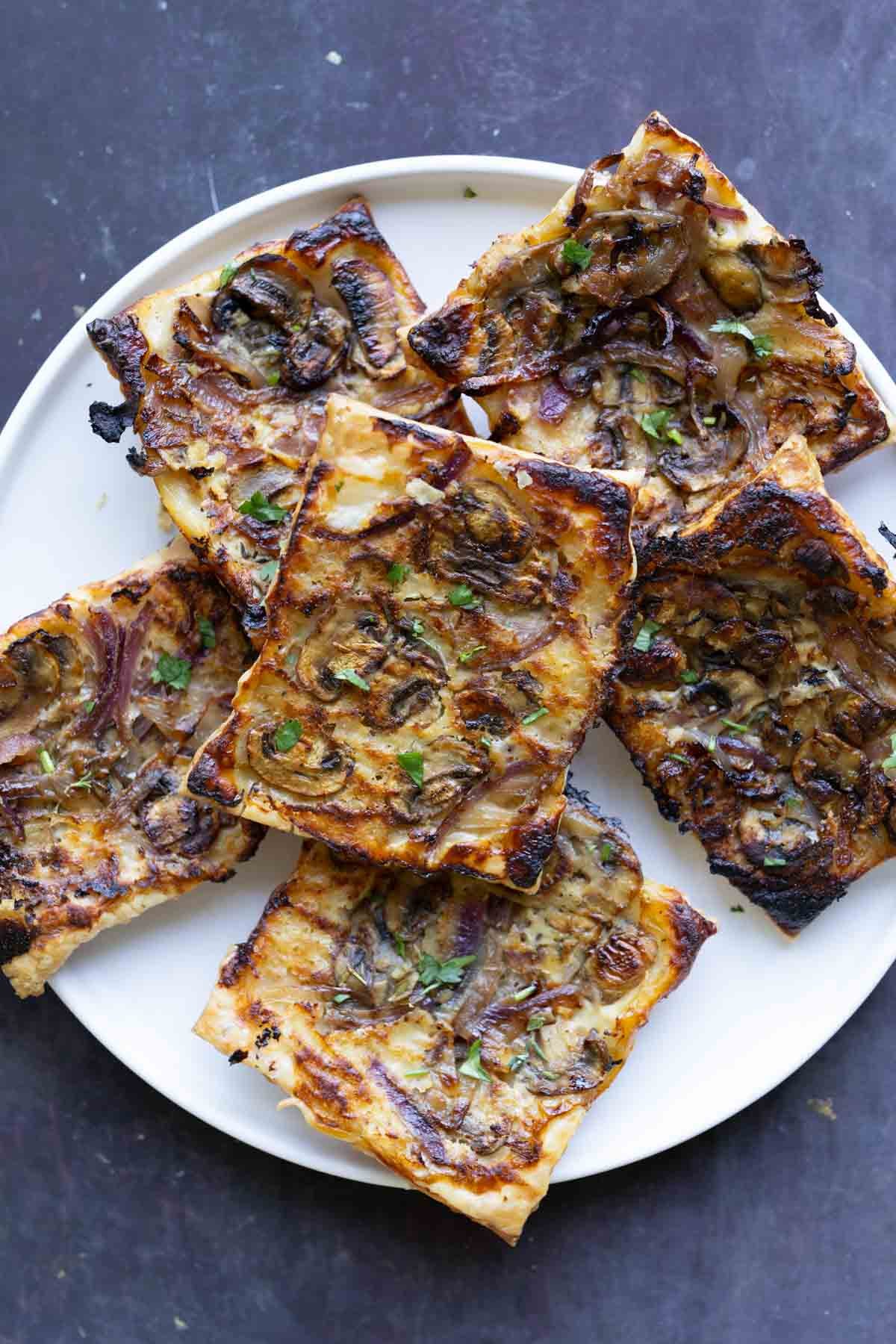
The versatility of the white bean spread as a dairy substitute is another critical development. By replicating the creamy, spreadable texture of soft cheeses through legume-based emulsions, the recipe offers a scalable solution for diverse catering needs. As public health recommendations continue to emphasize the consumption of legumes and fiber-rich vegetables, these tarts serve as a template for future developments in savory, plant-forward snacking.
Conclusion: A Synthesis of Convenience and Quality
The upside-down mushroom tart serves as an example of modern culinary efficiency. By merging the techniques of traditional pastry making with the nutritional benefits of plant-based whole foods, it addresses the dual requirements of aesthetic appeal and health-conscious consumption. Whether served as a standalone appetizer or as part of a larger selection of holiday-themed starters, the dish remains a reliable, nutrient-dense, and allergy-aware option for the contemporary kitchen. Its success is rooted in its simplicity: a high-heat cooking method that minimizes effort while maximizing the natural flavors of its primary ingredients. As culinary trends continue to favor convenience without sacrificing quality, recipes like these will likely remain a fixture in both home and professional kitchens.