The Evolution of the Miniature Cocktail and the Impact of Somssi’s Little Beverages on New York City’s Contemporary Bar Culture

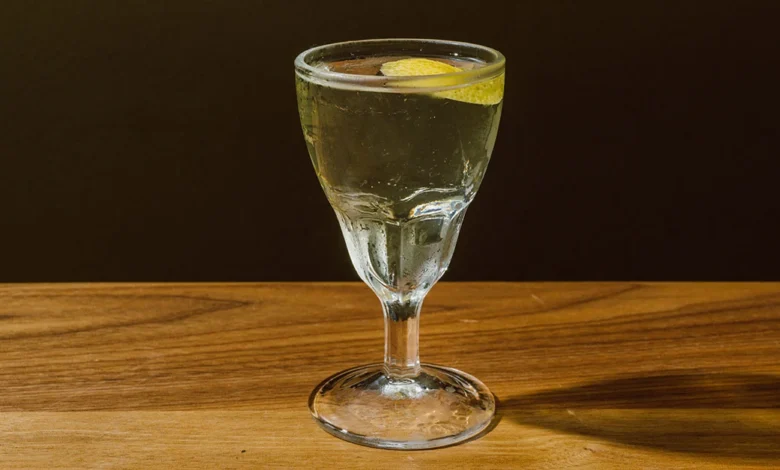
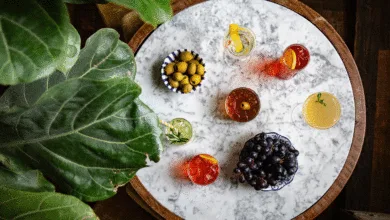
The landscape of the American cocktail bar is undergoing a structural shift, moving away from the oversized "mega-martinis" of the 1990s toward a more curated, diminutive approach to consumption. At Somssi, a newly established culinary destination in New York City, this trend has crystallized into a dedicated menu section titled "little beverages." These drinks, which serve as an evolution of the "Snaquiri"—a snack-sized Daiquiri—and the mini Martini, are redefining how patrons interact with spirits during a multi-course meal. Head bartender Christian Gray has spearheaded this movement at Somssi, utilizing small-format cocktails to bridge the gap between traditional aperitifs and full-sized beverage pairings. By offering complex, fully composed drinks in smaller vessels, Somssi is addressing a growing consumer demand for variety, moderation, and aesthetic novelty.
The Chronology of the Miniature Drink Movement
To understand the significance of Somssi’s "little beverages," one must look at the decade-long trajectory of the "tiny drink" in craft cocktail history. The trend arguably began in the mid-2010s with the "Snaquiri." Credited largely to bartender Giuseppe González and popularized within the industry, the Snaquiri was a shot-sized Daiquiri intended as a "bartender’s handshake"—a quick, refreshing burst of acidity and rum shared between colleagues. It stripped away the preciousness of the cocktail, transforming it into a high-utility tool for hospitality.
By 2018 and 2019, this concept migrated from behind the bar to the guest-facing menu. Establishments began experimenting with "half-Martinis" and "tiny beers." In London, bars like Tayer + Elementary gained international acclaim for their "One-Bite" cocktails and small-format serves that allowed guests to sample a wider array of flavors without the physical toll of high-volume alcohol consumption. The pandemic further accelerated this trend as home bartenders began "batching big to serve small," a practice that prioritized quality over quantity during periods of isolation. Somssi’s current iteration represents the most refined stage of this timeline: the integration of miniature cocktails into the formal dining experience as a versatile tool for the kitchen and the bar alike.
Technical Innovation in the Small-Format Category
The drinks offered at Somssi are not merely scaled-down versions of existing classics; they are engineered to thrive in their specific volume. Christian Gray notes that the "little beverage" format allows the bar team to experiment with flavor profiles that might be overwhelming or "cloying" in a standard five-ounce pour.
A primary example is the Countermand, a "mini reverse Martini." In a traditional Martini, gin or vodka takes center stage with a supporting role played by vermouth. A reverse Martini flips this ratio, prioritizing the fortified wine. While a full-sized reverse Martini can occasionally feel heavy or overly botanical, the Countermand serves as a crisp, aromatic palate cleanser. Its high vermouth content makes it an ideal aperitif to stimulate the appetite or a "Trou Normand"—a traditional French custom of taking a small drink between courses to aid digestion and reset the senses.
Similarly, the Campus Queen addresses the common consumer hesitation regarding beer-based cocktails. Based on the "Brunch Box" template, the drink features a pilsner base but is elevated with grapefruit oleo saccharum and alpine amaro. By serving this in a tiny, etched glass, the heaviness of the beer is mitigated, allowing the bright citrus and bitter herbal notes to shine. This format has proven successful in converting guests who typically avoid beer-based mixed drinks, demonstrating that volume is often a barrier to entry for complex flavor profiles.
The Role of Glassware and Visual Psychology
The success of the miniature cocktail is inextricably linked to its presentation. Somssi’s program relies heavily on a collection of vintage cordial glasses sourced by Margaret Muza. These vessels—characterized by their etched patterns, spiked stems, and "bobbled" bases—provide a tactile and visual experience that a standard coupe or rocks glass cannot replicate.
In the age of social media, the aesthetic value of the "tiny drink" cannot be understated. However, from a journalistic and psychological perspective, the impact goes deeper than "Instagrammability." Smaller glassware creates a sense of preciousness and intentionality. When a guest is served a two-ounce cocktail in a delicate, Midwest-sourced antique glass, the act of drinking becomes more focused. It encourages sipping and savoring rather than the passive consumption often associated with larger, ice-filled highballs. This shift in vessel size fundamentally alters the pace of the meal, allowing the "little beverage" to be tucked into the "white space" of a dinner—while waiting for an entrée or as a transition between savory and sweet courses.

Economic and Social Implications of Diminutive Drinks
From a restaurant management perspective, the "little beverage" offers a unique economic advantage. These drinks are typically positioned at a lower price point than a standard $18–$24 New York City cocktail, lowering the barrier for guests to add an extra item to their check. For the consumer, it provides a "low-stakes" way to explore the menu.
Furthermore, the trend aligns with broader shifts in public health and social habits. Market data from the last three years indicates a steady rise in the "sober-curious" and "moderate drinking" demographics, particularly among Gen Z and Millennial consumers. These groups often participate in "zebra drinking"—alternating between alcoholic and non-alcoholic beverages—or simply seeking a lower net level of booziness throughout the evening.
The "little beverage" also taps into the "three drinks at once" cultural phenomenon popularized on digital platforms. This trend involves having one drink for hydration (water), one for energy (coffee or tea), and one for "fun" (a cocktail or juice). Somssi’s head bartender has observed guests ordering a full-sized house Martini alongside a miniature Countermand, using the two to compare flavor nuances. This "intermittent drinking" allows for a scholarly, comparative approach to spirits that was previously reserved for professional tastings or high-end flight programs.
Expert Reactions and Market Analysis
Industry analysts suggest that the "Somssi model" could become a standard fixture in modern American dining. By deconstructing the cocktail menu into "full" and "little" serves, restaurants can better accommodate the varying rhythms of a guest’s evening.
"Anytime anybody sees those, they immediately get curious," Gray observed during a recent service. This curiosity is a powerful tool for bartenders to educate guests on spirits like Clairin—a rustic Haitian sugarcane spirit used in Somssi’s popular Cherchez La Femme cocktail. While a guest might be intimidated by a full-sized, funk-forward Clairin drink, a "little" shaken mix of mango, lime, and Clairin feels approachable. It functions as a liquid "amuse-bouche," providing the bar team with a vehicle for education and flavor exploration without the risk of "palate fatigue."
Broader Impact on the Hospitality Industry
The implications of this trend extend beyond the individual bar. As more establishments adopt the small-format approach, we may see a shift in how spirits are bottled and marketed. There is an increasing demand for high-quality vermouths, sherries, and amari—the backbone of these "little" serves—which offer lower alcohol content but high flavor density.
Moreover, the "little beverage" movement challenges the "more is more" philosophy that has dominated the American service industry for decades. It suggests that the value of a hospitality experience is not found in the volume of the liquid in the glass, but in the precision of its craft and the timing of its delivery.
As Somssi continues to integrate these diminutive drinks into the New York dining scene, the "little beverage" stands as a testament to the maturation of the cocktail revival. It is a move toward a more sophisticated, moderate, and versatile way of drinking. Whether it serves as a "Trou Normand" to bridge a heavy meal or a "fun-size" exploration of a new spirit, the small cocktail is proving that in the world of modern hospitality, the biggest impacts often come in the smallest packages. The trend may very well convert the "wine-only" diner into a cocktail enthusiast, one two-ounce pour at a time.