
Mexican Black Beans And Rice

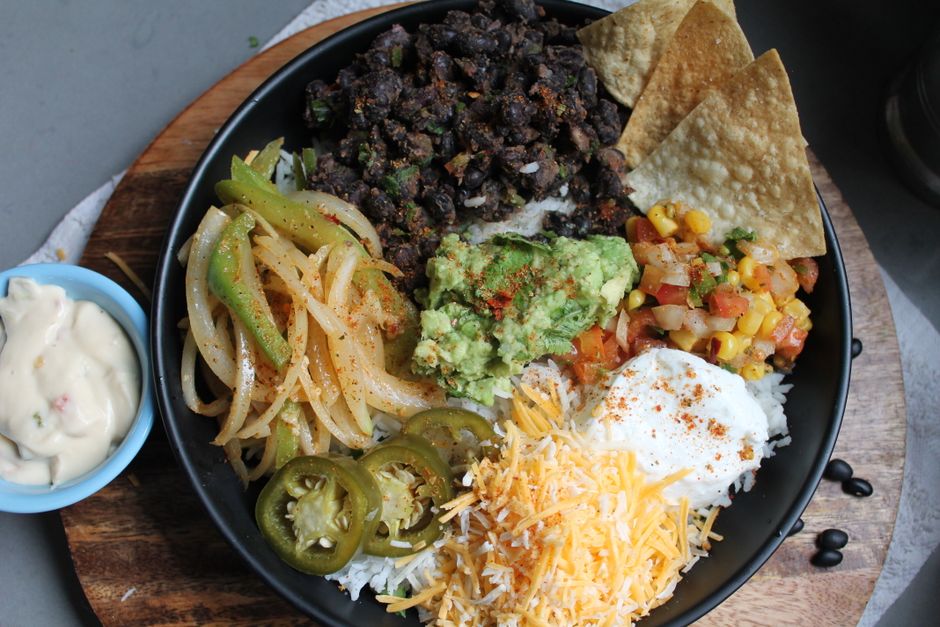
Mexican Black Beans and Rice: The Heart of a Culinary Staple
Mexican black beans and rice is far more than just a side dish; it’s a foundational element of Mexican cuisine, a versatile and deeply satisfying combination that anchors countless meals. Its simplicity belies a complex interplay of textures and flavors, offering a comforting and nourishing experience. At its core, this dish is a testament to the power of humble ingredients, transformed through careful preparation and traditional techniques into something truly remarkable. The humble black bean, with its earthy depth and creamy texture, marries perfectly with the subtle sweetness and fluffy consistency of rice, creating a harmonious pairing that is both a culinary cornerstone and a beloved comfort food. Understanding the nuances of preparing authentic Mexican black beans and rice involves appreciating the quality of the ingredients, the cooking methods, and the subtle flavor enhancements that elevate it from ordinary to extraordinary. This exploration will delve into the history, preparation, variations, and nutritional benefits of this iconic dish, providing a comprehensive guide for both novice cooks and seasoned aficionados.
The Genesis of a Staple: Historical Roots and Cultural Significance
The pairing of beans and rice in Mexico is not a culinary accident but a deeply ingrained historical and cultural practice. The origins can be traced back to pre-Hispanic times, long before the arrival of Europeans. Indigenous peoples of Mesoamerica cultivated beans, particularly varieties like the black bean, for millennia, recognizing their nutritional value and adaptability. Corn, another staple, was often consumed alongside beans, forming a complete protein source. The introduction of rice by the Spanish in the 16th century, while initially a luxury, gradually integrated into the Mexican diet. Over time, the practicalities of combining these two readily available and affordable ingredients, which provided essential sustenance, led to the ubiquitous presence of beans and rice on tables across Mexico. This pairing became a symbol of sustenance, resilience, and the resourceful nature of Mexican culinary traditions. Its presence in everyday meals, from humble family dinners to festive gatherings, underscores its profound cultural significance. It’s a dish that transcends social strata, a unifying element that connects generations through shared culinary heritage. The evolution of this simple pairing reflects centuries of cultural exchange and agricultural adaptation, solidifying its status as an indispensable component of Mexican gastronomy.
The Anatomy of Perfection: Key Ingredients and Their Roles
The magic of Mexican black beans and rice lies in the synergy of its few, yet critical, ingredients. For the beans, the star is undeniably the frijol negro or black bean. Opting for dried black beans, rather than canned, allows for superior flavor and texture. These dried beans, when properly soaked and simmered, yield a creamy, rich interior and a broth that is intensely flavored. The soaking process is crucial for reducing cooking time and improving digestibility. The cooking liquid itself is a vehicle for flavor; water is the base, but often augmented with aromatic vegetables.
Aromatic foundational elements are indispensable. Onion and garlic are non-negotiable. A whole onion, peeled and often quartered, infuses the cooking beans with a subtle sweetness and depth. Garlic cloves, smashed or roughly chopped, contribute their pungent, savory notes. For an extra layer of authentic flavor, a bay leaf is frequently added to the bean cooking water. This simple herb imparts a faint, almost medicinal aroma that complements the earthiness of the beans. While some recipes call for the addition of a bit of lard or bacon fat for richness, a vegetarian or vegan preparation can achieve excellent results with olive oil or vegetable oil. The key is not to overpower the natural flavor of the beans but to enhance it.
The rice component, typically long-grain white rice, is equally important. The goal is fluffy, distinct grains that offer a pleasant chew and a neutral backdrop for the beans. While water is the primary cooking liquid, the flavor profile is often elevated. Sautéing the rice briefly in a bit of oil before adding the liquid helps to toast the grains, creating a nuttier flavor and preventing them from becoming gummy. Onion and garlic, again, play a supporting role, finely minced and sautéed with the rice before the liquid is added. Tomato is another common addition, often in the form of tomato sauce or finely chopped fresh tomatoes. This introduces a subtle acidity and a beautiful reddish hue to the rice, earning it the name "arroz rojo" or red rice. Chicken or vegetable broth can be used in place of water for a richer, more complex flavor. A pinch of cumin or a small sprig of epazote, a traditional Mexican herb with a unique flavor profile, can further deepen the aromatic complexity.
Crafting the Culinary Masterpiece: Preparation Techniques for Beans
Preparing authentic Mexican black beans from dried is a labor of love that yields unparalleled rewards. The process begins with rinsing the dried beans thoroughly and then soaking them. Overnight soaking (8-12 hours) is the most common and effective method, though a quick soak (boiling for 5 minutes, then letting them sit covered for 1 hour) is an alternative for those with less time. After soaking, the beans are drained and rinsed again.
The actual cooking takes place in a large pot or a slow cooker. For stovetop cooking, the drained beans are placed in a pot and covered with fresh water by at least two inches. The aromatics – peeled onion, smashed garlic cloves, and bay leaf – are added at this stage. The pot is brought to a boil, then reduced to a simmer. The key to tender beans is a long, slow simmer. This can take anywhere from 1.5 to 3 hours, depending on the age and type of bean. Crucially, salt should not be added until the beans are tender, as it can toughen them if added too early. Periodically, skim any foam or impurities that rise to the surface. Throughout the cooking process, check the water level and add more hot water if necessary to keep the beans submerged.
For a richer, more traditional flavor, some cooks add a small piece of epazote during the last 30 minutes of cooking. This herb is distinctive and offers a subtle, anise-like flavor that is quintessential to authentic Mexican beans. Once the beans are tender, the aromatics are removed. At this point, the beans can be left whole, mashed partially for a creamier texture, or fully mashed for a smoother consistency. Some of the cooking liquid should be reserved to achieve the desired consistency. For a traditional "refried" style, the beans are drained (reserving the liquid), mashed with a bit of fat (lard or oil), and then simmered with some of the reserved liquid until thickened. This slow simmering is what creates the characteristic creamy, almost paste-like texture of frijoles refritos.
The Art of Perfect Rice: Techniques for Arroz Rojo
Preparing Mexican red rice, or arroz rojo, is an art form that relies on precise steps to achieve fluffy, separate grains. Begin by rinsing the long-grain white rice under cold running water until the water runs clear. This removes excess starch, preventing the rice from becoming clumpy.
In a medium saucepan, heat a tablespoon or two of oil (vegetable or olive oil) over medium heat. Add finely minced onion and garlic and sauté until softened and fragrant, about 2-3 minutes. Do not let them brown too deeply. Then, add the rinsed and drained rice to the pan and stir, toasting the grains for about 1-2 minutes. This step is crucial for developing flavor and texture.
Next, pour in the liquid. This is typically tomato sauce or crushed tomatoes, combined with chicken or vegetable broth, or water. A common ratio is 1 cup of rice to 2 cups of liquid, but this can vary slightly depending on the rice and the thickness of the tomato sauce. Season with salt and a pinch of cumin. For an authentic touch, a sprig of epazote can be added.
Bring the liquid to a boil, then immediately reduce the heat to low, cover the pot tightly, and simmer for 15-20 minutes, or until all the liquid has been absorbed and the rice is tender. Do not lift the lid during this cooking time. Once cooked, remove the pot from the heat and let it steam, covered, for another 5-10 minutes. This allows the steam to distribute evenly, ensuring fluffy, separated grains. Before serving, gently fluff the rice with a fork.
Variations on a Theme: Regional and Personal Twists
While the core combination of black beans and rice remains consistent, Mexican cuisine is characterized by regional diversity and personal expression, leading to numerous delightful variations. In some regions, particularly those with a strong coastal influence, seafood broth might be used to cook the rice, imparting a subtle oceanic salinity. Other variations involve the addition of specific vegetables. Diced carrots and peas are common additions to arroz rojo, adding color and a touch of sweetness. Some preparations of black beans might include a small amount of diced jalapeño or serrano pepper for a gentle kick of heat.
The preparation of frijoles de la olla (pot beans) is often a simpler, brothier version of black beans, where the beans are cooked in water with aromatics and served in their flavorful broth, often alongside rice. This is a lighter, more rustic preparation. Conversely, some Northern Mexican preparations might favor a drier, more intensely seasoned refried bean, cooked with a bit of pork fat for richness.
The flavor profile can also be significantly altered by the spices used. While cumin is a ubiquitous seasoning, some recipes might incorporate a touch of chili powder or smoked paprika for added depth. The addition of a squeeze of lime juice just before serving can brighten the flavors of both the beans and the rice, providing a refreshing contrast. For those seeking a more robust flavor, a small piece of cooked chorizo can be crumbled into the refried beans.
Nutritional Powerhouse: Health Benefits of Black Beans and Rice
Beyond their culinary appeal, Mexican black beans and rice offer a formidable nutritional profile. Black beans are a powerhouse of plant-based protein and dietary fiber. This combination is crucial for satiety, helping individuals feel fuller for longer, which can aid in weight management. The fiber content also plays a vital role in digestive health, promoting regularity and a healthy gut microbiome. Black beans are also rich in essential minerals like iron, magnesium, potassium, and folate. Iron is critical for oxygen transport in the blood, while magnesium is involved in numerous bodily functions, including muscle and nerve function. Potassium helps to regulate blood pressure.
Rice, particularly brown rice (though white rice is more common in traditional Mexican preparations), provides complex carbohydrates, offering sustained energy release. While white rice is a refined grain, it still contributes to calorie intake and can be a good source of B vitamins when fortified. When consumed together, beans and rice create a complete protein, meaning they provide all the essential amino acids that the body cannot produce on its own. This makes the dish an excellent and affordable protein source, especially for vegetarians and vegans.
The preparation methods also influence the healthfulness. When made with lean oils or minimal added fat, and served without excessive salt, black beans and rice can be a very healthy meal. The vegetables often incorporated into the rice, like onions and tomatoes, contribute vitamins and antioxidants. The inclusion of spices like cumin is also beneficial, as many spices have antioxidant and anti-inflammatory properties.
Serving Suggestions and Culinary Companions
Mexican black beans and rice are incredibly versatile and serve as an ideal accompaniment to a wide array of main dishes. They are the quintessential side for tacos, burritos, enchiladas, and fajitas, providing a grounding element to these vibrant flavors. The creamy texture of the beans and the fluffy rice soak up the rich sauces and marinades of these dishes beautifully.
Beyond their role as a side, they can also be the star of the plate. A generous portion of seasoned black beans and rice can form the base of a hearty vegetarian or vegan bowl, topped with salsa, avocado, pico de gallo, and perhaps some grilled vegetables. They are also a fantastic filling for quesadillas or a comforting addition to hearty soups and stews.
Traditional accompaniments that enhance the experience include fresh salsa, whether a mild pico de gallo or a spicier salsa verde; creamy guacamole or sliced avocado; a dollop of sour cream or Mexican crema for a rich, tangy finish; and a squeeze of fresh lime juice to brighten all the flavors. A sprinkle of fresh cilantro adds a burst of herbaceous freshness. For those who enjoy a bit of heat, pickled jalapeños or a dash of hot sauce are always welcome additions. The simple elegance of this dish allows it to be elevated by these complementary components, creating a complete and satisfying culinary experience.
The Enduring Legacy of a Simple Pairing
Mexican black beans and rice represent a culinary philosophy that prioritizes flavor, nourishment, and affordability. It is a testament to the enduring power of simple ingredients, skillfully prepared, to create dishes that are both deeply satisfying and culturally significant. From its ancient roots to its modern-day interpretations, this humble pairing continues to be a cornerstone of Mexican cuisine, celebrated for its versatility, its comforting nature, and its undeniable deliciousness. It is a dish that embodies the spirit of Mexican cooking: resourceful, flavorful, and always welcoming. Its widespread appeal and continued relevance are a testament to its inherent excellence, ensuring its place on dining tables for generations to come. The art of preparing and enjoying Mexican black beans and rice is a journey into the heart of Mexican culinary heritage, a delicious exploration that rewards every step of the way.


