
Air Fryer Roasted Tomatoes

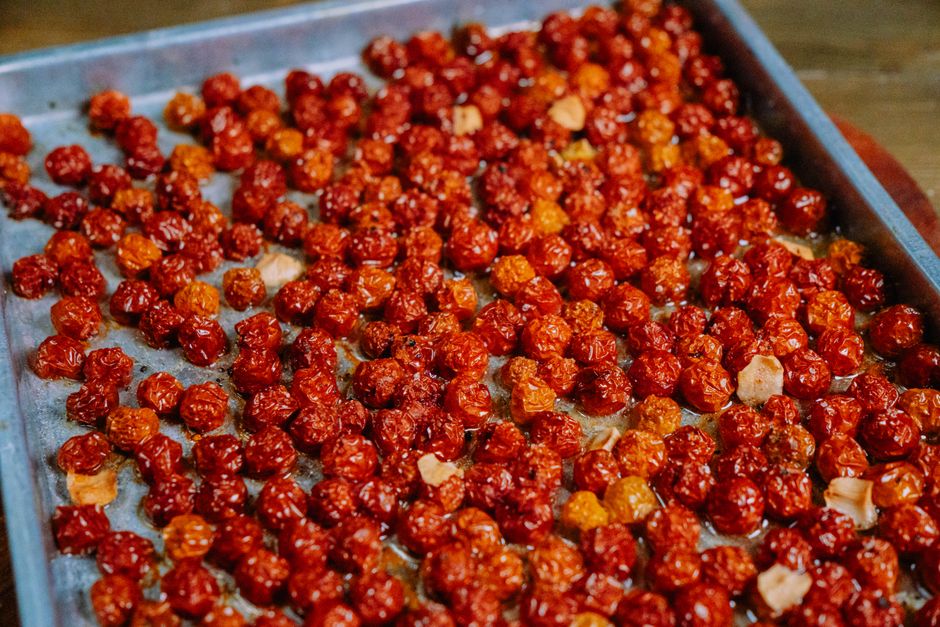
Air Fryer Roasted Tomatoes: Intense Flavor in Minutes
Air frying tomatoes transforms them from their raw, often watery state into concentrated bursts of sweet, savory, and slightly smoky flavor. This rapid roasting process caramelizes their natural sugars, deepening their taste and creating a wonderfully tender yet slightly firm texture. The air fryer’s circulating hot air ensures even cooking and a delightful char, a feat often difficult to achieve with traditional oven roasting in such a short timeframe. This method is not only incredibly efficient but also unlocks a versatility that makes air fryer roasted tomatoes a go-to ingredient for enhancing a myriad of dishes. From a simple side to a gourmet topping, this technique offers a quick path to exceptional flavor.
The science behind air fryer roasted tomatoes hinges on rapid dehydration and Maillard reactions. The intense, circulating hot air in an air fryer efficiently strips moisture from the surface of the tomatoes. This dehydration concentrates the natural sugars and acids, leading to a more intense flavor profile. Simultaneously, the high heat promotes the Maillard reaction, a complex chemical process that occurs between amino acids and reducing sugars when heated. This reaction is responsible for the browning and the development of hundreds of aromatic compounds, contributing to the savory, roasted, and slightly umami notes that are so appealing in roasted foods. Unlike oven roasting, where heat can sometimes be more diffuse and moisture can linger, the air fryer’s enclosed environment and powerful fan create a more aggressive, yet controlled, cooking environment that speeds up these processes. This means you achieve a deeply roasted flavor and texture in a fraction of the time.
Choosing the right tomatoes for air frying is paramount to achieving optimal results. While many varieties can be air-fried, some perform better than others. Cherry tomatoes and grape tomatoes are ideal due to their smaller size, which allows them to roast quickly and evenly without becoming mushy. Their high skin-to-flesh ratio also means they develop a lovely blistered exterior. Roma tomatoes, also known as plum tomatoes, are another excellent choice. Their thicker flesh and fewer seeds contribute to a less watery roast, yielding a more concentrated flavor. Larger tomatoes like beefsteaks or heirlooms, while possible to roast, require more attention to ensure even cooking and may benefit from being cut into smaller, bite-sized pieces. Regardless of the variety, look for ripe, firm tomatoes. Overripe tomatoes will be too soft and prone to disintegrating in the air fryer, while underripe ones will lack the sweetness and depth of flavor. Inspect for any bruises or soft spots, as these can indicate spoilage and will negatively impact the roasting process. For a consistent cooking experience, aim for tomatoes of similar size within your batch.
The preparation of your tomatoes for the air fryer is straightforward and contributes significantly to the final flavor. Begin by thoroughly washing your tomatoes under cool running water and patting them completely dry with a clean kitchen towel or paper towels. This is a crucial step, as excess moisture can hinder browning and lead to steaming rather than roasting. For cherry, grape, and Roma tomatoes, leaving them whole is often the best approach, allowing them to blister and intensify in flavor. If using larger tomatoes, cut them into halves, quarters, or bite-sized chunks, ensuring uniform pieces for even cooking. Once prepped, the tomatoes need a light coating of fat and seasoning to enhance their flavor and promote browning. Olive oil is the classic choice, providing a rich, fruity base that complements the tomato’s sweetness. Avocado oil or a neutral oil like grapeseed oil can also be used. Drizzle a tablespoon or two of oil over the tomatoes, then gently toss to ensure each piece is lightly coated. Season liberally with sea salt and freshly ground black pepper. The salt not only enhances the inherent flavor of the tomatoes but also helps to draw out moisture, aiding in the caramelization process. Other complementary seasonings include garlic powder, onion powder, dried herbs like oregano, basil, or thyme, or a pinch of red pepper flakes for a touch of heat. Avoid overcrowding the air fryer basket, as this will prevent proper air circulation and lead to uneven cooking and steaming. Cook in batches if necessary.
The actual air frying process for tomatoes is remarkably quick. Preheat your air fryer to 380°F (190°C) for at least 3-5 minutes. This ensures the air fryer is at the optimal temperature from the moment the tomatoes enter, leading to efficient and effective roasting. Once preheated, carefully arrange the seasoned tomatoes in a single layer in the air fryer basket. Avoid overlapping them. Air fry for 8-12 minutes, depending on the size of the tomatoes and your desired level of tenderness and char. During the cooking process, it is highly recommended to shake the basket or gently toss the tomatoes with tongs halfway through the cooking time. This simple step ensures that all sides of the tomatoes are exposed to the hot circulating air, promoting uniform browning and caramelization. You will know they are done when the skins are blistered and slightly browned, and the tomatoes have softened but not completely collapsed. For cherry or grape tomatoes, the cooking time might be closer to the shorter end, while larger cut tomatoes may require the full 12 minutes or slightly more. Keep a close eye on them during the last few minutes to prevent burning, especially if your air fryer runs hotter than average.
The versatility of air fryer roasted tomatoes is where their true culinary value lies. They are not just a simple side dish; they are an ingredient that can elevate a multitude of preparations. Their concentrated sweetness and acidity make them a perfect addition to salads, offering a burst of flavor that raw tomatoes can’t replicate. Toss them into pasta dishes, both hot and cold, for an immediate upgrade in taste and texture. They are a fantastic topping for pizzas, bruschetta, or crostini, adding a gourmet touch. Consider incorporating them into omelets, frittatas, or scrambled eggs for a savory breakfast or brunch. Their intense flavor also makes them an excellent component in sauces and dips. Blend them into a quick tomato sauce for pasta or serve them alongside grilled meats and fish as a vibrant accompaniment. For a more complex flavor profile, consider adding them to roasted vegetable medleys or grain bowls. Their ability to withstand heat and retain their shape, to a degree, makes them suitable for longer cooking applications as well, although their primary strength is in quick bursts of flavor.
Beyond simple seasoning, there are numerous ways to enhance the flavor profile of your air fryer roasted tomatoes, pushing them into more complex and gourmet territories. After air frying, consider a finishing touch of high-quality balsamic glaze. The sweet and tangy reduction complements the roasted sweetness of the tomatoes beautifully. A sprinkle of fresh herbs like basil, parsley, or chives, added immediately after roasting while the tomatoes are still warm, will infuse them with vibrant freshness. For an extra layer of umami, toss the roasted tomatoes with a touch of grated Parmesan cheese or a sprinkle of nutritional yeast for a dairy-free alternative. A drizzle of pesto, either before or after roasting (though adding it after preserves its fresh herb flavor), can introduce herbaceous and nutty notes. For a smoky depth, consider adding a pinch of smoked paprika or chipotle powder to the initial seasoning. If you enjoy a bit of heat, a thinly sliced jalapeño or a few red pepper flakes can be added during the last few minutes of air frying, or tossed in with the tomatoes before roasting. Consider infusing your oil with aromatics before coating the tomatoes; gently heating olive oil with a clove of garlic or a sprig of rosemary before tossing with the tomatoes will impart subtle, delicious flavors.
When it comes to pairing air fryer roasted tomatoes, their intense flavor makes them a natural partner for a wide range of dishes. Their inherent sweetness and slight acidity cut through the richness of fatty meats like pork, lamb, and even some cuts of beef. Serve them alongside grilled chicken or pan-seared fish for a light yet flavorful accompaniment. They are a classic partner for mozzarella and basil, forming the base of a delightful Caprese-style salad or topping for pizzas and flatbreads. Their concentrated flavor also shines when paired with creamy elements like burrata, ricotta, or goat cheese, offering a delightful contrast. In vegetarian and vegan dishes, they add depth to roasted vegetables, grains like quinoa or farro, and can be blended into creamy pasta sauces or vegan pestos. Consider them as a star in a simple pasta dish, tossed with garlic, olive oil, and a touch of pasta water, or as a flavorful addition to a hearty lentil soup. Their robustness allows them to stand up to robust flavors, so don’t shy away from pairing them with ingredients like olives, capers, or artichoke hearts.
Storage of air fryer roasted tomatoes is relatively simple, but it’s important to consider their texture and moisture content. Once cooled completely, store them in an airtight container in the refrigerator for up to 3-4 days. Due to their roasted nature, they will maintain their flavor and a pleasant texture for this period. If you notice any moisture pooling at the bottom of the container, you can gently drain it off before serving. While they are best enjoyed fresh, they can be gently reheated. You can achieve this by returning them to the air fryer for a minute or two at a lower temperature (around 300°F/150°C) to warm them through without overcooking. Alternatively, you can gently reheat them in a skillet over low heat or in the microwave, being mindful of their tendency to become mushy if overheated. Freezing air fryer roasted tomatoes is also an option, though their texture will change. If freezing, it’s best to do so after they have cooled completely. Place them in a single layer on a baking sheet lined with parchment paper and freeze until solid, then transfer them to a freezer-safe bag or container. They will be softer upon thawing, making them ideal for use in sauces, soups, or blended dishes where their texture is less critical.
Optimizing your air fryer for roasting tomatoes involves a few key considerations. Ensure your air fryer basket is clean before use to prevent any off-flavors from transferring to your tomatoes. As mentioned, preheating is crucial for achieving that initial blast of heat necessary for effective roasting and caramelization. Avoid overcrowding the basket; this is perhaps the most critical factor for success. Overcrowding leads to steaming, not roasting, resulting in soggy, unappealing tomatoes. If you have a large quantity of tomatoes, it is far better to cook them in multiple batches than to compromise on quality by cramming them all in at once. Experimentation with your specific air fryer model is also encouraged. Air fryers can vary in their heating element intensity and airflow, so the suggested cooking times are a guideline. Pay attention to the visual cues – the blistering of the skins, the softening of the flesh, and the development of light char marks. Shaking the basket or tossing the tomatoes halfway through is an essential step that should not be skipped, as it ensures even exposure to the heat. For those who enjoy a crispier texture, you can increase the temperature slightly or extend the cooking time by a minute or two, always keeping a close watch to prevent burning.
In conclusion, air fryer roasted tomatoes offer a quick, simple, and profoundly flavorful way to enjoy this versatile fruit. By understanding the principles of heat, moisture, and browning, and by employing a few key preparation and cooking techniques, you can transform ordinary tomatoes into extraordinary culinary ingredients. From enhancing everyday meals to adding a gourmet touch to special occasions, air fryer roasted tomatoes are a testament to the power of simple cooking methods to unlock incredible taste. Their speed, ease of preparation, and extensive adaptability make them an indispensable tool in any modern kitchen, proving that deliciousness doesn’t always require a lengthy process. The vibrant color, concentrated sweetness, and subtle char make them a visually appealing and palate-pleasing addition to any dish, encouraging culinary creativity and a deeper appreciation for the humble tomato.


