Taste Napa Valley: The Definitive Guide to the Learn By Drinking Educational Course

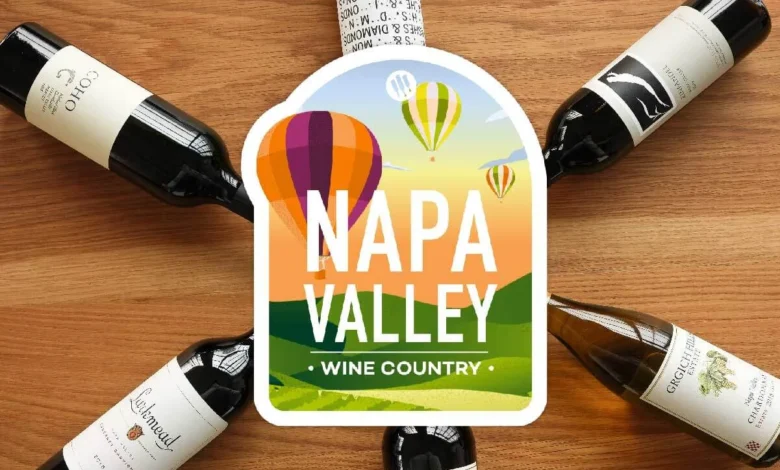
Napa Valley stands as one of the preeminent viticultural regions in the Western Hemisphere, anchoring Northern California’s reputation as a global powerhouse in premium winemaking. Characterized by its dramatic topography, Mediterranean climate, and deep alluvial soils, the region has spent decades cultivating a legacy of celebrated vintages and internationally recognized estates. For both connoisseurs and novices seeking to understand the mechanics behind world-class wine, structured education has traditionally relied heavily on textbooks, academic lectures, and memorization of geography and varietals. However, a modern pedagogical shift is redefining how wine enthusiasts acquire expertise, prioritizing sensory experience over passive reading through experiential learning models.
The launch of the Learn By Drinking: Napa Valley educational program offers a departure from traditional wine study by integrating theoretical instruction with direct, guided tastings. Developed by industry leaders, the curriculum is structured around the philosophy that the palate serves as the most effective teacher. By combining regional cartography, historical analysis, and comparative tastings of six distinct varietals, the course aims to bridge the gap between academic knowledge and sensory appreciation. As consumer interest in immersive culinary and beverage education continues to expand globally, programs that leverage experiential frameworks are becoming increasingly vital for participants seeking comprehensive industry literacy.
Chronology and Evolution of Napa Valley Winemaking
To fully comprehend the curriculum presented in the Napa Valley course, students must examine the chronological development of the region, which transitioned from a localized agricultural enterprise into a globally revered appellation. The historical timeline of Napa Valley viticulture reflects a trajectory of resilience, scientific innovation, and international recognition.
The foundation of modern Napa Valley winemaking was laid in the 19th century. In 1838, George C. Yount planted the region’s first commercial vineyard, recognizing the agricultural potential of the valley floor’s fertile soils and favorable microclimate. This initial planting was followed by pivotal milestones:
- 1861: Charles Krug established Napa Valley’s first commercial winery, setting a precedent for professionalized production and regional commerce.
- 1876: H.W. Crabb founded To Kalon Vineyard in Oakville, pioneering viticultural experimentation that would later define the region’s benchmark Cabernet Sauvignon production.
- 1920–1933: The implementation of Prohibition dealt a severe blow to the local economy, forcing many vineyards to uproot their vines or pivot to table grapes and sacramental wine, halting decades of momentum.
- 1976: The Paris Tasting, commonly known as the Judgment of Paris, served as a watershed moment for the region. Stag’s Leap Wine Cellars (for Cabernet Sauvignon) and Chateau Montelena (for Chardonnay) placed first in blind tastings against elite French counterparts, catapulting Napa Valley onto the global fine wine stage and validating American winemaking capabilities.
- 1981: Napa Valley achieved official recognition as America’s first designated Agricultural Preserve, protecting its agricultural land from urban sprawl, followed closely by its formal designation as an American Viticultural Area (AVA).
Understanding this historical framework is critical for students navigating the contemporary landscape, as current winemaking practices are deeply rooted in the agricultural policies and pioneering efforts of the past two centuries.
Curriculum Structure and Pedagogical Approach
The Learn By Drinking course is structured to provide an intensive, multi-sensory immersion into the mechanics of Napa Valley wine. Comprising approximately two hours of high-definition instructional video content, the curriculum is designed to dismantle intimidating wine jargon and replace it with actionable tasting strategies.

Rather than treating wine appreciation as an abstract academic exercise, the program centers on active sensory engagement. The instructional framework is divided into core modules that examine the trifecta of viticulture: climate, soil, and sunlight.
-
Climate and Microclimates: The course explores how Napa Valley’s unique Mediterranean climate—characterized by warm, dry summers and cool, wet winters—is influenced by the San Francisco Bay. Morning fog blankets the southern valleys, cooling vineyards and preserving acidity in white varietals like Chardonnay and Sauvignon Blanc, while the warmer northern reaches, such as Calistoga, provide the heat units necessary to fully ripen bold red grapes like Cabernet Sauvignon and Zinfandel.
-
Soil Composition: Students examine the complex geological tapestry of the region. Napa Valley contains over 100 soil variations, ranging from volcanic ash in the mountainous sub-appellations (such as Howell Mountain and Mount Veeder) to alluvial loam on the valley floor. The curriculum details how these distinct soil profiles impart minerality, structure, and concentration to the resulting wines.
-
Viticultural Techniques: The instructional series outlines modern farming practices, yield management, and sustainable agriculture, providing students with the context to evaluate how human intervention shapes the natural expression of the terroir.
The Six Core Varietals Under Evaluation
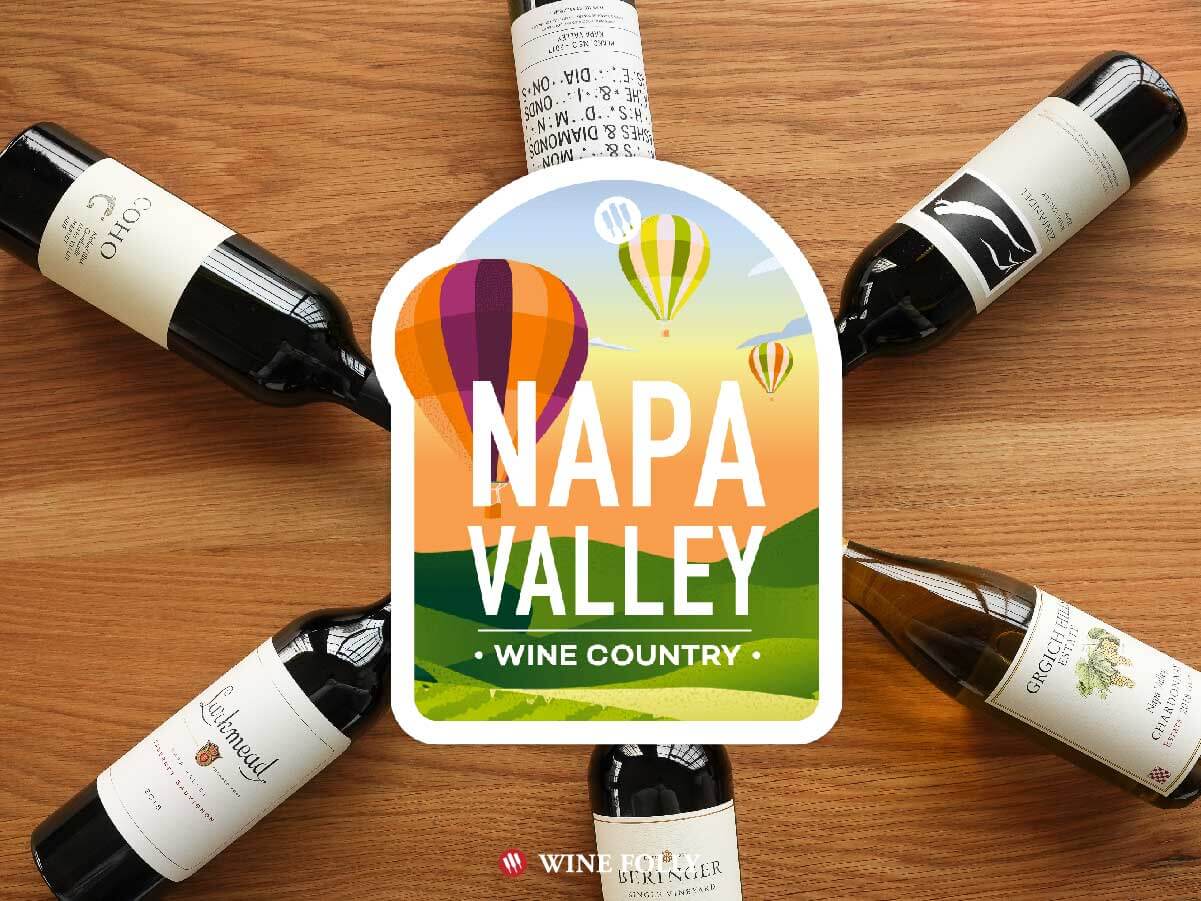
While the purchase price of the curriculum does not include the physical bottles, active participation requires students to source six specific regional styles. This curated selection represents the breadth and historical significance of Napa Valley’s agricultural output:
- Cabernet Sauvignon: As the undisputed king of Napa Valley, this varietal occupies the majority of the region’s premium vineyard acreage. Students evaluate structural elements such as tannin levels, oak integration, and flavor profiles characterized by blackberry, cassis, and structured minerality.
- Chardonnay: Showcasing the versatility of the valley’s cooler microclimates, the Chardonnay module explores the balance between malolactic fermentation, oak aging, and vibrant natural acidity, yielding profiles of green apple, citrus, and brioche.
- Merlot: Once overshadowed by Cabernet, Napa Merlot has experienced a renaissance. The curriculum highlights its plush mid-palate, softer tannins, and complex dark cherry and herbal notes.
- Zinfandel: Representing the historical heritage of California viticulture, old-vine Zinfandels offer a distinct study in high-alcohol balance, jammy fruit concentration, and spicy secondary characteristics.
- Sauvignon Blanc Blend: Emphasizing freshness and aromatic complexity, this module explores the region’s proficiency in producing crisp, vibrant white blends that balance tropical fruit notes with bracing acidity.
- A Signature Regional Blend or Reserve Style: This final tasting integrates the concepts learned throughout the course, challenging students to assess multi-varietal complexity and the art of blending.
Leadership and Expert Guidance
Instructional integrity is a cornerstone of the program, led by Madeline Puckette, an internationally recognized figure in the wine community. Puckette’s background provides a rigorous foundation for the curriculum’s educational standards. As a recipient of the International Wine and Spirit Competition’s prestigious "Wine Communicator of the Year" award, a James Beard Award-winning author, and a veteran sommelier with over a decade of hands-on experience in the trade, Puckette brings both technical authority and pedagogical accessibility to the screen.
Throughout the video series, Puckette demystifies professional tasting techniques, teaching participants how to systematically assess a wine’s appearance, aromatic profile, palate structure, and overall quality. By breaking down complex sensory data into manageable steps, the instruction enables participants to develop a reliable vocabulary and analytical framework for future wine evaluations.
Market Implications and the Future of Wine Education
The introduction of immersive, digital-first educational formats like the Learn By Drinking course reflects broader shifts in consumer behavior within the global beverage industry. As e-commerce platforms expand accessibility to fine wines, consumer demand for reliable, unpretentious, yet authoritative education has risen correspondingly.
Industry analysts note that traditional wine education has often suffered from high barriers to entry, characterized by rigid certification paths that can intimidate casual enthusiasts. Programs that successfully merge digital media with experiential tasting components democratize wine knowledge, fostering a more informed consumer base. This shift not only benefits individual learners seeking to refine their palates but also supports regional agricultural economies by driving targeted consumer interest toward specific appellations like Napa Valley.
Furthermore, the integration of regional guides—such as the accompanying Napa Valley region guide—with dynamic video instruction establishes a replicable model for modern culinary education. By linking cartographical data directly to sensory perception, students develop a holistic understanding of how environmental factors manifest in the glass.
Conclusion and Availability
The Learn By Drinking: Napa Valley course represents a comprehensive synthesis of history, geography, and sensory science. By leveraging expert instruction, targeted comparative tastings, and a focus on the fundamental pillars of terroir, the program offers a robust educational pathway for anyone seeking to master the nuances of California’s most famous wine region.
The course is currently available for purchase through authorized online retail platforms, offering participants immediate access to the instructional video series and supplementary regional resources. As global interest in agritourism and fine wine continues to mature, structured educational initiatives of this caliber ensure that the legacy of Napa Valley remains accessible, understandable, and deeply appreciated by a new generation of wine enthusiasts.