Taste Argentina: Learn By Drinking Course Offers an Immersive Exploration of South America’s Premier Winemaking Regions

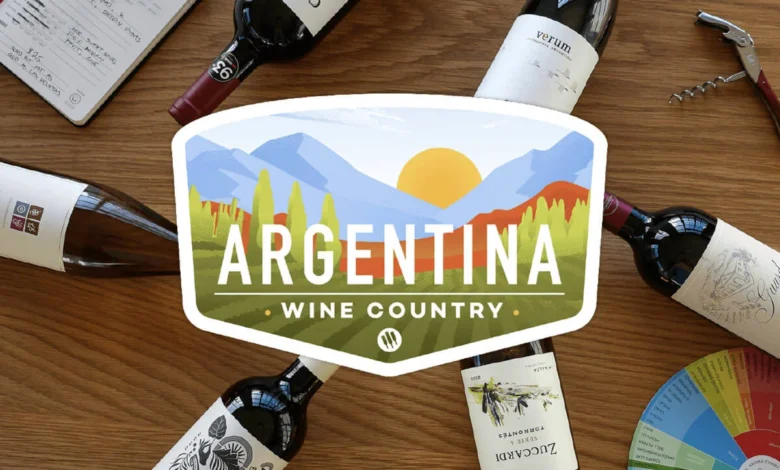
The global wine education landscape continues to evolve beyond traditional textbook learning and into experiential formats that engage multiple senses. Wine Folly, a globally recognized authority in wine education, has officially launched its latest interactive educational offering, titled Learn By Drinking: Argentina. This comprehensive digital course is designed to bridge the gap between theoretical knowledge and sensory appreciation, guiding enthusiasts and connoisseurs alike through the diverse, high-altitude terroirs of South America’s largest wine-producing nation. By pairing expert-led video instruction with a curated tasting flight, the program aims to demystify the complex geography, climate, and viticultural history that define Argentine winemaking today.
Background Context and the Rise of Argentine Wine
To understand the significance of this educational initiative, one must examine the rapid ascent of Argentina on the global wine stage. While the country’s winemaking roots date back to the mid-16th century—when Spanish missionaries and conquistadors first planted vines in the Andean foothills—the modern commercial wine industry experienced a massive renaissance in the late 20th and early 21st centuries.
Historically, Argentine wine was consumed domestically, characterized by high-volume, lower-quality production geared toward everyday local consumption. However, a pivotal shift occurred in the 1990s and 2000s, driven by significant foreign investment, modern agricultural technology, and a concerted pivot toward export-quality varietals. Producers realized that Argentina’s unique topography—featuring some of the highest-elevation vineyards in the world, dramatic diurnal temperature shifts, and rain-shadow deserts fed by Andean snowmelt—provided an ideal ecosystem for producing intensely flavored, structurally sound wines.
Malbec emerged as the undisputed flagship varietal, capturing the imaginations and palates of wine lovers worldwide. Yet, as the Argentine wine industry matured, winemakers began exploring cooler-climate regions, Atlantic influences, and high-altitude microclimates in provinces stretching from Salta in the north to Patagonia in the south. Today, Argentina produces a diverse array of exceptional wines that extend far beyond Malbec, creating a pressing need for structured consumer education that reflects this broader geographical diversity.
Structure and Methodology of the Course
The Learn By Drinking: Argentina curriculum is meticulously structured to explore six essential wine varieties that represent the breadth of the country’s landscape. Rather than relying solely on abstract tasting notes, the course posits that the human sense of taste is one of the most evocative and powerful tools for gaining a sense of place and retaining complex geographical data.

When participants utilize the course materials in tandem with official regional guides, they engage in a multidimensional tasting experience. This methodology directly connects environmental factors—such as altitude, soil composition, solar radiation, and wind patterns—to the structural and aromatic profiles found in the glass.
While the purchase price of the course does not include the physical bottles, the platform has established strategic partnerships to streamline the acquisition process. For residents in the United States, Wine Folly has collaborated with national online retailer Wine Access to offer a bundled package containing the exact six regional wines featured in the curriculum. This logistical integration ensures that students can seamlessly replicate the structured tastings demonstrated in the instructional modules.
Expert Leadership and Curriculum Highlights
Guiding students through this sensory journey is Madeline Puckette, a globally renowned figure in the wine industry. Puckette is a recipient of the prestigious International Wine and Spirit Commission’s “Wine Communicator of the Year” award, a James Beard Award-winning author, and a veteran sommelier with more than a decade of hands-on experience in the trade.
Throughout the course modules, Puckette breaks down sophisticated tasting strategies, sensory evaluation techniques, and critical assessment criteria into digestible, actionable lessons. Her instructional approach emphasizes demystification, encouraging students to trust their palates while learning the formal vocabulary necessary to describe acidity, tannin structure, alcohol levels, and aromatic complexity.
Industry analysts note that programs led by recognized authorities like Puckette carry substantial weight in the modern digital education market. Consumers increasingly seek out credentialed, trusted voices to guide their discretionary spending and educational pursuits, particularly in categories as vast and nuanced as international wine.
Chronology of Development and Educational Rollout
The launch of the Argentina-focused program represents a logical continuation of Wine Folly’s broader strategic roadmap aimed at expanding digital, experiential learning modules for global consumers.

- Early Development Phase: Wine Folly’s editorial and educational teams conduct extensive research into the viticultural zones of Argentina, mapping out climatic zones from the extreme altitudes of Cafayate in Salta to the windswept steppes of Río Negro and Neuquén in Patagonia.
- Curriculum Design and Media Production: Development of video modules, tasting scripts, and visual mapping resources, spearheaded by Madeline Puckette and technical wine educators.
- Logistical Partnerships: Finalization of the partnership with Wine Access to facilitate compliant interstate shipping of the specific six-bottle tasting flight for U.S.-based consumers.
- Official Public Launch: The digital course goes live on the official Wine Folly retail platform, accompanied by coordinated digital marketing campaigns and regional guide integrations.
Economic and Market Implications
The introduction of specialized, region-specific tasting courses reflects broader shifts in consumer behavior within the food and beverage sector. In the wake of global travel restrictions and supply chain adjustments experienced over recent years, consumers have increasingly turned to at-home educational experiences that simulate global exploration without requiring physical travel.
Market researchers point out that virtual experiential learning serves as a powerful economic driver for lesser-known regional wine styles. While Malbec remains a household name, varieties such as Torrontés—Argentina’s signature aromatic white grape—and high-altitude Cabernet Franc or cool-climate Chardonnay often require targeted consumer education to build market share. By structuring a curriculum around a diverse flight of six wines, educational platforms provide emerging and boutique producers with vital exposure to engaged international consumers.
Furthermore, partnerships between digital media brands and direct-to-consumer e-commerce retailers illustrate a growing trend toward frictionless purchasing. By minimizing the friction between learning about a product and acquiring it, such initiatives generate mutual benefits for educational content providers, e-commerce fulfillment networks, and the broader agricultural economies of wine-producing nations.
Broader Impact on Wine Culture
As wine appreciation becomes increasingly democratized through digital platforms, traditional barriers to entry—such as intimidating terminology, expensive formal certification programs, and limited access to rare international bottles—are gradually being dismantled. Courses like Learn By Drinking: Argentina signal a shift toward accessible, sensory-driven pedagogy that prioritizes personal engagement over rote memorization.
Industry observers suggest that this pedagogical model will likely influence future educational offerings across the beverage sector. By grounding geography, history, and climatology in a tangible tasting experience, educators can foster a deeper, more lasting appreciation for agricultural traditions that span continents.
For Argentina’s wine sector, which continues to seek international expansion and recognition for its terroir-driven diversity, the timing of this comprehensive educational launch aligns with steady global demand for premium, authentic agricultural products. As more consumers learn to connect the altitude of the Andes and the warmth of the Cuyo sun directly to the characteristics in their glass, the global footprint of Argentine viticulture is poised for continued, sustainable growth.