The Ultimate Guide to Making Creamy Vegan Ramen at Home with Sweet Potato and Peanut Butter

The culinary landscape of plant-based cooking has experienced a significant transformation over the past decade, shifting away from restrictive meat-substitute formulas toward whole-food innovations that rival traditional comfort foods in depth, texture, and flavor. Among the most recent breakthroughs in home-kitchen gastronomy is the development of rich, velvety vegan ramen broths that achieve their luxurious consistency without the use of dairy, soy milk, heavy creams, or traditional bone-reduction methods. Culinary innovator and recipe developer Alejandra Graf has introduced a breakthrough method utilizing roasted sweet potatoes and unsweetened peanut butter, creating a silk-textured broth that redefines plant-based Japanese-inspired noodle dishes for home cooks globally.
This culinary innovation addresses a long-standing challenge in vegan Japanese cuisine: replicating the mouthfeel and umami depth of tonkotsu-style broths, which traditionally rely on hours of boiling pork bones. While many modern vegan ramen recipes depend on coconut milk, soy derivatives, or specialized tahini-miso blends—which can sometimes overwhelm the delicate balance of aromatics—Graf’s approach relies on the natural starches of roasted sweet potato and the lipid richness of pure peanut butter. The resulting dish offers a harmonious interplay between the earthy depth of mushrooms, the sharp tang of fresh ginger and garlic, the natural sweetness of root vegetables, and a concentrated seasoning tare.
The Genesis of Creamy Plant-Based Ramen and the Evolution of Broth Technology
Historically, traditional Japanese ramen is categorized primarily by its tare (seasoning base) and dashi (broth), spanning variations such as shoyu (soy sauce), shio (salt), miso, and tonkotsu (pork bone). As global dietary preferences shift increasingly toward plant-based alternatives, culinary professionals and home cooks alike have sought ways to capture the signature opacity and richness of tonkotsu broths without animal products.
Early iterations of vegan creamy ramen frequently utilized cashew creams or excessive quantities of sesame paste. While effective, these ingredients often introduced a heavy, overly rich profile that masked the subtler notes of ginger, garlic, and scallions. The introduction of roasted sweet potato as a thickening agent represents a sophisticated evolution in vegetable-forward cooking. When roasted, sweet potatoes undergo caramelization, breaking down complex carbohydrates into natural sugars that provide both body and a subtle, balancing sweetness. Combined with natural, unsweetened peanut butter—which introduces healthy fats, plant proteins, and a roasted-nut undertone—the broth achieves a silky emulsion when blended.
Culinary Analysis: Why the Ingredients Matter in Home Ramen Preparation
Crafting an exceptional bowl of homemade ramen requires a careful balance of distinct structural components: the broth, the noodles, the tare, and the toppings. Each element plays a precise role in the sensory experience of the dish.

The Broth Foundation
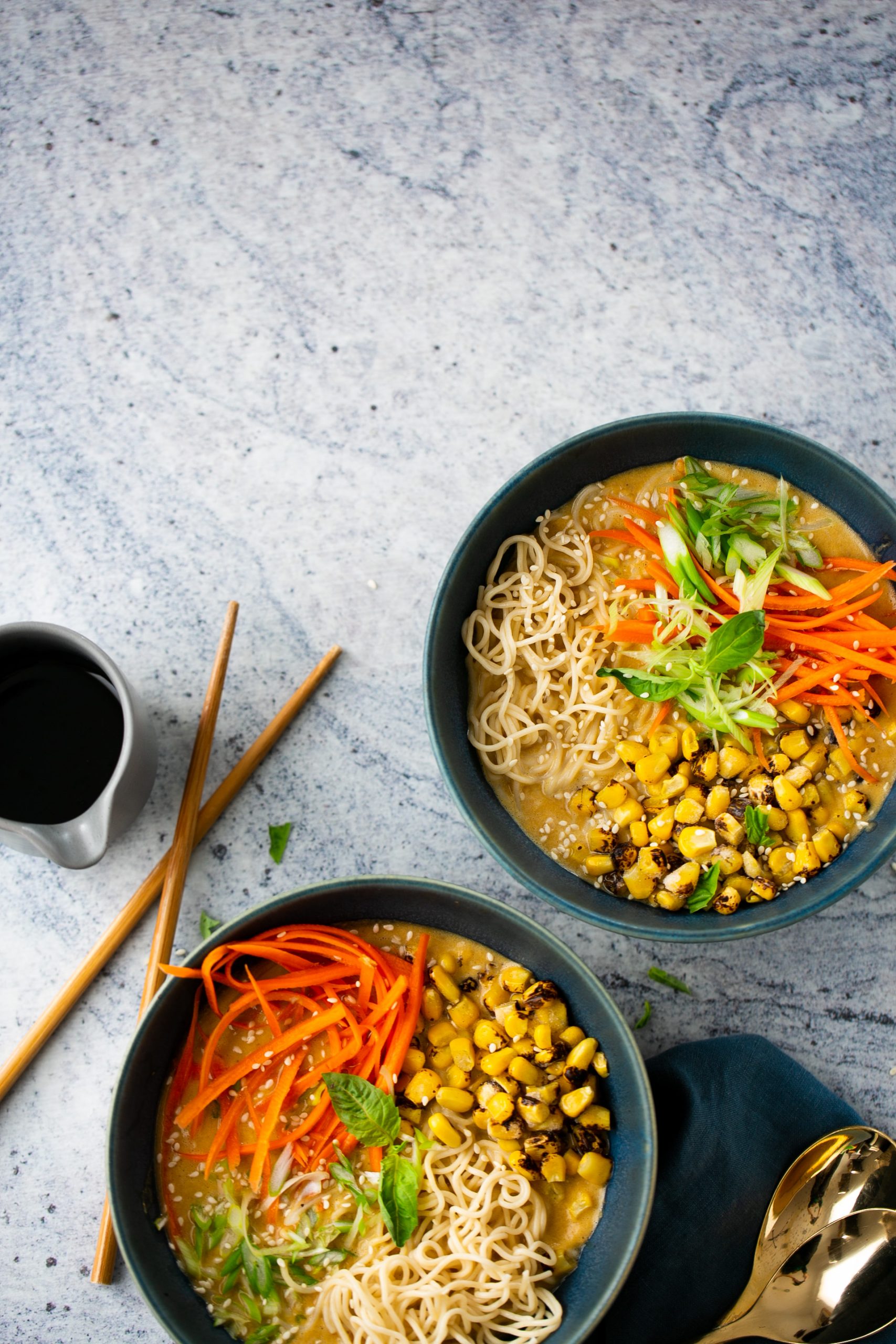
The foundation of Graf’s recipe begins with accessible, whole-food ingredients: mushrooms (traditionally prized for their umami-rich glutamates), yellow onion, fresh garlic, and ginger. When sautéed and simmered alongside roasted sweet potato and peanut butter, these components form a complex aromatic base. Unlike processed vegan broths that rely on heavy sodium additives, this method leverages natural umami boosters found in fungi and root vegetables. Nutritional data indicates that a standard serving of this broth provides significant dietary fiber, potassium, and vitamin A, deriving primarily from the sweet potato base while maintaining a remarkably low saturated fat profile compared to dairy or pork-based broths.
The Selection of Noodles
Noodle selection dictates the structural integrity of the dish. While traditional wheat-based ramen noodles are widely available, health-conscious consumers and those with gluten sensitivities increasingly turn to alternative grains. Brands specializing in millet and brown rice noodles, such as Lotus Foods, offer structural durability that prevents the noodles from breaking down too quickly in a rich, dense broth. Alternatively, vegetable-based options like zucchini noodles offer a lighter, lower-carbohydrate profile for diners seeking a less dense meal.

The Tare: Concentrated Flavor Balance
In professional ramen preparation, the tare is a concentrated seasoning sauce added directly to the individual serving bowl rather than the main stockpot. This technique allows diners to customize the salinity and acidity of their meal. In this recipe, a four-ingredient tare provides the necessary contrast to the rich, sweet undertones of the peanut and sweet potato broth, introducing sharp savory and acidic notes that elevate the dish.
Strategic Toppings for Textural Contrast
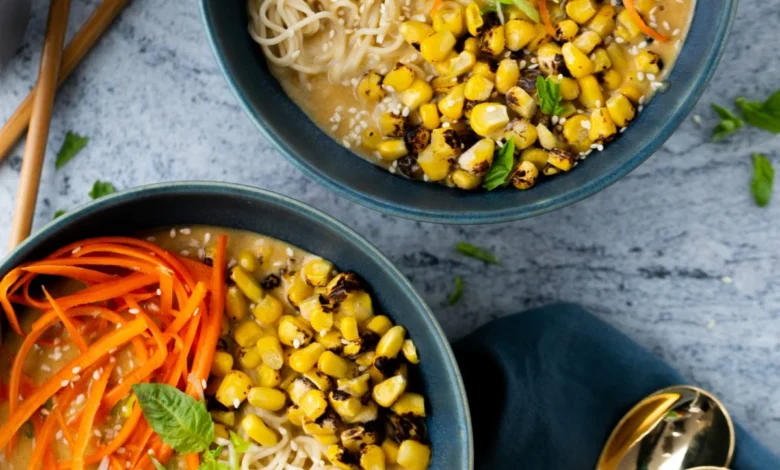
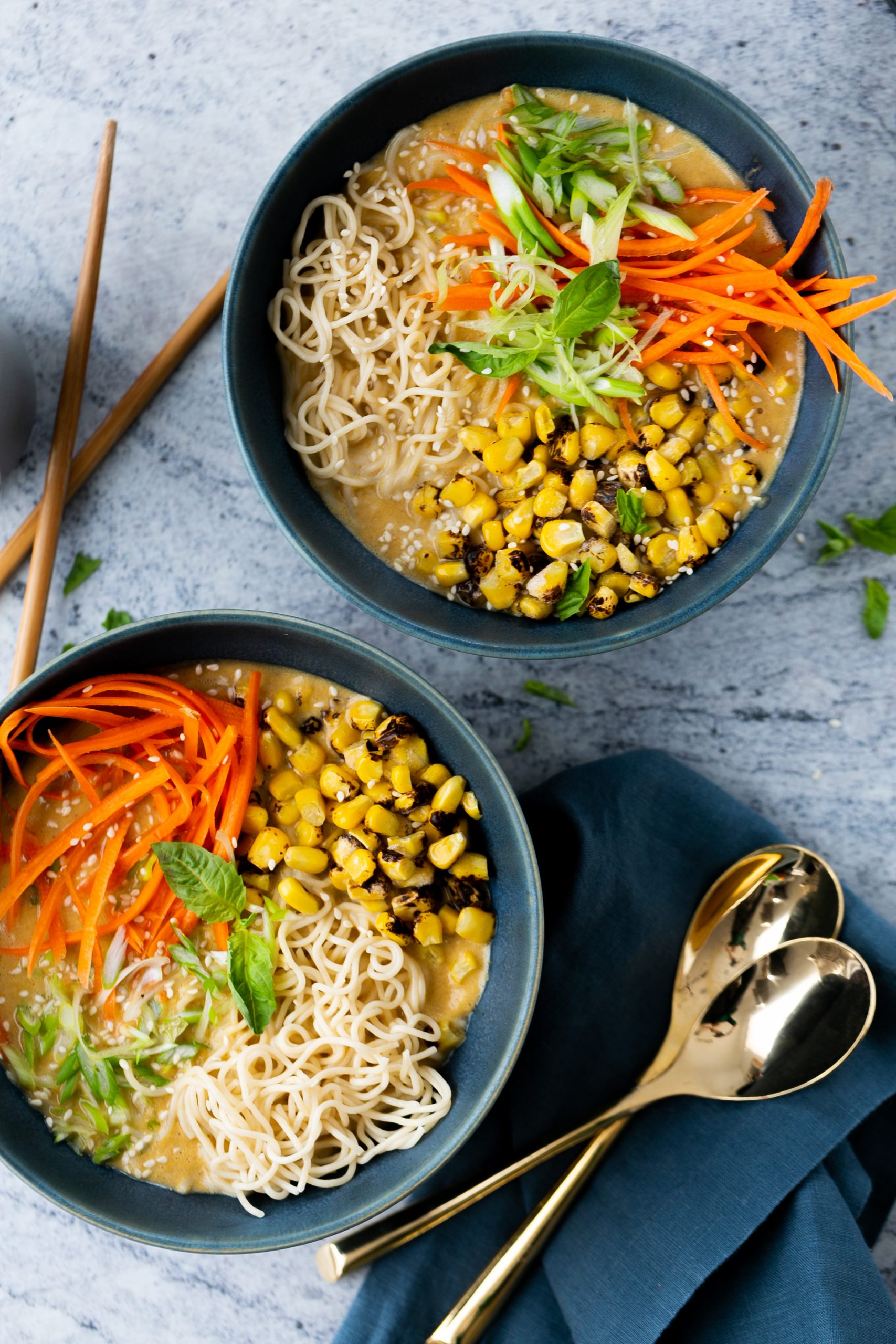
Because a sweet potato and peanut broth possesses inherent density and richness, culinary experts recommend topping the bowl with crisp, fresh, and raw elements. Standard recommendations include finely shredded raw carrots, charred or roasted corn, freshly sliced scallions, and an assortment of fresh herbs. These toppings cut through the richness of the soup, providing a vital textural crunch and a burst of vibrant color that balances the visual and palate experience.

Preparation Chronology and Kitchen Efficiency
Designed for efficiency, the recipe streamlines the traditional multi-day process of ramen-making into a manageable 40-minute window, evenly split between active preparation and cooking time.
Timeline of Preparation:
- Minutes 0–10: Preparation and roasting of the sweet potato, alongside chopping foundational aromatics including onions, garlic, ginger, and mushrooms.
- Minutes 10–25: Sautéing the aromatics in a stockpot, followed by the incorporation of the roasted sweet potato, vegetable broth, and peanut butter. The mixture is then blended until completely smooth and emulsified.
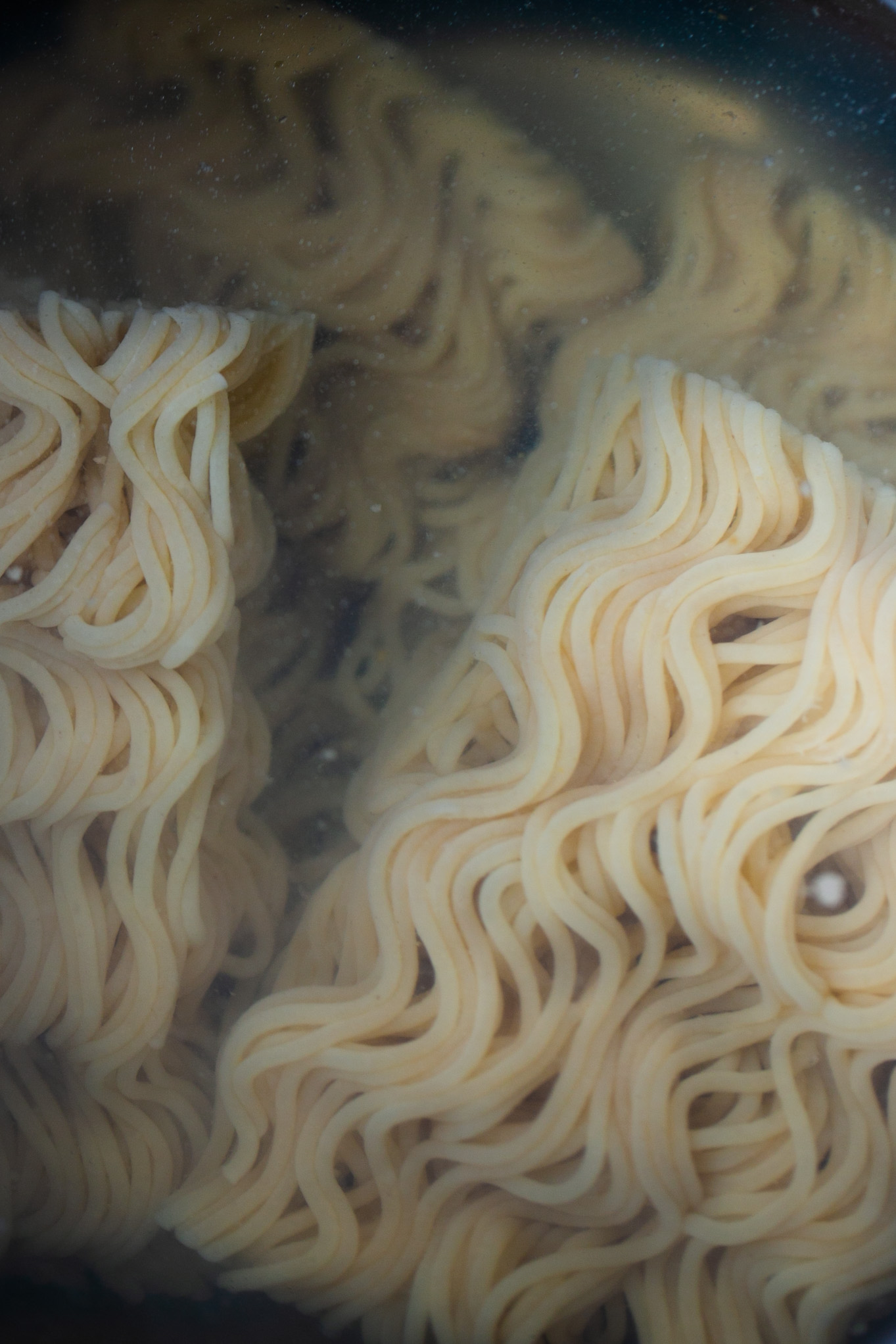
- Minutes 25–35: Boiling the chosen ramen noodles separately to maintain optimal al dente texture, while preparing the four-ingredient tare and chopping fresh vegetable toppings.
- Minutes 35–40: Assembling the bowls by combining the hot broth, cooked noodles, targeted tare seasoning, and fresh garnishes.
Nutritional and Dietary Implications

From a nutritional standpoint, this homemade vegan ramen challenges the assumption that comforting, creamy noodle dishes must be calorically dense or devoid of micronutrients. Independent nutritional estimates place a single serving at approximately 229 kilocalories, containing roughly 47 grams of carbohydrates, 7 grams of protein, and only 1 gram of fat. Furthermore, the inclusion of sweet potatoes ensures a high intake of Vitamin A (providing upwards of 8,800 International Units per serving), alongside meaningful amounts of dietary fiber, iron, and potassium.
For families and individuals managing dietary restrictions, the recipe’s adaptability is a major asset. By substituting standard wheat noodles with certified gluten-free alternatives made from rice, millet, or buckwheat (soba), the dish accommodates celiac diets without sacrificing authenticity. Additionally, the base broth can be prepared in large batches, stored safely in refrigeration for up to one week, or frozen for extended periods, making it an efficient option for meal-prep enthusiasts.

Industry Impact and the Rise of Global Plant-Based Fusion
The popularity of recipes like Alejandra Graf’s creamy peanut-sweet potato ramen reflects a broader trend within contemporary food media and home cooking: the democratization of complex international dishes. Historically, authentic Japanese ramen was viewed by Western home cooks as an intimidating restaurant-only experience due to the perceived complexity of stock reduction and proprietary seasoning methods.

By deconstructing the ramen bowl into accessible, plant-based pillars—utilizing modern kitchen appliances like high-speed blenders to achieve traditional textures—home cooks can experiment with bold flavor profiles safely within their own kitchens. Food historians and culinary analysts note that this shift toward accessible global fusion cooking encourages sustainable dietary habits, as consumers discover that plant-based ingredients can successfully emulate the richness and psychological satisfaction of animal-based comfort foods. As digital recipe platforms continue to share these localized innovations globally, traditional culinary boundaries continue to blur, paving the way for further culinary experimentation rooted in nutrition, accessibility, and flavor depth.
Related posts: