Mastering the Art of Japanese Dashi Sauce: A 10-Minute Culinary Guide to Authentic Ankake Glaze

The modern culinary landscape is witnessing a significant resurgence in home-cooked Asian comfort foods, driven by consumer demand for restaurant-quality dishes that can be prepared within minutes on a busy weeknight. Among the foundational elements gaining traction in home kitchens is dashi sauce, traditionally known as dashi ankake. This versatile, glossy Japanese glaze—combining rich dashi broth, soy sauce, mirin, and sake—has transitioned from high-end ryokan and sushi bars into everyday households, offering a swift pathway to elevated weeknight cooking.
Understanding the Culinary Anatomy of Ankake Sauce
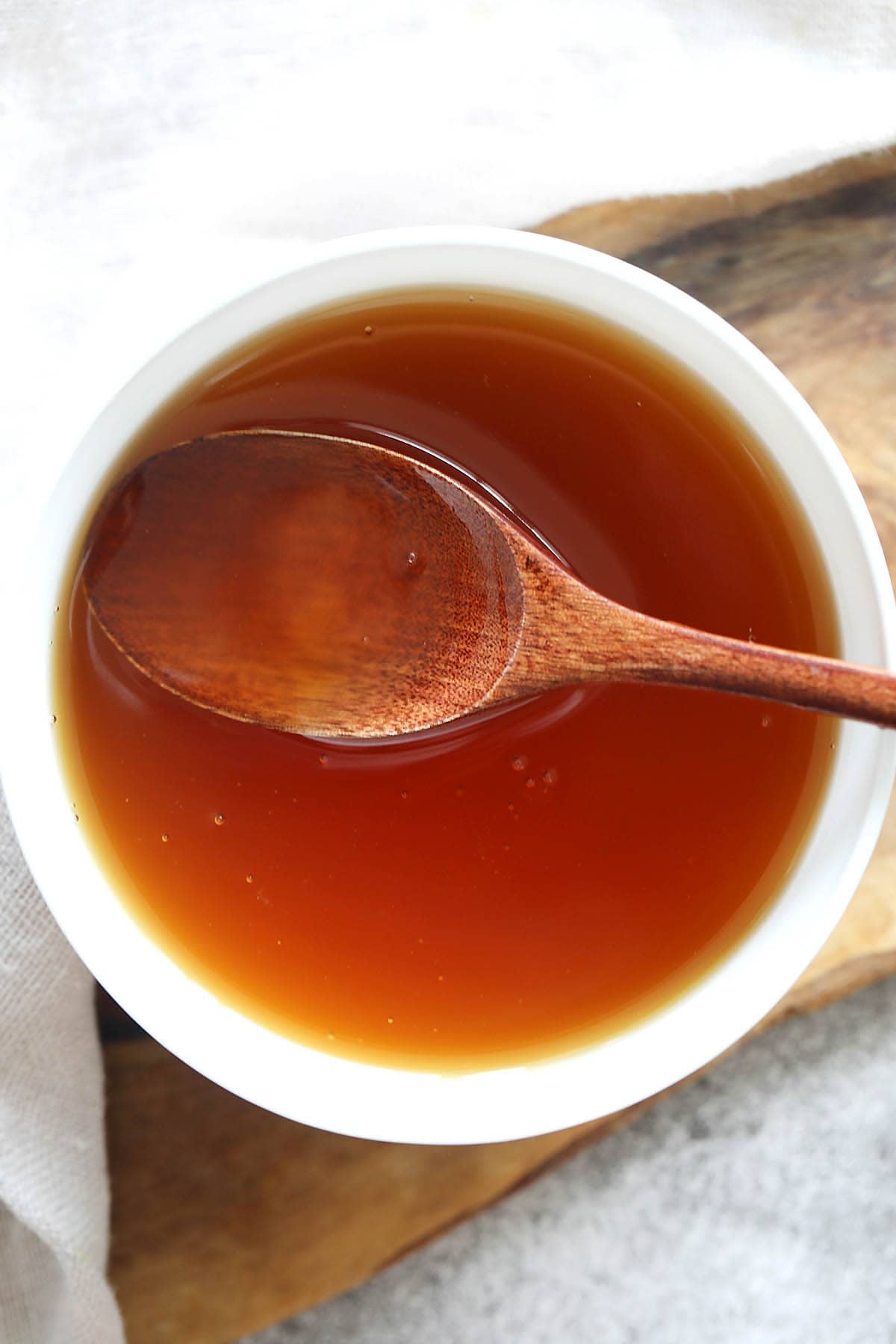
To appreciate the mechanics of a proper dashi ankake, one must examine its physical and chemical properties in comparison to standard broths and dipping liquids. While a traditional dashi broth serves as a thin, highly aromatic foundation for miso soups and noodle bowls, and tempura sauce (tentsuyu) functions primarily as a lightweight dipping medium, ankake sauce is defined by its distinct viscosity.
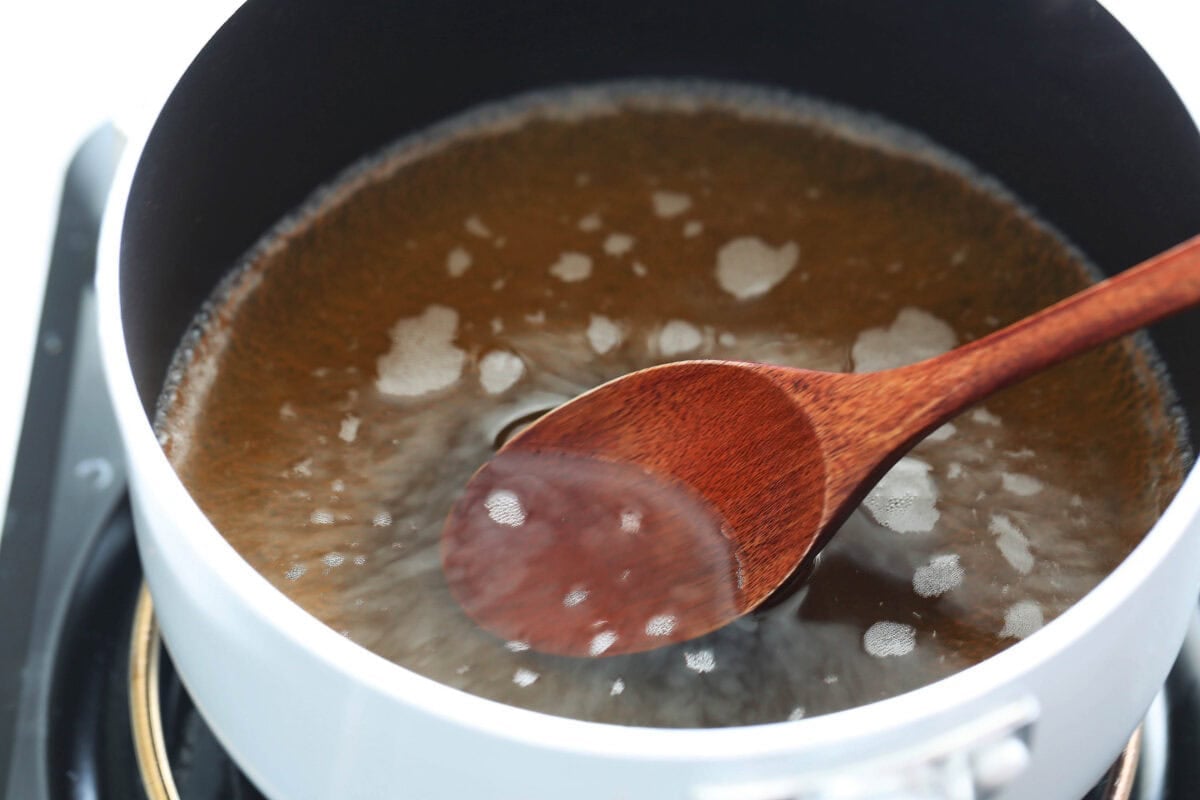
By introducing a precise starch slurry—traditionally potato starch, or katakuriko—into a simmering seasoned dashi base, the liquid transforms into a velvety, translucent glaze. This texture is not accidental; it is engineered to cling to the surfaces of delicate proteins and vegetables, ensuring that every bite carries the concentrated umami of the broth without pooling unattractively at the bottom of the dish.
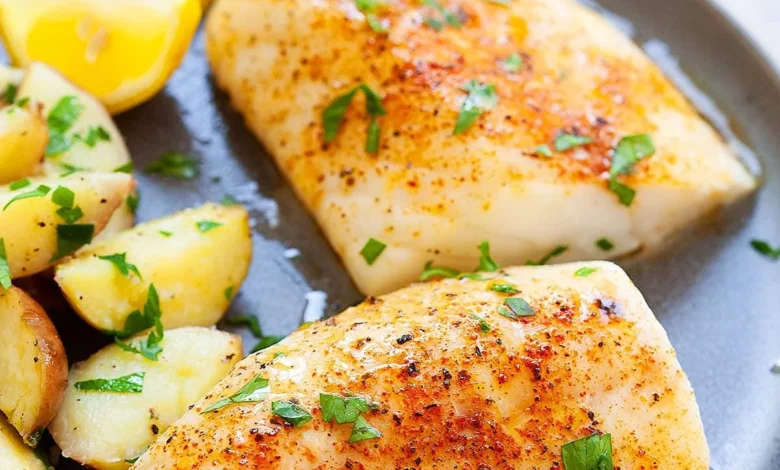
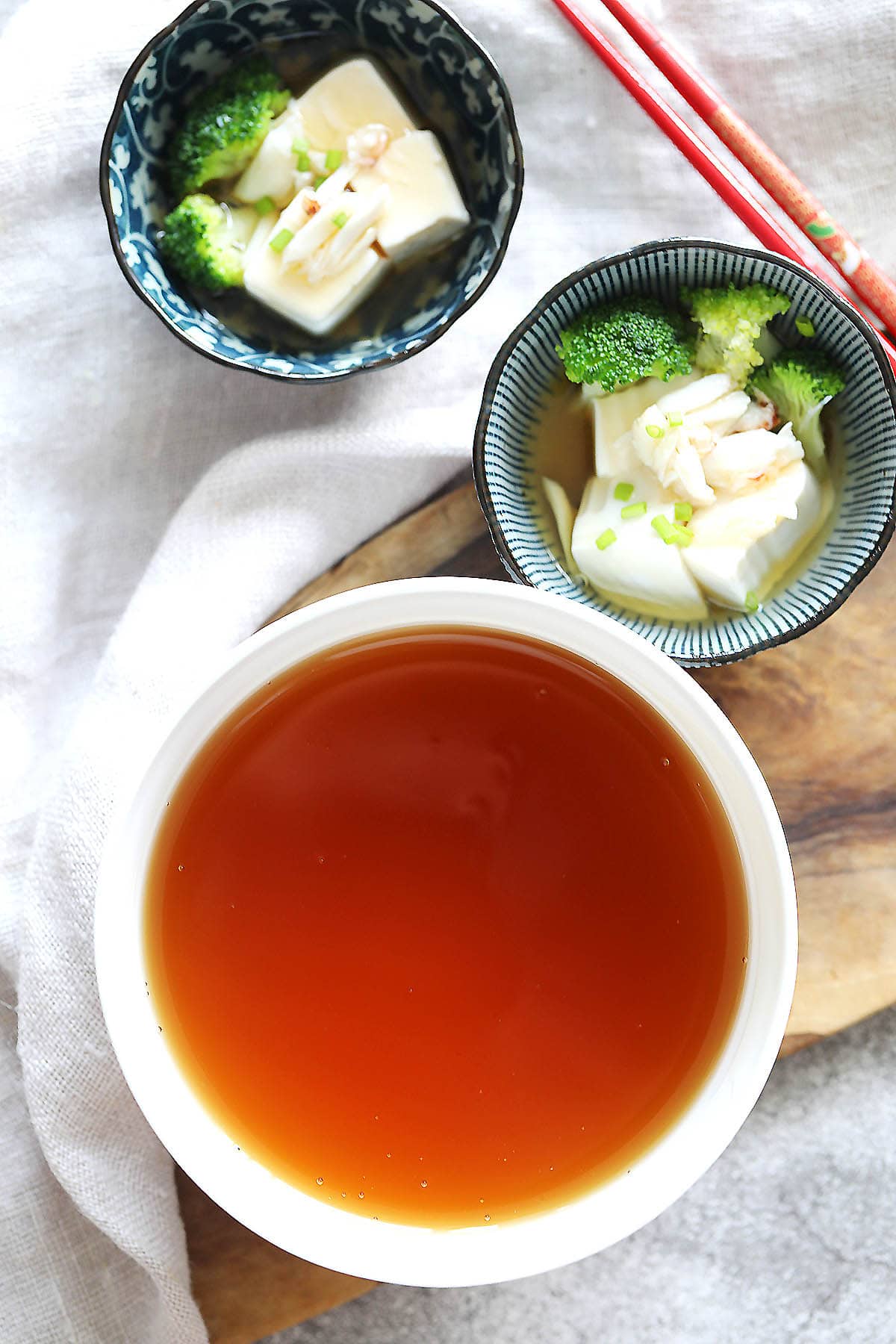
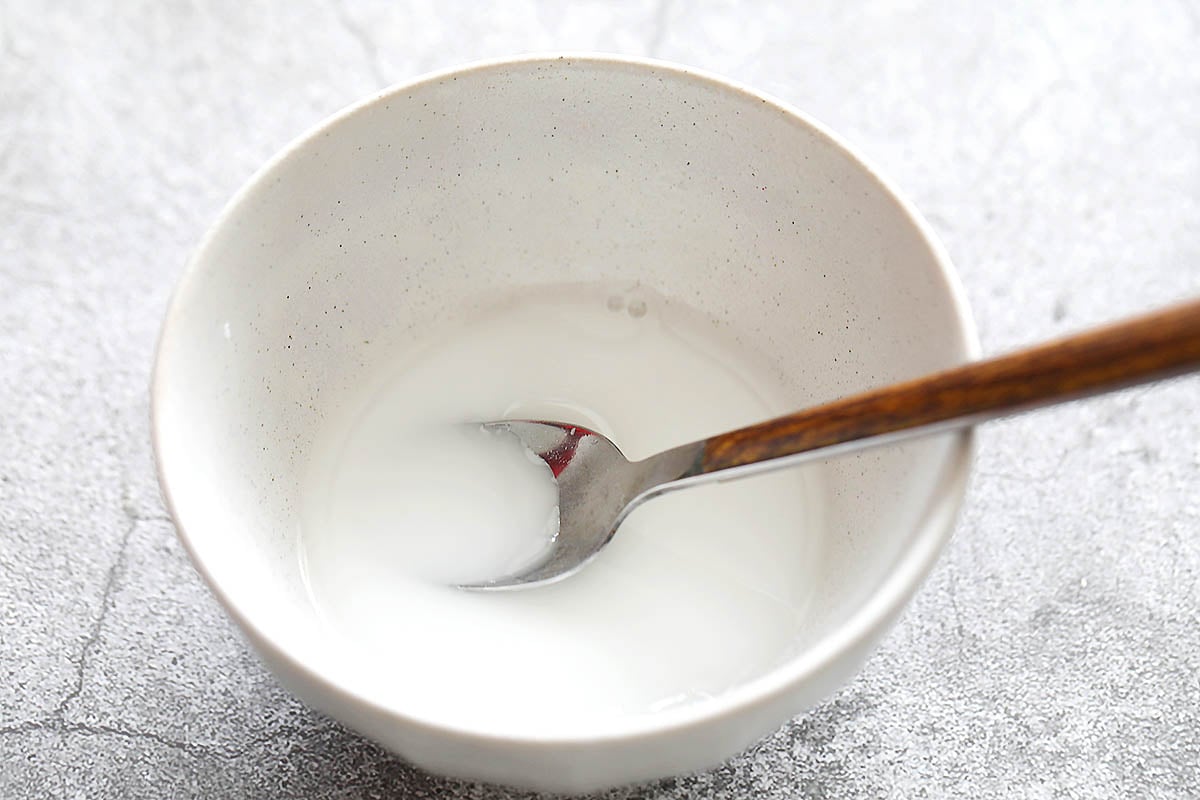
The flavor profile relies heavily on a triad of classic Japanese fermentation and brewing staples: dashi for deep, smoky umami; mirin for a subtle, syrupy sweetness and brilliant sheen; and sake for cutting through the sodium profile of the soy sauce while adding a rounded, fermented complexity. Culinary experts note that the balance of these ingredients creates a savory depth that can enhance everything from chilled or warm silken tofu (ankake tofu) to steamed broccoli, pan-seared chicken breast, and delicate white fish like cod.
Chronology and Step-by-Step Execution of a 10-Minute Glaze
For home cooks seeking to replicate traditional Japanese techniques without specialized culinary training, the preparation of dashi sauce follows a strict, time-tested chronological sequence designed to maximize clarity and mouthfeel.
Preparation and Slurry Formation (Minutes 1–3)
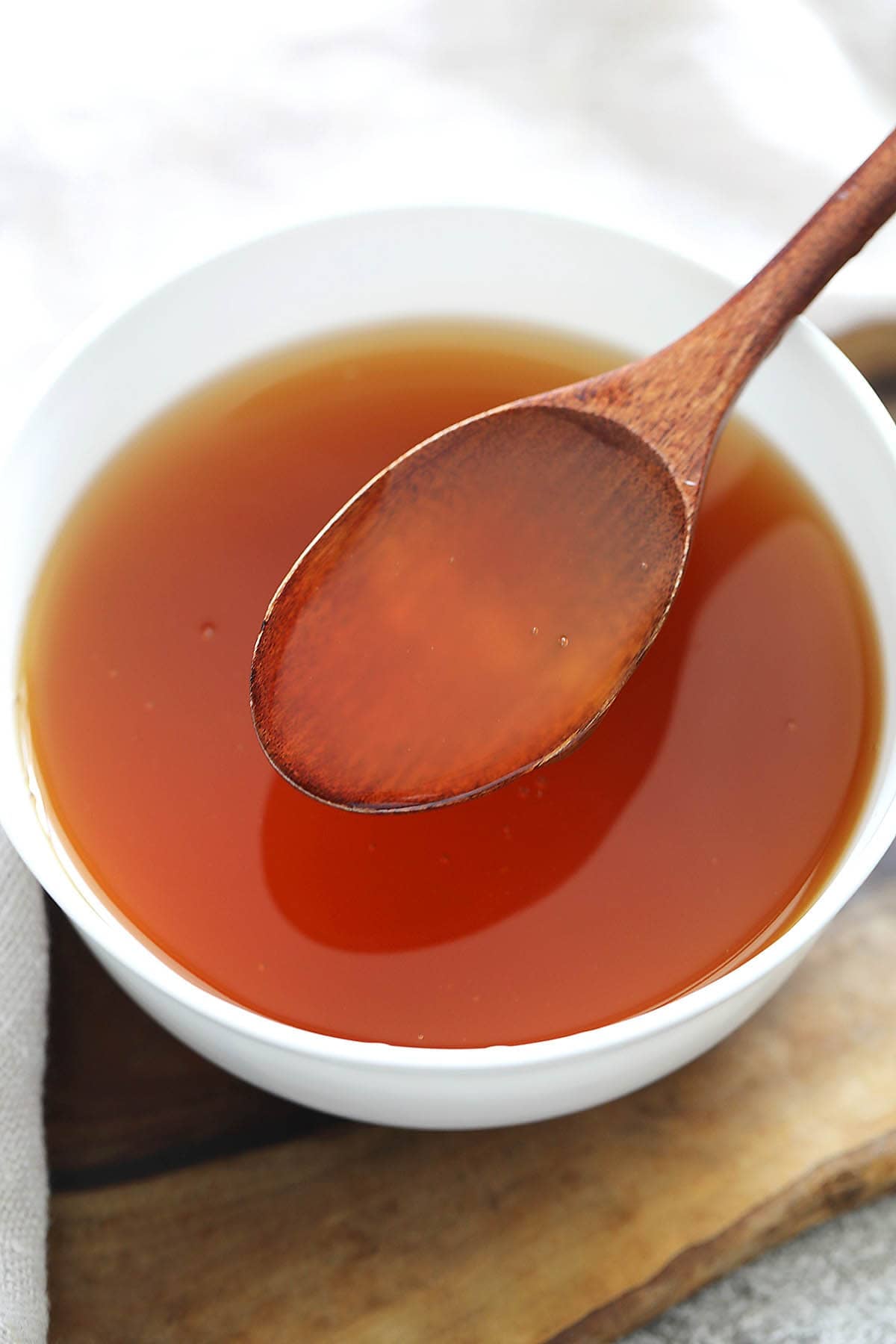
The process begins with the creation of the thickening agent. Potato starch is combined with cold water in a small vessel and whisked thoroughly until completely dissolved. Culinary technicians emphasize the importance of using cold water; introducing starch to warm or hot water causes premature gelling, resulting in stubborn lumps that ruin the texture of the finished sauce.
Simmering and Flavor Integration (Minutes 4–6)
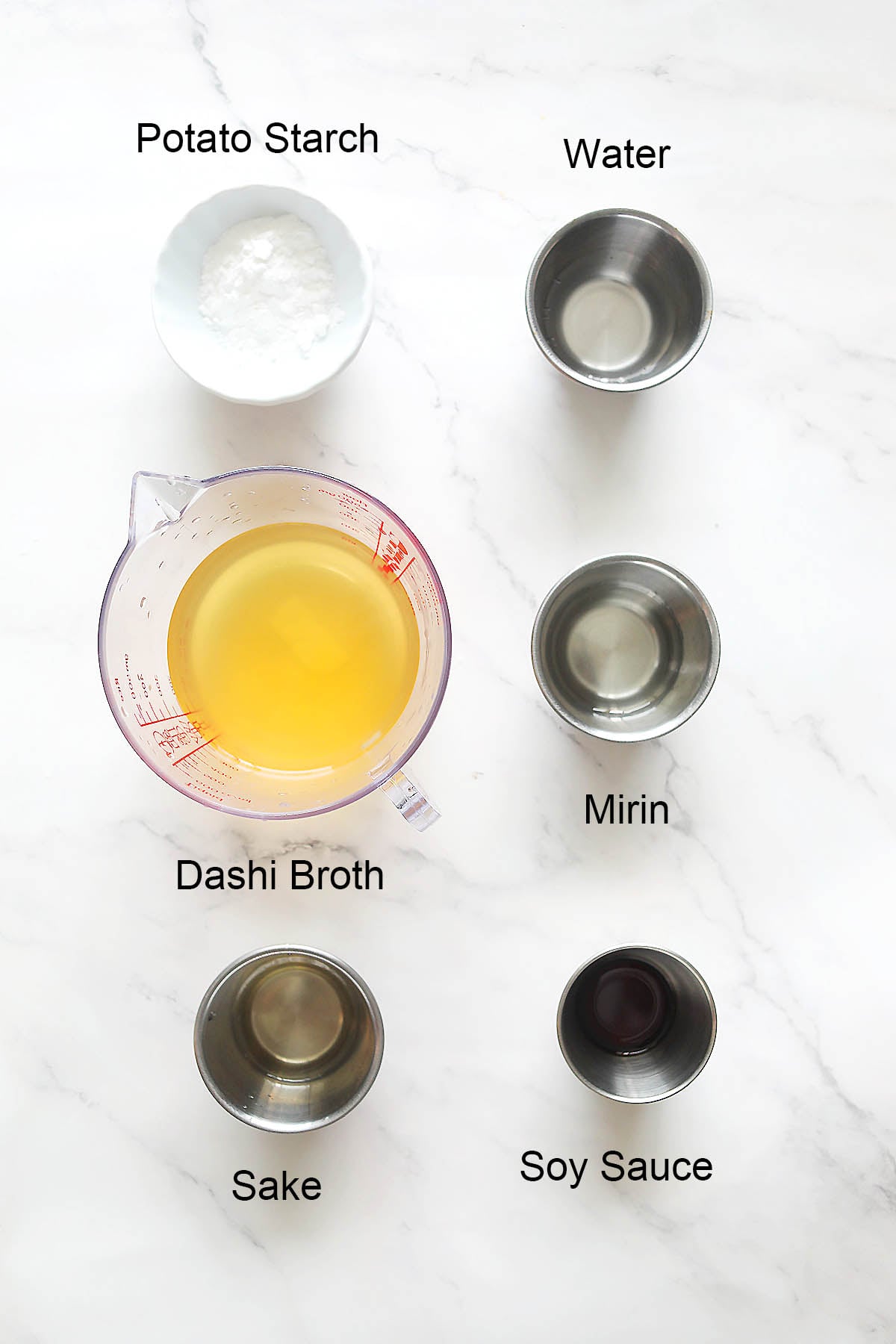
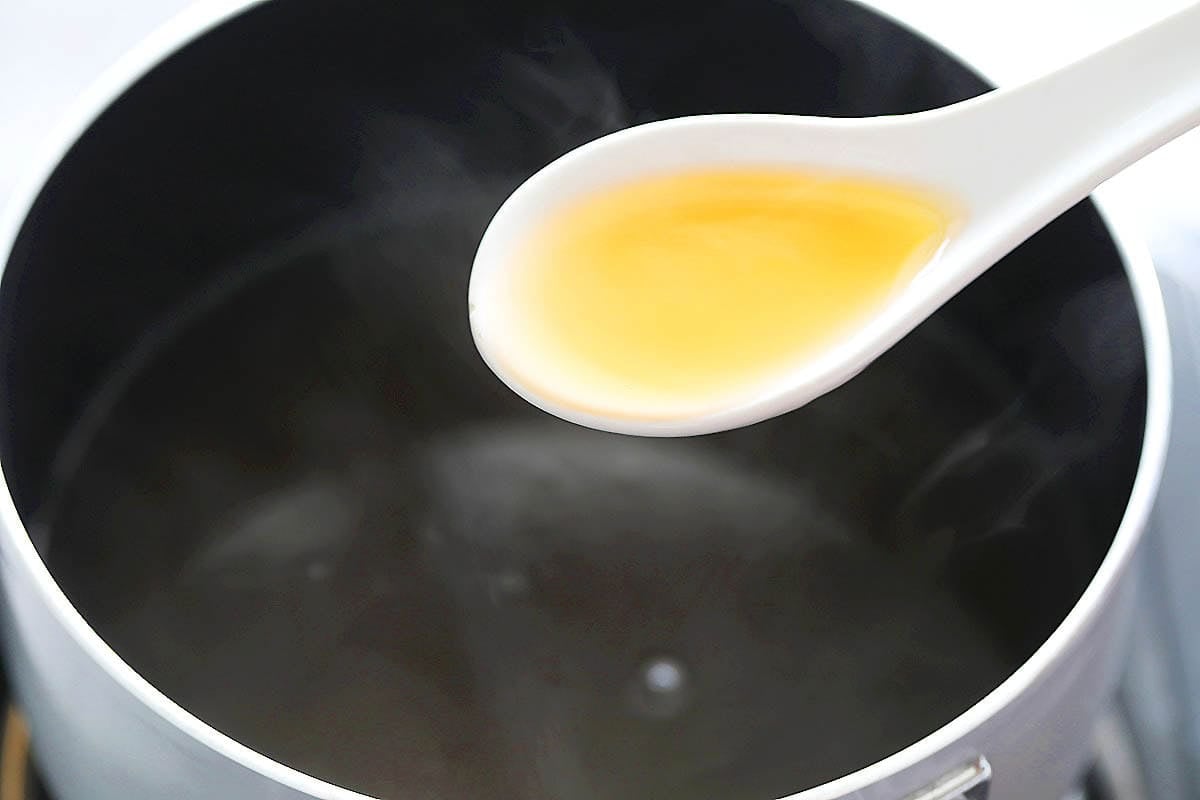
In a medium saucepan, the primary liquid components—homemade or instant dashi broth, cooking sake, mirin, and regular soy sauce—are brought to a gentle boil over medium heat. As the mixture reaches temperature, impurities and proteins from the dashi rise to the surface as foam. Professional kitchens mandate skimming this foam using a fine-mesh skimmer or spoon, a crucial step that ensures the final glaze achieves a crystal-clear, mirror-like finish rather than a cloudy appearance.
Thickening and Activation (Minutes 7–8)
Once the base is cleared of surface impurities, the starch slurry is given a final re-stir to combat natural settling. The slurry is then slowly streamed into the boiling broth under constant, vigorous stirring. The starch gelatinizes almost instantly upon contact with the boiling liquid, thickening the mixture into a glossy glaze within 20 to 30 seconds of gentle simmering. Over-simmering at this stage can break down the starch chains, causing the sauce to thin out and lose its structural integrity.
Refining and Serving (Minutes 9–10)
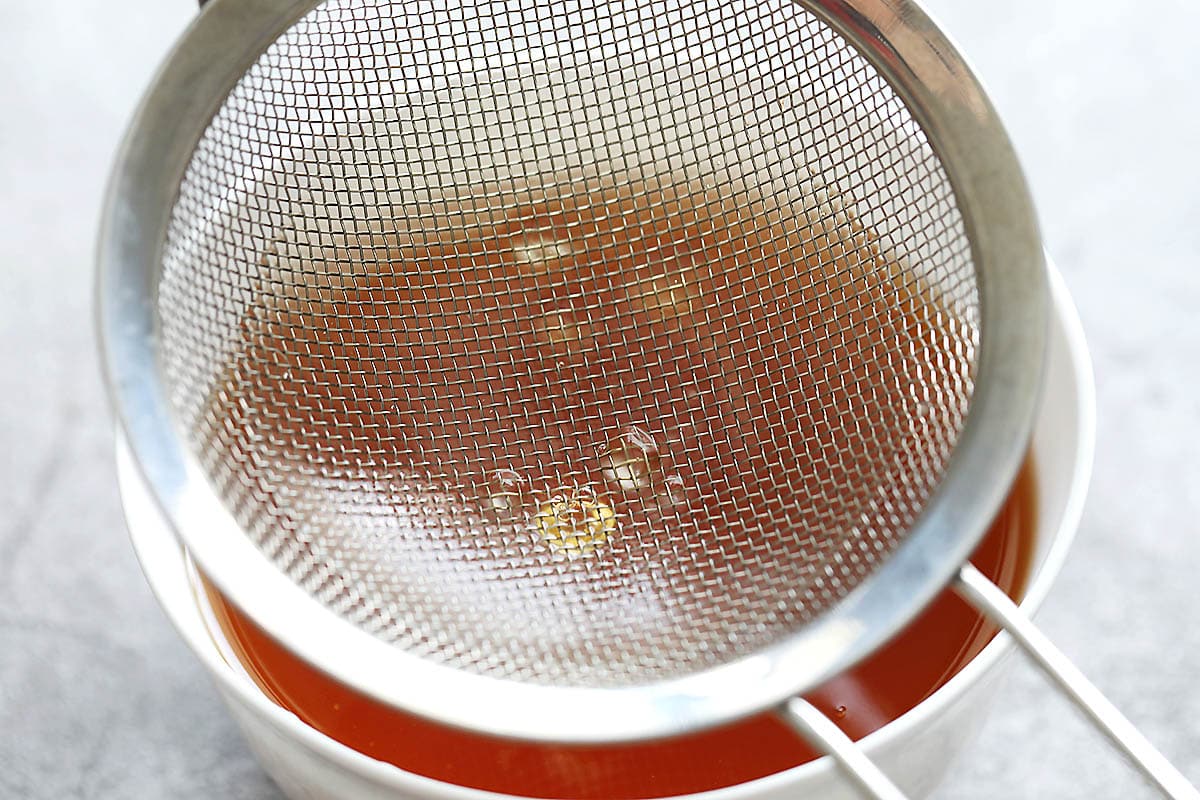
To guarantee absolute smoothness, the hot sauce is passed through a fine-mesh sieve into a heatproof vessel, catching any residual micro-lumps. The resulting ankake sauce is immediately ready to be drizzled over dishes such as Japanese steamed egg custard (chawanmushi), braised daikon, or blanched greens.
Ingredient Selection: The Foundation of Authentic Flavor
Achieving professional results with dashi sauce requires careful attention to ingredient sourcing. Food science analysts point out that substitutions can dramatically alter the chemical composition and visual appeal of the final product.
The Starch Component
Potato starch remains the gold standard for Japanese glazes due to its ability to yield a high-gloss, crystal-clear sheen that maintains its viscosity under heat. While cornstarch serves as an acceptable alternative, it imparts a slightly more matte finish. Flours and tapioca starches are strongly discouraged, as they introduce cloudiness and a gummy texture.
The Broth Base
The core flavor of the sauce depends entirely on the quality of the dashi. Traditional preparations utilize a foundation of kombu (kelp) and katsuobushi (bonito flakes). For home cooks operating on compressed timelines, high-grade instant dashi granules (hondashi) dissolved in hot water provide an efficient and reliable substitute. Western stock alternatives, such as chicken or vegetable bouillon, are structurally incompatible; their heavy profiles overwhelm the subtle, oceanic umami characteristic of Japanese cuisine.
Fermented Accents: Sake and Mirin
Cooking sake functions as a flavor softener, muting the harsh edges of the sodium content as it reduces. True hon-mirin—distinguished from cheaper "mirin-style seasonings" that rely heavily on high-fructose corn syrup—provides authentic depth, aroma, and the necessary sugars to create a brilliant surface sheen on plated foods. Regular brewed soy sauce supplies the primary color and salt balance, though tamari can be utilized as a direct substitute for gluten-sensitive diets.
Troubleshooting Common Culinary Issues
Home cooks frequently encounter technical hurdles when working with starch-thickened sauces. Understanding the underlying causes helps prevent culinary failures:
- Sauce Thinning Over Time: If a sauce breaks down and becomes watery after sitting, it is typically the result of over-cooking the starch after it has reached its thickening point, or introducing salivary amylase via a tasting spoon into the main batch, which breaks down the starch molecules.
- Consistency Adjustments: If the finished glaze is excessively thick, whisking in warm dashi one tablespoon at a time will restore the proper flow. Conversely, a thin sauce can be corrected by swirling in a fresh, thoroughly mixed slurry of potato starch and cold water.
- Storage Limitations: While the sauce can be stored in an airtight container in refrigeration for up to three days, freezing is strictly discouraged. The freezing and thawing process causes starch-thickened liquids to separate, resulting in an unrecoverable, watery separation.
Nutritional Profile and Dietary Implications
From a nutritional standpoint, a standard recipe yielding approximately one and one-quarter cups (300 milliliters) of dashi sauce provides a calorie-conscious addition to meals, registering roughly 179 kilocalories for the entire batch. The macronutrient breakdown reflects a low-fat profile (approximately 2 grams of total fat, with minimal saturated fats), moderate carbohydrates (25 grams, primarily derived from mirin and starches), and roughly 9 grams of protein.
However, nutritionists and dietary analysts highlight the significant sodium content inherent in soy- and dashi-based reductions, which averages around 3,053 milligrams for the total recipe yield. Because the sauce is designed to be used as a finishing glaze or condiment drizzled in modest portions over unseasoned proteins and vegetables—rather than consumed in bulk—the actual sodium intake per individual serving remains manageable within a balanced diet.
Broader Economic and Gastronomic Impact
The rising popularity of foundational Japanese recipes like dashi ankake reflects a broader shift in consumer behavior toward scratch-cooking accelerated by digital media and global recipe accessibility. Culinary economists observe that home cooks are increasingly investing in authentic pantry staples—such as bottles of hon-mirin, quality soy sauces, and authentic dashi packets—as part of a long-term strategy to replicate restaurant-quality dining experiences at a fraction of the cost.
By mastering quick, high-yield foundational sauces, home chefs can elevate inexpensive, everyday ingredients—such as blocks of tofu, root vegetables, and frozen seafood—into sophisticated meals. As culinary platforms continue to demystify traditional techniques, preparations that once required rigorous apprenticeship in commercial kitchens are becoming standard competencies for the modern home cook, bridging the gap between professional gastronomy and domestic preparation.