Kimchi Fried Rice: A Culinary Cornerstone of Korean Home Cooking


Kimchi fried rice, known in Korean as Kimchi Bokkeumbap, stands as a testament to the resourcefulness and vibrant flavors inherent in Korean homestyle cuisine. This beloved dish transforms humble ingredients – primarily fermented kimchi and day-old rice – into a deeply satisfying and remarkably swift meal. Unlike its Chinese counterparts, where soy sauce often dictates the seasoning profile, Kimchi Bokkeumbap relies on the intrinsic tang and umami of aged kimchi, amplified by the subtle heat of gochujang and the aromatic richness of sesame oil. This one-pan wonder offers a compelling solution for weeknight dinners, a testament to its culinary efficiency and delicious simplicity.
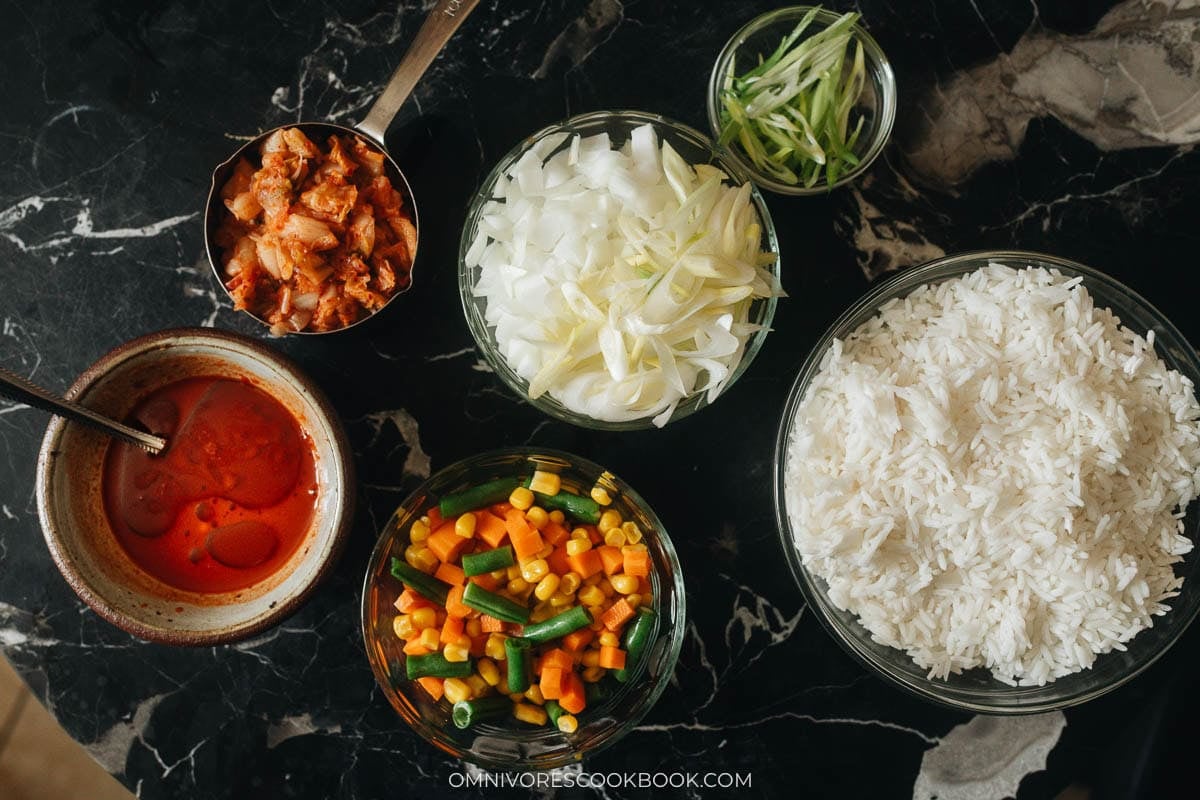
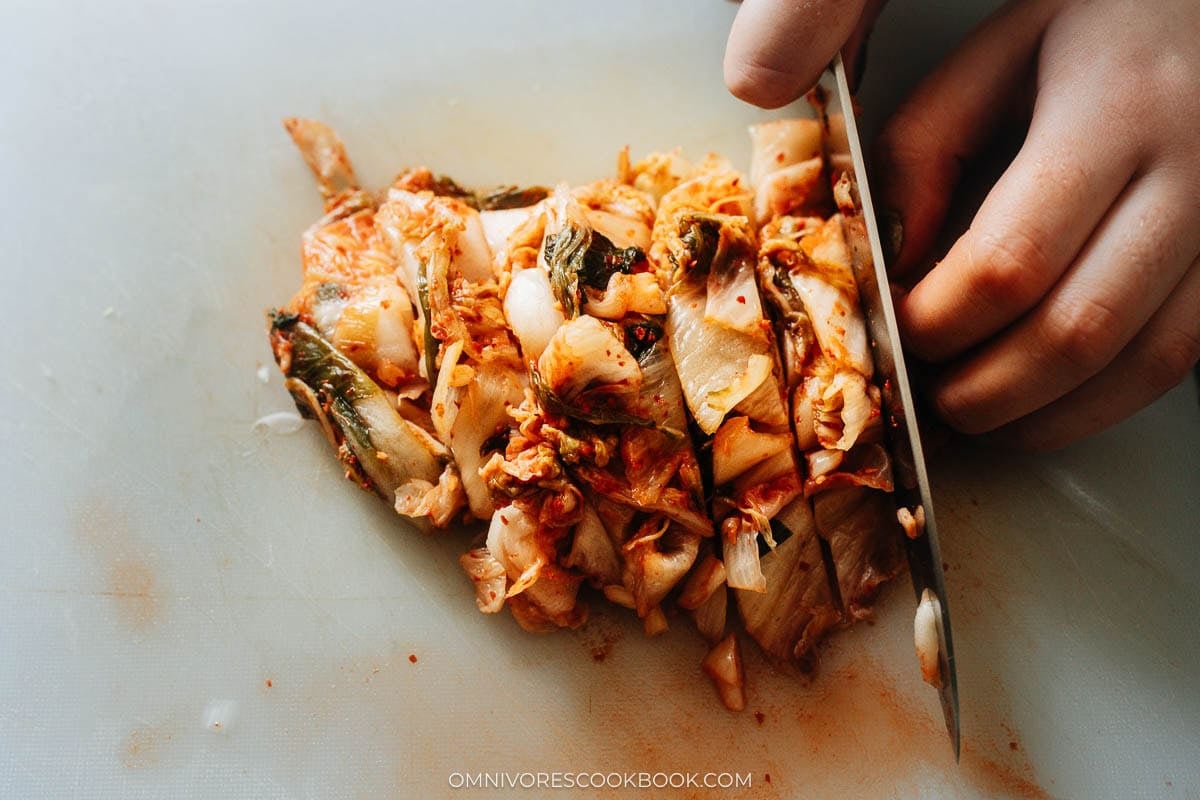
The cornerstone of exceptional Kimchi Bokkeumbap is, undeniably, the kimchi itself. The recipe emphasizes the use of well-fermented napa cabbage kimchi, ideally one that has been open and aging in the refrigerator for at least two to three weeks. This extended fermentation process is crucial, as it cultivates a pronounced sourness and a complex, funky depth of flavor that is indispensable for the dish. Freshly made kimchi, while a healthy and delicious accompaniment to many Korean meals, lacks the necessary tang to truly shine in a fried rice context. The sourness and the inherent probiotics within fermented kimchi are not only flavor enhancers but also contribute to the dish’s reputation for promoting gut health, aligning with a growing global interest in functional foods.
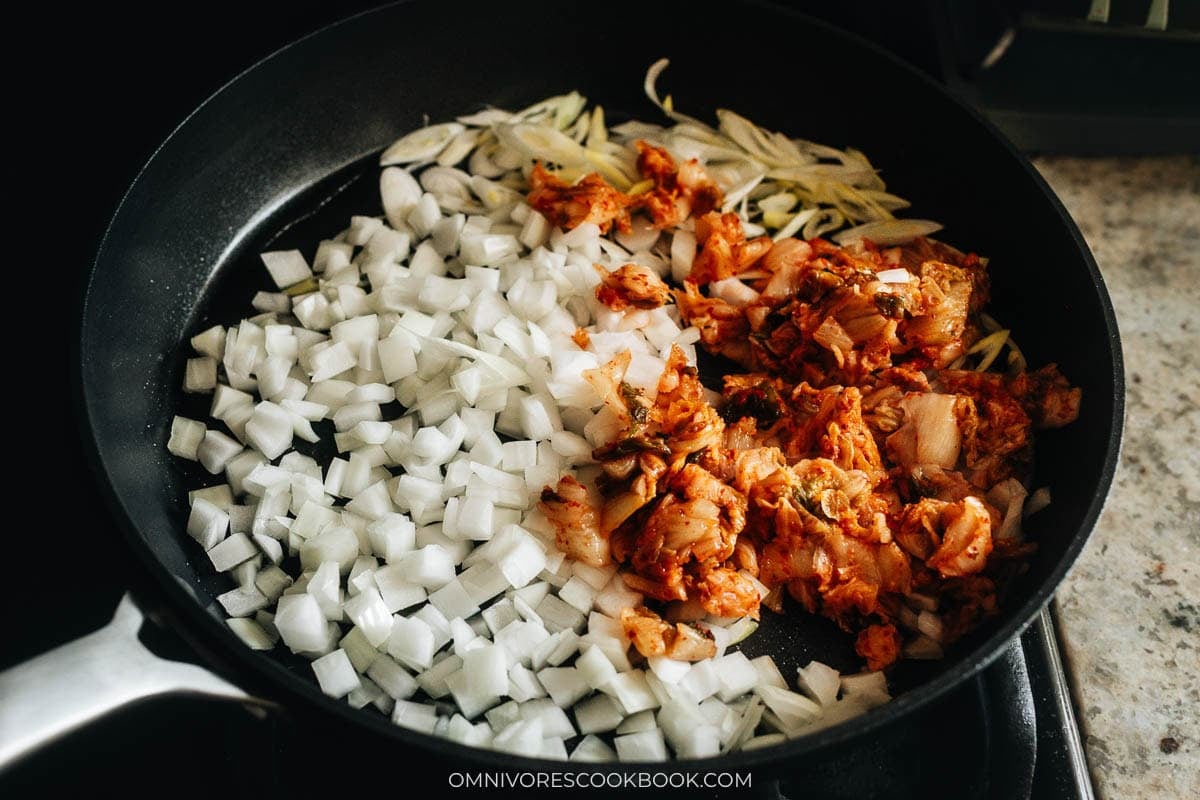
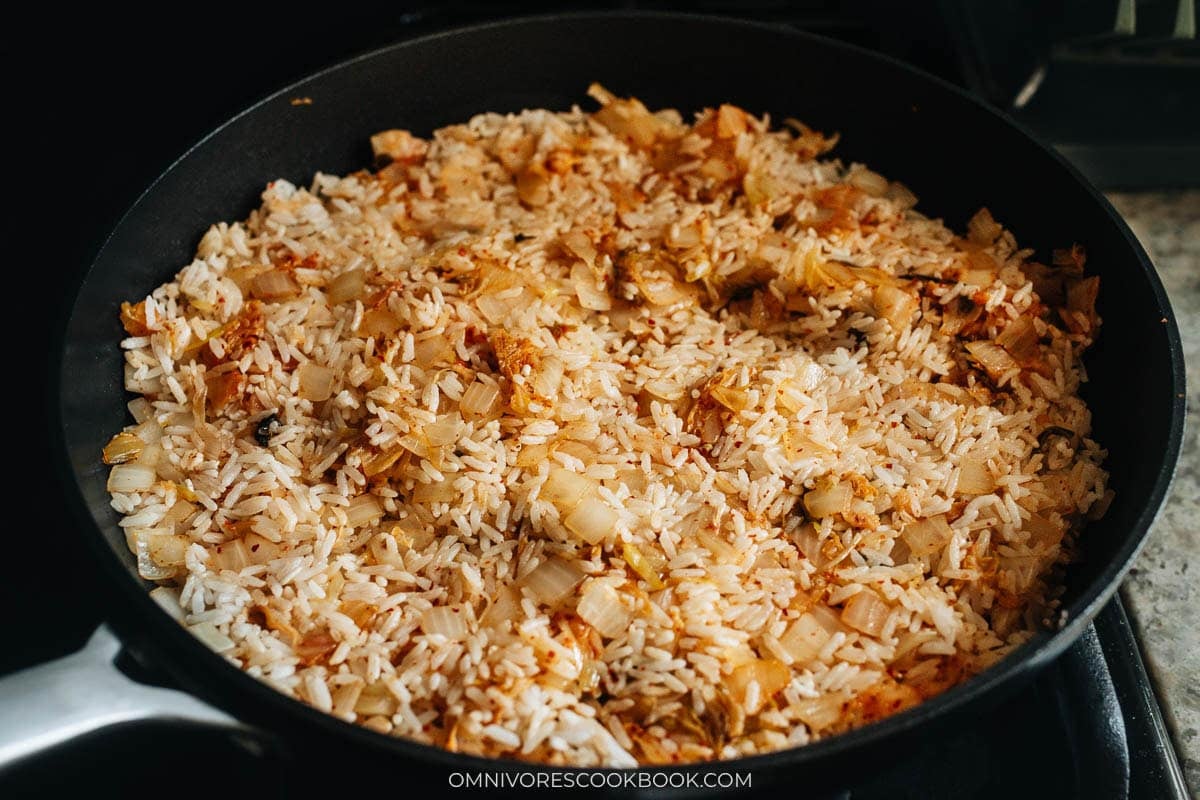
The preparation of Kimchi Bokkeumbap is a masterclass in efficient one-pan cooking, typically completed within a mere 15 minutes. The process begins with sautéing chopped kimchi and aromatics, such as diced yellow onion and the white parts of green onions, in a hot skillet with a touch of oil. This initial step awakens the kimchi’s fragrance and begins to soften the onions. Subsequently, cold, day-old rice is introduced, a critical element for achieving the desired texture. Freshly cooked rice tends to be too moist and sticky, leading to a clumpy, less appealing fried rice. To circumvent this, chefs often recommend air-drying freshly cooked rice or briefly freezing it to firm up the grains. The rice is then toasted in the pan, allowing it to develop a slight crispness.
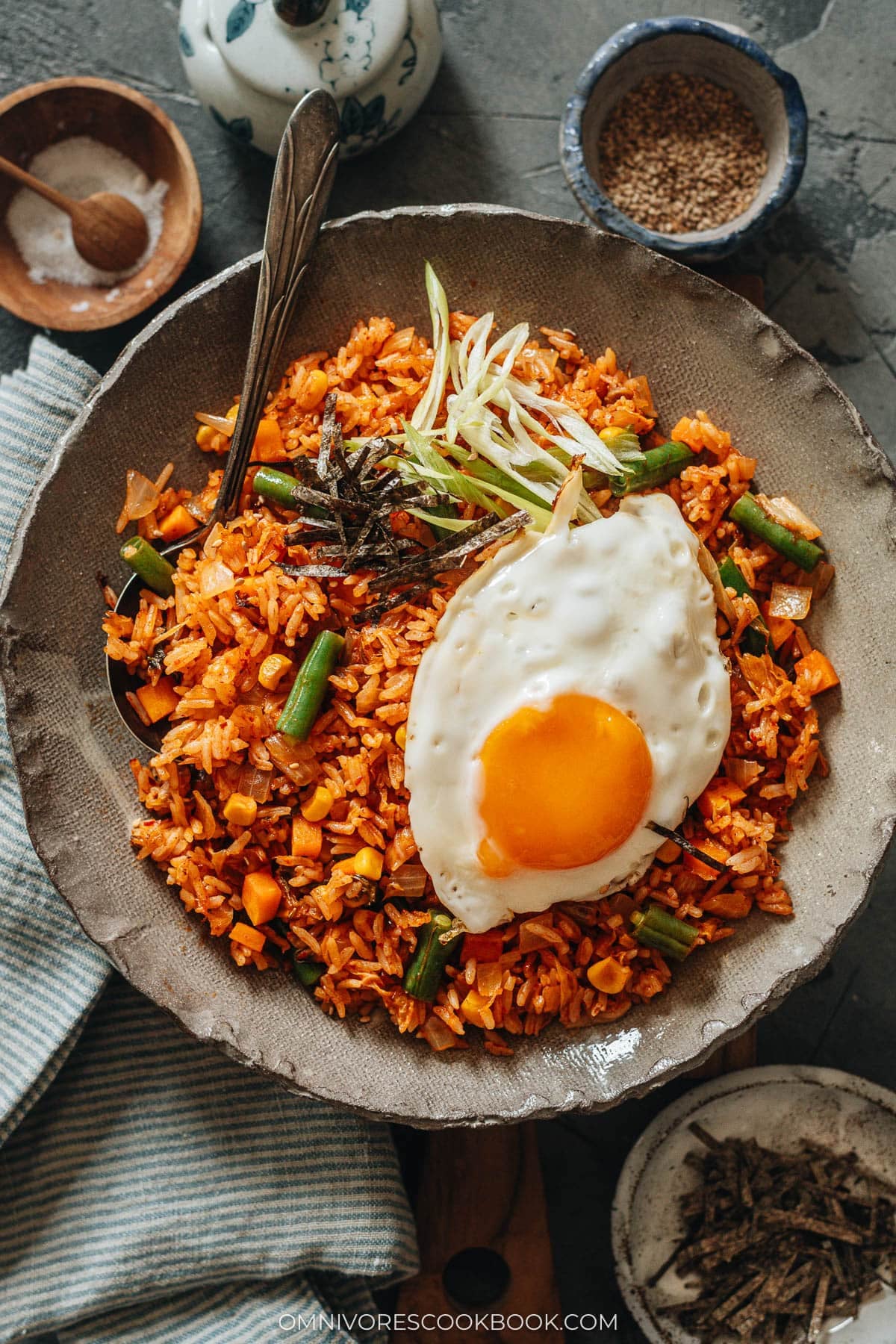
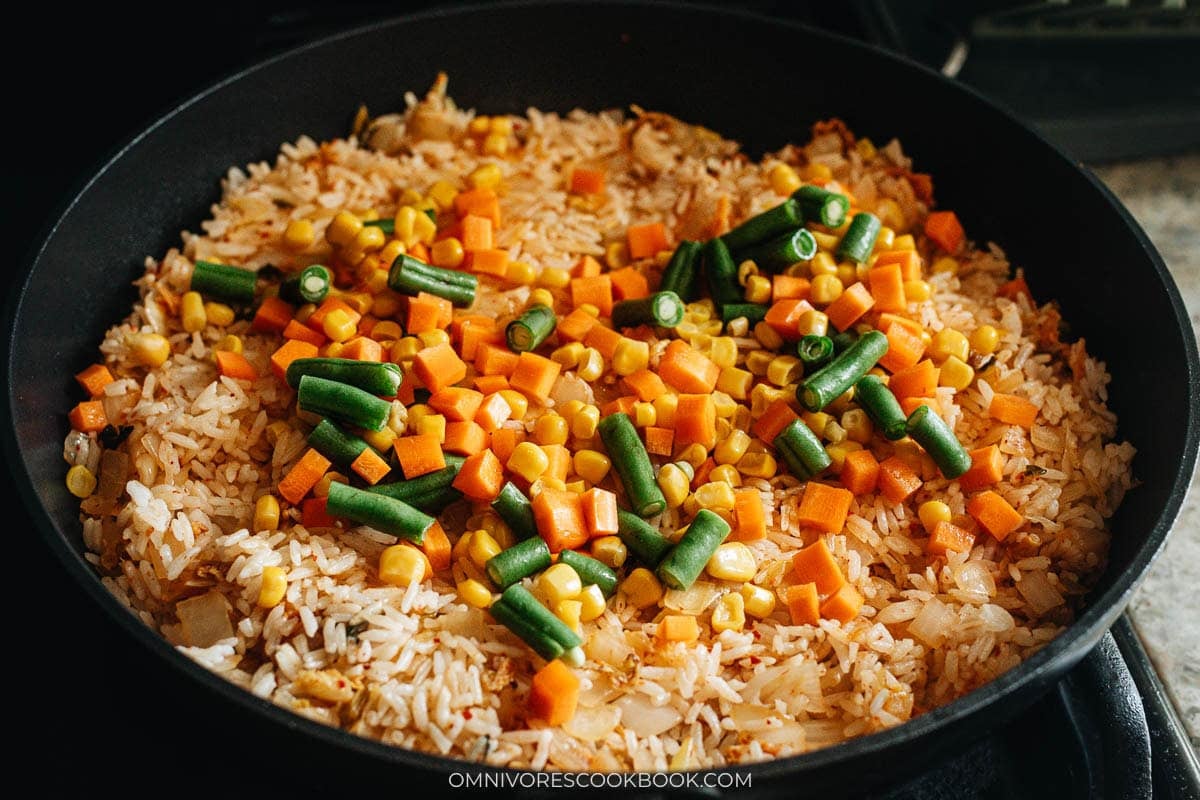
The sauce, a simple yet potent blend, is typically prepared by combining reserved kimchi juice with gochujang, sesame oil, and a splash of soy sauce. This mixture is then incorporated into the rice, coating each grain with a vibrant red hue and infusing it with a harmonious balance of spice, tang, and savory notes. The recipe advocates for adding the sauce towards the end of the cooking process to prevent the rice grains from becoming overly saturated and to maintain their individual texture. Frozen mixed vegetables, such as peas and corn, are often added at this stage for convenience and a pop of color and sweetness. The dish is then finished off the heat with the green parts of the scallions, adding a fresh, aromatic counterpoint.
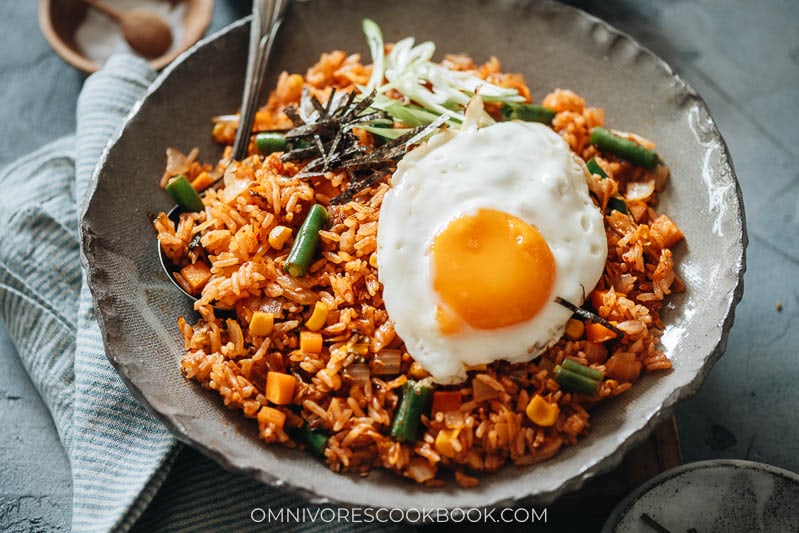
The crowning glory of a well-made Kimchi Bokkeumbap is often a perfectly fried egg, served sunny-side up with a runny yolk. This addition elevates the dish from a simple fried rice to a complete meal, with the rich, unctuous yolk cascading over the savory rice when broken. Garnishes such as shredded crispy seaweed (gim) or nori sheets add a final layer of texture and oceanic flavor. For those seeking an unconventional but delicious twist, a slice of cheddar or mozzarella cheese, melted by the residual heat of the dish, offers a surprising and comforting addition, a personal touch that highlights the dish’s adaptability.
The Science of Flavor: Fermentation and Flavor Development
The transformation of napa cabbage into kimchi is a complex biochemical process involving lactic acid fermentation. This process, driven by naturally occurring bacteria, breaks down sugars in the cabbage, producing lactic acid, which imparts the characteristic sourness and tangy flavor. The longer the fermentation, the more pronounced these flavors become. This aged quality is precisely what makes the kimchi ideal for fried rice, as the fermentation has already developed the deep umami and slight funk that would be difficult to replicate otherwise. The kimchi juice, often discarded in other applications, becomes a crucial flavor base in this dish, concentrating the fermented essence.
A Culinary Chronology: Evolution of Fried Rice
Fried rice, as a concept, has ancient roots, with origins tracing back to China over 4,000 years ago. The practice of using leftover rice, a staple grain, was born out of necessity and economic efficiency. Over centuries, fried rice evolved, adapting to regional ingredients and culinary traditions across Asia. Korean Kimchi Bokkeumbap emerged as a distinct variation, leveraging the unique fermented staple of Korean cuisine – kimchi. Its rise in popularity reflects a broader trend of appreciating traditional, home-style dishes that offer both comfort and exceptional flavor. The dish’s inherent simplicity and adaptability have cemented its place as a go-to meal, particularly in households where resourcefulness and speed are paramount.
Pro Tips for Perfect Kimchi Fried Rice
Chefs and home cooks alike offer insights into perfecting Kimchi Bokkeumbap. A key recommendation is to cook rice with less water or use a "firm rice" setting on rice cookers when anticipating making fried rice. This results in drier, chewier grains that are less prone to clumping. Generosity with oil is also advised; a slightly richer hand ensures crispier rice. The technique of allowing the rice to sit undisturbed against the hot pan for brief intervals between stirs is crucial for developing a desirable crispness, a substitute for the intense heat of professional wok stations.
Expanding the Culinary Horizon: Variations and Enhancements
While the classic recipe is a triumph, Kimchi Bokkeumbap readily accommodates a range of protein additions. Browning ground pork or beef before introducing the kimchi creates a heartier meal. Shredded rotisserie chicken can be stirred in with the vegetables for a quick protein boost. For vegetarian and vegan diners, diced firm tofu or edamame serve as excellent protein substitutes, especially when paired with vegan kimchi. It is imperative, however, to cook raw meats thoroughly before adding the kimchi, as introducing raw meat later can release excess moisture, hindering the rice’s ability to crisp up.
The Right Tool for the Job: Skillet Selection
The choice of cookware significantly impacts the outcome. While a carbon steel wok offers superior heat distribution and a traditional shape, a heavy cast-iron skillet is often preferred for Kimchi Bokkeumbap due to its wide, flat bottom, which maximizes the surface area for rice to crisp. Stainless steel skillets are also functional, but non-stick pans are generally discouraged as they often do not reach the high temperatures required for optimal rice crisping.
Serving Traditions and Modern Adaptations
Kimchi fried rice is traditionally served as a complete one-pan meal, often presented in a wide, shallow bowl, crowned with a fried egg and a scattering of seaweed. The act of breaking the runny yolk and mixing it into the rice is an integral part of the dining experience. Beyond its role as a standalone dish, Kimchi Bokkeumbap can be a component of a larger Korean meal. It pairs exceptionally well with dishes like Japchae (glass noodle stir-fry), stir-fried greens, or Korean army stew (Budae Jjigae). For gatherings, it can play a supporting role alongside more elaborate main courses such as Korean seafood pancakes or braised short ribs, demonstrating its versatility in both everyday dining and celebratory feasts.
Addressing Common Inquiries
Can I use freshly made kimchi? While technically possible, using well-fermented kimchi (at least two to three weeks old) is highly recommended for a deeper, tangier flavor profile. If fresh kimchi is the only option, consider increasing the quantity of kimchi and adding a touch more kimchi juice to compensate for the less developed sourness.
How spicy is this, and can I make it milder? The heat primarily stems from gochujang and the chili content of the kimchi. The dish is typically medium spicy. To reduce the heat, halve the gochujang, add about half a teaspoon of sugar to balance the flavors, and incorporate an extra teaspoon of sesame oil to ensure the sauce coats the rice effectively.
What if I do not have gochujang? Gochujang provides both heat and color. A viable substitute involves using a spoonful of sriracha mixed with a small pinch of miso paste. This combination offers a similar red hue and moderate heat with a rounded savory note, though it deviates from the traditional flavor profile.
Can I make kimchi fried rice vegetarian or vegan? Absolutely. Omit the egg, and ensure you are using vegan kimchi, as some varieties contain fish sauce or shrimp. Adding tofu, mushrooms, or edamame can provide a protein boost.
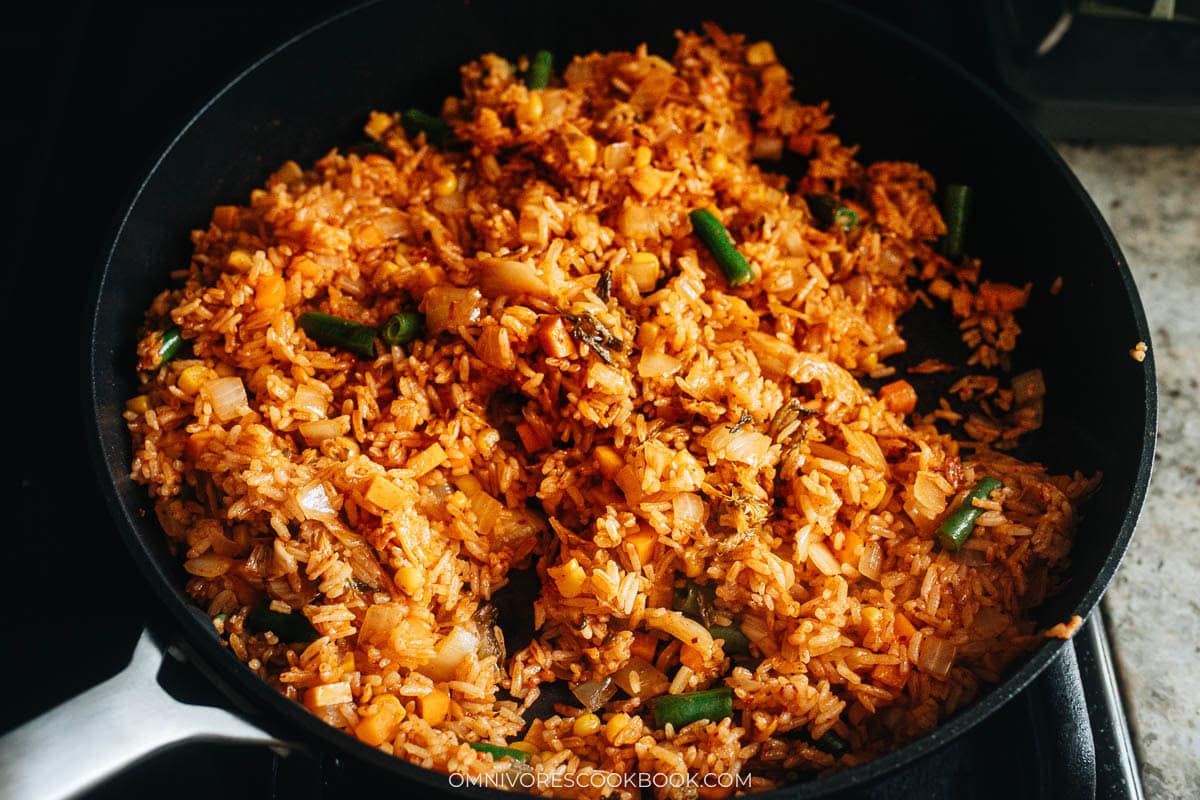
Kimchi Fried Rice (Kimchi Bokkeumbap) is more than just a meal; it is a reflection of Korean culinary ingenuity, a celebration of fermentation, and a testament to the power of simple ingredients transformed into something extraordinary. Its enduring popularity lies in its rapid preparation, its deeply satisfying flavor, and its comforting homestyle appeal, making it a cherished dish in kitchens around the world.