The Evolution and Global Popularity of Chinese Bakery Culture: Mastering the Classic Chinese Hot Dog Bun


The culinary landscape of traditional Asian bakeries has long been defined by a distinct fusion of Eastern baking techniques and Western convenience foods, with the Chinese hot dog bun standing out as one of the most enduringly popular items in modern pastry arts. Long celebrated as a staple of childhood nostalgia across China and within overseas diaspora communities, this savory-sweet baked good has transcended its origins as an after-school snack to become a subject of culinary fascination for home bakers worldwide. Combining a pillowy, enriched milk bread dough with a savory frankfurter, the pastry exemplifies the delicate balance of flavor profiles that characterizes contemporary Asian baking traditions.

Historical Origins and Bakery Culture Evolution
The emergence of the Chinese hot dog bun is closely tied to the modernization and westernization of urban centers in East Asia during the mid-to-late 20th century. Cities such as Hong Kong, Taipei, and Shanghai served as cultural crucibles where traditional steam-based bread-making methods adapted to Western oven-baked techniques. European yeast-leavened doughs were modified to suit local palates, which generally preferred a softer crumb, a lighter texture, and a significantly lower sugar content compared to traditional Western pastries, yet maintained a noticeable, subtle sweetness.

In these bustling commercial bakeries, the hot dog bun functioned as an economical, portable, and filling meal for students and working professionals. While Western hot dogs are typically served inside a pre-sliced roll with savory condiments, the Chinese bakery variant integrates the meat directly into the structural architecture of the bread. By wrapping a continuous ribbon of enriched dough in a spiral around a whole frankfurter, bakers created an efficient, self-contained food item that maintained its moisture and structural integrity even after hours on display in a glass bakery case.

Culinary Science and Dough Mechanics
Replicating the signature texture of a commercial-grade Chinese hot dog bun at home requires an understanding of advanced baking science, particularly the milk bread method. Culinary experts emphasize that the foundation of the pastry lies in achieving an optimal gluten network through precise ingredient ratios and rigorous mechanical kneading.

Bread flour, preferred over standard all-purpose flour due to its higher protein content (typically 12% to 14%), provides the necessary structural elasticity to support the weight of the filling during the proofing and baking phases. The incorporation of evaporated milk rather than standard fluid milk introduces concentrated dairy solids and fats, which contribute to a softer crumb and a richer flavor profile without destabilizing the moisture balance of the dough.
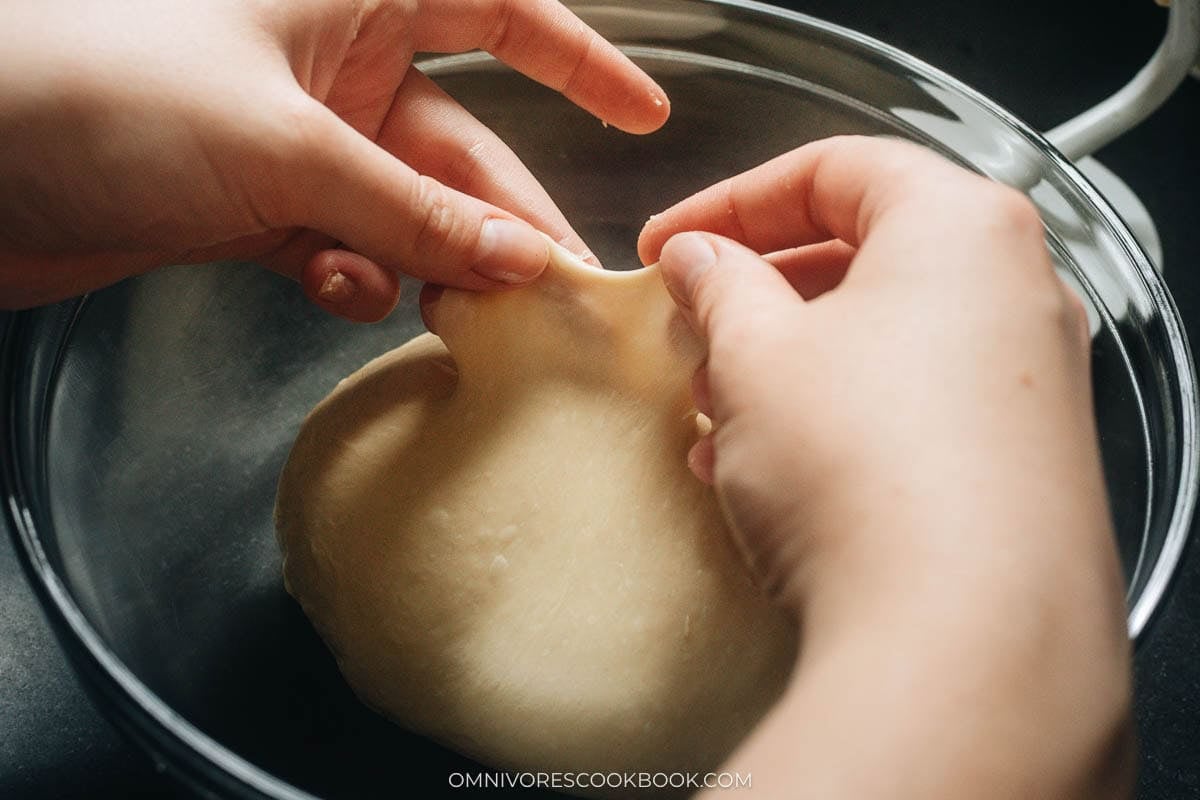
The production process relies heavily on the "windowpane test," a benchmark in professional bread-making where a small sample of dough is stretched gently between oiled fingers. A successful test indicates that the gluten strands have aligned into a semi-transparent, resilient membrane capable of trapping carbon dioxide gas produced by the yeast, resulting in the characteristic light and fluffy texture upon baking. Furthermore, standardizing measurements by weight rather than volume is critical, as minor fluctuations in flour density can significantly alter the hydration levels of enriched doughs.
Step-by-Step Production Methodology
The preparation of traditional Chinese hot dog buns follows a structured chronological sequence designed to maximize flavor development and textural integrity.

- Primary Mixing: Bread flour, instant yeast, granulated sugar, salt, milk, and whole eggs are combined in a mixing vessel and stirred until a cohesive, shaggy mass forms.
- Gluten Development: Utilizing a stand mixer equipped with a dough hook attachment, the mixture is kneaded consistently for approximately ten minutes to begin protein alignment.
- Fat Incorporation: Softened unsalted butter is introduced gradually into the moving dough. The fat coats the developing gluten strands, yielding a plush, tender crumb once baked. Kneading continues until the dough successfully passes the windowpane test.
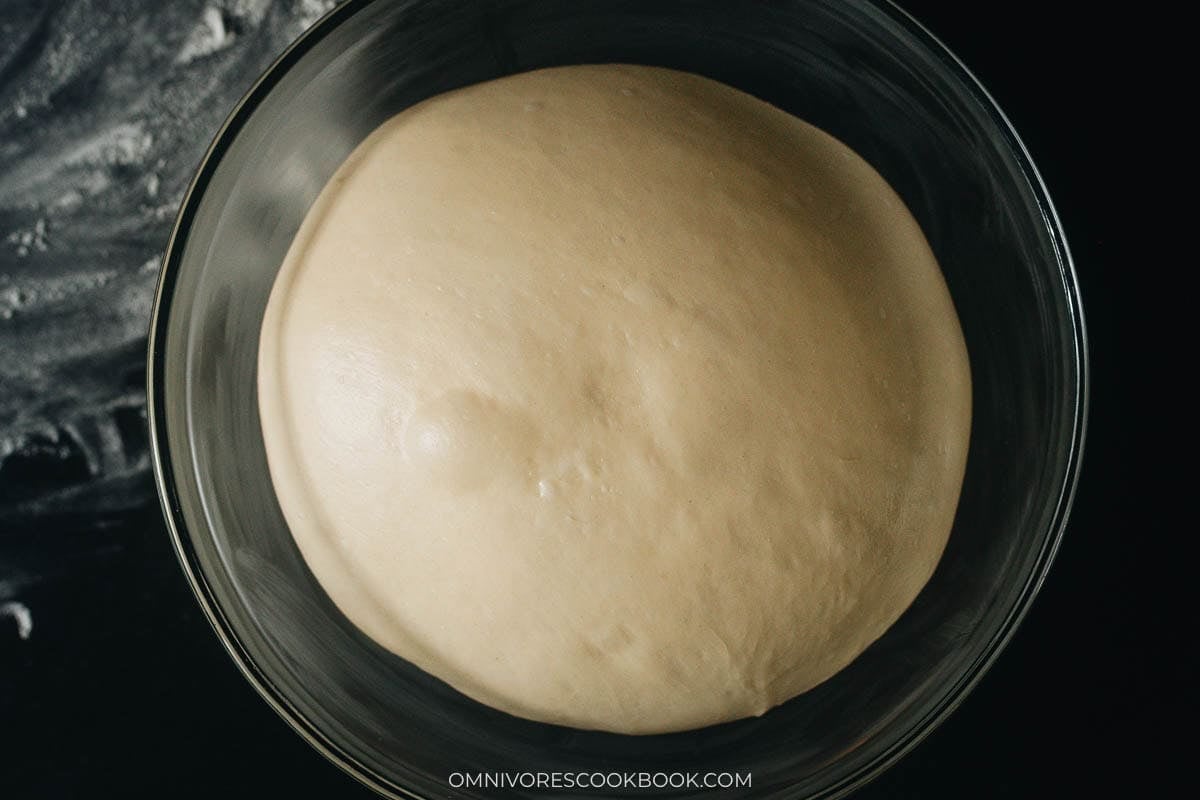
- Initial Fermentation (First Rise): The dough is shaped into a smooth sphere, placed in a lightly oiled container, and left to ferment in a temperature-controlled environment until its volume has doubled, typically requiring between 45 and 90 minutes depending on ambient thermal conditions.
- Division and Shaping: The fermented dough is transferred to a floured work surface, gently deflated, and rolled into a uniform rectangular sheet. This sheet is subsequently partitioned into ten equal strips.
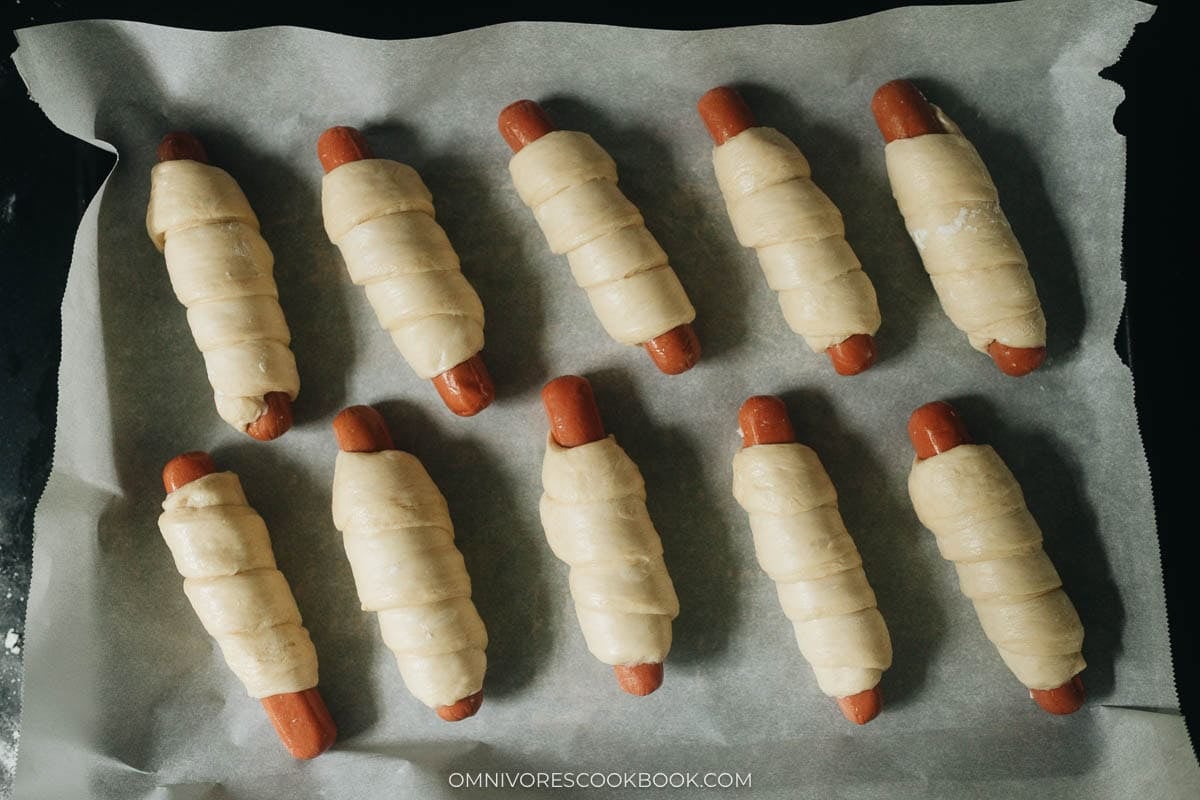
- Assembly: Each strip of dough is anchored to one end of a whole hot dog and wound upward in a continuous, snug spiral to the opposite end, terminating with the seam positioned downward on a parchment-lined baking sheet to prevent unwinding during expansion.
- Secondary Proofing: The assembled buns undergo a final proofing period of approximately 30 minutes, expanding to roughly 1.5 times their original size. Concurrently, baking appliances are preheated to a moderate temperature of 350°F (176°C).
- Glazing and Baking: Prior to entering the oven, the surfaces of the proofed buns are brushed with a thin layer of evaporated milk to promote a glossy, golden-brown exterior finish. Baking proceeds for 15 to 20 minutes until the crumb is fully set and the crust achieves the desired coloration.
Nutritional Profile and Dietary Analysis
Standard nutritional data for a single-serving Chinese hot dog bun reveals a balanced distribution of macronutrients, making it a substantial option for casual dining or quick meals. A typical commercially-sized or home-baked bun yields approximately 317 kilocalories.

The nutritional breakdown per serving generally includes:

- Carbohydrates: 29.1 grams, primarily derived from the refined bread flour and added sugars in the milk bread dough.
- Fats: 17.3 grams, with roughly 7.7 grams originating from saturated fats, largely attributable to the butter enrichment in the dough and the fat content of the encased meat.
- Protein: 10.2 grams, supplied by the combination of the enriched flour, eggs, dairy, and the protein content of the hot dog.
- Sodium: 694 milligrams, reflecting the salt content in both the bread dough and the processed meat filling.
While the high sodium and saturated fat content suggests that these pastries should be consumed as part of a balanced diet, their caloric density and portability continue to drive their popularity across diverse demographic groups.
Broader Industry Implications and Cultural Persistence
The global dissemination of Asian bakery recipes through digital media and dedicated culinary platforms highlights a broader trend in modern gastronomy: the democratization of regional comfort foods. As specialty bakeries expand in Western metropolitan areas, traditional items like the Chinese hot dog bun are moving past niche ethnic markets into mainstream culinary awareness.

Food industry analysts note that the enduring appeal of such items lies in their comforting familiarity combined with a novel flavor contrast—specifically, the interplay between the sweet, enriched bread and the savory, salty center. By adapting professional-grade techniques such as milk bread formatting for home kitchens, culinary educators have enabled enthusiasts worldwide to replicate commercial bakery standards independently. Consequently, the Chinese hot dog bun remains a testament to the dynamic adaptability of global baking traditions, preserving historical immigrant foodways while continuously capturing new generations of consumers.