A Complete Guide to Making Crispy Pan-Fried Egg and Pepper Dumplings at Home

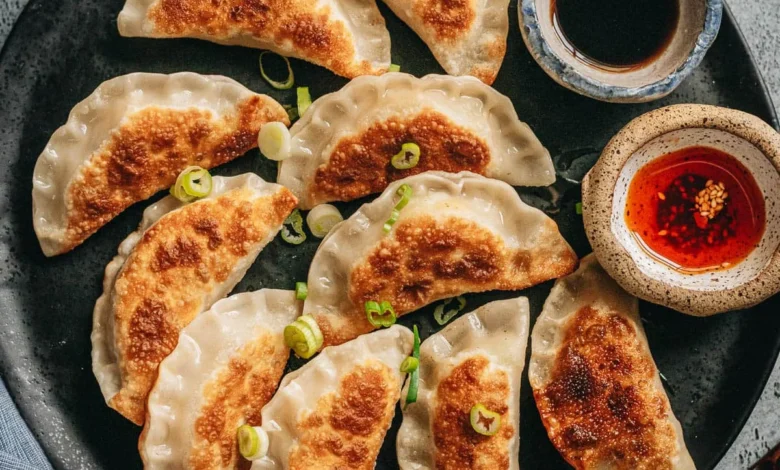
The global culinary landscape of Chinese dumplings traditionally highlights robust, meat-heavy variations, with pork and chive combinations reigning supreme across international markets and family households alike. However, a parallel tradition of lighter, plant-forward, and egg-based fillings has long anchored regional home cooking in China. Among these, the egg and pepper dumpling represents a masterclass in culinary minimalism, relying on texture, precise moisture management, and high-quality core ingredients to achieve a deeply satisfying flavor profile without relying on heavy proteins. Culinary historians and home cooks trace the roots of egg-based dumpling fillings to Northern Chinese provinces, where wheat wrappers dominate and resourceful cooks historically utilized accessible pantry staples to create nourishing meals.
Anatomy of the Filling: Balancing Texture and Flavor

The success of an egg and pepper dumpling hinges entirely on the structural integrity and moisture balance of its interior components. Unlike ground meat mixtures that rely on proteins binding together during the cooking process, scrambled eggs and finely diced vegetables require deliberate preparation techniques to prevent a watery consistency or structural collapse.
The primary component of the filling is the egg, which provides the soft body and primary flavor base. Culinary experts recommend using farm-fresh, high-quality eggs, as the subtle seasoning profile leaves no room for dull flavors to hide. Whole eggs are thoroughly beaten and softly scrambled in a nonstick skillet over medium-low heat, continuously chopped into minute pieces using a spatula to ensure they integrate seamlessly into the dumpling interior.
Complementing the soft eggs are finely diced brown mushrooms. These are cooked separately over medium-high heat until all their natural moisture completely evaporates and the pieces turn a rich, golden brown. This crucial step develops deep umami notes and prevents excess liquid from leaking into the wrapper.
For the vegetable element, traditional preparations often utilize cubanelle peppers diced to the exact same size as the mushrooms. This uniform mincing ensures that each bite contains a harmonious ratio of soft egg, savory mushroom, and a mild, grassy crunch from the pepper. Cooks seeking a spicier profile frequently substitute Anaheim or jalapeño peppers in equal measure.
Minimalist Seasoning and Structural Integrity
The seasoning profile for egg and pepper dumplings is intentionally restrained to highlight the natural flavors of the main ingredients. A measured combination of oyster sauce, white pepper, salt, and a dash of sesame oil provides sufficient umami without overwhelming the palate. Experienced dumpling makers emphasize that the raw filling should taste slightly saltier than desired, as the thick Northern-style wheat wrappers tend to mute the seasoning once cooked.
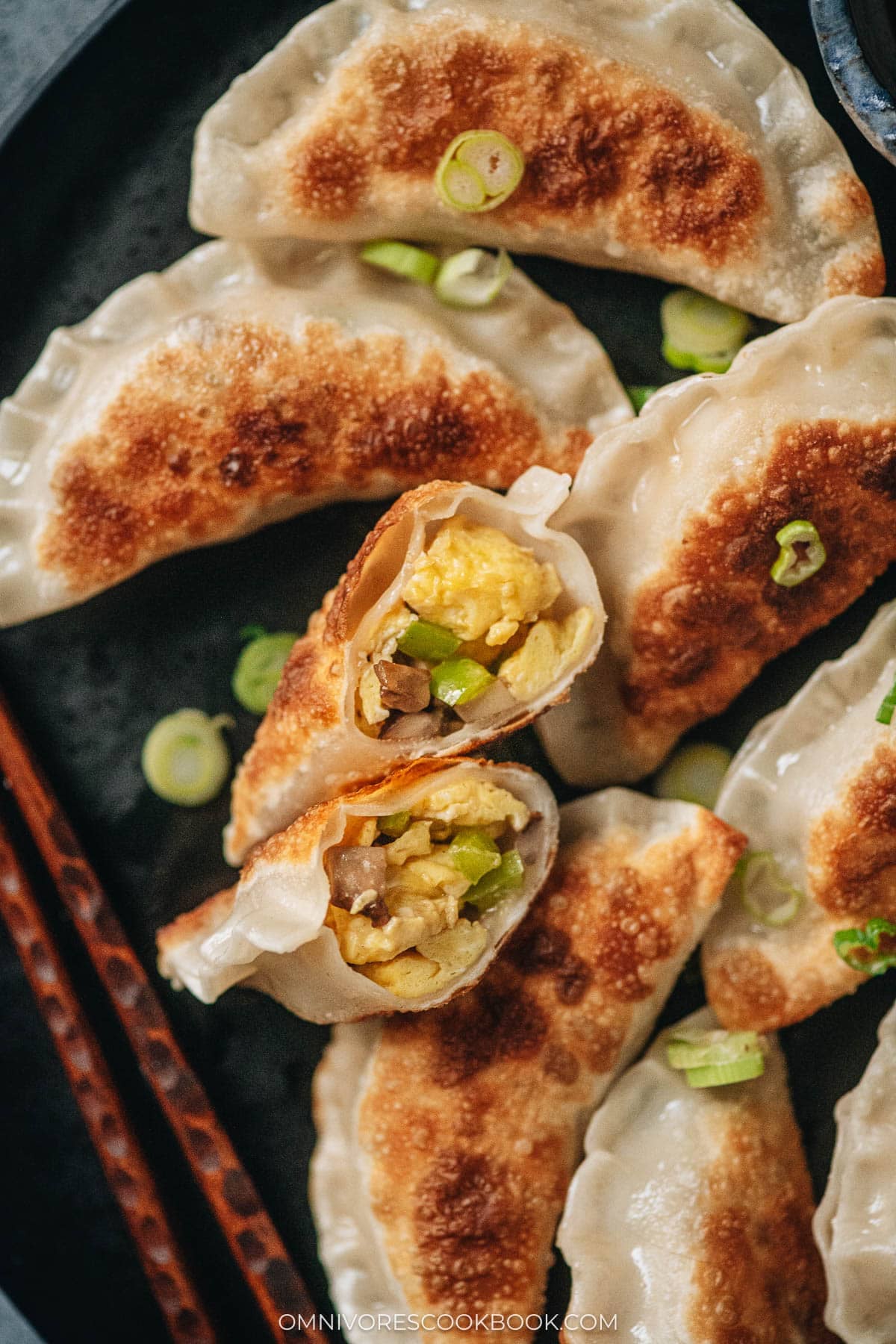
When it comes to wrapping, the nature of the scrambled egg filling dictates specific folding techniques. Because egg pieces do not cohere like minced meat, intricate pleating can be counterproductive and lead to ruptured wrappers. Chefs recommend utilizing a straightforward half-moon fold. This minimalist shape provides ample interior space, allowing for a generous scoop of filling while ensuring the edges can be firmly pressed and sealed to withstand subsequent cooking.
Step-by-Step Chronology of Preparation
Preparing a batch of egg and pepper dumplings follows a structured, sequential workflow designed to maximize efficiency and texture:
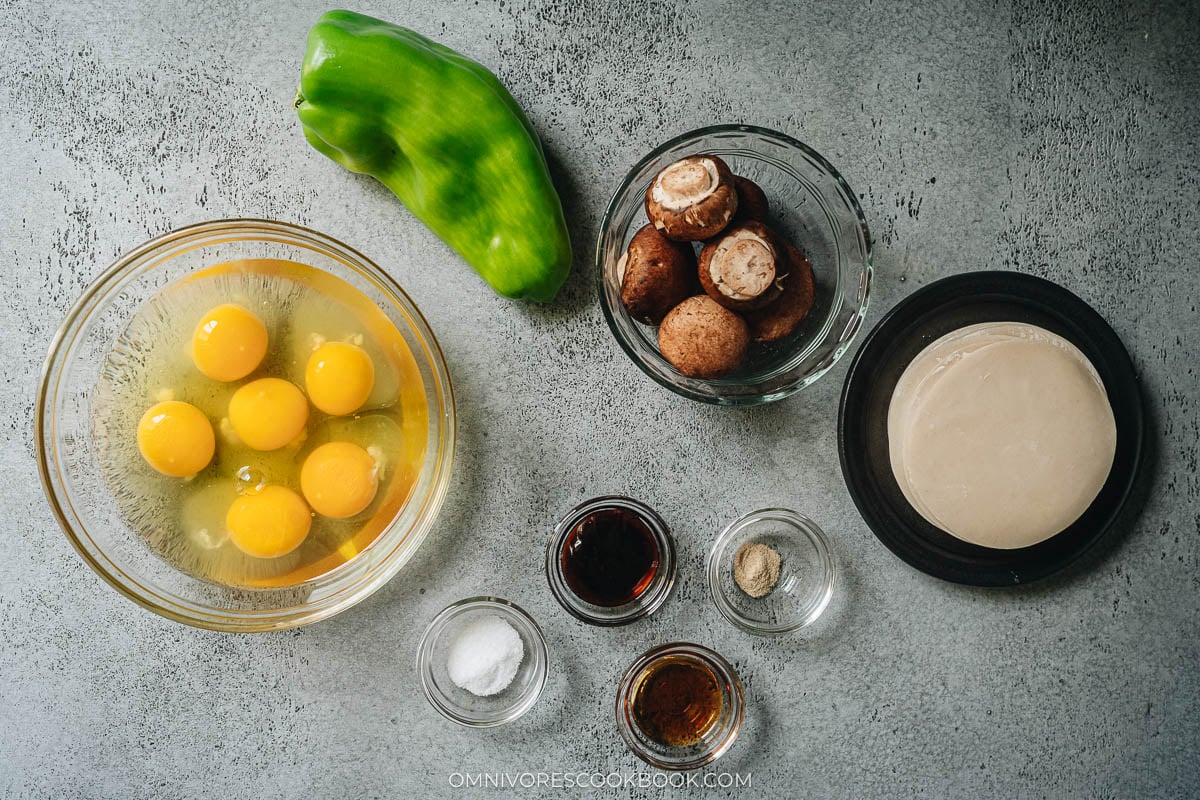
- Egg Scrambling: Heat one tablespoon of oil in a nonstick skillet over medium-high heat, reduce to medium, and pour in beaten eggs. Scramble softly, chop finely, and transfer to a large mixing bowl to cool completely.
- Mushroom Reduction: In the same skillet, add a half-tablespoon of oil and diced brown mushrooms. Cook until all moisture dissipates and the mushrooms turn golden, then combine with the cooled eggs.
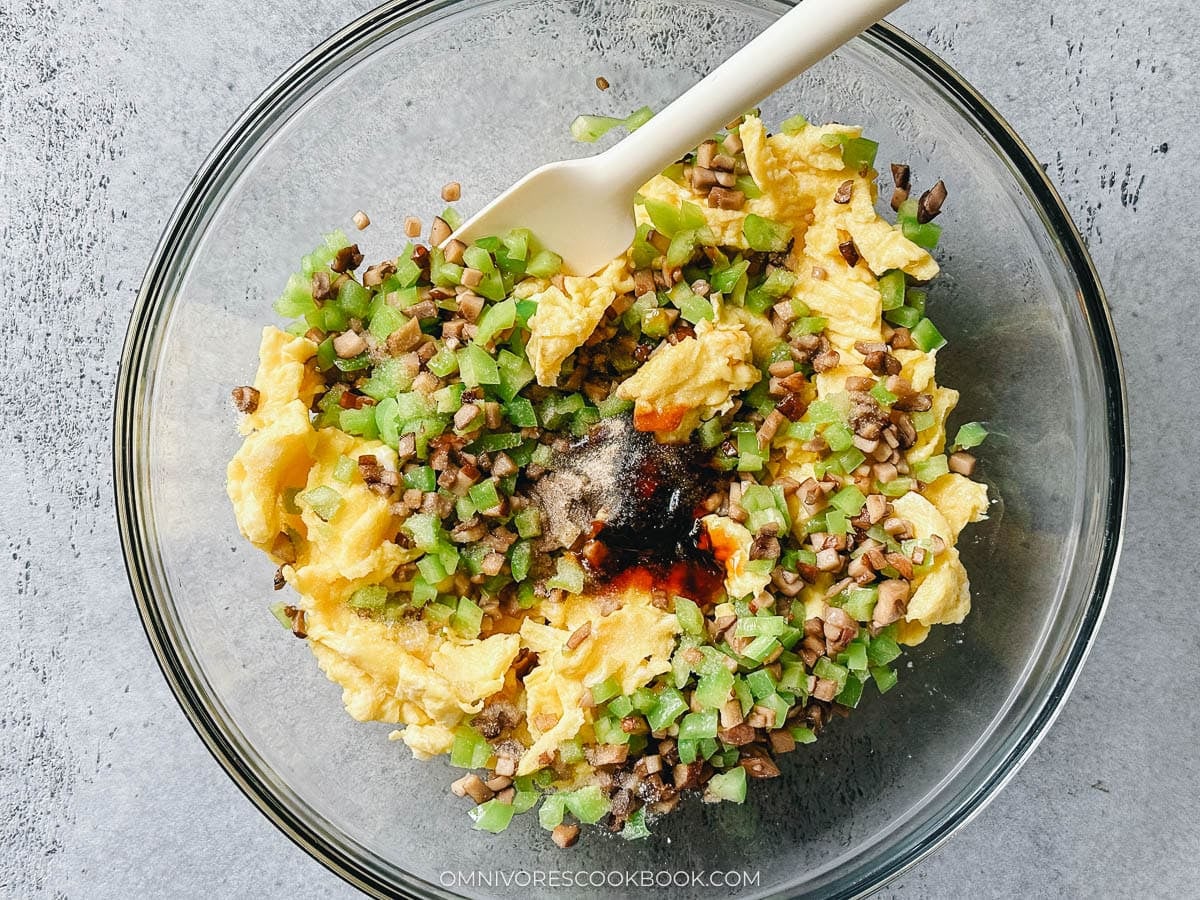
- Seasoning Integration: Fold the finely diced raw peppers, oyster sauce, white pepper, salt, and sesame oil into the egg and mushroom mixture. Taste to ensure proper seasoning balance.
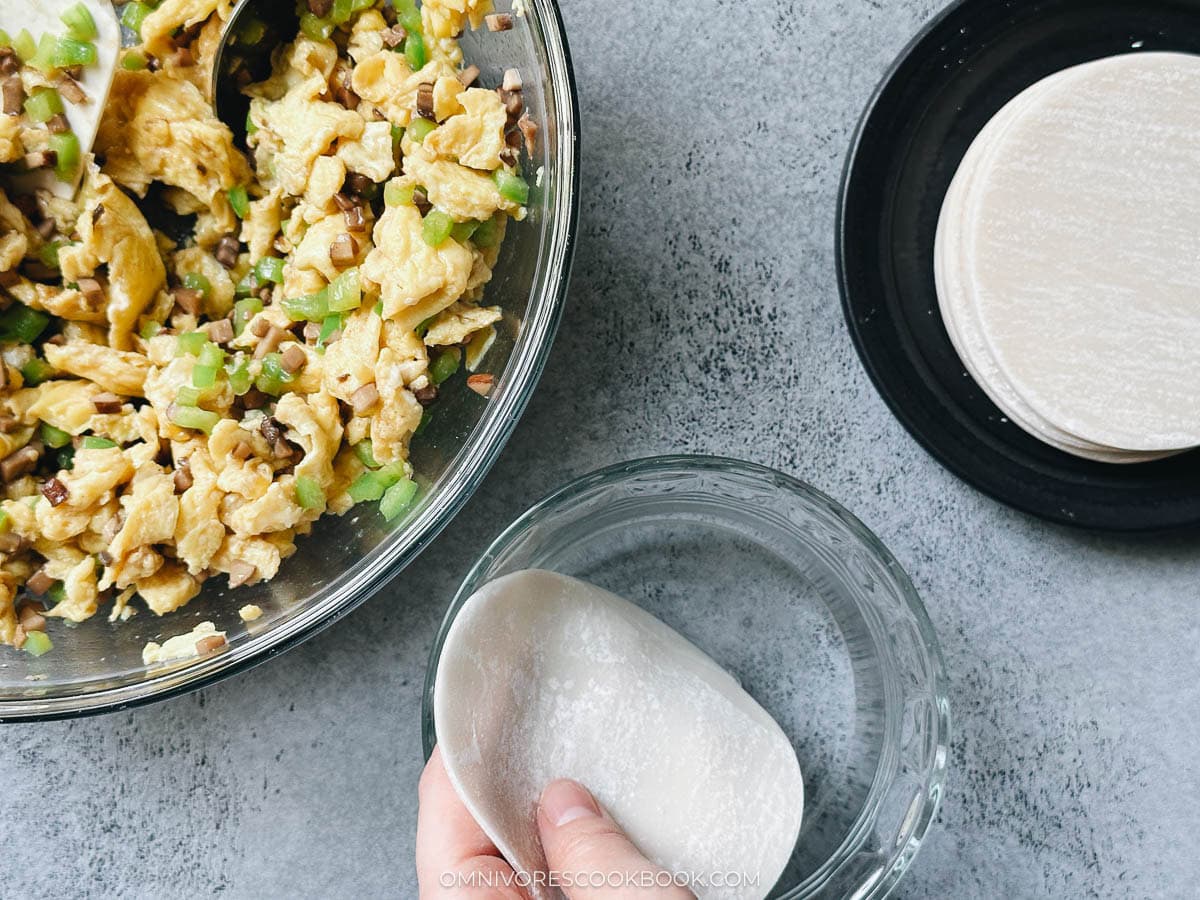
- Assembling and Folding: Place a small bowl of water nearby. Wet the edge of a thick Northern-style dumpling wrapper, add approximately one tablespoon of filling to the center, and seal into a secure half-moon shape by pressing the edges firmly.
- Preservation (Optional): For later consumption, arrange raw dumplings in a single layer on a baking tray lined with plastic wrap. Freeze solid for approximately 24 hours before transferring to a sealed container or freezer bag for up to one month.
Pan-Frying and Steaming Techniques
The cooking method transforms the dumpling from a soft package into a dual-textured delicacy featuring a crackling bottom crust and a chewy upper shell.
To cook, heat one tablespoon of oil in a nonstick skillet over medium heat. Arrange the dumplings in the pan, allowing adequate space between each piece to prevent overcrowding, which can lower the pan’s temperature and cause steaming rather than frying. Cook until the bottoms turn a pale golden hue.
Next, introduce two tablespoons of water to the skillet and immediately cover with a tight-fitting lid. Allow the dumplings to steam for two to three minutes until cooked through. Remove the lid and continue cooking until any remaining moisture evaporates and the bottom crust achieves a deep, golden crispness.
Serving Suggestions and Cultural Context
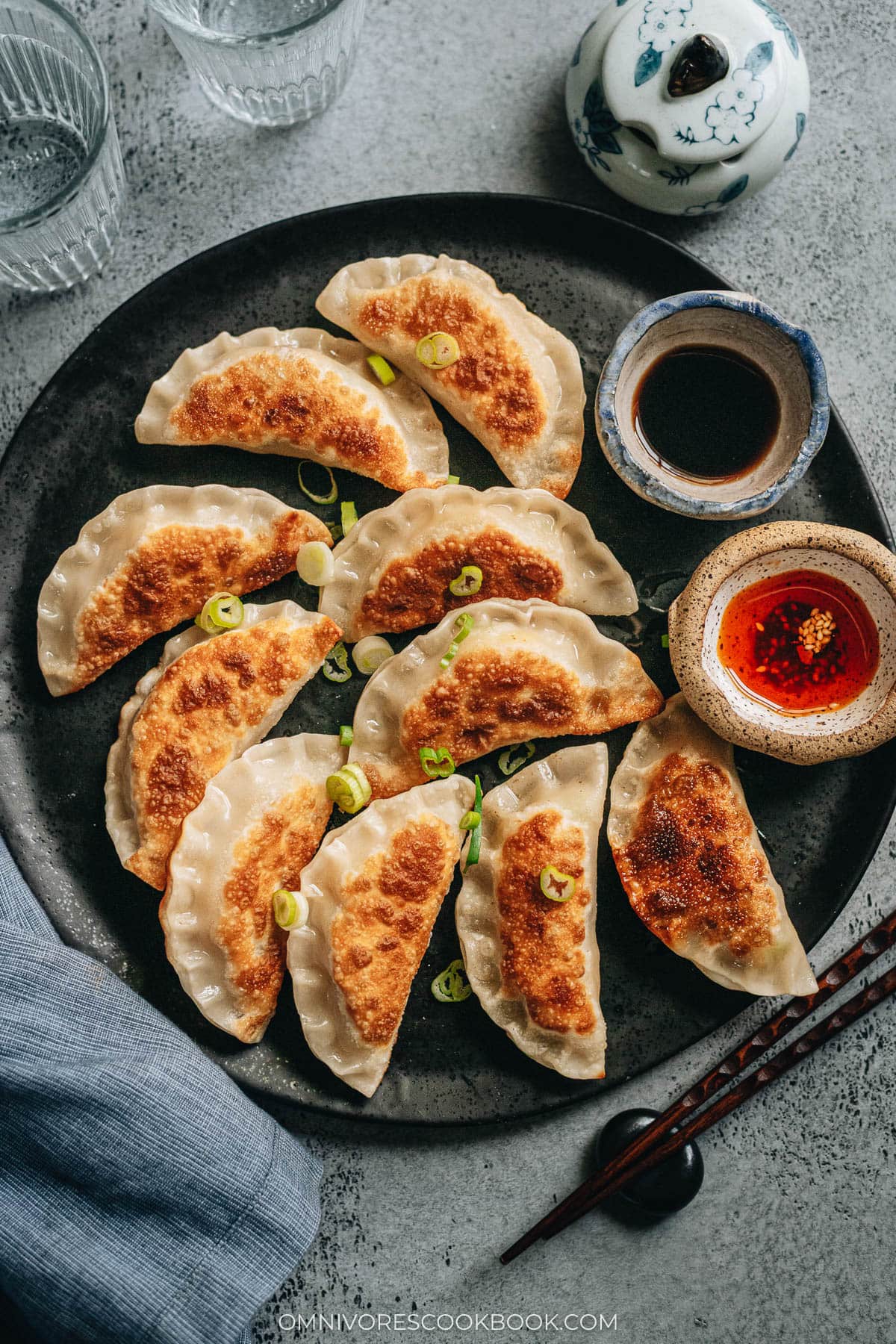
Egg and pepper dumplings are traditionally served hot and straight from the skillet, emphasizing their contrasting textures. They are frequently accompanied by a dedicated dipping sauce composed of soy sauce, black vinegar, and chili oil, alongside a bottle of pungent Chinkiang vinegar.
Within a broader culinary context, these vegetarian dumplings serve multiple roles. In everyday home cooking, they function as a light main course or an appetizer. During major cultural celebrations such as Chinese New Year, they are routinely integrated into large, family-style spreads alongside traditional pork, beef, and vegetable varieties, ensuring diverse dietary preferences are accommodated.
Storage and Reheating Protocols
While uncooked assembled dumplings can be refrigerated for up to 24 hours under proper conditions—arranged in a single layer and tightly covered to prevent drying—cooked leftovers require specific handling. Cooked egg and pepper dumplings may be stored in an airtight container in the refrigerator for three to four days. Reheating is best executed in a lightly oiled nonstick skillet over medium heat until the filling is warmed and the base regains its signature crunch. Food safety and quality experts advise against freezing cooked egg fillings, as the thawing process frequently compromises the structural integrity of the eggs, resulting in a watery or rubbery texture.