Mastering the Art of San Choy Bow: A Culinary Journey from Cantonese Banquets to Modern Home Kitchens

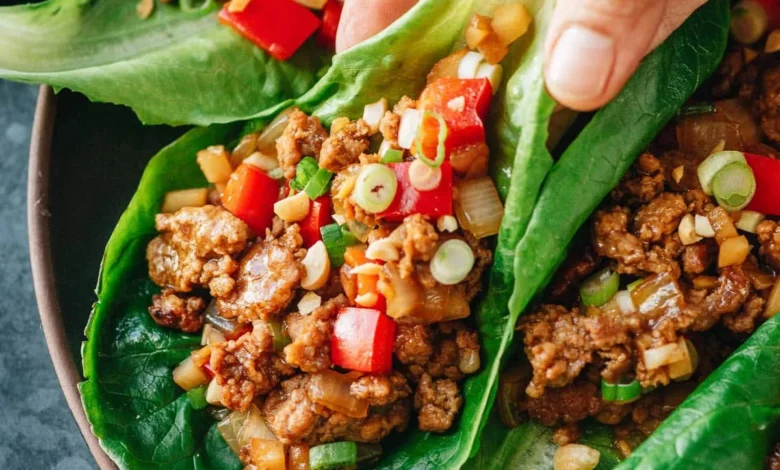
The global culinary landscape has witnessed a significant shift toward interactive, health-conscious dining experiences, with traditional dishes like San Choy Bow experiencing a renaissance in Western home kitchens and restaurant sectors alike. Originally rooted in the refined traditions of Cantonese banquets, this iconic dish—consisting of finely minced or ground meat and crisp vegetables served inside cool, sturdy lettuce cups—has transitioned from an exclusive regional delicacy into a globally recognized appetizer. Culinary historians trace the proliferation of San Choy Bow in Western Chinese dining establishments to the broader cultural appreciation for Southeast Asian and Southern Chinese flavors that accelerated in the late 20th century. Unlike heavier, deep-fried starters, this dish offers a balanced nutritional profile, low carbohydrate counts, and a sensory-rich dining format that appeals to modern consumers seeking fresh, high-protein meals.
Culinary Architecture and Ingredient Dynamics
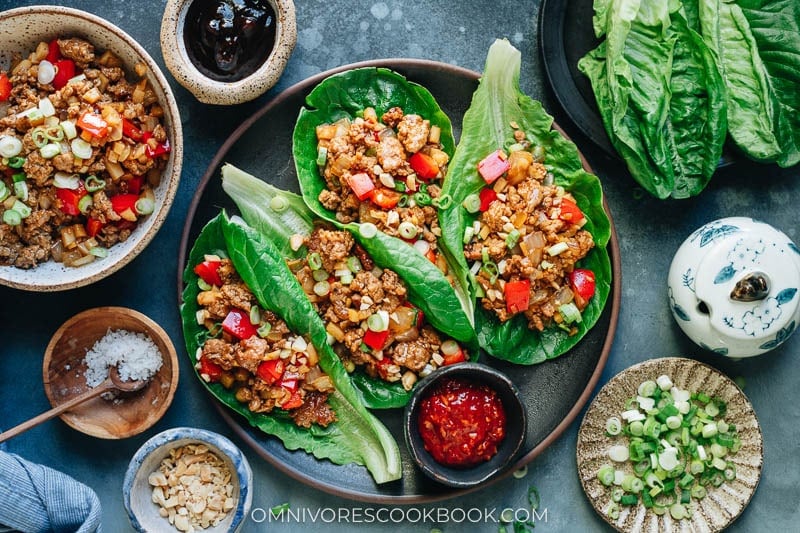
The enduring popularity of San Choy Bow relies heavily on a precise balance of texture and flavor, achieved through specific ingredient selections and meticulous preparation techniques. At the core of the traditional recipe is ground pork, favored for its ability to retain moisture and absorb complex seasoning blends. Alternative proteins, including ground chicken and turkey, are increasingly utilized to accommodate dietary preferences, though chefs recommend careful management of cooking fats to prevent dryness.

The essential flavor profile is anchored by a savory brown sauce, formulated by combining oyster sauce, Shaoxing rice wine, hoisin sauce, light and dark soy sauces, and cracked black pepper. This blend delivers a multifaceted taste experience characterized by umami depth, subtle sweetness, and balanced salinity. Crucially, the textural contrast of the dish depends on water chestnuts and red bell peppers. Finely diced water chestnuts provide a signature crunch that prevents the tender pork mixture from feeling uniform or heavy. When water chestnuts are unavailable, canned bamboo shoots serve as a viable culinary substitute.
Step-by-Step Preparation and Execution Timeline

For home cooks and professional kitchens aiming to replicate authentic results, adherence to a structured preparation timeline is critical. The entire cooking process, from initial mise en place to final assembly, typically requires approximately 25 minutes.
- Sauce Preparation (Minutes 0–5): Chefs begin by whisking all brown sauce ingredients in a small bowl to ensure homogenous distribution. Pre-mixing the sauce guarantees a single, seamless pour during the active cooking phase.
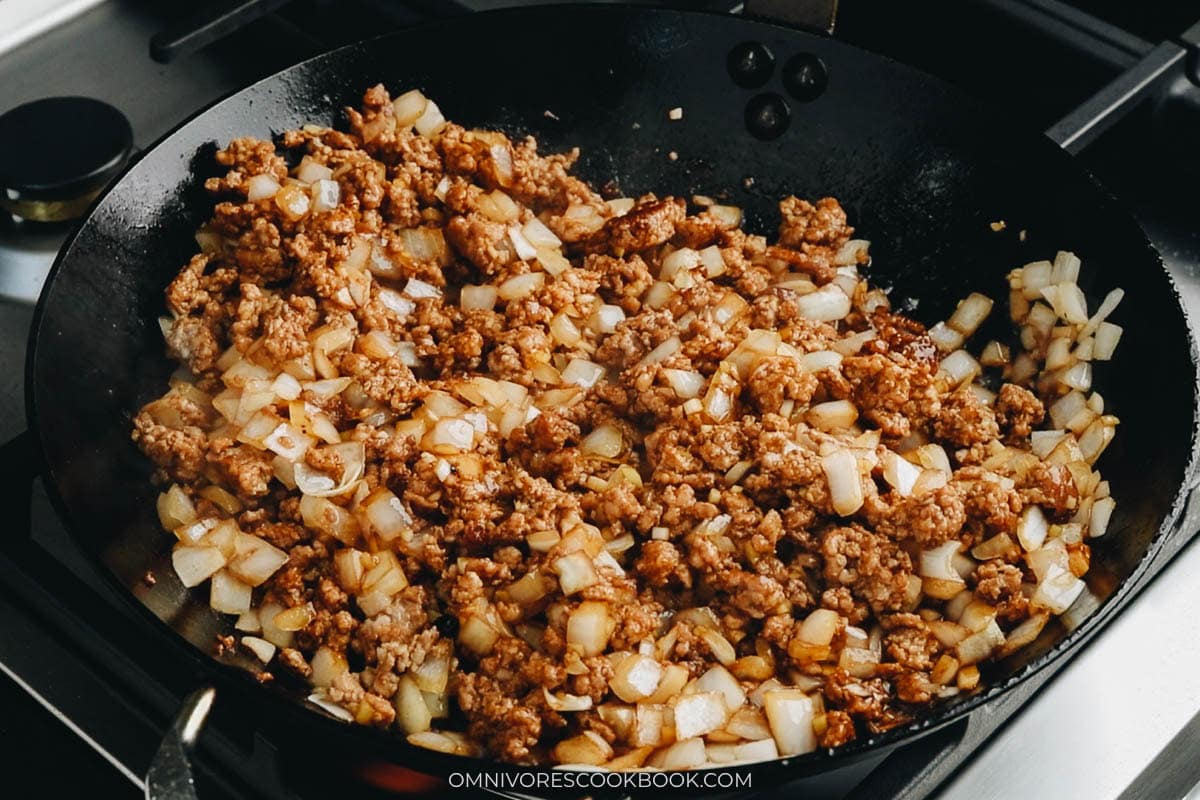
- Protein Browning (Minutes 5–10): Ground pork is introduced to a preheated skillet with cooking oil over medium-high heat. To achieve optimal Maillard browning—which yields the deep, savory flavors characteristic of the dish—the meat must remain undisturbed for the initial two to three minutes before being broken down into smaller granules.
- Aromatics Integration (Minutes 10–12): Finely minced onions, garlic, and ginger are sautéed alongside the browned pork, allowing the aromatics to infuse within the rendered pork fats.
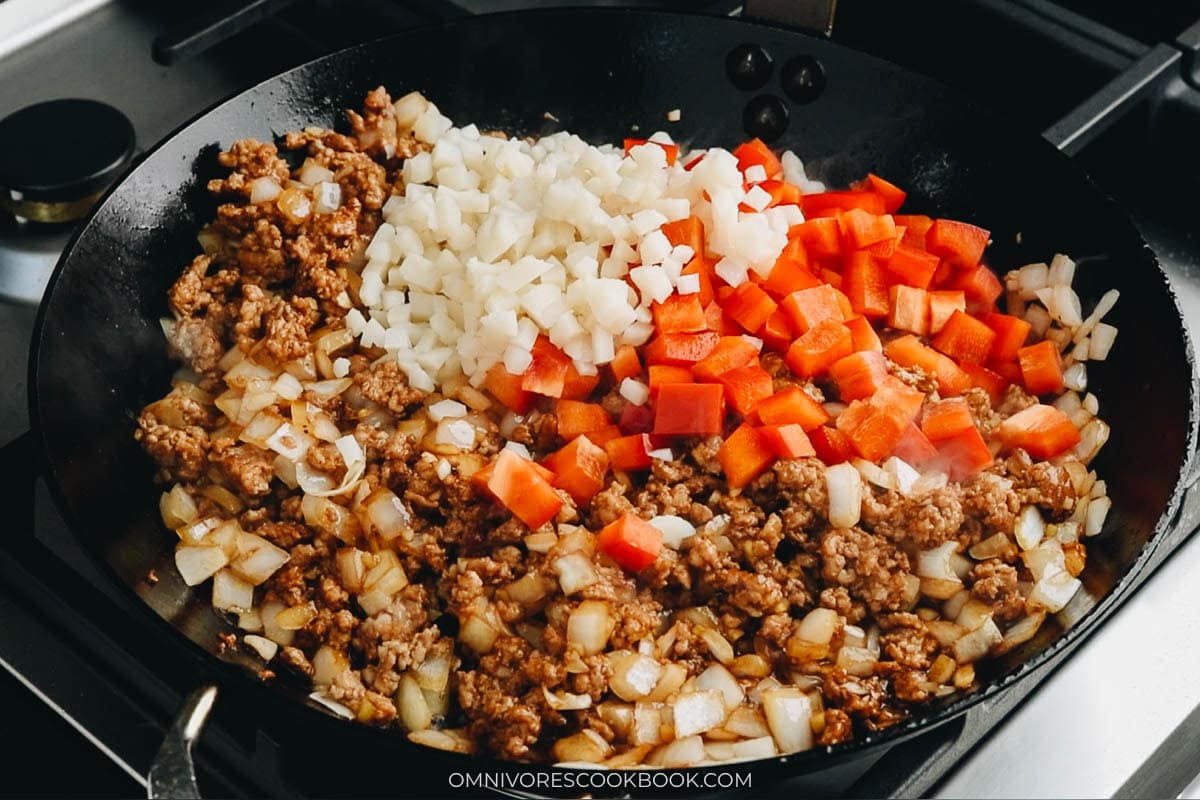
- Vegetable Incorporation (Minutes 12–15): Diced water chestnuts and red peppers are folded into the skillet for a brief two-minute sauté. This rapid application of heat softens the raw edge of the vegetables while preserving their structural crunch.
- Plating and Assembly (Minutes 15–25): The warm filling is transferred to a serving vessel, allowing the residual steam to dissipate slightly before presentation. Whole leaves of iceberg, butterhead, or romaine lettuce serve as the vessel, complemented by garnishes of chopped roasted peanuts, sliced green onions, and optional chili garlic sauce.
Nutritional Overview and Dietary Implications

Nutritional analysis of a standard serving of San Choy Bow highlights its alignment with contemporary health and wellness trends. A typical portion delivers approximately 232 kilocalories, supported by 22.7 grams of high-quality protein and a modest 9.4 grams of total fat (with only 2 grams of saturated fat). Carbohydrate content remains low at 14.5 grams, alongside 1.6 grams of dietary fiber, making the dish a favorable option for individuals monitoring blood glucose levels or adhering to low-carb dietary regimens.
Dietary flexibility is a core attribute of the recipe. Beyond pork, plant-based variations incorporating crumbled tofu have gained traction among vegetarian demographics. Furthermore, the exclusion of heavy starches in the wrapping phase reduces overall caloric density, while the inclusion of fresh leafy greens introduces essential micronutrients and hydration.

Expert Recommendations for Optimal Results
Culinary professionals and experienced home cooks emphasize several key technical guidelines to ensure the success of San Choy Bow:
- Comprehensive Mise en Place: Because high-heat stir-frying requires continuous attention, all ingredients must be measured, chopped, and prepared prior to igniting the burner.
- Temperature Management: Maintaining a high cooking temperature prevents the release of excess moisture from vegetables, safeguarding the crisp texture of the water chestnuts and peppers.
- Thermal Control of Wraps: Allowing the cooked filling to cool slightly before spooning it into lettuce leaves prevents premature wilting of the lettuce structure, ensuring structural integrity during consumption.
- Strategic Prep for Entertaining: Hosts often cook the pork filling in advance, storing it in airtight containers for subsequent reheating, which streamlines meal service during social gatherings.
Serving Variations and Broader Culinary Impact
While traditionally consumed as a handheld appetizer, San Choy Bow has demonstrated versatility across various dining contexts. In multi-course settings, it functions as a light opening dish, frequently paired with traditional accompaniments such as Chinese egg drop soup or cold pickled vegetable salads. Alternatively, home cooks frequently repurpose the filling as a protein-rich topping for steamed white rice or traditional soy sauce noodles, transforming the appetizer into a substantial main course.
The dish’s interactive nature—encouraging diners to construct their own wraps at the table—has influenced modern casual dining trends, which increasingly prioritize communal, engaging food formats. As global interest in East Asian gastronomy continues to expand, San Choy Bow remains a testament to the enduring appeal of balanced flavor, contrasting textures, and accessible culinary techniques.