Chinese Pumpkin Cake (南瓜饼, Nan Gua Bing): A Traditional Delicacy Bridging Cultural Heritage and Modern Culinary Trends

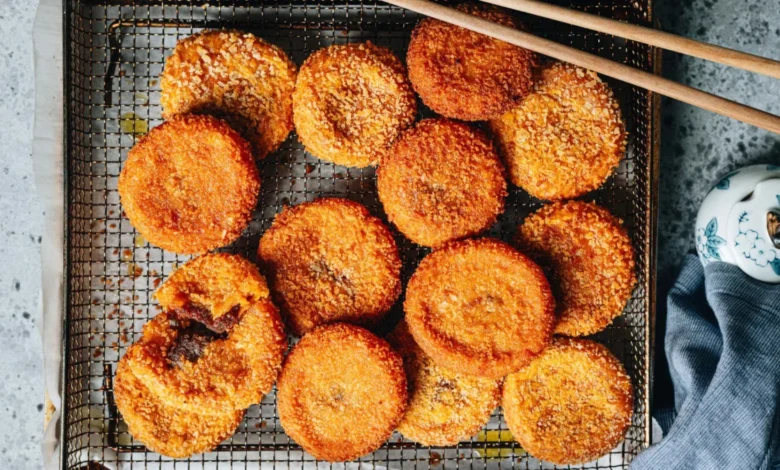
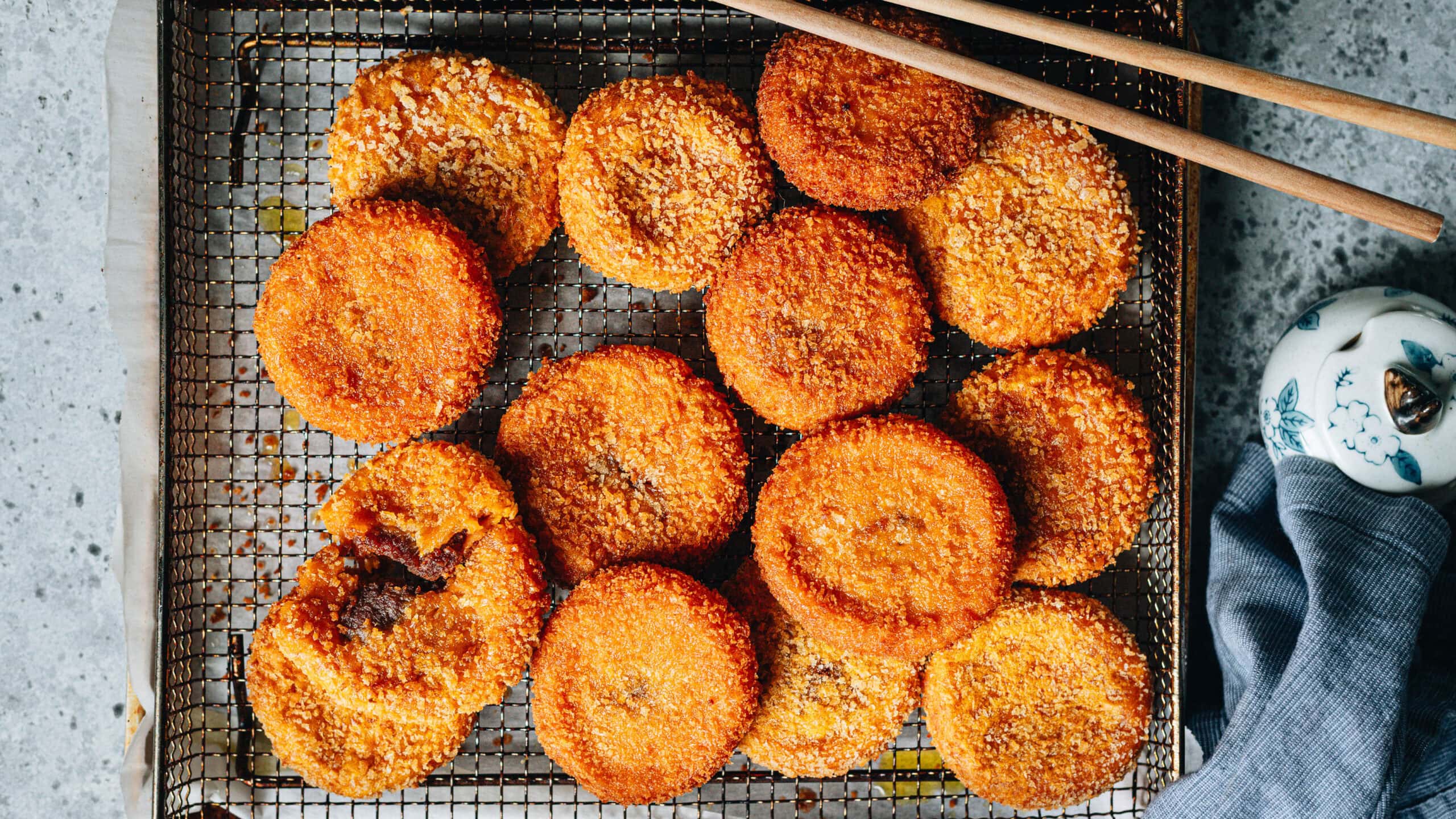
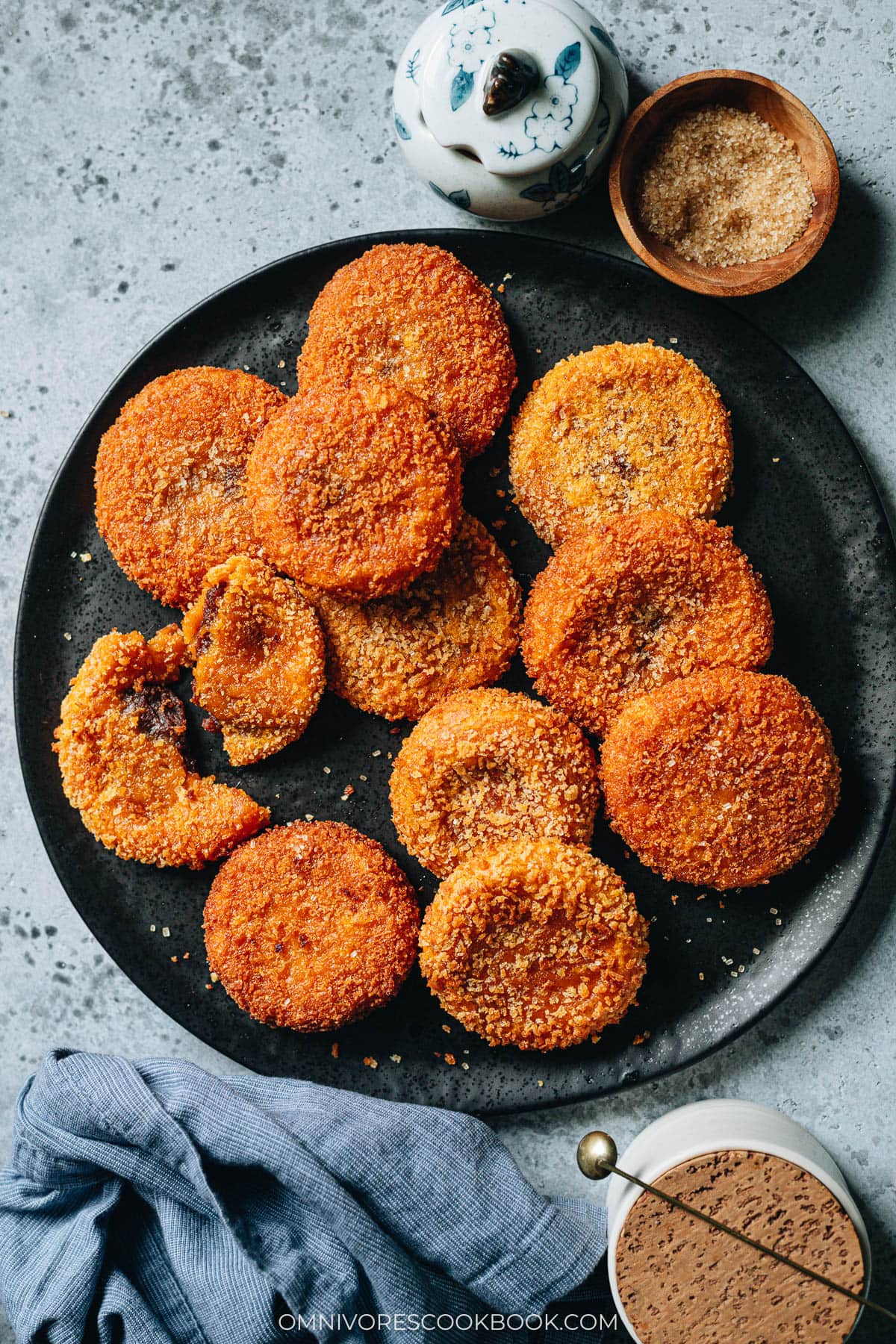
The culinary landscape of autumn often brings forth a rich array of seasonal produce, but few traditional treats capture the contrasting textures of crispness and chewiness quite like the Chinese pumpkin cake, locally known as Nan Gua Bing. Celebrated widely across restaurant menus in China and increasingly embraced in international households, this classic dim sum and snack seamlessly blends vibrant seasonal aesthetics with a distinct mouthfeel reminiscent of Japanese mochi. As autumn temperatures drop, food enthusiasts and home cooks alike turn to this straightforward yet sophisticated preparation, which relies on a minimalist formulation of glutinous rice flour, pumpkin puree, and sweet red bean paste.
Culinary Roots and Cultural Significance
Rooted in centuries of regional Chinese dessert-making traditions, Nan Gua Bing represents the resourcefulness of agrarian cooking, where staple grains and seasonal gourds were combined to create festive and everyday delicacies. Traditionally, the vibrant orange hue of the cake is derived naturally from the pumpkin flesh, symbolizing warmth and abundance during the harvest season. While its exact geographic origin within China remains a shared heritage across multiple provinces, its evolution into a staple of modern dim sum culture underscores its enduring appeal. In contemporary culinary spaces, the dessert has transcended its traditional boundaries, frequently appearing on international holiday tables—including Asian-inspired Thanksgiving menus across North America—where it serves as a bridge between Asian culinary traditions and Western seasonal celebrations.
Core Ingredients and Formulation Mechanics
The preparation of authentic Chinese pumpkin cake hinges on a precise balance of four primary components: glutinous rice flour, pumpkin puree, a sweet filling, and an exterior coating.
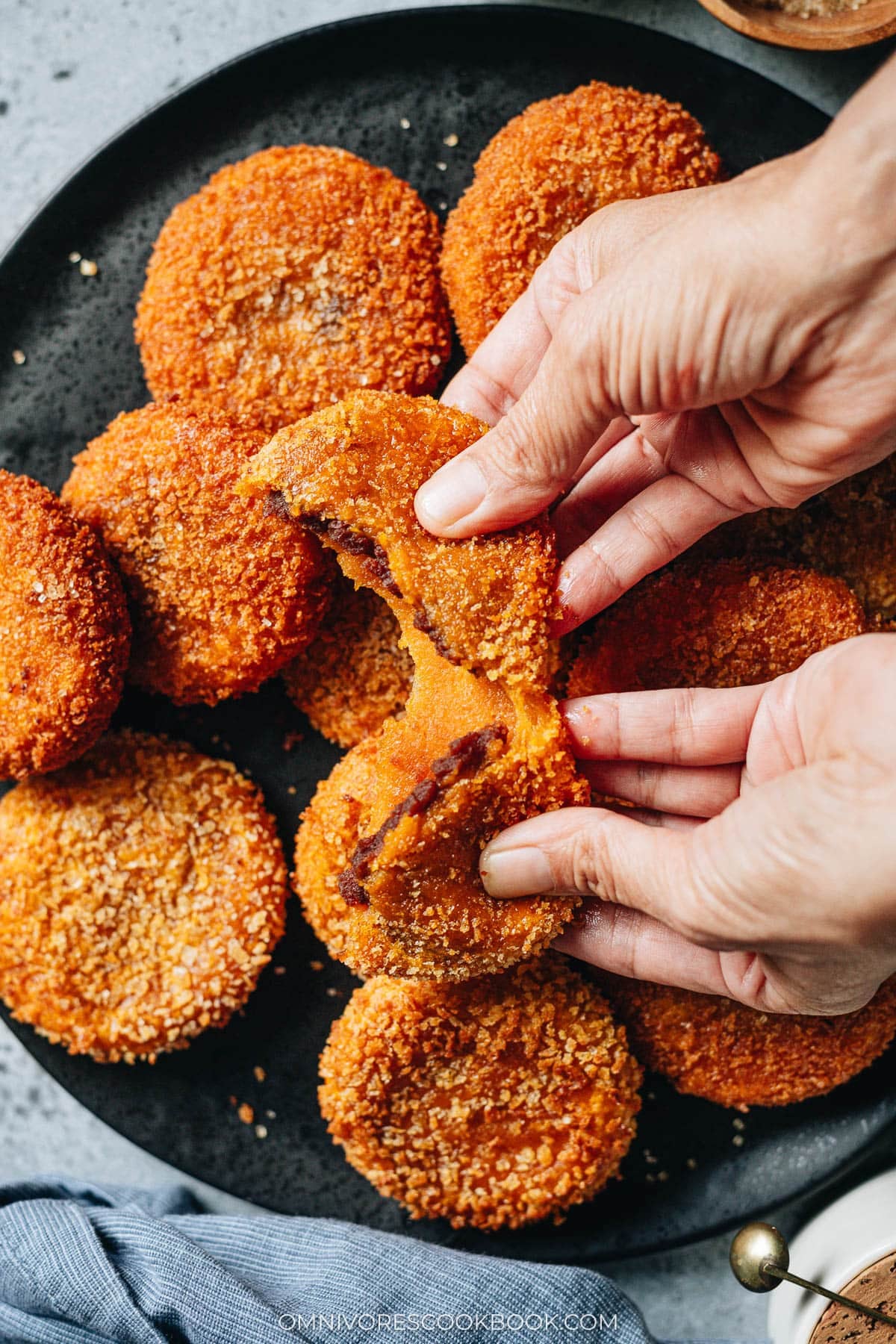
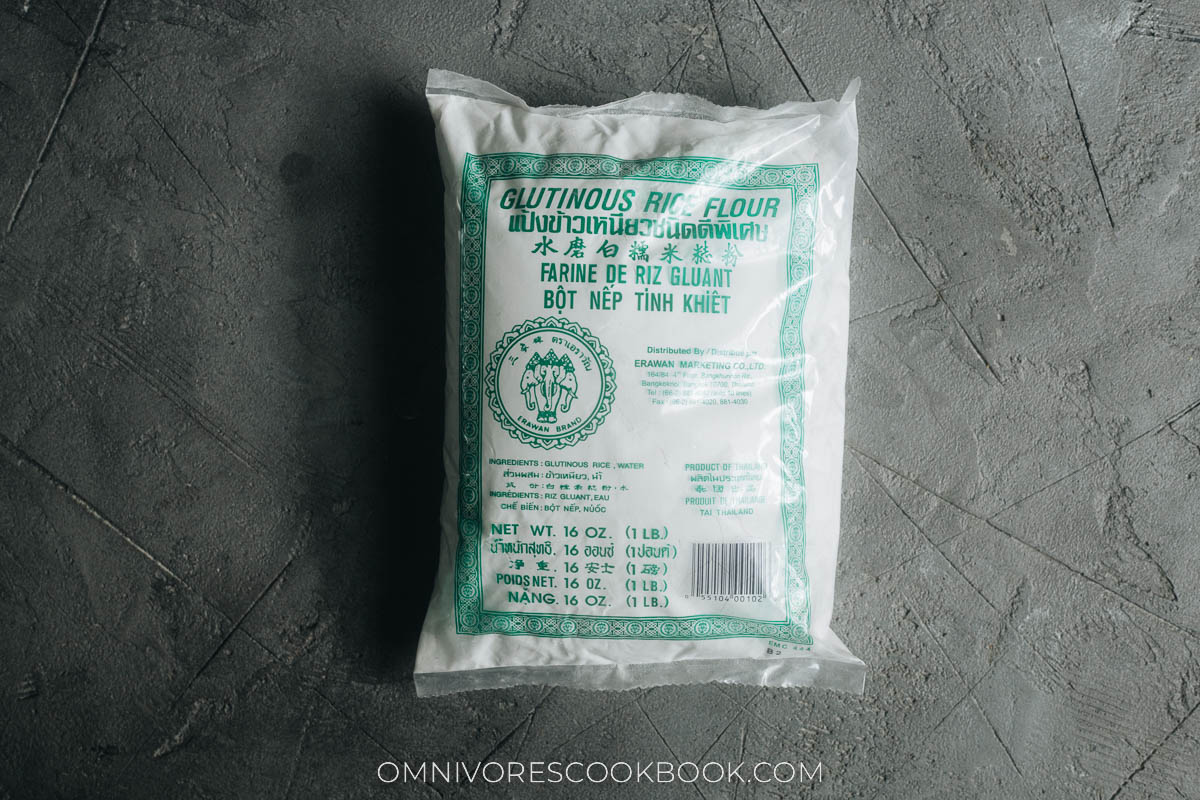
Glutinous rice flour, alternatively marketed as sweet rice flour or sticky rice flour, serves as the structural foundation of the recipe. Unlike standard wheat flour, which relies on gluten development for elasticity, glutinous rice flour contains high levels of amylopectin starch. When hydrated, it transforms into a pliable, clay-like dough that yields a characteristic chewy, mochi-like interior upon cooking. Culinary experts note that this flour is remarkably forgiving for novice bakers, as it lacks complex gluten networks that can become tough if overworked.
Pumpkin puree provides both the necessary moisture and the characteristic golden-orange pigmentation. While canned puree offers significant time-saving advantages for domestic cooks, traditional purists often utilize fresh varieties such as red kuri squash, kabocha squash, or standard field pumpkins. Varieties like red kuri are particularly favored for their naturally sweet flesh and dense texture.
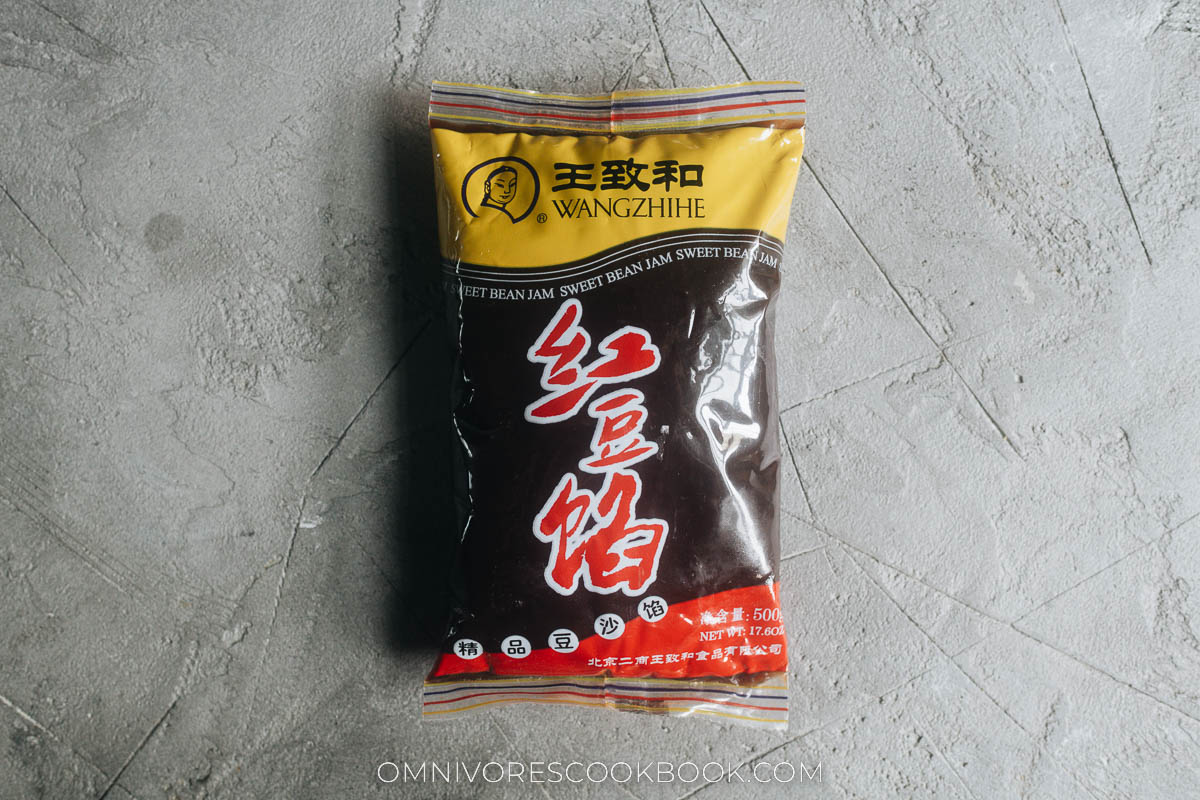
For the interior, sweet red bean paste remains the traditional standard. Whether prepared from scratch using adzuki beans to achieve a balanced, less-sweet profile or procured commercially for convenience, the paste provides a rich, earthy contrast to the outer shell. Alternative fillings, such as black sesame paste derived from traditional tang yuan recipes, are also deployed to create a luxurious, molten center. Finally, an exterior rolling of panko bread crumbs ensures that shallow-frying or air-frying yields an optimal crackling crust.
Step-by-Step Preparation Protocol
The modern adaptation of the recipe standardizes the production timeline to approximately 40 minutes, accommodating both traditional stovetop methods and modern appliance alternatives.
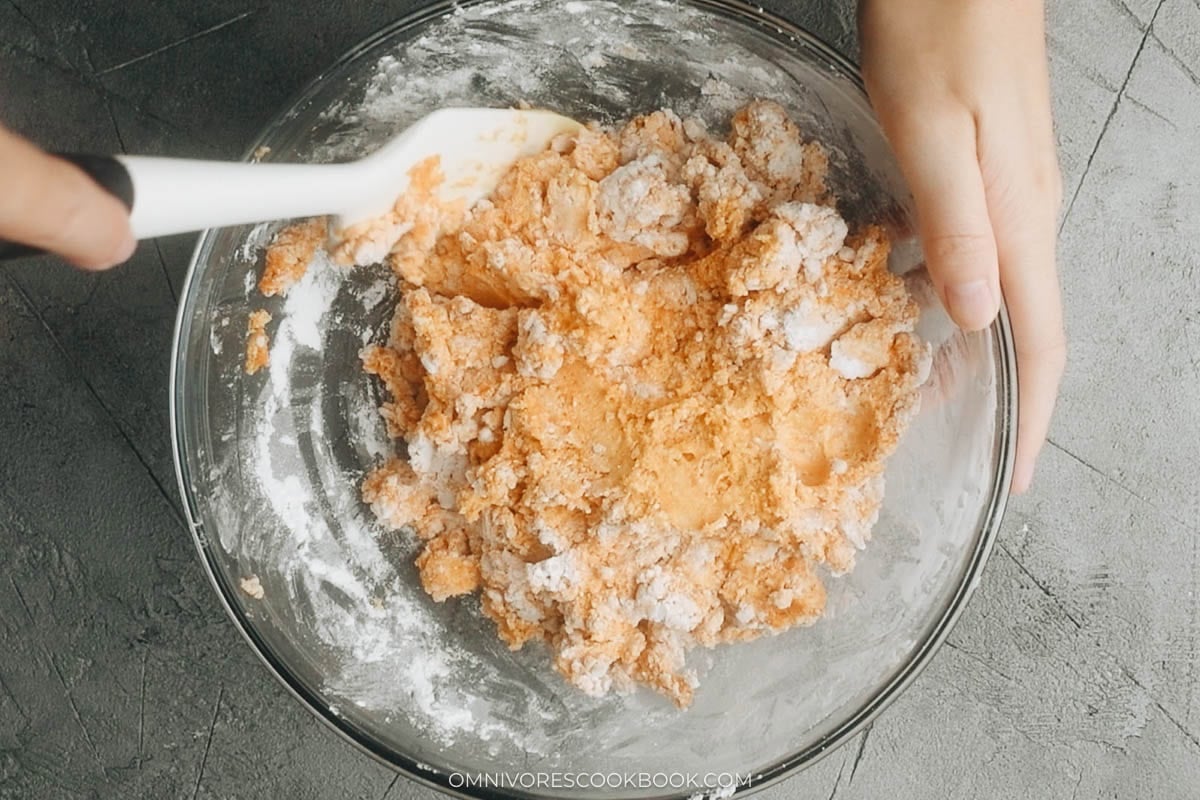
- Dough Formation: Glutinous rice flour is systematically incorporated into the pumpkin puree in small increments—typically two tablespoons at a time—to prevent clumping and ensure uniform hydration. The mixture is stirred until cohesive, then kneaded by hand for approximately five minutes until the surface is completely smooth and devoid of dry pockets.
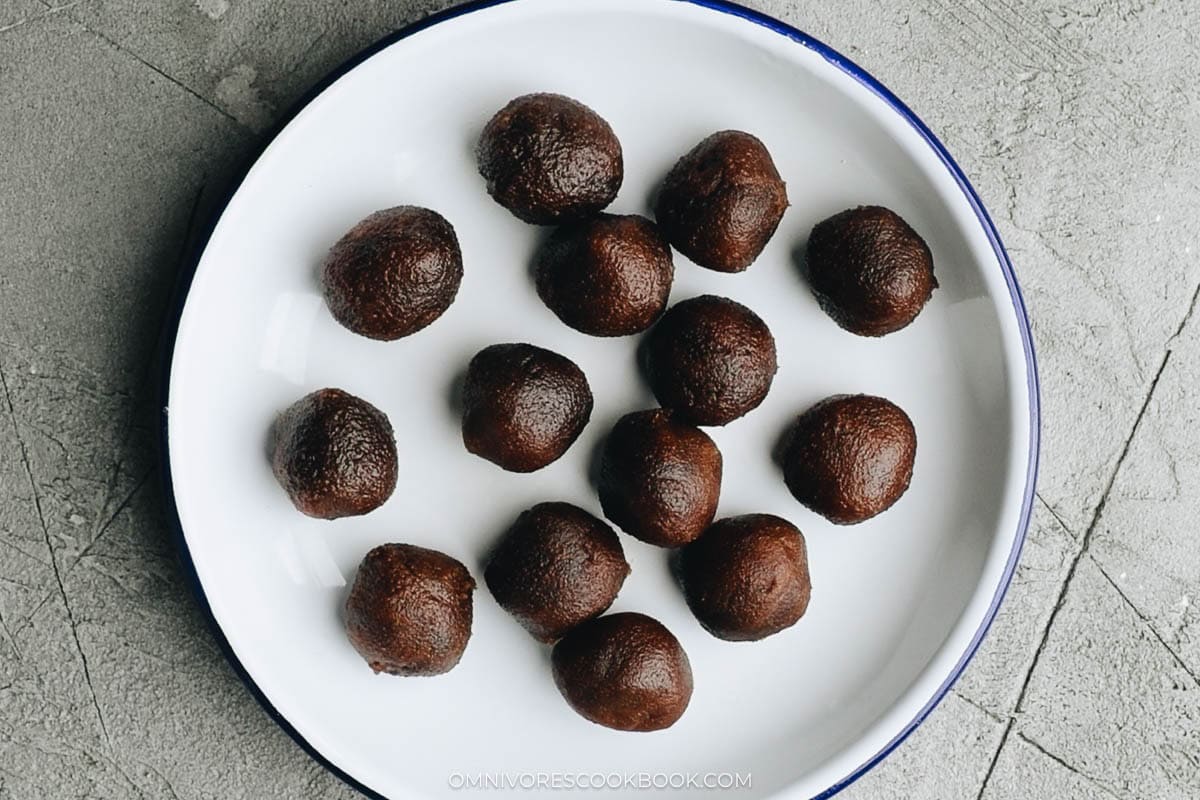
- Portioning and Filling: The sweet red bean paste is portioned into uniform two-teaspoon spheres, yielding approximately 16 individual filling balls. Concurrently, the pumpkin dough is divided and weighed to ensure structural consistency, typically apportioned into 41-gram segments and rolled into smooth balls.
- Assembly: Each dough ball is flattened into a disc approximately two inches in diameter. A sphere of red bean paste is placed in the center, and the dough is carefully drawn upward to seal the filling completely. The sealed unit is then gently pressed into a mini pancake roughly half an inch thick, ensuring sufficient dough thickness to maintain the internal mochi texture.
- Exterior Coating: The formed cakes are lightly pressed into panko bread crumbs on both sides to establish the requisite textural contrast.
- Cooking Methodologies:
- Shallow-Frying: Approximately half an inch of neutral oil is heated in a skillet over medium-high heat before reducing to medium-low. The cakes are fried for roughly two minutes per side until golden brown, requiring careful temperature management to ensure the interior cooks thoroughly without burning the exterior.
- Air-Frying: As a modern alternative, preheating an air fryer to 350°F allows for a lower-fat preparation. Cakes are arranged on perforated parchment paper, sprayed generously with oil, and cooked for six minutes before flipping and crisping for an additional four minutes.
Nutritional Profile and Dietary Analysis
From a nutritional standpoint, a standard single-serving portion of Chinese pumpkin cake—weighing in at approximately one piece—delivers a moderate caloric intake of roughly 129 kilocalories. The macronutrient breakdown reflects its carbohydrate-dense composition, registering approximately 28 grams of carbohydrates, primarily driven by the glutinous rice flour and the saccharine red bean filling. Protein content remains low at roughly 2 grams per serving, while fat content is minimal at 0.5 grams, assuming a standard air-fried or efficiently drained shallow-fried preparation. Dietary fiber is present at 1 gram per serving, complemented by trace minerals such as iron and calcium, alongside naturally occurring vitamins derived from the pumpkin base.
Culinary Adaptations and Storage Guidelines
To maintain the optimal sensory experience—characterized by a crisp, crackling exterior and a gooey, elastic interior—culinary professionals recommend serving the pumpkin cakes immediately upon preparation, frequently accompanied by a pot of unflavored green or oolong tea.
For meal-planning and preservation, storage protocols dictate that cooked cakes can be maintained in an airtight container within a refrigerator for up to three days, or frozen for up to three months. Rethermalization requires specific thermal management: utilizing an air fryer or a preheated oven at 300°F, or employing a covered skillet with minimal oil, effectively restores the crispness of the outer crust without compromising the moisture of the interior mochi layer. Through these standardized practices, the traditional Chinese pumpkin cake continues to endure as a versatile, cross-cultural delicacy favored for its unique textural interplay and accessible preparation.