The Evolution of Modern Hospitality: A Portrait of Sommelier Lasse Peder Nielsen and the Copenhagen Culinary Scene

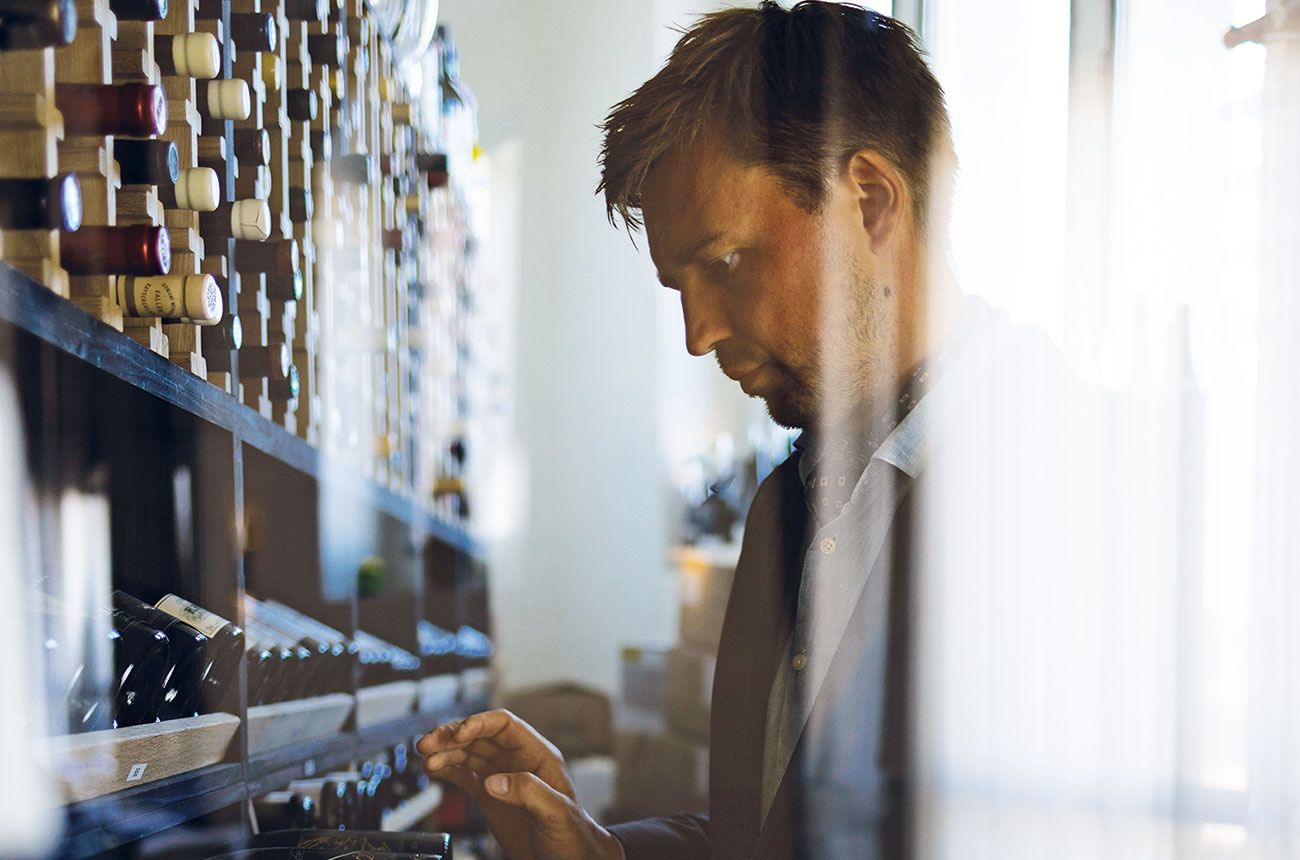
Lasse Peder Nielsen, a cornerstone of the Danish hospitality sector and a pivotal figure in the evolution of contemporary Nordic dining, currently serves as the general manager and partner at Koan, Copenhagen’s acclaimed two-Michelin-starred destination. With a career spanning over 15 years, Nielsen has navigated the shifting tides of the Scandinavian restaurant landscape, contributing to the operational success of notable establishments such as 108 and Barr. His professional trajectory offers a unique window into the maturation of the Copenhagen fine-dining scene, which has transitioned from the initial "New Nordic" revolution toward a more nuanced synthesis of regional precision and global, particularly Asian, culinary sensibilities.
A Foundation Built on Vintages
Nielsen’s career trajectory began in his late teens, an era that coincided with the rapid international ascent of Copenhagen as a global gastronomic capital. His entry into the industry at age 18 provided him with an early education in the rigors of service and the complexities of wine management. Under the mentorship of restaurant owner Henrik Laszlo, Nielsen’s nascent interest in viticulture was catalyzed by a transformative encounter with two legendary Champagnes: the 1996 vintage of both Dom Pérignon and Salon.
This formative experience served as a benchmark for his future career, anchoring his professional focus on the balance between historical prestige and modern discovery. Over the subsequent five years at that initial establishment, Nielsen transitioned from an eager novice to the manager of the restaurant and its cellar, a period that mirrored the broader professionalization of the Danish service industry. This era of his career laid the essential groundwork for his current approach at Koan, where the wine program is tasked with complementing a highly technical, multi-sensory menu.
The Philosophy of Service at Koan
At Koan, which has gained international recognition for its fusion of Nordic ingredients and Korean culinary techniques, the role of the sommelier has expanded beyond traditional pairings. The restaurant’s methodology emphasizes "Nordic precision," a concept that requires the service staff to possess an intimate understanding of both the volatile climate of the Baltic region and the intricate flavor profiles of fermented, cured, and raw ingredients.
Nielsen’s influence is most visible in the restaurant’s beverage list, which balances high-end, classic European producers with a growing commitment to Scandinavian viticulture. A primary example of this shift is his pride in serving Krug Clos du Mesnil by the glass—a testament to the high standards maintained at the establishment—while simultaneously championing local producers like Njord. The success of Njord’s Pinot Noir Précoce, which Nielsen notes frequently confounds guests and even seasoned professionals during blind tastings, signifies a turning point for Danish winemaking. This reflects a broader trend in Northern Europe, where rising average temperatures and improved viticultural technology are enabling the production of high-quality cool-climate wines that were previously deemed impossible to cultivate in the region.
The Changing Landscape of European Viticulture
Beyond the walls of the restaurant, Nielsen’s professional outlook provides insight into the current market dynamics of the European wine trade. His preference for regions such as the Valais and Vaud in Switzerland, as well as the Jurançon in southwestern France, highlights a shift among high-end sommeliers toward "value-driven" regions. These areas, while historically overshadowed by the massive output of Bordeaux or Burgundy, offer, in the view of many industry experts, superior quality-to-price ratios.
This shift is not merely a matter of cost-effectiveness but a reflection of a broader move toward transparency and sustainable production. Nielsen notes a distinct "pet hate" regarding the modern trend of justifying flawed wines under the umbrella of "natural wine" production. This sentiment is shared by many within the industry who argue that the lack of technical rigor in certain natural wine sectors can result in inconsistent, or objectively faulty, products that do not serve the guest experience. By advocating for quality over trend-chasing, Nielsen represents a cohort of hospitality leaders who prioritize technical integrity and consistent guest satisfaction over the fleeting appeal of industry fads.
Historical Context and Regional Development
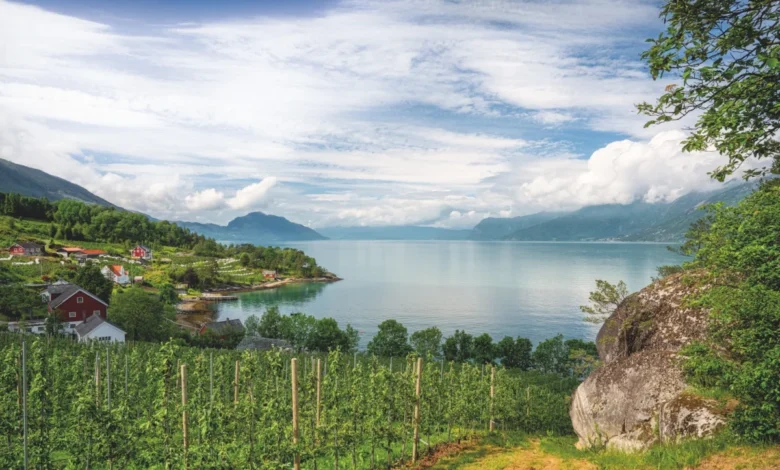
The rise of Scandinavian wine production, as seen in the success of the Stokkebye family’s Stella Mary sparkling wine from Fyn, is a critical development in the context of the 21st-century food movement. Historically, Denmark’s climate was considered too harsh for viticulture, but the last decade has seen a dramatic increase in the number of commercial vineyards.
According to regional data, the number of registered wineries in Denmark has grown significantly since the early 2000s, bolstered by the "northern exposure" phenomenon. This shift has not only created new supply chains for local restaurants but has also fostered a sense of national identity within the wine world. For a high-end restaurant like Koan, integrating these local products into a Michelin-starred menu serves as a bridge between the hyper-local movement that defined the early 2000s and the modern, globally connected fine-dining experience.
Service Standards and Industry Resilience
The realities of the hospitality industry are often stripped of their glamour when examined through the lens of daily operations. Nielsen’s recollection of his most embarrassing career moment—dropping a tray of drinks on a guest—serves as a reminder of the human element in high-stakes service environments. Such anecdotes are common among veteran hospitality professionals, reflecting the immense pressure of maintaining a seamless "front of house" during peak service hours.
Furthermore, his approach to the "after-work meal"—a simple pairing of rye bread, cold cuts, and leftover Champagne—underscores the necessity of balancing the intensity of professional fine dining with the pragmatism of daily life. This contrast is essential to understanding the longevity of professionals in this sector; the ability to appreciate simplicity is often what prevents burnout in an industry defined by its constant pursuit of perfection.
Future Implications for the Copenhagen Dining Scene
As Copenhagen continues to hold its position as a global leader in gastronomy, the role of professionals like Lasse Peder Nielsen becomes increasingly central. The interplay between traditional European wine regions and emerging local production suggests that the next decade will see a more diversified wine list in top-tier restaurants.
The focus on Champagne as a versatile, year-round drink—as emphasized by Nielsen’s frequent visits to Reims and his endorsement of establishments like Brasserie Le Jardin—highlights the enduring dominance of classic French regions. However, the willingness to look toward Switzerland, the Jurançon, and the burgeoning vineyards of Fyn suggests that the future of the industry is one of curated diversity.
For the aspiring sommelier or the casual diner, the career of Lasse Peder Nielsen demonstrates that the art of hospitality is a balance of historical respect and forward-thinking adaptation. Whether it is through the meticulous curation of a wine list that honors both the Krug legacy and the experiments of a local producer, or through the commitment to technical excellence in service, the objective remains the same: to provide an elevated experience that bridges the gap between the producer’s craft and the guest’s palate. As the industry faces new challenges, from climate change affecting traditional viticulture to the increasing demand for sustainable business models, the path forward for leaders in the field will require the same blend of precision, resilience, and curiosity that has defined Nielsen’s career to date.
Related posts: