Authentic Chinese Sweet and Sour Pork: A Culinary Journey Beyond Takeout

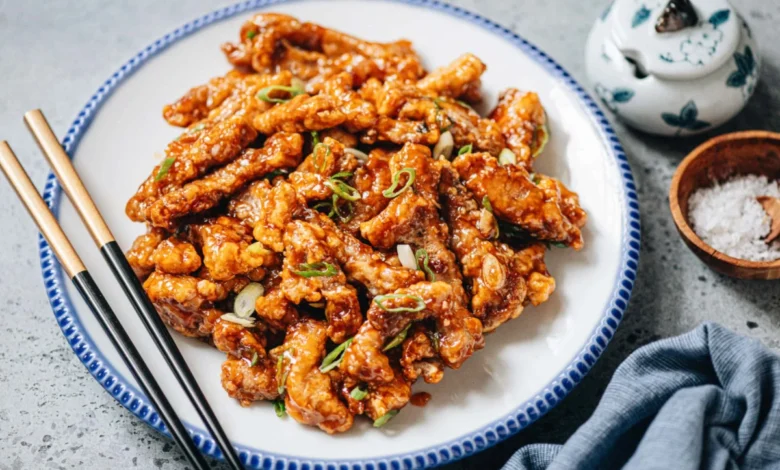
The familiar sweet and sour pork, a staple on many American Chinese restaurant menus, often presents a departure from its authentic origins. However, a recent culinary exploration by Omnivore’s Cookbook sheds light on a more traditional rendition, one that emphasizes a delicate balance of flavors and textures, rooted in Chinese home cooking. This article delves into the nuances of this authentic sweet and sour pork recipe, exploring its historical context, preparation methods, and its place within the broader landscape of Chinese cuisine.
The genesis of this refined sweet and sour pork recipe lies in a desire to recreate the flavors of childhood. The author recounts a culinary landscape in China where sweet and sour pork is a common dish, distinct from its Westernized counterpart. Traditional Chinese restaurants often employ a double-frying technique to achieve a robustly crispy shell capable of withstanding a more generous application of sauce. This meticulous process results in pork pieces that remain remarkably crisp, a stark contrast to the often softer, heavily glazed versions found elsewhere.
Omnivore’s Cookbook’s approach, while aiming for a similar flavor profile, adapts the cooking method for a home kitchen. Instead of deep-frying, the recipe advocates for pan-frying, utilizing a fraction of the oil. This method yields tender, juicy pork bites with a pleasingly light coating. It is important to note, as the author candidly points out, that this pan-fried texture will naturally soften upon contact with the sauce, a characteristic inherent to many authentic preparations where the sauce is designed to coat rather than inundate.
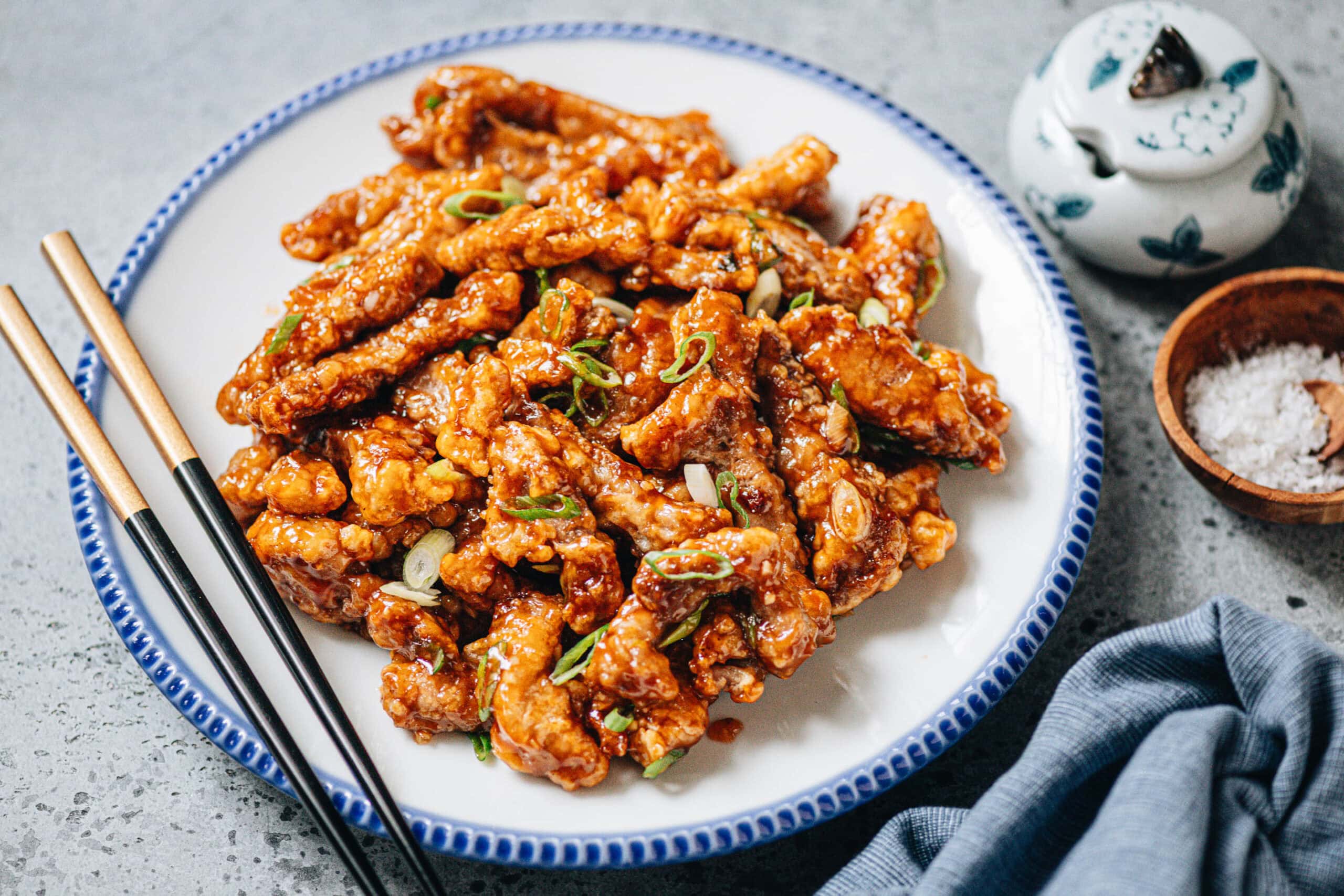
The development of the sauce itself was a rigorous undertaking, involving extensive testing to achieve the perfect equilibrium. Various vinegars, including rice vinegar, Chinkiang vinegar, and apple cider vinegar, were evaluated, both with and without the inclusion of ketchup. The winning combination emerged as apple cider vinegar and ketchup, a pairing that delivers a fruity tang without overwhelming the palate. This carefully calibrated sauce is applied sparingly, just enough to coat the pork, a departure from the copious amounts of glaze often found in takeout versions. This judicious application ensures the pork retains its texture and absorbs the flavors without becoming waterlogged.
The preparation process for this authentic sweet and sour pork is designed for efficiency, making it accessible for busy families. The pork tenderloin, chosen for its trim and tender nature, is cut into matchstick-like pieces. A simple marinade of salt and oil is applied, followed by a coating of beaten egg and cornstarch. This coating, a technique frequently employed in Chinese fried dishes, achieves a satisfying crispness in shallow oil without the need for deep-frying. The final flourish involves tossing the pan-fried pork in a quick sauce infused with garlic and green onions, adding a fragrant aromatic layer. The entire dish can be prepared in under 40 minutes, offering a cost-effective and superior alternative to ordering takeout.
A Closer Look at the Ingredients
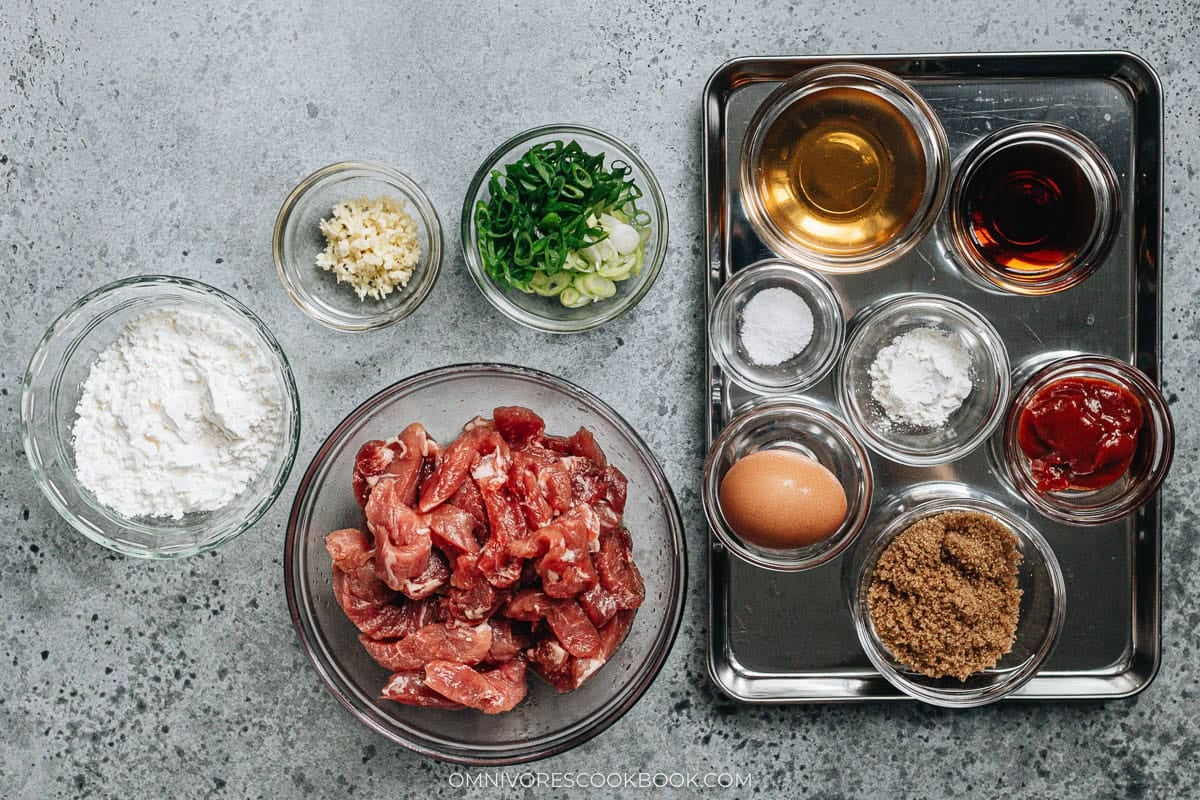
The ingredient list for this authentic sweet and sour pork is notably concise, a testament to its focus on core flavors. The recipe eschews long lists of pantry staples, instead relying on a few key components to deliver maximum impact.
Pork: Pork tenderloin is the preferred cut due to its inherent tenderness and lean composition, ensuring a juicy interior. Pork loin serves as a suitable alternative, though pork chops are generally avoided as they can result in a tougher, drier outcome.
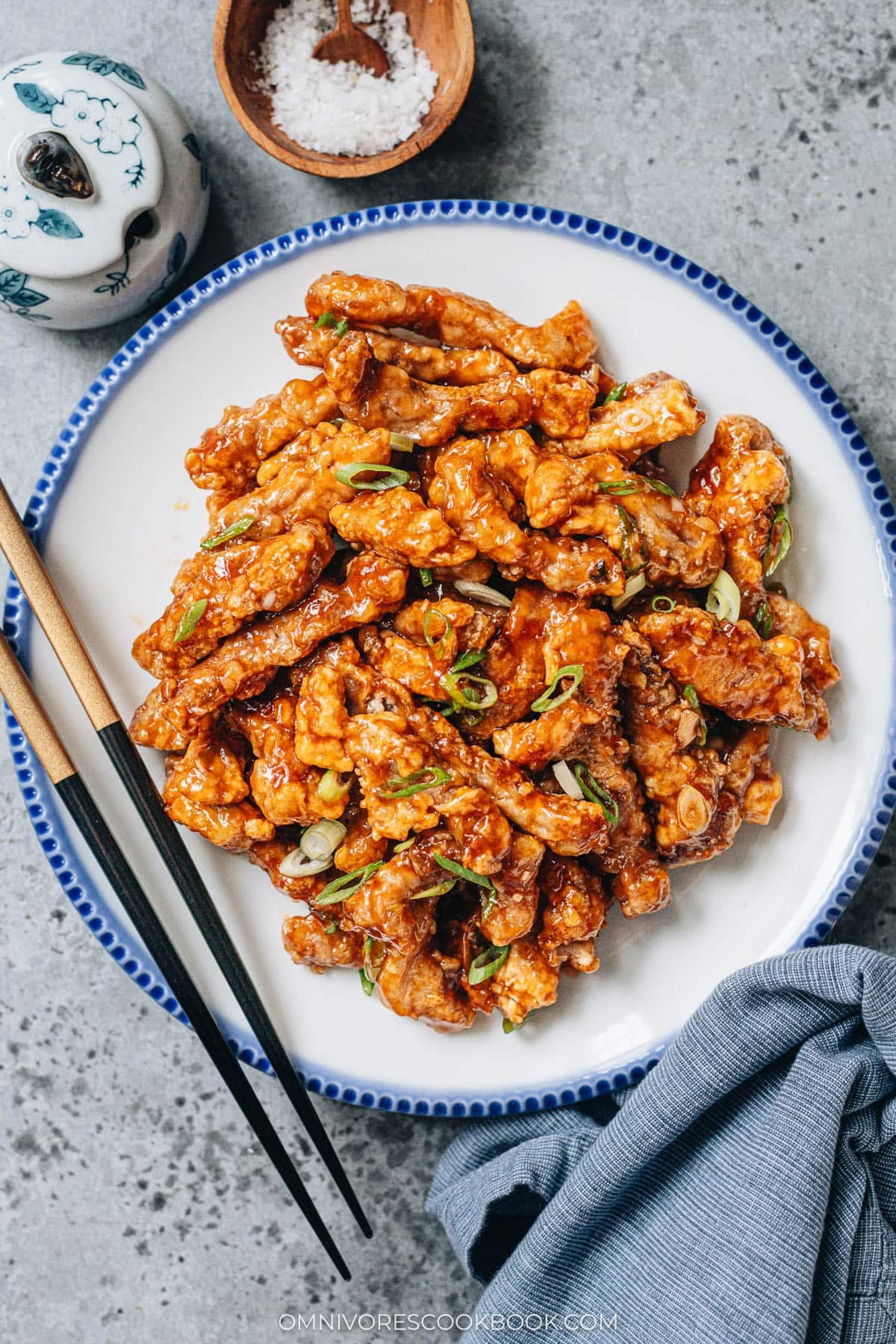
Pork Marinade: A simple mixture of salt and peanut oil is used. The salt seasons the pork, while the oil helps the subsequent egg and cornstarch coating adhere effectively.
Sweet and Sour Sauce: The heart of the dish lies in its sauce. The key ingredients are ketchup, apple cider vinegar, Shaoxing wine, brown sugar, cornstarch, and salt. For those seeking a gluten-free adaptation, Shaoxing wine can be substituted with dry sherry, and a gluten-free ketchup can be utilized. The blend creates a sauce that is both tangy and slightly sweet, with a pleasant pungency.
Coating: A straightforward combination of beaten egg and cornstarch forms the coating. The goal is an uneven layer that allows for pockets of crispiness during the pan-frying process.
Aromatics: Freshly sliced green onions and minced garlic are crucial for infusing the dish with aromatic depth. These are briefly bloomed in hot oil before the sauce is added, releasing their fragrant compounds.
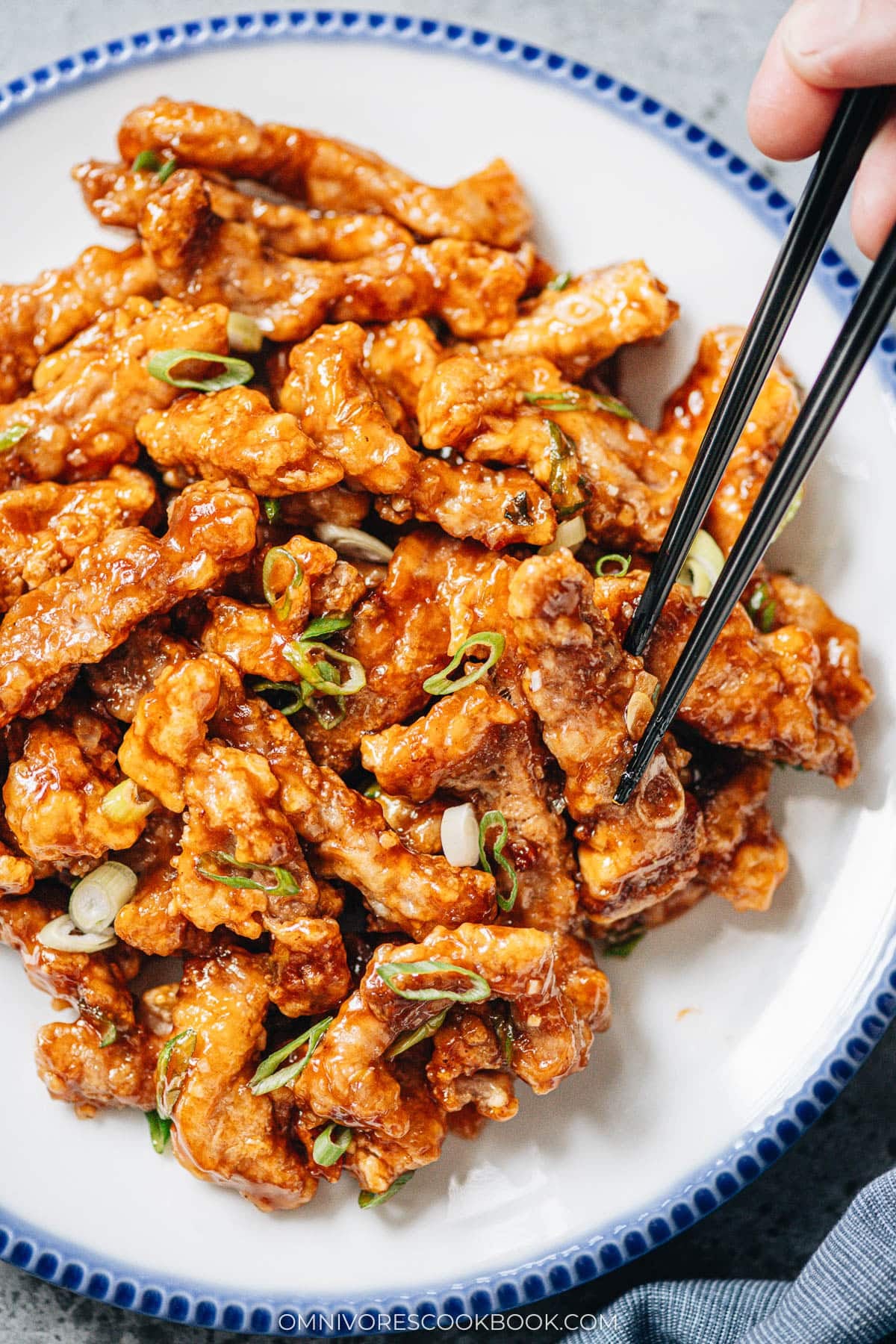
Frying Oil: Peanut oil is recommended for its high smoke point, making it ideal for pan-frying. Vegetable oil is a viable substitute if peanut oil is unavailable.
The Art of Preparation: A Step-by-Step Guide
The preparation of this authentic sweet and sour pork is a methodical yet straightforward process, designed for optimal flavor and texture.
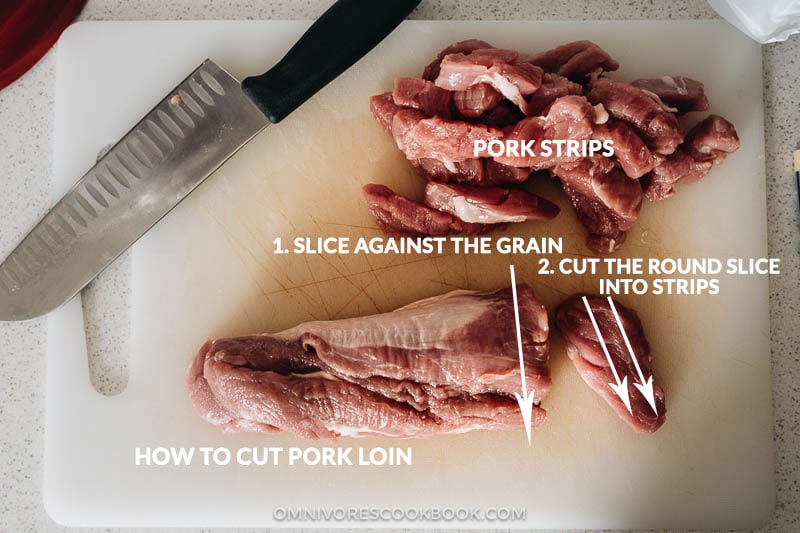
1. Preparing the Pork: The pork tenderloin is first sliced crosswise into ½-inch thick rounds. Each round is then cut into strips approximately ½-inch thick and 2 inches long, resembling matchsticks. This uniform sizing ensures even cooking.
2. Marinating the Pork: The cut pork strips are placed in a medium bowl and seasoned with salt. Peanut oil is then added, and the mixture is thoroughly combined. The pork is left to marinate for approximately 15 minutes while other components are prepared.
3. Crafting the Sauce: In a separate small bowl, the ketchup, apple cider vinegar, Shaoxing wine, brown sugar, cornstarch, and salt are whisked together until the sugar is fully dissolved. This mixture is then set aside.
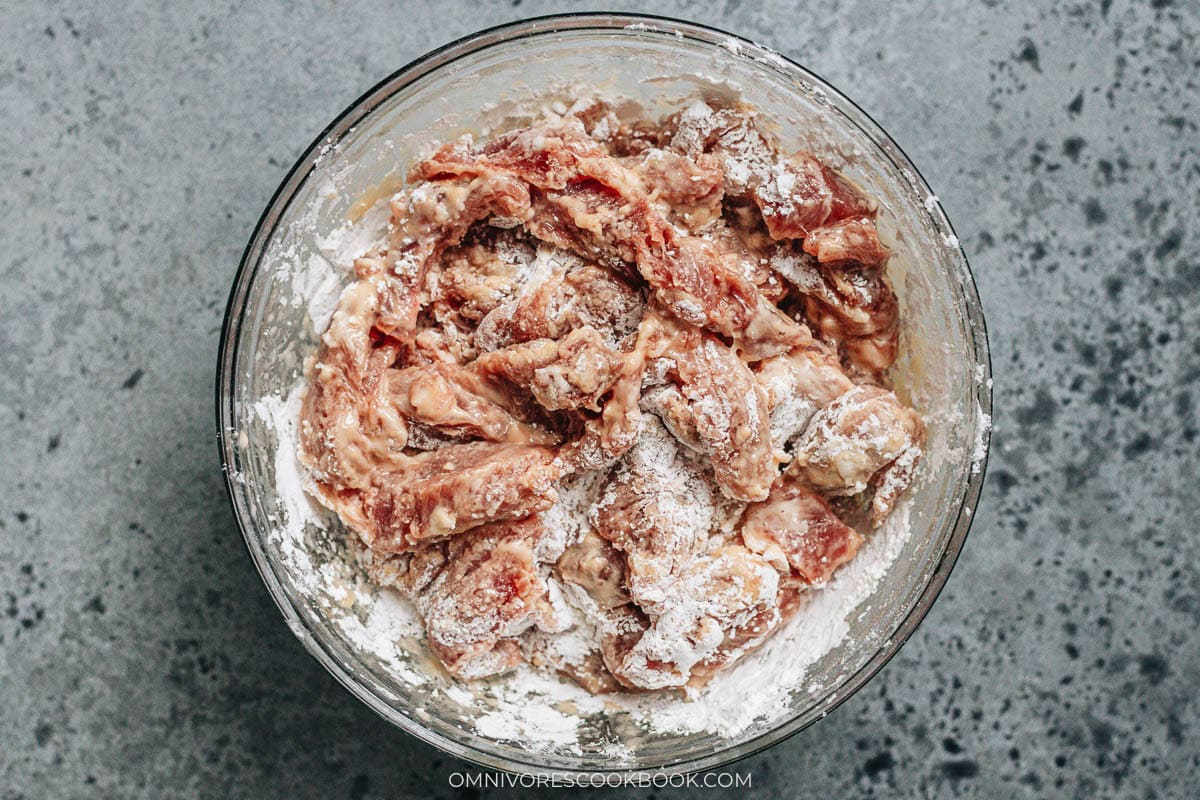
4. Coating the Pork: Just before cooking, the marinated pork is tossed with a beaten egg until each piece is evenly coated. Subsequently, cornstarch is added, and the pork is stirred until it achieves an uneven coating, with a small amount of dry cornstarch remaining loose in the bowl. This technique promotes a desirable crisp texture.
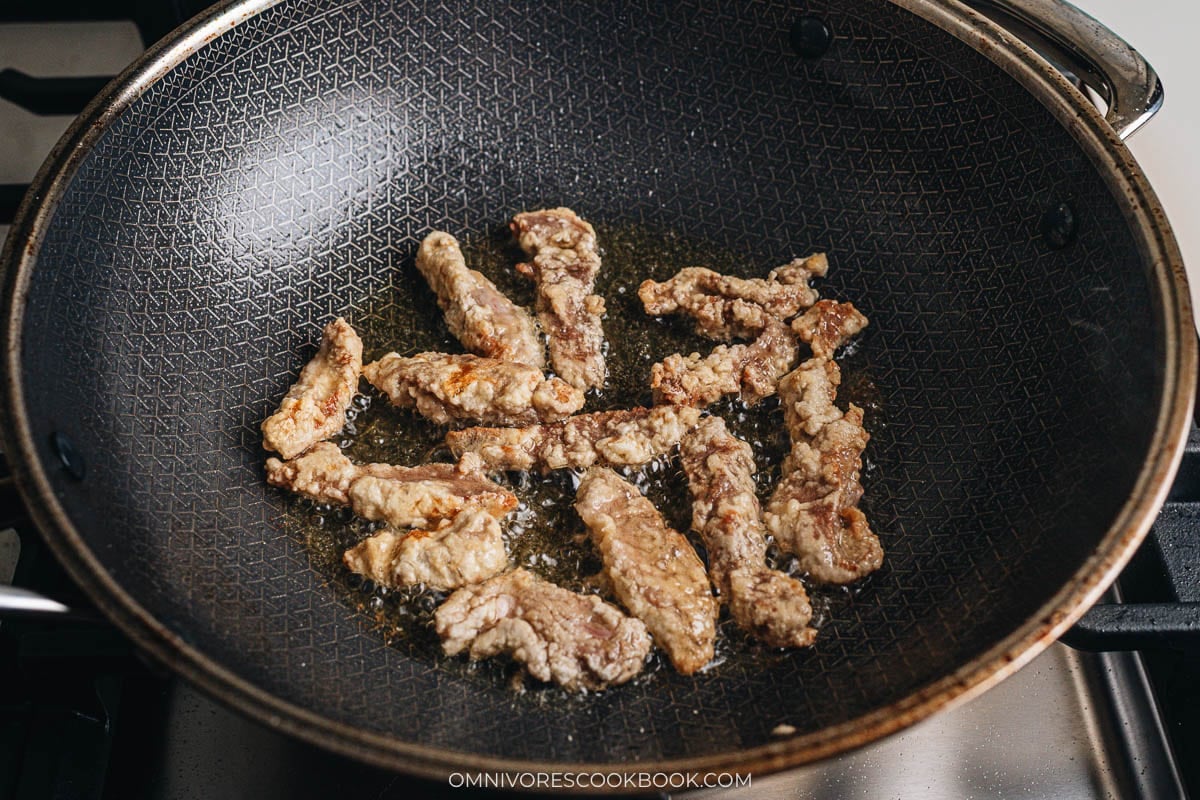
5. Pan-Frying the Pork: A wok or large skillet is heated over medium-high heat with peanut oil. Once the oil shimmers, the coated pork pieces are added one by one, ensuring they do not overlap. They are cooked undisturbed for about 2 minutes until the bottom turns golden brown. The pieces are then flipped and cooked for an additional minute before being removed to a plate. This process is repeated in batches to avoid overcrowding the pan, which can lead to uneven cooking and a less crispy coating.
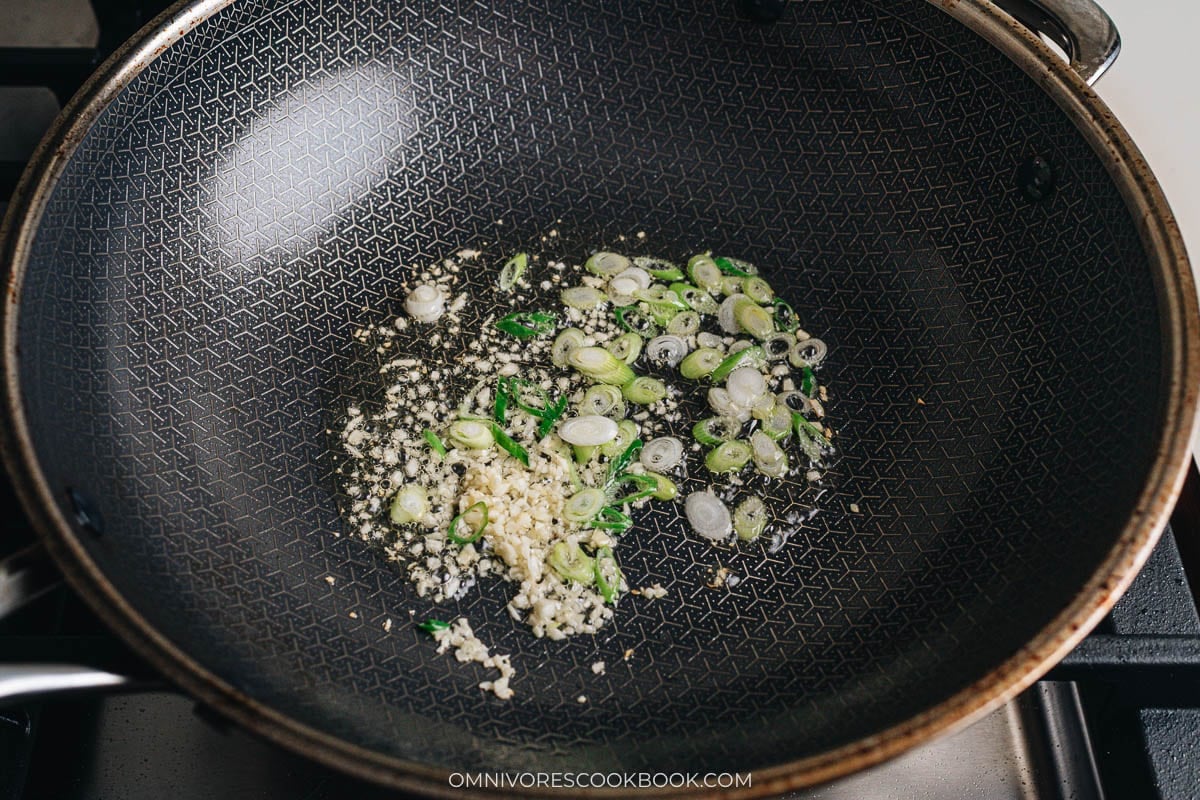
6. Blooming the Aromatics: After the pork is fried, the wok is wiped clean and returned to the heat with a tablespoon of oil. Sliced green onions and minced garlic are added and stir-fried for a few seconds until fragrant. This brief sautéing releases their aromatic essence.
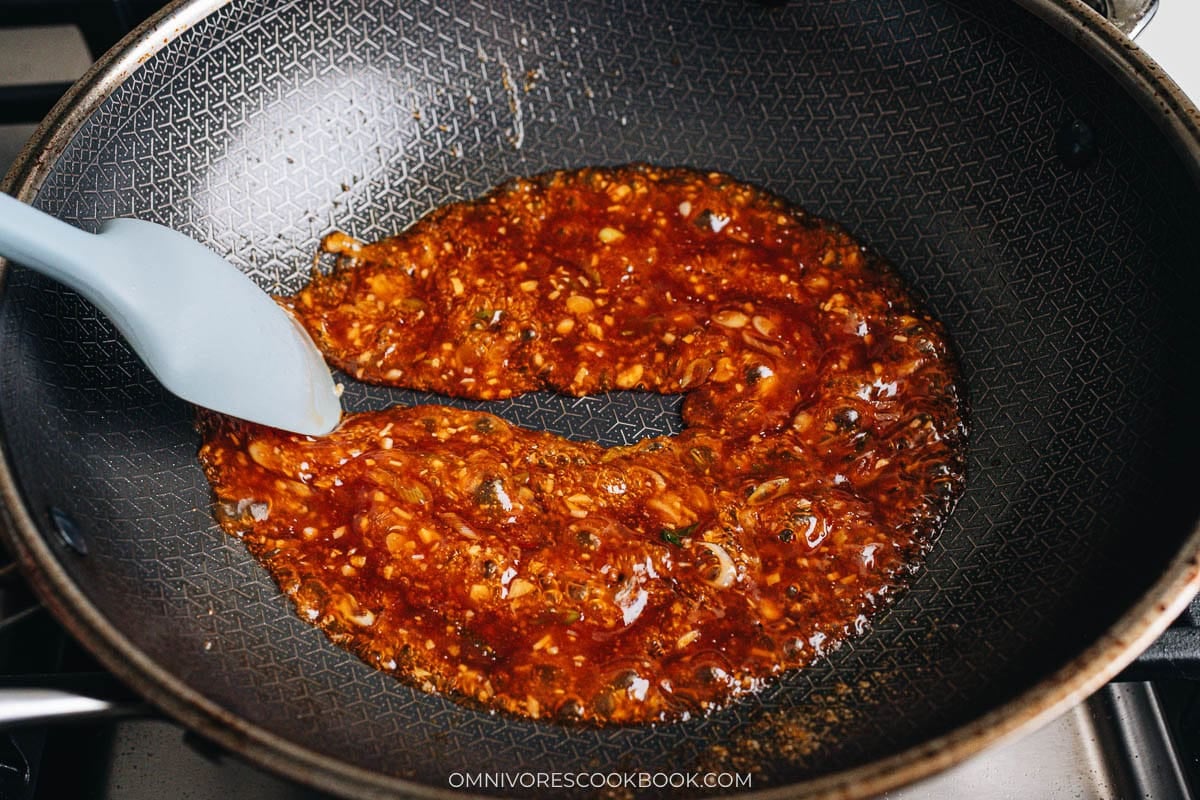
7. Thickening the Sauce: The prepared sweet and sour sauce is stirred again to ensure the cornstarch is fully dissolved. It is then poured into the wok with the aromatics and stirred continuously until it thickens to a glossy, cohesive consistency. The sauce should be thick enough that a spatula drawn across the bottom of the pan leaves a trail that slowly fills in.
8. Tossing the Pork in Sauce: The fried pork pieces are returned to the wok. They are tossed with the thickened sauce for about 30 seconds, ensuring each piece is evenly coated. The dish is then immediately transferred to a serving plate and served hot.
Culinary Tips for Success
Achieving the perfect sweet and sour pork involves attention to detail at each stage of the cooking process. Several key tips can elevate the dish from good to exceptional.
Cutting Against the Grain: Slicing the pork tenderloin against the muscle fibers is crucial for ensuring a tender bite. Observing the direction of the grain and cutting perpendicular to it will yield the most succulent results.
Sufficient Frying Oil: For pan-frying, a minimum of ⅓ cup of oil is recommended to adequately cover the bottom of the pan. Using ½ cup can further enhance the crispiness of the pork coating.
Batch Cooking: Cooking the pork in multiple batches is essential. Overcrowding the pan will cause the pieces to steam rather than fry, leading to a soggy coating and preventing proper browning. Each batch allows for optimal heat distribution and browning on all sides.
Resting the Fried Pork: Allowing the fried pork to rest on a plate for one to two minutes after cooking helps the coating to harden. This brief resting period significantly improves its ability to hold up against the sauce, preventing premature sogginess.
Achieving the Right Sauce Consistency: The sauce must be cooked until it is glossy and noticeably thick. An undercooked sauce can taste too sharp, dominated by the vinegar, and will not adhere well to the pork. The "spatula test" is a reliable indicator of proper sauce thickness.
Serving Suggestions: A Harmonious Meal
The authentic Chinese sweet and sour pork shines when presented as part of a balanced meal. The author suggests several pairings that complement its rich flavors.
For a convivial gathering, the sweet and sour pork can be served alongside steamed rice, a spicy cucumber salad for a refreshing contrast, Chinese egg drop soup for a comforting starter, and Chinese broccoli with oyster sauce for a vibrant green vegetable component. This combination creates a diverse and satisfying dining experience.
For weeknight meals, a simpler pairing often suffices. The pork can be complemented by another protein, such as string bean chicken, to offer variety in flavors and textures. An authentic hot and sour soup can anchor the meal, with steamed rice readily available to accompany each dish. This approach ensures a flavorful and complete meal that is both practical and delicious.
Addressing Common Questions
Several frequently asked questions arise when preparing sweet and sour pork at home. Understanding these nuances can help ensure a successful outcome.
Wok Necessity: While a wok is ideal due to its sloped sides for easy tossing, a large, heavy skillet can also be used effectively. A larger skillet provides ample space for single-layer cooking and reduces the number of batches required.
Deep-Frying Alternative: Deep-frying the pork is a viable option for achieving an even crispier coating. The pork should be fried at 350°F (175°C) until golden brown, drained thoroughly, and then tossed with the sauce just before serving.
Incorporating Vegetables: While this specific recipe focuses on the pork and sauce, vegetables such as bell peppers, onions, or pineapple can be added to create a more takeout-style dish. These can be stir-fried briefly before adding the sauce and pork.
Achieving Crispiness: The crispiness of the pork is influenced by several factors. Insufficiently hot oil, overcrowding the pan, not allowing sufficient browning time, or prolonged contact with the sauce can all contribute to a less crispy texture. The method described, with its pan-frying technique and brief resting period, aims for a balance between crispiness and tenderness, acknowledging that the sauce will naturally soften the coating over time. Serving immediately after saucing is paramount for preserving the best possible texture.
The journey to creating authentic Chinese sweet and sour pork is one that celebrates tradition and thoughtful culinary practice. By understanding the subtle differences between authentic preparations and their global adaptations, home cooks can unlock a more profound appreciation for this classic dish, transforming their kitchens into conduits for genuine flavors.