The process of preserve-making, particularly when utilizing seasonal produce like strawberries, represents a intersection of agricultural abundance and culinary preservation. Recent market trends indicate a growing consumer interest in home-based food preservation, driven by both economic considerations and a desire for transparency in food sourcing. When a glut of seasonal fruit becomes available—whether through direct market acquisition or unexpected agricultural windfalls—the transformation of perishable berries into shelf-stable jam serves as a primary method for reducing food waste while maximizing the nutritional utility of the harvest.
The Dynamics of Seasonal Fruit Procurement
In many urban and rural market environments, the relationship between vendor and consumer often dictates the flow of produce. Seasonal fluctuations frequently lead to surplus stock, as witnessed in recent localized market interactions where patrons received additional allocations of strawberries beyond their initial purchase. This phenomenon of "bonus" produce is common in high-volume, short-harvest-window crops like strawberries. From a supply chain perspective, these strawberries are highly perishable, typically possessing a shelf life of only three to seven days under optimal refrigeration. Consequently, the immediate conversion of these fruits into preserves is not merely a hobbyist endeavor but an effective strategy for prolonging the consumption window of the crop.
Chronology of the Preservation Process
The transformation of raw strawberries into a finished preserve follows a precise, albeit flexible, chronological sequence. Upon acquisition, the initial phase involves sanitation and preparation: washing, hulling, and cutting. This stage is critical to ensure the removal of debris and the uniform size of the fruit, which facilitates even heat distribution during the cooking process.
Once prepared, the fruit is macerated with sugar. Traditionally, recipes utilized a 1:1 weight ratio of sugar to fruit. Modern culinary practices, however, have evolved to prioritize flavor profiles and health considerations, often reducing sugar content. This shift requires careful monitoring, as sugar serves a dual purpose: it acts as a sweetening agent and a chemical preservative that lowers water activity, inhibiting microbial growth.
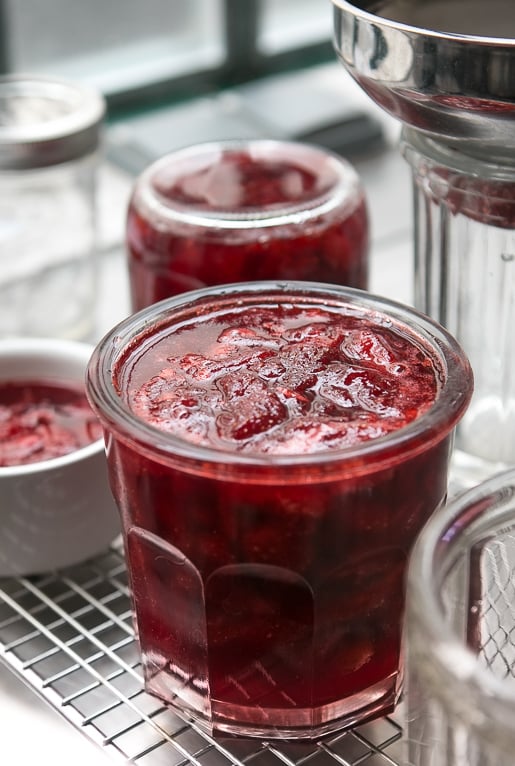
The cooking phase is defined by sensory observation rather than rigid temporal constraints. Heat application facilitates the breakdown of cell walls within the fruit, releasing natural pectin. As the mixture reaches the necessary temperature—typically around 220°F (105°C)—the combination of acid, sugar, and pectin results in the formation of a gel structure. Post-cooking, the bottling phase involves the sterilization of containers to minimize contamination, followed by a cooling process that creates a vacuum seal, essential for long-term storage.
Nutritional and Chemical Analysis
The science of jam-making relies heavily on the role of pectin, a structural polysaccharide found in the cell walls of plants. Strawberries are naturally lower in pectin compared to fruits like apples or citrus. As the season progresses, the pectin content in strawberries often diminishes. Culinary experts frequently address this by introducing exogenous sources of pectin—such as finely grated green apples—to ensure the desired viscosity of the final product.
From a nutritional standpoint, strawberries are an excellent source of Vitamin C, manganese, and folate. While the addition of sugar is necessary for the preservation process, the reduction of sugar content—a common trend in artisanal production—alters the chemical equilibrium of the jam. Jams with reduced sugar concentrations are generally more susceptible to spoilage and are typically categorized as "refrigerator jams," requiring storage at temperatures below 40°F (4°C) and consumption within a shorter timeframe.
Market Implications and Food Waste Reduction
The surge in home preservation activities carries broader implications for food sustainability. According to the United Nations Food and Agriculture Organization (FAO), approximately one-third of all food produced for human consumption is lost or wasted globally. By preserving surplus fruit, consumers actively participate in a circular economy, mitigating the environmental impact associated with the production, transportation, and disposal of uneaten produce.
The professional consensus among food safety organizations, such as the National Center for Home Food Preservation, emphasizes that while home canning is an effective method of storage, it requires strict adherence to sterilization protocols to prevent foodborne illnesses, particularly the risk of Clostridium botulinum. Official guidance suggests that practitioners should follow validated recipes to ensure that acidity levels are sufficient to maintain safety during ambient storage.
Comparative Analysis of Preservation Methods
When examining the methodology of small-batch versus large-batch production, data consistently suggests that smaller batches yield higher-quality results. Rapid evaporation is essential for preserving the bright, volatile aromatic compounds that define fresh strawberries. In larger vessels, the increased volume of fruit leads to extended cooking times, which can result in the degradation of color and flavor, often turning the bright red of the berries into a dull, caramelized brown.
Furthermore, the diversity of preservation techniques—ranging from traditional water-bath canning to simple refrigeration—allows for a spectrum of outcomes. While traditional canning allows for extended shelf life (often exceeding 12 months in a cool, dark environment), the refrigeration method is increasingly favored by culinary enthusiasts who prioritize texture and freshness over long-term shelf stability.
The Role of Technology and Traditional Knowledge
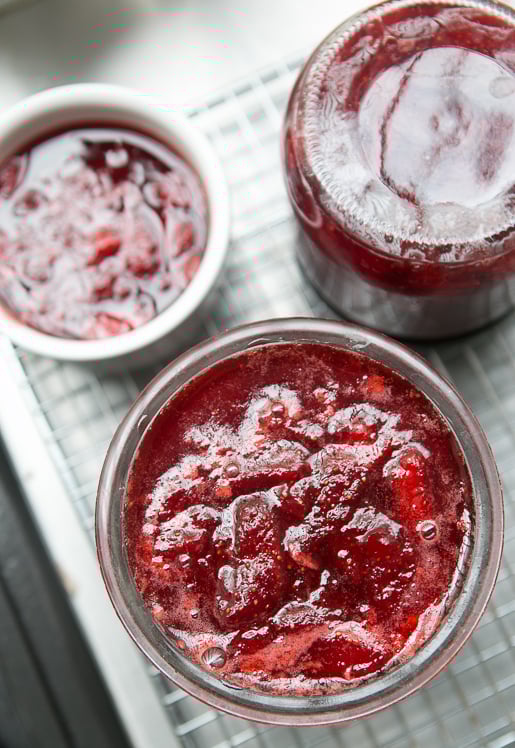
While the fundamental principles of jam-making remain rooted in centuries-old practices, the availability of information has been revolutionized by digital platforms. Recipe archives now provide detailed instructional content that was once confined to print media. These platforms facilitate a knowledge exchange that allows novices to learn the nuances of "look and feel" in jam-making—such as identifying the "sheeting" stage, where the jam drips off a spoon in a single sheet rather than multiple drops, indicating that the pectin has set.
Future Trends in Culinary Preservation
As the culinary landscape continues to emphasize "farm-to-table" practices, the integration of preservation into the domestic kitchen is expected to remain a relevant topic. There is an increasing interest in utilizing alternative sweeteners and natural thickeners, reflecting a broader movement toward health-conscious consumption. Additionally, the development of sophisticated home-kitchen equipment, such as induction cooktops and precise digital thermometers, has lowered the barrier to entry for high-quality, professional-grade preservation at home.
Conclusion: The Synthesis of Utility and Tradition
The practice of converting surplus strawberries into jam remains a vital skill set that balances modern food safety standards with traditional culinary wisdom. Whether through the use of supplemental pectin, the precise management of sugar ratios, or the adherence to rigorous sanitation protocols, the process is a testament to the value of food as a finite resource. As consumers continue to engage with local food systems, the ability to manage seasonal surpluses through preservation will remain a key component of sustainable living and culinary excellence.
The objective remains clear: by understanding the chemical interactions between sugar, fruit, and heat, individuals can successfully transform perishable seasonal harvests into shelf-stable, nutrient-dense products. This not only honors the agricultural effort involved in the growth of the fruit but also ensures that the seasonal bounty is preserved, enjoyed, and shared throughout the year. The persistence of these techniques, even in an era of globalized food access, underscores a growing appreciation for the tangible benefits of artisanal food production.