The Mediterranean Falafel Burger: A Modern Evolution of a Culinary Staple

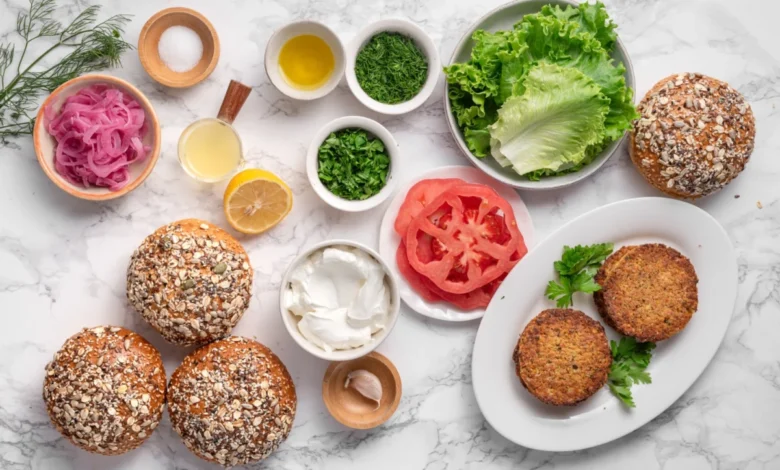
The falafel burger represents a significant shift in contemporary dietary habits, blending ancient Middle Eastern culinary traditions with the modern, fast-paced demand for plant-based, nutritious, and convenient meals. As global interest in the Mediterranean diet continues to surge—largely due to its association with improved heart health, weight management, and longevity—this specific sandwich has emerged as a quintessential example of how traditional legumes can be adapted for a modern, globalized palate. By replacing conventional beef or turkey patties with a baked, herb-infused chickpea base, culinary professionals and home cooks alike are demonstrating that high-protein, plant-centric meals can be as satisfying as their animal-based counterparts.
Historical Context and Cultural Significance
Falafel, which traces its origins back thousands of years in the Middle East and North Africa, has long served as a fundamental source of plant-based protein. Historically, the dish consisted of ground fava beans or chickpeas, seasoned with a potent mixture of garlic, onions, parsley, and various spices like cumin and coriander. Traditionally deep-fried to achieve a signature crisp exterior and soft, airy interior, falafel was typically served as a street food staple, often tucked into pita bread with tahini or vegetables.

The transition of falafel from a traditional fritter to a "burger" format reflects a wider trend of "veggie-fication" in the global food market. In the last decade, as meat alternatives have moved from niche health stores to mainstream supermarket shelves, the falafel burger has solidified its place as a reliable, non-processed alternative to highly engineered plant-based meat substitutes. Unlike commercial imitation meats that rely on complex laboratories, the falafel burger relies on simple, recognizable whole-food ingredients that align with the core principles of the Mediterranean diet: high fiber, healthy fats, and a focus on legumes over red meat.
Nutritional Profile and Dietary Impact
From a nutritional perspective, the falafel burger serves as a potent vehicle for plant-derived nutrients. A standard 360-calorie serving of this dish offers a balanced profile of macronutrients. The primary component, chickpeas (garbanzo beans), provides an excellent source of dietary fiber, which is essential for digestive health and blood sugar regulation.
Data from nutritional studies suggest that the Mediterranean diet, which centers on ingredients like those found in a falafel burger—legumes, whole grains, and healthy fats—is associated with a 25% lower risk of cardiovascular disease. The inclusion of a whole-grain bun instead of a refined flour bun adds complex carbohydrates, which provide sustained energy release. Furthermore, the use of a Greek yogurt-based sauce—replacing high-calorie mayonnaise—introduces probiotics and calcium without the saturated fat profile of traditional burger condiments.
The preparation method is also a critical factor in the dish’s health profile. By shifting from traditional deep-frying to baking, the calorie count and saturated fat content are significantly reduced. This aligns with the "Mediterranean Living" approach, which prioritizes preparation techniques that maintain the integrity of the ingredients while minimizing unnecessary oil consumption.
The Chronology of Assembly: A 10-Minute Standard
The rise of the falafel burger is also a testament to the "meal prep" phenomenon. In a fast-paced environment where time is a luxury, the ability to assemble a high-quality meal in under 10 minutes has made the falafel burger an attractive option for both lunch and dinner.
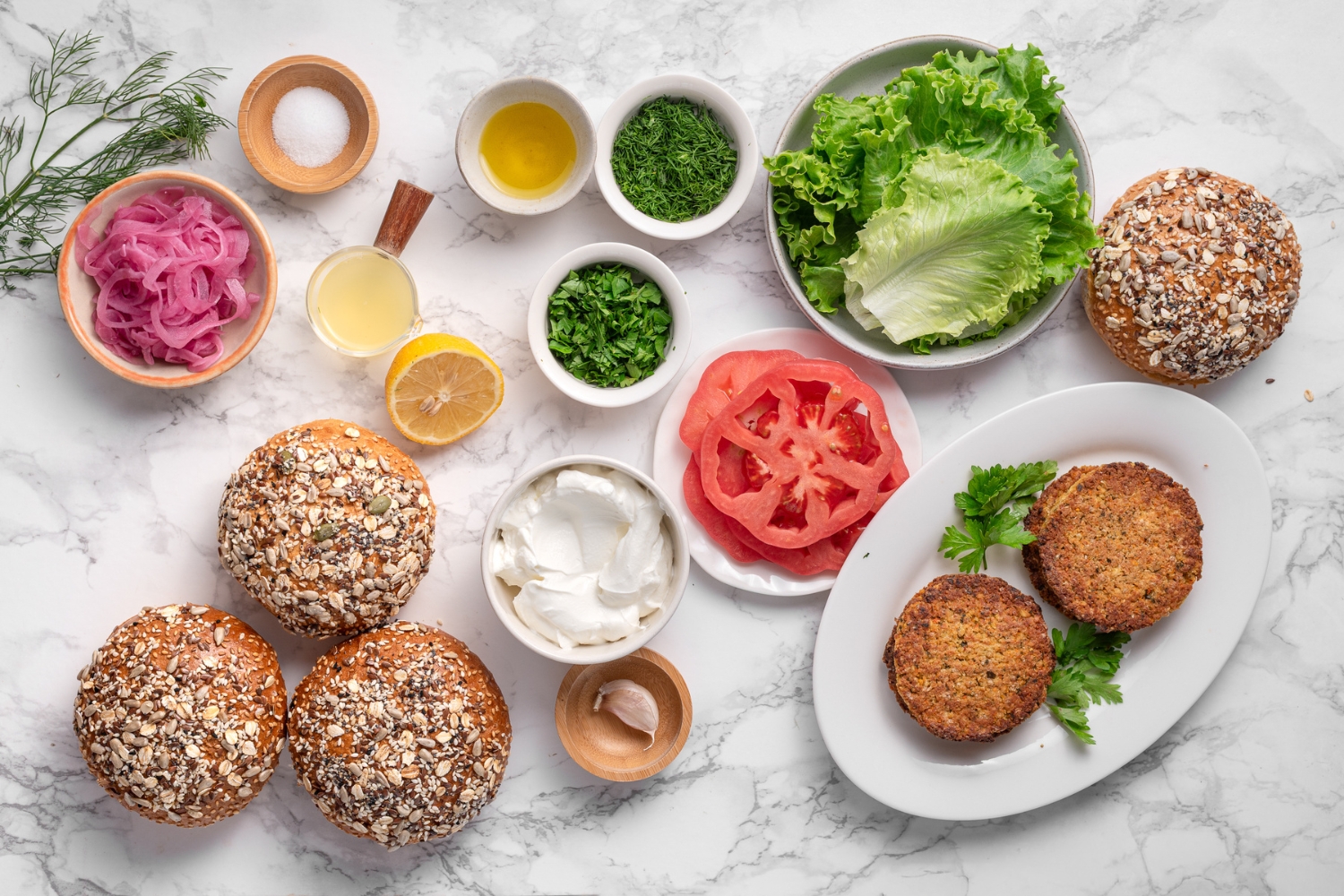
- Phase 1: Foundation (Preparation): The efficiency of the recipe relies on the prior preparation of the patties and sauce. When baked falafel patties and a homemade Greek yogurt herb sauce are stored in an airtight container, the actual "work" required at mealtime is reduced to simple assembly.
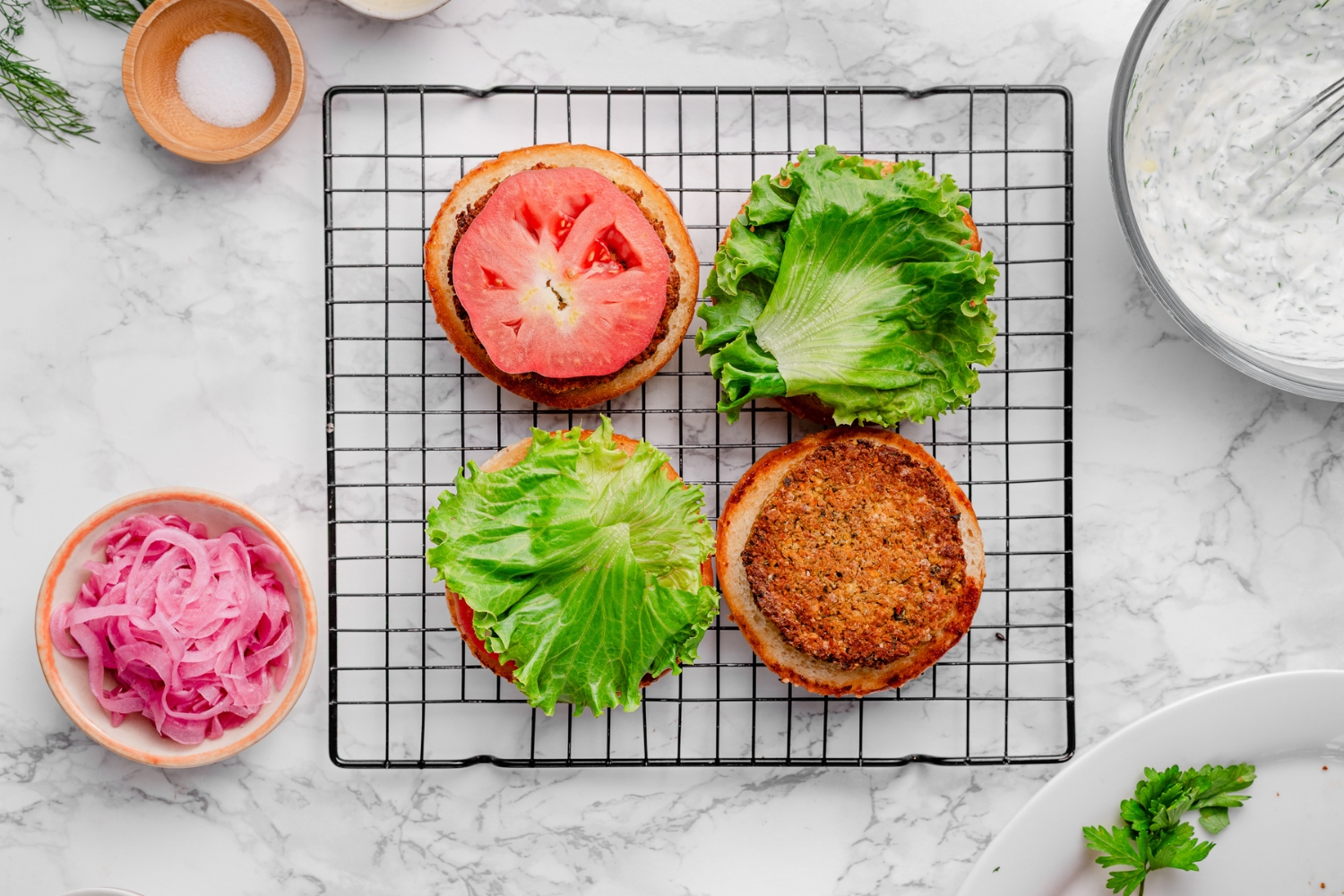
- Phase 2: Toasting (Structural Integrity): Professional chefs often note that the structural integrity of a burger is paramount. Toasting the whole grain bun is not merely a preference for texture; it acts as a moisture barrier. When the bun is lightly toasted—whether in a skillet or oven—it prevents the porous bread from absorbing the moisture from the yogurt sauce and pickled onions, ensuring the sandwich does not degrade before consumption.
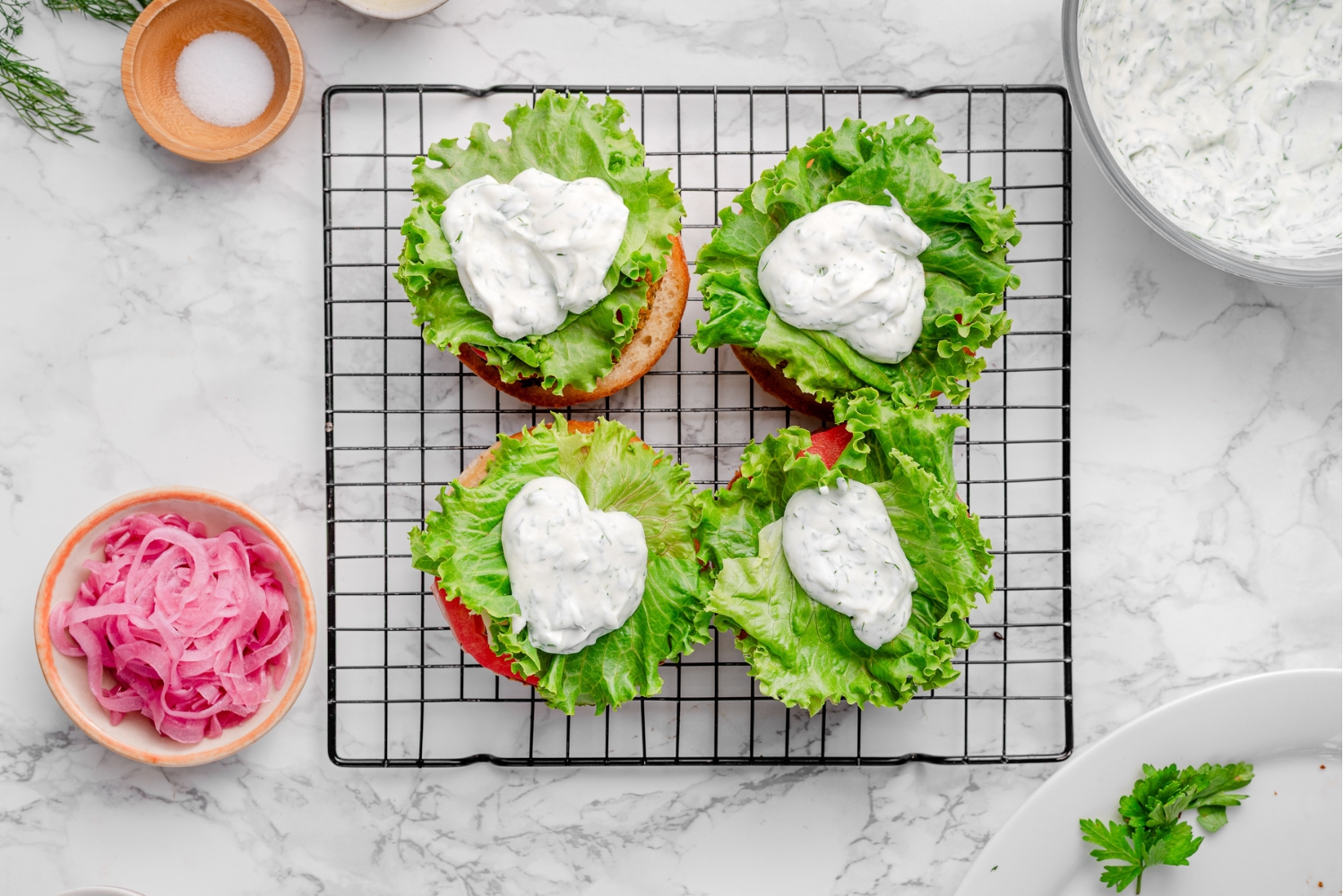
- Phase 3: Layering (Flavor Dynamics): The architecture of the burger is designed for a contrast of temperatures and textures. A base of crisp lettuce acts as a shield against the warm patty. Ripe tomatoes and pickled red onions provide the necessary acidity to cut through the earthy, savory profile of the chickpeas.
- Phase 4: Finalization: The application of the yogurt sauce acts as the binding agent, connecting the disparate textures of the bun, the firm patty, and the crisp vegetables into a cohesive bite.
Expert Perspectives on Culinary Customization
Nutritionists and culinary experts advocate for the versatility of the falafel burger, noting that its composition allows for easy customization to meet specific dietary or palate needs. While the base recipe remains consistent, the inclusion of supplemental toppings can alter the flavor profile significantly.

"The key to a successful falafel burger lies in the balance of acidity and creaminess," notes a spokesperson for regional culinary associations. "When you introduce ingredients like feta cheese, you are adding a salty, tangy depth that elevates the chickpeas. Conversely, adding avocado provides a richness that replaces the mouthfeel of traditional fatty meats."
Experts point out that the addition of roasted vegetables—such as zucchini or bell peppers—not only increases the vegetable intake of the meal but also turns the burger into a more substantial, "heartier" entree. The inclusion of tahini, a paste made from toasted sesame seeds, is also frequently recommended by nutritionists as a heart-healthy alternative to dairy-based sauces for those seeking a vegan-friendly option.
Broader Economic and Environmental Implications
The move toward more frequent consumption of meals like the falafel burger has implications that extend beyond personal health. Environmental scientists note that the production of legumes—specifically chickpeas—requires significantly less water and land than the production of beef. As global concerns regarding climate change and resource scarcity intensify, the shift toward a more "flexitarian" or plant-heavy diet is being framed not just as a health choice, but as an environmental imperative.
By normalizing the falafel burger in the standard diet, consumers are participating in a larger economic shift toward sustainable agriculture. Legumes are nitrogen-fixing crops, meaning they improve soil health, requiring fewer chemical fertilizers than many other industrial crops. Consequently, the proliferation of the falafel burger supports a more sustainable food supply chain.
Challenges and Future Outlook
Despite the benefits, challenges remain in the widespread adoption of the falafel burger. Critics of the "fast-casual" dining model point out that store-bought, mass-produced falafel can often contain high levels of sodium, sometimes exceeding 600mg per serving. To maximize the health benefits of the dish, nutritionists urge consumers to check labels for sodium content or to prepare the patties at home.
Furthermore, as the dish gains popularity in corporate cafeterias and fast-casual chains, there is a risk of "health washing," where refined, ultra-processed ingredients are added to the patties to extend shelf life. Maintaining the integrity of the dish—by sticking to the traditional base of chickpeas, herbs, and spices—is crucial to ensuring that the falafel burger remains a viable component of a healthy lifestyle.
Looking forward, the culinary sector expects to see continued innovation in the "toppings" segment. As the public becomes more comfortable with the falafel burger, interest in global fusion is increasing, with experiments involving kimchi-based toppings, spicy harissa, and even unconventional greens like kale or arugula.
Ultimately, the falafel burger is more than a trendy sandwich; it is a synthesis of historical resilience and modern nutritional science. By providing a convenient, nutrient-dense, and environmentally sustainable option, it serves as a cornerstone for those looking to integrate the principles of the Mediterranean diet into their daily lives without sacrificing the satisfaction of a traditional, handheld meal. Whether served in a home kitchen or a bustling urban cafe, its place in the modern culinary landscape appears secure.