Unlocking the Real Mediterranean Diet: Why Small Fish and Preservation Are the True Keys to Longevity

Global dietary guidelines frequently champion the Mediterranean diet as a gold standard for cardiovascular health, cognitive preservation, and overall longevity. Central to these recommendations is the consumption of fish, which is widely celebrated for its high concentration of omega-3 fatty acids. However, widespread cultural misconceptions have transformed this traditional eating pattern into an expensive, luxury-driven regimen dominated by fresh, high-end seafood like wild-caught salmon. Nutritional anthropologists and culinary historians clarify that the historical reality of Mediterranean coastal and inland communities differs significantly from modern perceptions. By examining the actual dietary practices of traditional Mediterranean populations, particularly in mountainous regions of Greece, consumers can adopt a more authentic, sustainable, and economically accessible approach to health.
Historical Context and Dietary Realities in the Mediterranean Basin
The popular imagery of Mediterranean coastal dwellers dining daily on freshly caught, pristine fish straight from the azure sea represents a modern romanticization rather than historical fact. Geography dictates that the Mediterranean region, particularly Greece where approximately 80 percent of the landmass is mountainous, historically restricted daily access to fresh seafood for a vast majority of the population. Older generations residing in inland villages rarely encountered fresh fish on a weekly basis, relying instead on itinerant fishmongers whose visits were sporadic—frequent during the summer months, sparse in winter, and entirely absent during severe weather.
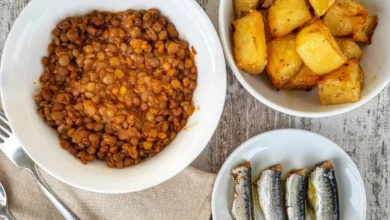
To compensate for this geographic isolation from the coast, traditional populations mastered preservation techniques. Communities consumed cured, salted, and marinated fish as a strategic culinary component rather than a standalone luxury. These preserved proteins served primarily as savory side dishes, complementing staples such as legumes, wild greens, and seasonal vegetables. A classic historical meal featured a modest portion of cured sardines or anchovies served alongside a steaming bowl of lentil soup. This humble pairing maximized both flavor and nutrient density, relying exclusively on locally available, shelf-stable resources.
The Biochemical Importance of Omega-3 Fatty Acids
At the nutritional core of the Mediterranean diet’s acclaim are omega-3 polyunsaturated fatty acids, specifically eicosapentaenoic acid (EPA) and docosahexaenoic acid (DHA). These essential fatty acids cannot be synthesized endogenously by the human body and must be acquired through dietary intake. Decades of nutritional science and epidemiological research confirm that adequate omega-3 consumption exerts profound protective effects on the cardiovascular system. Regular intake correlates inversely with the incidence of myocardial infarction, stroke, and overall cardiovascular mortality.
Beyond cardiac health, emerging clinical studies indicate that dietary omega-3 fatty acids play a critical role in neurological preservation. Higher tissue concentrations of these essential fats are associated with a diminished risk of cognitive decline, Alzheimer’s disease, and vascular dementia. Furthermore, their well-documented anti-inflammatory properties mitigate chronic, low-grade systemic inflammation, which serves as a primary pathological driver for numerous chronic conditions, including type 2 diabetes and metabolic syndrome.
While traditional Mediterranean populations obtained omega-3s from diverse sources—including wild-caught greens, walnuts, and dairy from grass-fed livestock—small, oily pelagic fish provided a consistent and bioavailable supply. This continuous dietary integration underpins the exceptional longevity observed in epidemiological studies of Mediterranean cohorts.
Nutritional Superiority and Economic Accessibility of Sardines
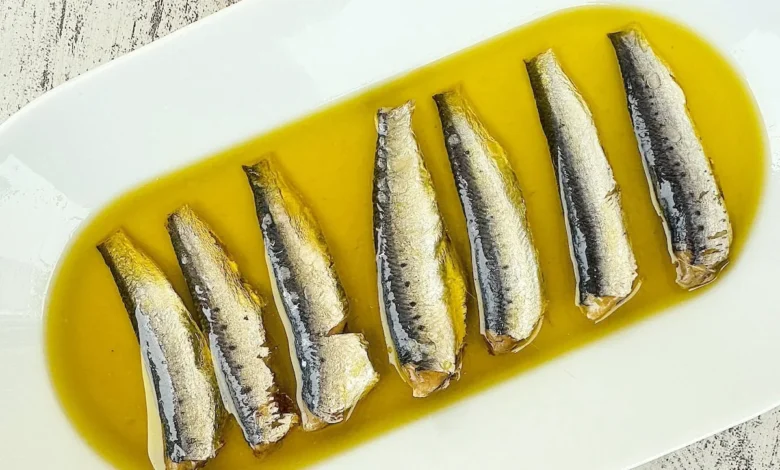
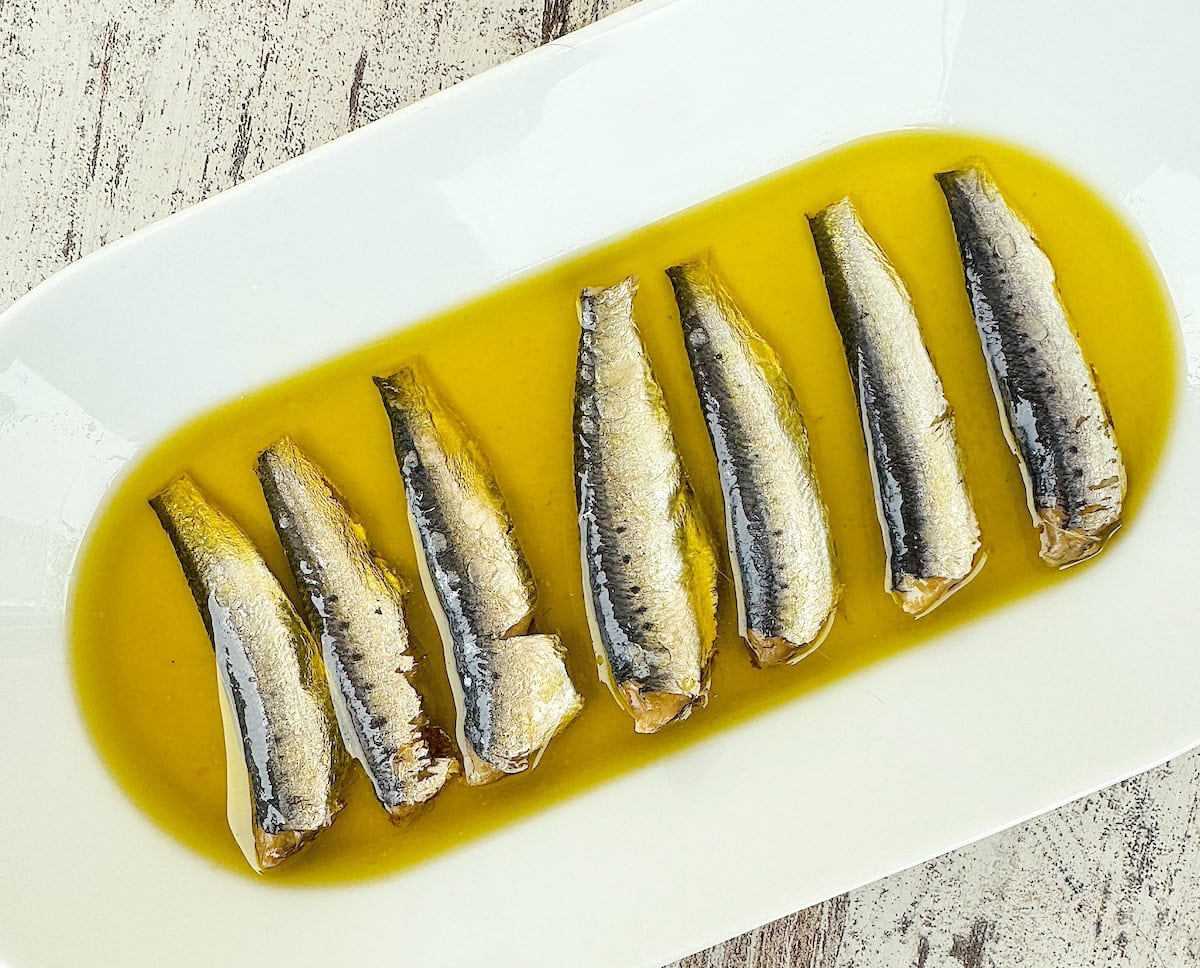
Among the myriad aquatic species consumed globally, the humble sardine emerges as a nutritional powerhouse. Contrary to the modern disdain that often relegates canned fish to the category of impoverished or emergency rations, sardines offer a remarkably dense profile of macro- and micronutrients. Because sardines are typically consumed whole—including their soft, edible bones, particularly when canned—they provide an exceptional source of bioavailable calcium and vitamin D, two nutrients notoriously difficult to obtain concurrently in standard diets.
Furthermore, sardines are rich in high-quality protein, vitamin B12, selenium, and iron. Ecologically and toxicologically, sardines occupy a low trophic level in the marine food chain, feeding primarily on plankton. Consequently, they bioaccumulate negligible quantities of heavy metals such as methylmercury, distinguishing them as one of the safest seafood options for frequent consumption, including by vulnerable populations such as pregnant women and young children.
From an economic perspective, canned sardines packed in extra virgin olive oil present one of the most cost-effective sources of premium animal protein available in the global marketplace. Food science confirms that commercial canning processes do not degrade omega-3 fatty acids, ensuring that shelf-stable varieties deliver the exact same nutritional efficacy as fresh catches.
Anchovies: The Versatile Culinary and Nutritional Staple
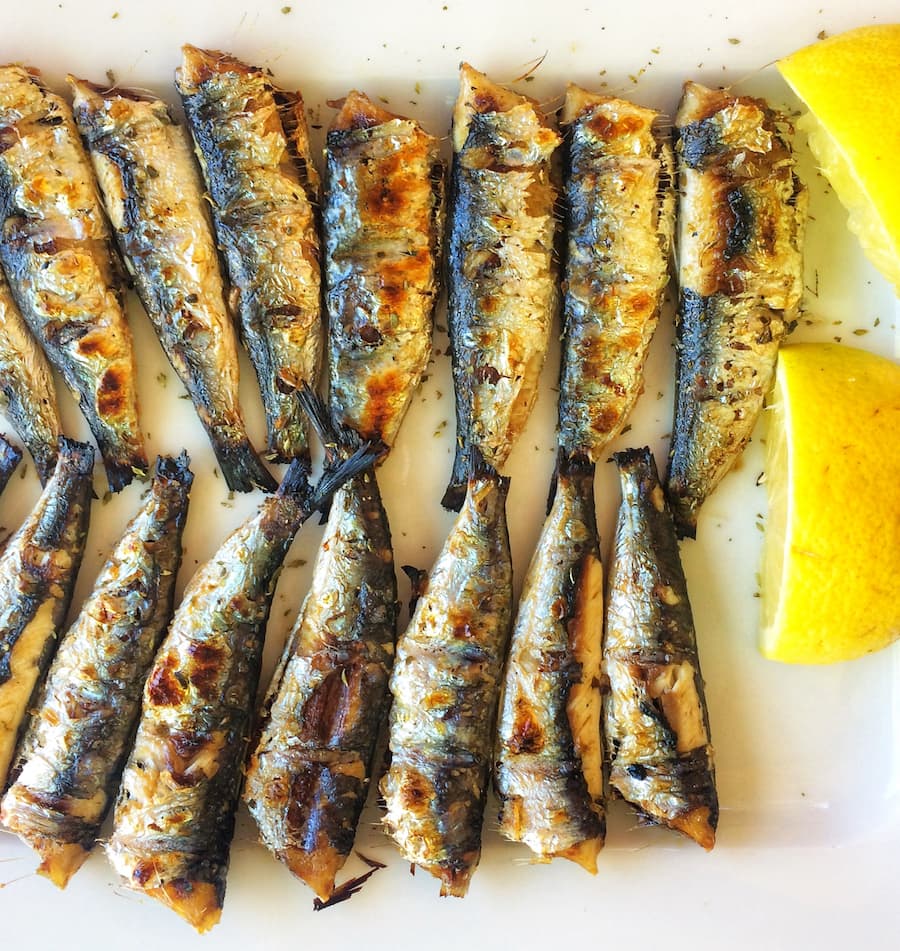
Similar to sardines, anchovies suffer from widespread culinary underestimation, frequently relegated to a polarizing role as a salty pizza topping or Caesar salad additive. Nutritionally, anchovies mirror the profile of sardines, delivering abundant omega-3 fatty acids, complete proteins, fat-soluble vitamins, and trace minerals with minimal mercury accumulation.
In traditional Greek and broader Mediterranean gastronomy, anchovies occupy a celebrated cultural space. Gavros marinatos, a traditional preparation consisting of fresh anchovies cured in fresh lemon juice and extra virgin olive oil, represents a quintessential meze historically enjoyed with regional spirits along the coastline. Meanwhile, salt-packed anchovies historically traveled inland via extensive trade routes, supplying remote mountain villages with essential marine nutrients. Modern culinary applications extend far beyond simple garnishes; whole or filleted anchovies dissolve seamlessly into simmering sauces, dressings, and braises, imparting deep umami flavor while delivering essential fatty acids.
Comparative Analysis: Salmon and Cod in the Mediterranean Framework
To fully understand the modern misconceptions surrounding the Mediterranean diet, nutritionists emphasize the necessity of evaluating popular fish species that were historically absent from the region.
Salmon is universally recognized as an exceptional source of omega-3 fatty acids, high-quality protein, B-vitamins, and astaxanthin, a potent carotenoid antioxidant. However, salmon is native to the cold waters of the North Atlantic and Pacific oceans and does not inhabit the Mediterranean Sea. Consequently, salmon never formed part of the historical Mediterranean diet. While contemporary consumers may incorporate salmon into a Mediterranean-style menu due to its impressive nutrient profile, it remains an expensive import that is environmentally intensive and unnecessary for adhering to traditional dietary patterns. Small pelagic fish like sardines and anchovies match salmon’s cardiovascular benefits at a fraction of the cost, with significantly lower environmental footprints and reduced mercury risks.
Conversely, cod represents a fish with deep historical ties to the Mediterranean through preservation, despite fresh cod being absent from traditional regional waters. For centuries, salt cod (bakaliaros in Greek, bacalhau in Portuguese, baccalà in Italian) served as a vital protein lifeline for inland European communities. Because salt-cured cod requires extensive rehydration and desaltation prior to cooking, it allowed perishable marine protein to traverse mountain ranges without refrigeration. Nutritionally, cod differs fundamentally from pelagic species; it functions as an excellent source of lean protein but contains very little fat, offering negligible omega-3 fatty acids. Therefore, while salt cod holds authentic status within Mediterranean culinary heritage, it must be paired with other nutrient-dense ingredients to fulfill the specific fatty-acid requirements of the diet.
Herring and the Broader Spectrum of Preserved Seafood
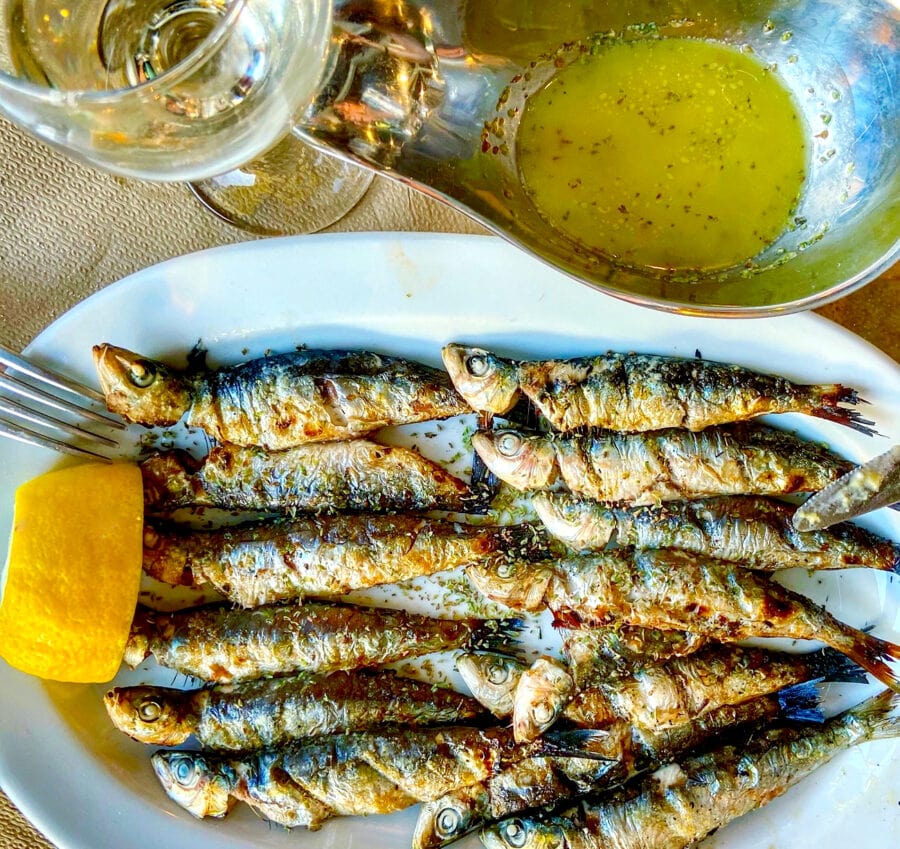
Herring represents another Northern European species that successfully integrated into specific Mediterranean and Balkan food cultures via preservation methods. While herring does not swim natively in the Mediterranean or Aegean seas, smoked and salted herring—known locally as renga—has maintained a prominent presence on the traditional Greek table for generations.
Consumed analogously to cured sardines and anchovies, renga typically appears as a companion to fiber-rich legumes such as lentils or chickpeas, or as a robust meze. Nutritionally, herring is exceptionally rich in omega-3 fatty acids, B-vitamins, and selenium. Because of its intense curing process and slightly higher mercury accumulation relative to smaller pelagic fish, traditional cultures treated herring as a concentrated flavoring accompaniment rather than a primary protein entrée. This practice aligns precisely with the overarching philosophy of the traditional Mediterranean diet: utilizing nutrient-dense, preserved foods in moderation to elevate simple, plant-based meals.
Broader Implications and Public Health Impact
The reassessment of fish within the Mediterranean diet carries significant implications for modern public health, consumer economics, and environmental sustainability. As global demand for seafood surges, reliance on overfished apex predators like salmon and tuna places severe strain on marine ecosystems. Shifting consumer preference toward lower-trophic-level species such as sardines and anchovies alleviates pressure on wild fisheries while democratizing access to optimal nutrition.
Public health authorities and registered dietitians increasingly advocate for a return to traditional preservation methods and accessible protein sources. By dismantling the myth that a heart-healthy diet requires expensive, fresh seafood, modern consumers can successfully adopt the genuine principles of the Mediterranean diet. Emphasizing shelf-stable, mercury-safe, and nutrient-dense options ensures that the longevity-promoting benefits of traditional dietary patterns remain attainable for diverse socioeconomic populations worldwide.