Beyond the Plate: How the Authentic Mediterranean Lifestyle and Diet Drive Longevity

For decades, the traditional Mediterranean diet has held a prestigious reputation as one of the most thoroughly investigated and clinically validated nutritional frameworks in the world. Backed by a vast body of peer-reviewed science, its capacity to mitigate the incidence of chronic pathology, safeguard cognitive function, and enhance overall health spans decades of epidemiological study. Yet, contemporary nutritional science and public health analyses increasingly emphasize that the exceptional longevity observed within traditional Mediterranean communities—such as those on the Greek island of Ikaria or the Italian island of Sardinia—cannot be attributed solely to dietary composition. Rather, longevity in these blue-zone regions emerges as a complex, multifaceted ecosystem encompassing nutritional choices, daily movement patterns, robust social frameworks, and restorative rest.
Understanding the mechanics of this lifestyle requires moving beyond isolated ingredients to examine the holistic architecture of Mediterranean life. By integrating the biological benefits of antioxidant-rich foods with the psychosocial advantages of community engagement and organic physical activity, individuals worldwide can adopt actionable principles to reduce systemic disease risk and cultivate prolonged, higher-quality health spans.
The Biochemical Foundations of the Authentic Mediterranean Diet
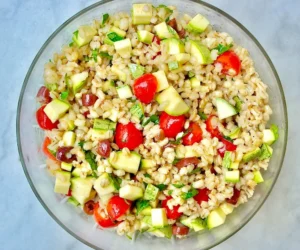
At the clinical core of the Mediterranean longevity model is a predominantly plant-based dietary pattern. Unlike modern Western diets where vegetables often accompany a heavy protein main course, traditional Mediterranean culinary traditions frequently position vegetable-centric dishes as the primary focus of a meal. This foundational shift ensures a high volume of micronutrients, dietary fiber, and bioactive plant compounds enter the daily diet.
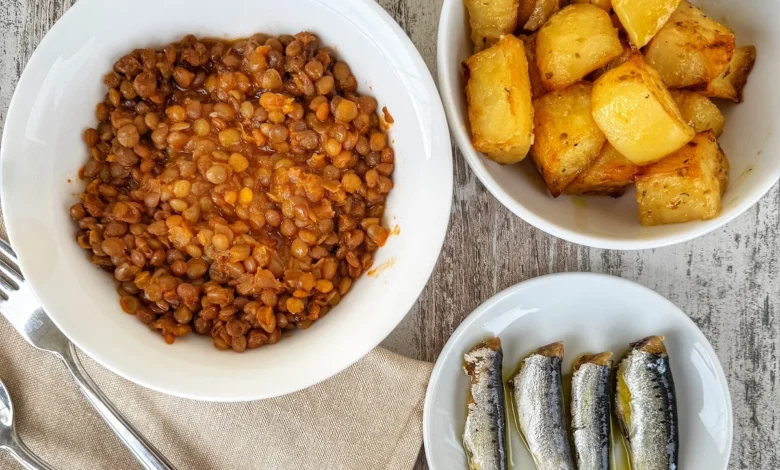
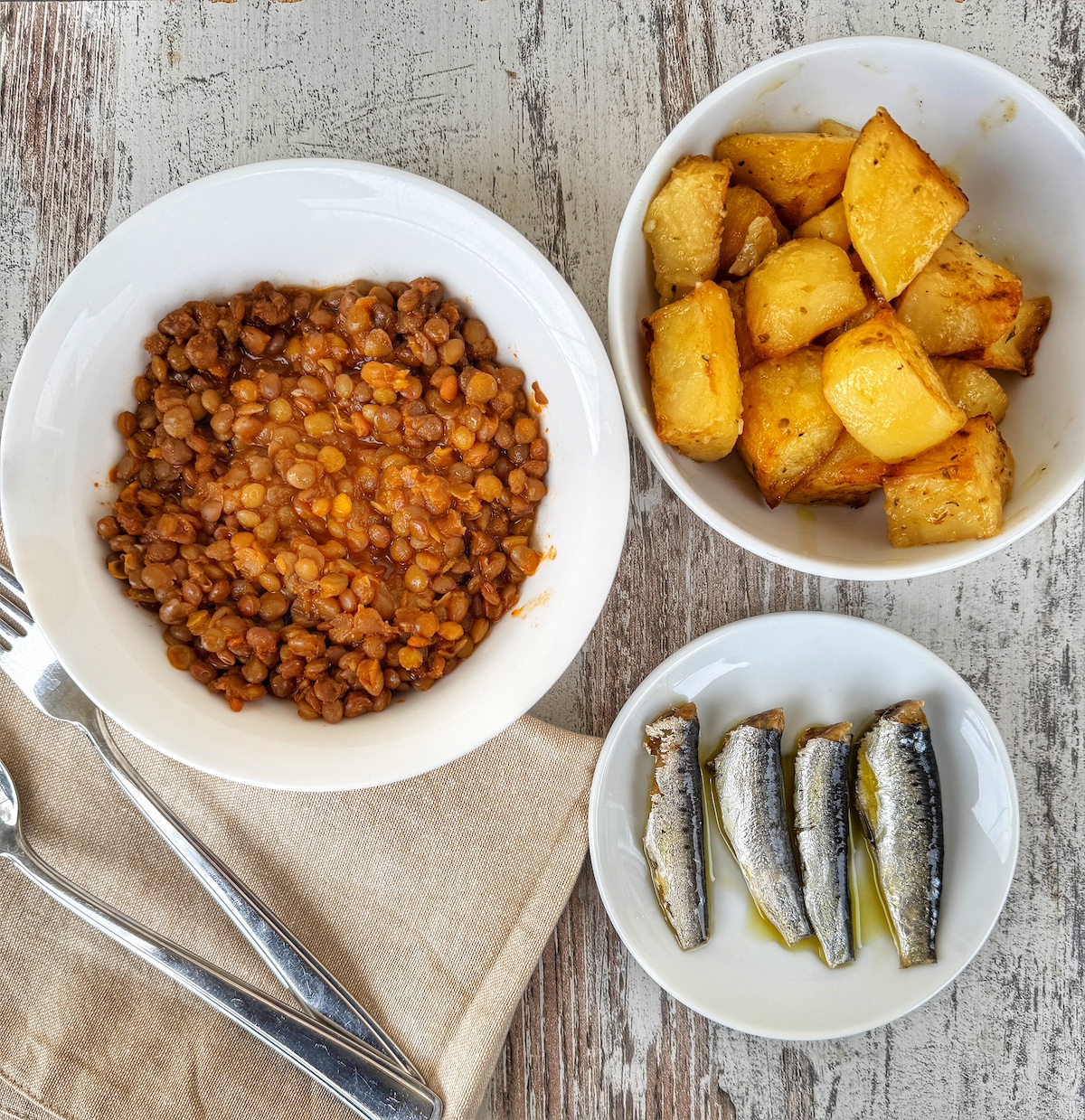
The hallmark components of this regimen—including leafy greens, wild herbs, seasonal fruits, legumes, whole grains, fatty fish, and extra virgin olive oil—are exceptionally dense in antioxidants and anti-inflammatory agents. Phytochemicals, polyphenols, and monounsaturated fatty acids work synergistically to neutralize oxidative stress, a primary driver of cellular aging, vascular degradation, and metabolic dysfunction.
Extensive epidemiological data indicates that habitual adherence to this dietary framework offers substantial neuroprotective benefits. Longitudinal studies tracking aging populations have demonstrated inverse correlations between strict Mediterranean diet adherence and the onset of neurodegenerative conditions, including Alzheimer’s disease and age-related cognitive decline. Furthermore, clinical observations link the diet to a significantly reduced prevalence of physical frailty among elderly cohorts. By preserving lean muscle mass, bone density, and metabolic efficiency, the diet promotes not merely an extended lifespan, but a vitalized health span characterized by functional independence well into advanced age.
The Psychosocial Dimension: Social Architecture and Community Cohesion
While biochemical inputs dictate cellular resilience, sociological research underscores that psychological well-being is equally critical to longevity. In authentic Mediterranean societies, tightly woven social networks provide a continuous buffer against chronic psychological stress, which is widely recognized as a catalyst for systemic inflammation and cardiovascular disease.
Human connection in these regions extends far beyond immediate nuclear family structures. Neighborhoods and rural villages function as interdependent ecosystems where individuals maintain active roles in community affairs. These social bonds are frequently reinforced through shared cultural practices, recurring religious or civic gatherings, and regular participation in collective group objectives.
Public health sociologists frequently highlight the concept of "third places"—neutral social environments distinct from home and the workplace where individuals congregate, converse, and anchor themselves within a community fabric. In Mediterranean villages, these third places manifest organically as local cafes, bustling open-air markets, neighborhood squares, or historical community centers. Regular interaction within these spaces fosters a deep sense of belonging, purpose, and mutual support, which neurological and psychological studies consistently link to lower rates of depression, reduced cortisol levels, and enhanced immunological competence.
Spontaneous Kinesis: How Everyday Movement Drives Long-Term Health
Physical activity in longevity-focused Mediterranean communities diverges sharply from modern exercise paradigms characterized by structured, high-intensity gym sessions. While formal cardiovascular and strength training offer undeniable health benefits, the physical activity observed in long-lived Mediterranean populations is predominantly integrated into the fabric of daily existence—a phenomenon often referred to by exercise physiologists as spontaneous physical activity or incidental movement.
Rather than relying on motorized transport or automated labor-saving devices for routine tasks, individuals in these traditional settings engage in continuous, low-to-moderate-intensity kinesis throughout the day. Activities such as tending home vegetable gardens, preparing meals from scratch using raw ingredients, performing rigorous household maintenance, and walking to local commerce hubs or social gathering points constitute a steady baseline of physical exertion.
This continuous movement yields profound physiological advantages. It assists in weight management, regulates glycemic control, optimizes lipid profiles, and preserves cardiovascular integrity. Crucially, as individuals age, maintaining functional mobility directly supports self-efficacy—the confidence in one’s ability to execute behaviors necessary to produce specific performance attainments. Retaining the physical capacity to ambulate independently, manage personal affairs, and interact directly with neighbors fosters a continuous loop of physical capability and social connectedness, mitigating the isolation and sedentary decline frequently observed in aging populations elsewhere.
Broader Implications and Practical Implementation for Global Public Health
The convergence of rigorous nutritional science, sociological observation, and physiological research presents a compelling mandate for modern public health initiatives. As global rates of chronic diseases—such as type 2 diabetes, cardiovascular disorders, and neurodegenerative illnesses—continue to climb, healthcare systems are increasingly pivoting toward preventive lifestyle medicine.
Translating the lessons of traditional Mediterranean communities into contemporary, fast-paced urban environments requires intentional structural and behavioral adaptations. Public health experts recommend four practical, evidence-based adjustments for individuals seeking to incorporate these longevity principles into their daily routines:
- Prioritize Plant-Centric Plate Architecture: Shift the culinary focus so that vegetables, legumes, whole grains, and healthy fats occupy the majority of daily caloric intake, utilizing high-quality extra virgin olive oil as the primary culinary fat and incorporating antioxidant-rich herbs and greens generously.
- Cultivate Intentional Social Infrastructure: Actively participate in local community groups, establish regular routines that involve face-to-face interaction in neighborhood settings, and prioritize deep, supportive relationships with family and peers to buffer against chronic isolation.
- Integrate Incidental Movement: Design daily routines to maximize spontaneous physical activity, such as walking for routine errands, engaging in domestic labor and gardening, and reducing prolonged sedentary intervals through micro-movements throughout the day.
- Establish Rhythms of Rest and Recovery: Balance daily activity with adequate restorative sleep and periods of mental decompression, aligning with the holistic lifestyle patterns historically embedded in Mediterranean culture.
Ultimately, the enduring scientific validation of the Mediterranean lifestyle framework demonstrates that human longevity is not the product of a single isolated intervention, but rather the harmonious integration of nourishing food, purposeful daily movement, robust social bonds, and restorative living.