The Great Corporate Takeover: How Chain Restaurants Are Reshaping the American Dining Landscape


The modern American commercial corridor is undergoing a profound structural transformation, driven by the aggressive expansion of major sit-down restaurant chains at the expense of independent eateries. While independent operators have historically defined the culinary identity of local communities, a combination of pandemic-related economic pressures, real estate consolidation, and corporate financial leverage has allowed national brands to capture unprecedented market share. This shift is not merely economic; it represents a fundamental homogenization of the American dining experience, raising concerns among urban planners, cultural historians, and independent restaurateurs alike.
Historical Context and Market Dynamics
The friction between independent establishments and corporate chains is not a novel phenomenon, but the trajectory of this competition has accelerated dramatically over the past decade. Market research from firms such as the NPD Group highlighted a widening gap in consumer patronage long before the emergence of COVID-19. Data from a decade prior to the pandemic indicated that independent restaurants accounted for the vast majority of total visit losses within multi-year periods, with thousands of independent units closing nationwide while corporate chains expanded their footprints by thousands of locations.
The foundational appeal of chain restaurants has long relied on predictability, standardization, and familiarity. Diners frequently gravitate toward brands where the menu items, service protocols, and physical environments remain uniform regardless of geography. However, this corporate consistency carries broader cultural implications. As Helen Rosner observed in a 2017 review of national dining brands, the inherent placelessness of corporate chains provides a paradoxical comfort to consumers, even as it contributes to a broader commercial monoculture.
The Pandemic Catalyst and Real Estate Consolidation
The COVID-19 pandemic served as a major catalyst for corporate expansion, crystallizing the structural advantages that large restaurant groups hold over independent operators. According to tracking data from organizations such as Yelp, tens of thousands of businesses closed permanently during the initial phases of the health crisis in 2020. Independent establishments, typically operating on tighter profit margins and lacking diversified revenue streams or robust capital reserves, bore the brunt of these closures.

In contrast, corporate full-service restaurant groups leveraged their financial scale to navigate operational disruptions and position themselves for aggressive real estate acquisition. Financial analysts monitoring the food and beverage sector recognized early in the pandemic that publicly traded restaurant groups stood to gain significantly from diminished local competition. Equity research from firms like BTIG repeatedly highlighted that widespread independent closures provided major chains with a unique opening to expand into smaller markets and urban neighborhoods previously saturated with local concepts.
Executives at leading parent companies capitalized on this environment. During corporate earnings calls, leadership teams from major hospitality conglomerates—including Darden Restaurants, Dine Brands, and Texas Roadhouse—explicitly noted the availability of prime commercial real estate resulting from the contraction of the independent sector. With a surplus of vacant storefronts left in the wake of pandemic-era closures, national chains deployed capital to secure premium leases. Real estate executives and landlords frequently favored corporate tenants due to their financial stability and predictable brand backing, further crowding out independent applicants.
Financial Resilience and Changing Corporate Strategies
The financial recovery of the full-service chain sector has outpaced initial projections. According to data from industry forecasters like IBIS World, the market size of full-service chain restaurants in the United States experienced significant growth following the initial economic shock of the pandemic, pushing well above historical annualized growth rates. Industry reports, including Technomic’s annual evaluations of top restaurant chains, demonstrated that popular full-service concepts steadily increased their collective market share.
Major operators have optimized their menus and promotional strategies to maximize profitability amidst shifting consumer habits. For instance, Darden Restaurants announced the permanent discontinuation of long-standing promotional campaigns, such as Olive Garden’s intermittent "Never Ending Pasta Bowl." Company executives noted during quarterly earnings calls that the restaurants achieved higher profitability and managed guest traffic more efficiently without the promotion, reflecting a broader industry pivot away from deep discounting in favor of margin protection and steady revenue growth.
Furthermore, major chains have demonstrated strong pricing power. Even as operators implemented system-wide menu price increases to offset rising labor and supply chain costs, consumer traffic and product mix remained largely stable. This resilience underscores the effectiveness of corporate marketing campaigns that foster strong consumer loyalty through familiar branding, comforting environments, and nationally recognized signatures.
Cultural and Community Implications
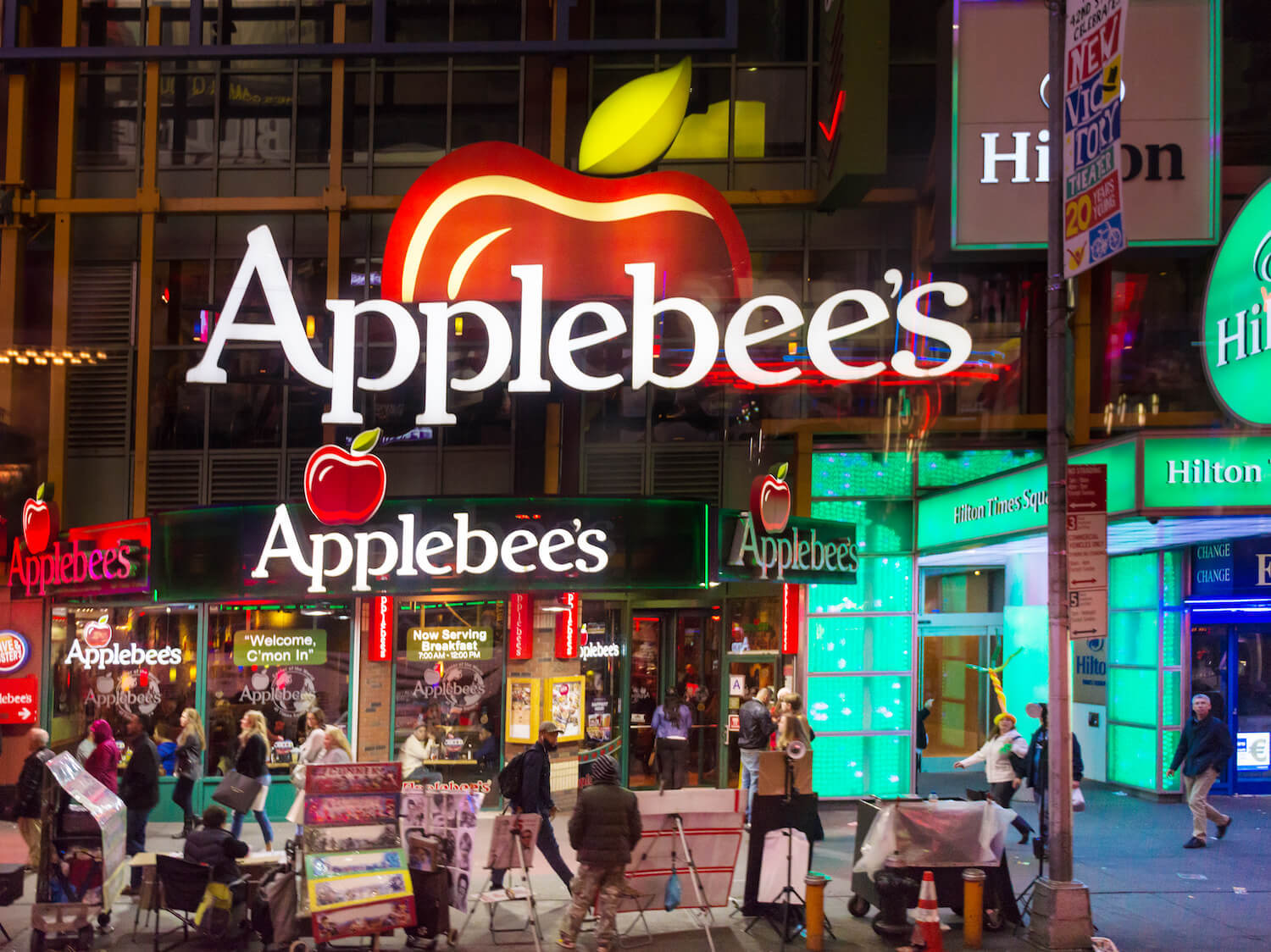
The proliferation of corporate dining brands across suburban commercial strips and dense urban centers has sparked a debate regarding cultural authenticity and community identity. Critics argue that the ubiquitous presence of national chains dilutes regional culinary traditions and replaces the distinct character of local neighborhoods with sterile, standardized commercial environments.
A notable cultural phenomenon accompanying this shift is the redefinition of consumer expectations regarding international cuisines. Cultural analysts have pointed to instances where heavily Americanized corporate interpretations of foreign dishes—such as Italian or Asian cuisine—become the primary baseline for consumers, occasionally overshadowing traditional preparations. This standardization risks flattening the diverse culinary history embedded within immigrant communities and independent kitchens.
Moreover, the economic impact of corporate expansion extends beyond culinary homogenization. While independent restaurants typically reinvest a substantial portion of their revenues directly into the local economy, corporate chains often distribute profits to external shareholders. This dynamic mirrors broader retail trends observed with major e-commerce platforms, where local Main Streets face the gradual erosion of independent storefronts in favor of consolidated corporate entities.
Policy Responses and the Future of Local Dining
Addressing the rapid expansion of chain restaurants requires deliberate intervention at the municipal level. Urban planners and community advocates suggest that safeguarding the diversity of local commercial districts will necessitate targeted policy tools, including revised zoning regulations, density restrictions on national franchises, and tax incentives or commercial rent stabilization measures designed to support independent small businesses.
Without proactive measures from local governments and conscious consumer spending habits, the American commercial landscape risks becoming increasingly uniform. The preservation of independent dining options remains a vital component of community identity, ensuring that neighborhoods reflect the unique cultural histories and diverse culinary traditions of their residents rather than a standardized corporate vision.