The Legume Revolution How Bean-Centric Communities and Social Media Trends are Redefining Sustainable Nutrition and Urban Social Gatherings

The rise of niche culinary subcultures has found a new and unexpected focal point in the San Francisco Bay Area, where a series of bean-themed picnic-potlucks, colloquially known as Bean-Ups, are transforming the humble legume from a pantry staple into a catalyst for community building. Led by Madeline Schapiro, a digital creator known online as @bean.supporter, these gatherings represent a broader cultural shift toward plant-based proteins, sustainable eating, and the democratization of gourmet cooking. While Schapiro’s peers initially viewed her singular focus on legumes with skepticism—she admits her friends thought she was "absolutely batty"—the movement has rapidly gained traction, fueled by a combination of health-conscious digital trends and a growing public interest in affordable, nutrient-dense diets.
The Genesis of a Movement: From Personal Health to Viral Community
The origins of the Bean-Up phenomenon can be traced back to 2017, a pivotal year for Schapiro as she navigated a series of chronic health challenges. Turning to legumes as a primary dietary intervention, she reported significant improvements in her physical well-being, an experience that fostered a deep, emotional connection to the food group. This personal health journey laid the groundwork for what would eventually become a massive digital platform.
The trajectory of this movement accelerated significantly in the summer of 2025. Following a friend’s suggestion to embark on a 30-day "all-bean" experiment and document the process on social media, Schapiro witnessed an immediate and overwhelming public response. By the fourth day of the challenge, her content reached "semi-viral" status, eventually leading to a combined following of over 100,000 across various social media platforms and more than 3,000 subscribers to her Substack newsletter, "The Luxury of Legumes."
This digital success was not an isolated incident but rather a symptom of a larger cultural "moment" for beans. In early 2024, creator Violet Witchel’s "Dense Bean Salad" concept took the internet by storm, sparking a global interest in hearty, bean-forward meal preparation. Collectively referred to as "BeanTok" on TikTok, this digital ecosystem serves as a hub for millions of users who exchange recipes and advocate for the legumes’ potential to improve gut health, stabilize mood, and provide a sustainable alternative to animal proteins.
The Anatomy of a Bean-Up: Rules and Culinary Innovation
The transition from digital advocacy to physical community occurred when Schapiro received a suggestion from a follower to host a bean-themed event. Within six days, the inaugural Bean-Up was held at Willard Park in Berkeley, California. The gathering, which initially drew 20 participants, was governed by a singular, non-negotiable rule: every attendee must bring a bean-based dish.
As the events matured, the attendance surged to approximately 70 people per gathering. The Bean-Ups have evolved into a laboratory for culinary experimentation, challenging the traditional perception of beans as a utilitarian or "boring" ingredient. Schapiro argues that beans "level the playing field" for home cooks, shifting the focus from expensive proteins to creativity, resourcefulness, and technical prowess.
The variety of dishes presented at these gatherings reflects a high level of innovation. Participants have moved beyond standard chilis and salads to showcase complex items such as:
- Taiwanese green bean buns stuffed with sweetened mung beans.
- Lemon almond bean cakes and navy bean pies, highlighting the legume’s utility in desserts.
- Pinto bean milk and yogurt, developed by students from the University of California, Berkeley, who have pushed the boundaries of legume processing.
- Savory "Marry Me" butter beans, often transported hot in Instant Pots or heavy Dutch ovens wrapped in insulation to maintain temperature during the picnic.
Supporting Data: The Economic and Environmental Case for Legumes
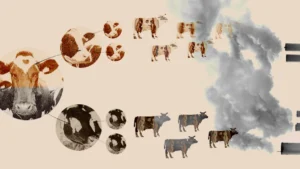
The "Bean-Up" trend coincides with significant global economic and environmental pressures. According to data from the Food and Agriculture Organization (FAO) of the United Nations, pulses (the dried seeds of legumes) are among the most sustainable sources of protein available. They require significantly less water to produce than animal proteins—approximately 43 gallons of water per pound of pulses compared to over 1,800 gallons for a pound of beef. Furthermore, legumes possess nitrogen-fixing properties that improve soil fertility, reducing the need for synthetic fertilizers.
Economically, the rise of bean-centric diets is bolstered by inflationary pressures on grocery budgets. In the United States, the cost of meat and poultry has seen volatile fluctuations over the last three years, whereas dried beans remain one of the most affordable sources of high-quality protein and fiber. A single pound of dried beans, which can provide up to 12 servings, typically costs less than $2.00, making it a vital resource for cost-conscious consumers seeking to maintain nutritional standards.
Nutritionally, the "BeanTok" community’s claims are supported by a wealth of clinical research. High-fiber diets, specifically those rich in soluble fiber found in beans, are linked to lower LDL cholesterol levels, improved blood sugar regulation, and a healthier gut microbiome. The "Blue Zones" research—studies of regions where people live significantly longer than average—consistently identifies beans as a cornerstone of the diet in cultures ranging from Nicoya, Costa Rica, to Ikaria, Greece.
Analysis of Implications: Community and the "Third Place"
Beyond nutrition and sustainability, the Bean-Ups address a growing social deficit in urban environments. Sociologists often discuss the decline of the "Third Place"—social surroundings separate from the two usual social environments of home ("first place") and the office ("second place"). By organizing low-cost, high-engagement gatherings around a shared niche interest, Schapiro has created a replicable model for community building.
The "Bean-Up" model suggests that specific, even "quirky" constraints can actually lower the barrier to entry for social interaction. By removing the stress of "what to bring" and replacing it with a focused theme, these events encourage participation from diverse demographic groups, including university students, health advocates, and culinary enthusiasts.
Expanding the Bean-Up Concept: Culinary Best Practices
For those looking to integrate the Bean-Up philosophy into their own social circles, Schapiro and other legume advocates suggest a categorized approach to dish preparation. The resilience of beans makes them uniquely suited for transport and outdoor dining.
Portable Snacks and Appetizers
Crunchy bean snacks have become a staple of the movement. The key to successful roasted chickpeas or lentils lies in the cooling process; allowing them to cool completely before sealing prevents moisture buildup, ensuring they retain their texture. Variations include herby breaded butter beans and quick-pickled green beans, the latter of which have gained popularity as a garnish for large-batch beverages at outdoor events.
Salads and Room-Temperature Dishes
The "Dense Bean Salad" remains the most popular contribution due to its "marination" potential. Unlike leafy greens, which wilt in the sun, bean salads—incorporating chickpeas, kidney beans, or cannellini beans with hardy vegetables like bell peppers and cucumbers—improve in flavor over several hours. Traditional variations, such as Dolly Parton’s celebrated three-bean salad, are being reimagined with miso-sesame dressings or Mediterranean-inspired vinaigrettes.
Thermal Considerations for Hot Dishes
The logistics of bringing hot beans to a park have inspired creative engineering among participants. The use of heavy-lidded Dutch ovens, secured with twine and wrapped in thick towels, allows dishes like "Beans Marbella"—a legume-based riff on the classic Chicken Marbella—to stay warm for hours. The integration of portable technology, such as battery-powered warming bases or simply bringing the entire Instant Pot to the site, has also become a common sight at Bay Area gatherings.
The Frontier of Bean Desserts
The most significant shift in public perception involves the use of beans in sweets. The use of aquafaba (the liquid from canned chickpeas) as a vegan meringue base is well-documented, but Bean-Up participants are going further. From black bean brownies to lemon cannellini cakes, the high protein and moisture content of beans allow for dense, satisfying desserts that do not require constant refrigeration, making them ideal for summer picnics.
Conclusion: The Future of the "Bean Picnic Industry"
As Madeline Schapiro continues to expand her influence, she remains a self-described "bean picnic industry expert" who rejects culinary snobbery. Her philosophy is rooted in the idea that "if you’re thinking beans, then the whole world is open to you."
The Bean-Up movement is more than a fleeting social media trend; it is a manifestation of a collective desire for healthier, more sustainable, and more connected living. By elevating a humble pantry item to the center of the social table, Schapiro and her followers are proving that the solutions to modern challenges—ranging from environmental sustainability to social isolation—can sometimes be found in the most unassuming of places. As these gatherings continue to grow in size and frequency, they serve as a blueprint for how food can be used to foster resilience, creativity, and genuine human connection in the 21st century.