As public interest in the provenance of food, the mechanics of agricultural production, and the biological impact of nutrition reaches a historical peak, a new wave of documentary filmmaking has emerged to bridge the gap between complex science and consumer awareness. The Sustainable Food Trust (SFT) has curated a list of essential viewing for the coming year, highlighting works that interrogate the systemic challenges of our food landscape—from the rise of ultra-processed goods to the philosophical divide in modern land management.
The Rise of Ultra-Processed Foods and Nutritional Transparency
The modern diet in the United Kingdom has undergone a radical transformation over the last four decades. According to data from the British Heart Foundation, ultra-processed foods (UPFs)—defined as industrial formulations typically containing five or more ingredients, often including additives like preservatives, emulsifiers, and artificial sweeteners—now account for over 50% of the average UK caloric intake. This dietary shift has been strongly correlated with the rising prevalence of metabolic syndrome, Type 2 diabetes, and obesity.

In the documentary series What Not to Eat, directed by Mickey Bishop and featuring Dr. Tim Spector and GP Dr. Kandi Ejiofor, the focus shifts to the domestic consequences of this industrial shift. By following four families across the UK, the series provides a visceral look at the volume of UPFs being consumed, often inadvertently. The filmmakers utilize a "shock-and-awe" pedagogical approach, visualizing the chemical composition of common pantry staples. The series highlights that many products marketed as convenient or "healthy" are, in reality, stripped of nutritional density. The core implication of this work is a call for a return to scratch cooking, challenging the convenience-driven culture that has defined food consumption since the late 20th century.
Complementing this, the documentary Protein: Everything You Need to Know, directed by Liam Royales, dissects the "protein-washing" phenomenon. With the global protein supplement market valued in the billions, manufacturers have increasingly utilized health-halo marketing to upsell processed products. The film reveals that, in many instances, "high protein" snacks carry higher concentrations of sugar and saturated fats than traditional confectionery, providing little net health benefit. Dr. Yanaina Chavez-Ugalde’s analysis in the film suggests that consumers are currently being misled by simplified calorie-to-protein ratios that ignore the metabolic importance of fiber and whole-food synergy.
The Great Divide in Land Management
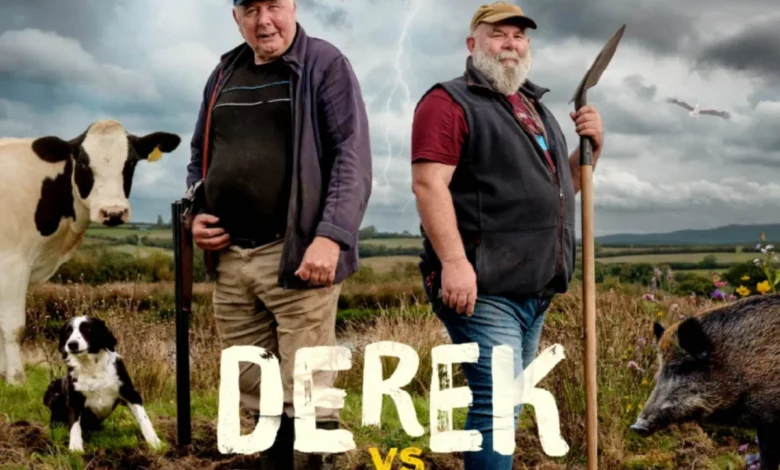
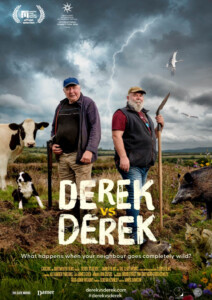
While consumer nutrition is one facet of the food crisis, the management of the land itself remains a point of intense national debate. The documentary Derek vs Derek, directed by James Dawson and premiering at the Sheffield DocFest, serves as a microcosm of the tension between intensive agricultural production and ecological restoration.

The film features two prominent figures in the Devon farming community: Derek Banbury, a representative of long-standing, intensive dairy farming traditions, and Derek Gow, a proponent of rewilding and biodiversity recovery. Their clashing philosophies mirror the broader UK agricultural policy debate: how to balance the need for food security with the urgent requirement for environmental stewardship.
Contextually, the UK is currently navigating a transition from the European Union’s Common Agricultural Policy (CAP) to the Environmental Land Management schemes (ELMs). This transition represents a major shift in how the government incentivizes land use, moving from production-based subsidies to a system that pays farmers for the provision of "public goods," such as carbon sequestration and flood mitigation. Derek vs Derek is timely, as it captures the human element of this policy shift—the resistance of traditional producers to change and the pioneering spirit of those attempting to heal degraded landscapes.
The Philosophy of Harmony and the Monarch’s Vision
A broader, more philosophical approach to this issue is found in Finding Harmony: A King’s Vision, directed by Nicolas Brown. This film explores the decades-long commitment of King Charles III to organic farming and sustainable development. Long before environmentalism became a mainstream political priority, the then-Prince of Wales established Highgrove House as a testing ground for organic practices.
The film traces the evolution of the "Harmony" principles, which emphasize that humanity must view itself as part of the natural world rather than an external observer or exploiter. This perspective has influenced various initiatives, including the work of the King’s Foundation at Dumfries House, which focuses on community engagement and the restoration of heritage. The historical significance of this vision is notable, as it suggests that the current global push for sustainable food systems is not merely a modern invention but the culmination of long-term, iterative efforts to reform agricultural philosophy.
Small-Scale Resilience and the Future of Farming
The documentary Flourish, directed by Christopher Baker, provides a pragmatic look at the economic reality of small-scale, regenerative farming. The film follows Calixta Killander, whose farm in South Cambridgeshire has been recognized for its excellence but faces the harsh realities of agricultural economics.
The narrative in Flourish is critical for understanding the "hidden costs" of local, high-quality food. While the regenerative movement is often praised for its ecological benefits, the film highlights the thin profit margins that small producers operate within. By documenting the decision-making processes, including staff reductions and operational pivots, the film offers an unvarnished view of the challenges facing young farmers today. It underscores a fundamental economic truth: for sustainable agriculture to thrive, the market must account for the actual costs of soil health and biodiversity, rather than relying on the artificially low prices dictated by industrial, large-scale supply chains.

Fact-Based Analysis and Implications
The consensus emerging from these films is that the UK food system is at a critical juncture. The integration of these perspectives—nutritional, environmental, and economic—points toward three primary conclusions:
- Information Asymmetry: Consumers are largely unaware of the extent to which their food is processed or "washed" with misleading health labels. The documentary evidence suggests that transparency in labeling is not just a consumer right but a public health necessity.
- Policy Conflict: The tension depicted in land management films highlights the difficulty of shifting national agricultural policy. There is an urgent need for financial mechanisms that support farmers in transitioning from intensive to restorative practices without risking their livelihoods.
- The Local-Global Connection: While global supply chains provide stability, the resilience of the food system depends on the health of regional hubs like those highlighted in the work of small-scale producers.
As these documentaries circulate, they are likely to fuel further debate on the necessity of localizing food networks and increasing the regulation of ultra-processed additives. The SFT’s recommendations serve as a guide for stakeholders to engage with the reality of our food systems, moving beyond the supermarket aisle to understand the complex, interconnected web of health, land, and economy.
For those interested in these topics, the films offer a diverse array of perspectives, from the clinical, data-driven critiques of the nutritional industry to the deeply personal stories of those working the land. These works serve as a reminder that the food on our plates is the result of policy, history, and individual choices that have profound implications for the future of the environment and public health.