The Clash Between Renewable Energy and Regenerative Farming Threatens America’s Arable Land

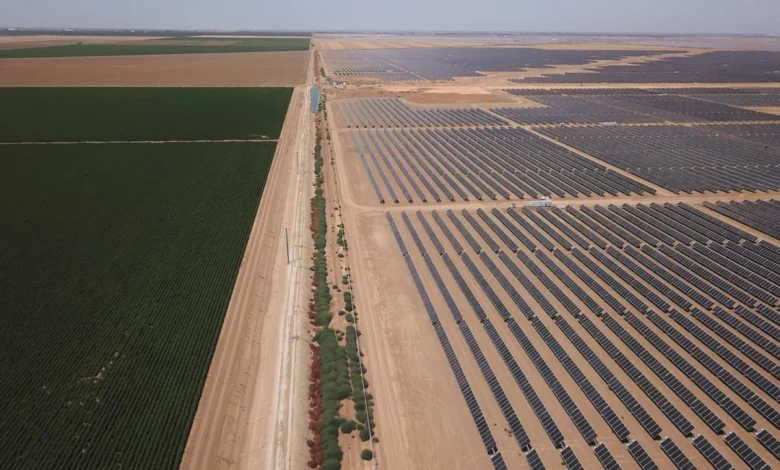
As the global community accelerates its transition toward renewable energy to mitigate the worst impacts of climate change, a quiet but profound conflict is unfolding across rural landscapes. Farmers striving to adopt regenerative agriculture—a movement designed to heal depleted soils and sequester atmospheric carbon—find themselves competing directly with the booming utility-scale solar industry. Far from being complementary, these two vital climate solutions are increasingly at odds, raising critical questions about food security, land use, and the long-term viability of small-scale and sustainable farming in the United States.
The roots of this friction trace back more than a decade, when pioneering agriculturalists began shifting away from conventional, chemical-dependent commodity farming. Around 2011, Jonathan Cobb and his wife, Kaylyn, launched what they envisioned as a sustainable blueprint for central Texas agriculture. Taking over several hundred acres of leased and family-owned land that had spent decades producing intensive row crops of corn and cotton, the couple sought to restore the soil’s natural vitality.
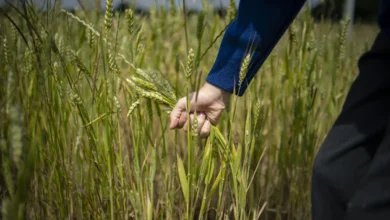
By planting a diverse mix of native perennials—such as silver bluestem, yellow Indian grass, and Maximilian sunflowers—they allowed deep root systems to rebuild the heavy clay soil. This approach, central to regenerative agriculture, aimed to enhance water retention, accelerate nutrient cycling, and increase carbon sequestration. Eventually, the Cobbs introduced managed livestock grazing to mimic the historic herds of wild bison that once roamed the North American prairies. Green Fields Farm quickly gained acclaim from sustainability advocates as a model for how modern agriculture could combat climate change rather than exacerbate it.
This optimism is rooted in growing scientific consensus. Agricultural activities in the United States emit roughly 698 million metric tons of carbon dioxide equivalent annually, according to Environmental Protection Agency data. Proponents of regenerative farming argue that if a significant percentage of commodity farmers adopted practices such as no-till planting, cover cropping, and multi-paddock grazing, agricultural soils could transition from being major greenhouse gas emitters to substantial carbon sinks. Some estimates suggest that increasing soil carbon levels by just two percent globally could return atmospheric greenhouse gases to safe levels.
However, the reality of transitioning to and maintaining regenerative practices is fraught with economic and cultural hurdles. Farmers face steep learning curves, expensive specialized equipment needs, and entrenched resistance from older generations accustomed to traditional, high-tillage farming methods.
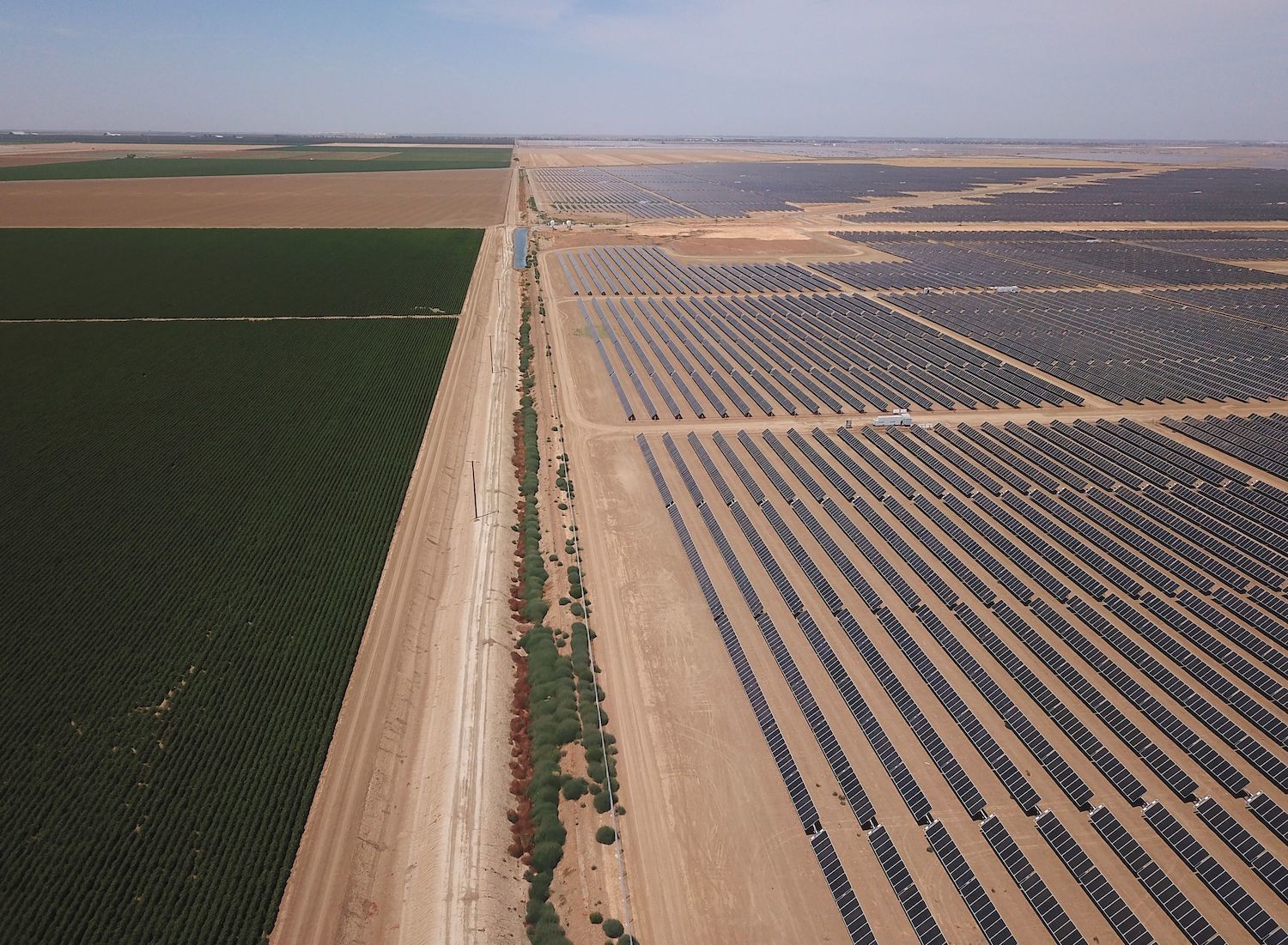
Compounding these challenges is the rapid expansion of utility-scale solar energy. Driven by aggressive state and federal clean energy mandates, solar developers have increasingly targeted flat, cleared, and easily accessible rural land. In many regions, landowners grappling with low profit margins and aging retirement accounts find themselves receiving lucrative lease offers from energy corporations. Between 2001 and 2016, according to the American Farmland Trust (AFT), U.S. farmers converted approximately 11 million acres of agricultural land into developed uses, a trend that has only accelerated with the recent solar boom.
The tension between clean energy infrastructure and agricultural preservation is not unique to the United States. Nations around the world are grappling with how to balance the urgent need for decarbonization with the imperative to maintain domestic food production.
Germany recently enacted pioneering legislation designed to open agricultural land to solar installations while legally mandating the parallel use of the land for food or animal production. The German government committed to supporting solar integration on up to 15 percent of its agricultural terrain, despite the higher capital costs associated with dual-use systems. Similarly, Japan has enforced agricultural "solar sharing" regulations since 2013, requiring commercial solar projects built on farmland to maintain active crop or livestock production underneath or around the panels.
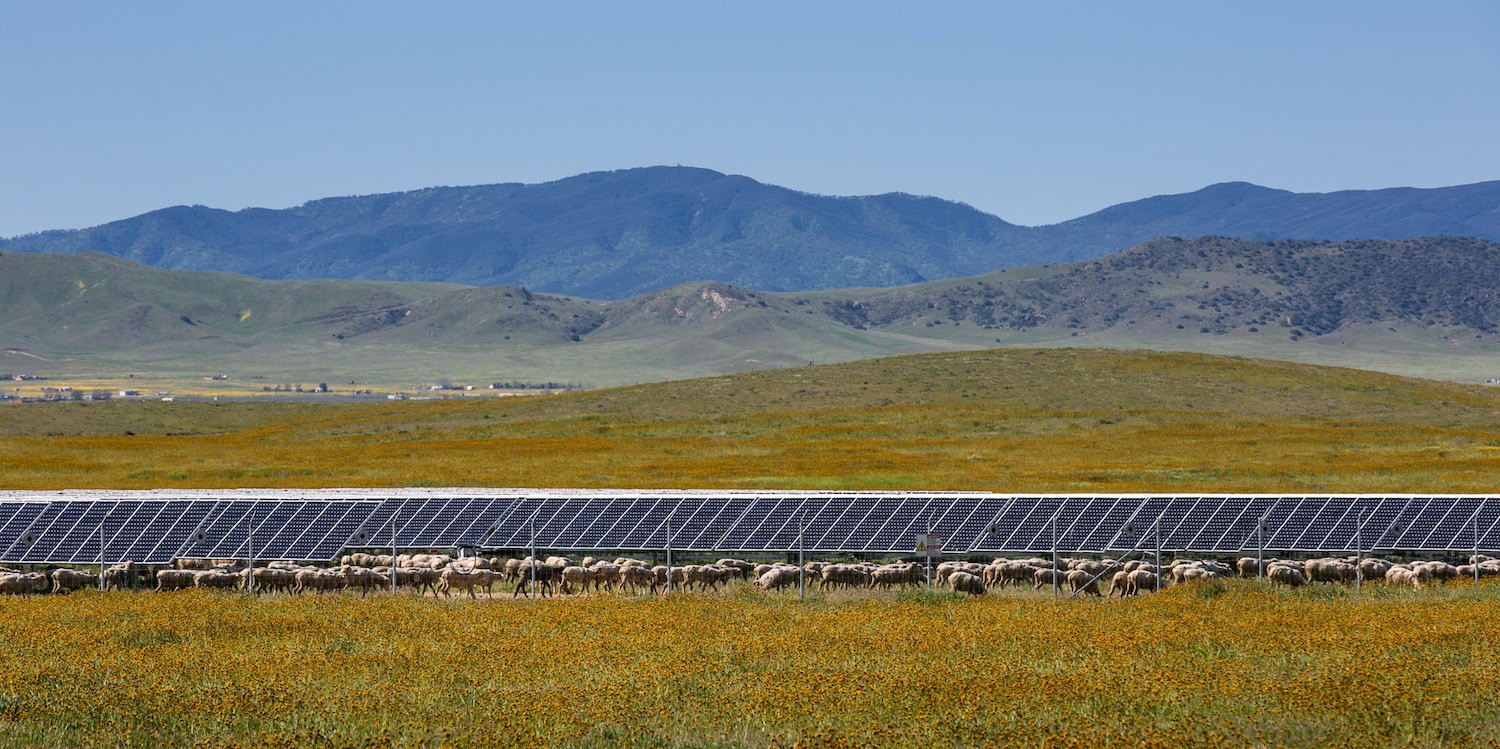
In the United States, however, large-scale integration remains in its infancy, primarily due to prohibitive infrastructure costs. While basic agrivoltaics—such as pairing solar arrays with low-slung livestock like sheep that naturally manage vegetation—are gaining traction, more complex systems face financial roadblocks. Raising solar panels high enough to accommodate large cattle or tall native prairie grasses, or spacing them widely enough to permit modern agricultural machinery, requires significantly more steel and engineering.
Researchers at the National Renewable Energy Laboratory (NREL), through federally funded initiatives like the InSPIRE project, are actively studying how agrivoltaic systems affect soil moisture, crop yields, and erosion across dozens of test sites nationwide. Jordan Macknick, lead energy-water-land analyst at NREL, emphasizes that successful agrivoltaics require collaborative design from the outset. Strategic row spacing, careful placement of irrigation infrastructure, and thoughtful fencing configurations can mean the difference between a farmer embracing a dual-use project and dismissing it as economically unviable.
Despite these technological advancements, industrial row-crop operations remain poorly suited for agrivoltaics, leaving smaller, diversified, and regenerative farms as the most viable candidates for solar integration. Yet, for individual farmers, the immediate financial security of a standard solar lease often outweighs the long-term, labor-intensive benefits of regenerative stewardship.
The economic disparities within the agricultural sector are stark. Farmers frequently lack the capital to invest in specialized regenerative machinery, such as no-till seeders costing tens of thousands of dollars, which are utilized only a few times a year. Organizations like the Marin Agricultural Land Trust and the American Farmland Trust attempt to bridge this gap by purchasing agricultural conservation easements. These agreements provide landowners with immediate capital or tax incentives in exchange for permanently extinguishing development rights, ensuring the land remains dedicated to farming.
Nevertheless, the temptation of guaranteed, passive income from energy leases remains a powerful draw, particularly for aging farmers on fixed incomes. Jonathan Cobb experienced this firsthand when his family contemplated leasing a portion of their multi-generational acreage to a solar developer. While a solar lease could provide critical financial relief, it would simultaneously dismantle the grazing infrastructure required for his regenerative operation.
Industry experts warn that the loss of arable land extends far beyond the physical footprint of solar panels. When farmland is converted to energy production, the surrounding agricultural community suffers an erosion of institutional knowledge, specialized labor, and vital supply-chain infrastructure. If a critical mass of neighboring farms sells out, local processing facilities, equipment dealers, and grain elevators may close, making it nearly impossible for those who remain to sustain their operations.
As the United States presses forward with its dual imperatives of achieving net-zero carbon emissions and securing a resilient food supply, policymakers and industry stakeholders face a complex balancing act. Without targeted government incentives, robust technological investments in agrivoltaics, and comprehensive land-use planning, the rush to build a green energy grid may inadvertently undermine the very foundations of American agriculture.