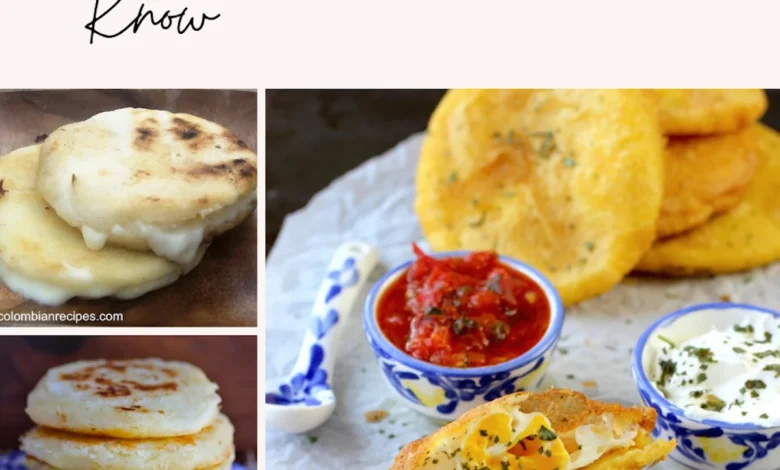
The arepa serves as the cornerstone of Colombian gastronomy, representing a cultural identity that transcends socioeconomic boundaries and regional differences. A staple corn-based cake, the arepa is found in virtually every Colombian household, gracing tables from the Andean highlands to the Caribbean coast. While often compared to the tortilla in terms of its ubiquity, the arepa is a distinct culinary artifact, defined by its preparation, thickness, and regional variations that have evolved over millennia.
The Historical and Indigenous Roots of the Arepa
The history of the arepa is inextricably linked to the cultivation of maize in the Americas. Archaeological evidence suggests that the indigenous peoples of the region now known as Colombia and Venezuela were consuming corn-based preparations long before the arrival of European settlers. These early societies developed sophisticated techniques for nixtamalization—the process of treating corn with an alkaline solution—which significantly improved the nutritional value and digestibility of the grain.

Early indigenous versions of the arepa were cooked over clay griddles known as budares. This fundamental cooking method remains largely unchanged, even as ingredients and variations have expanded. Following the Spanish colonization of the Americas, the introduction of Old World livestock and dairy products, such as butter, cheese, and various meats, allowed for the diversification of the humble corn cake. Over centuries, these influences synthesized with pre-Columbian traditions to create the vast array of arepas recognized in modern Colombian cuisine.

A Chronology of Regional Evolution
The evolution of the arepa reflects the geographic diversity of Colombia. Because the country’s varied topography—ranging from deep valleys to high mountain ranges—historically limited trade and communication between regions, distinct local traditions developed.
- Pre-Columbian Era: Indigenous communities across the northern Andes develop the fundamental technique of grinding corn into a dough and shaping it into flat, circular cakes for cooking over open fires.
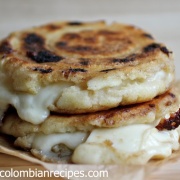
- Colonial Era (16th–18th Century): The Spanish influence introduces dairy, leading to the creation of cheese-stuffed varieties. Coastal regions begin to incorporate fried preparations, influenced by early maritime trade.
- 19th–20th Century: The industrialization of corn flour, particularly the development of precooked cornmeal (masarepa), shifts the preparation from labor-intensive traditional grinding to more accessible, standardized methods, allowing the arepa to become a nationwide commercial success.
- Modern Era: The arepa achieves global recognition, with Colombian diaspora communities in the United States, Europe, and beyond maintaining its status as a symbol of national heritage.
Supporting Data: The Ubiquity of Corn in the Colombian Diet
According to recent food consumption surveys within Colombia, the arepa is consumed by over 80% of the population at least once a day. The market for maize-based products in the country is substantial, with corn serving as one of the top three agricultural crops in terms of land usage and consumption volume.

Market analysis indicates that the rise of the "convenience" sector in Colombian food retail has not diminished the demand for fresh arepas; rather, it has bifurcated the market. While artisanal, handmade arepas remain a premium staple at traditional markets and specialized restaurants, mass-produced, vacuum-sealed arepas are now a fixture in urban supermarkets, reflecting a shift toward modern, time-efficient eating habits.
A Taxonomy of Regional Variations
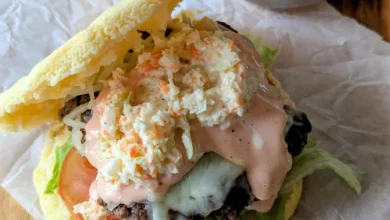
The diversity of the arepa is perhaps its most defining characteristic. In the Antioquia region, the Arepa Paisa—typically thin, plain, and white—is treated as a neutral vessel for butter or as a side dish to the Bandeja Paisa. Conversely, the Andean regions favor Arepas de Choclo, made from sweet, fresh corn, which offers a distinct flavor profile closer to a pancake.

In the Caribbean region, the Arepa de Huevo represents a technical feat of deep-frying; it involves a double-cooking process where the dough is partially fried, slit, filled with a raw egg, and sealed before a final fry to ensure the egg is perfectly cooked inside. In the department of Boyacá, the Arepa Boyacense is distinguished by the inclusion of wheat flour and brown sugar, resulting in a unique texture and a sweet-savory profile.

Economic and Cultural Implications
From an economic perspective, the arepa industry supports thousands of small-scale farmers and family-run enterprises. The "arepería"—a specialized eatery dedicated exclusively to the preparation and service of arepas—serves as a vital component of the local hospitality sector. These establishments act as community hubs, reinforcing the social importance of the food item.

Beyond the domestic market, the arepa has become an export product and a primary vehicle for Colombian soft power. As Colombian cuisine gains international acclaim, the arepa is frequently featured in high-end culinary tourism, positioning the country as a significant player in the global food landscape. Culinary historians note that the arepa’s versatility allows it to bridge the gap between "street food" and "gourmet cuisine," enabling it to adapt to various international dietary trends, including gluten-free movements.

Official Perspectives and Cultural Heritage
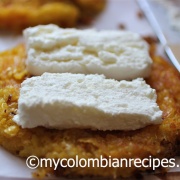
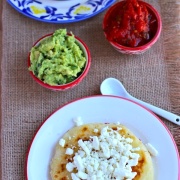
The Ministry of Culture in Colombia has on various occasions highlighted the importance of culinary traditions like the arepa in the preservation of national heritage. While the arepa is shared with neighboring Venezuela, Colombian culinary experts emphasize that the techniques, flavor profiles, and associated rituals (such as the specific use of hogao sauce or quesito cheese) create a unique, localized identity.

Statements from culinary institutions often emphasize that the arepa is not merely a carbohydrate source but a "social glue." The ritual of preparing the dough—often involving the entire family—serves as a primary mechanism for the transmission of cultural values and domestic skills from one generation to the next.

Conclusion: The Future of the Colombian Staple
As global tastes continue to evolve, the arepa appears well-positioned to maintain its relevance. Its inherent versatility—being naturally gluten-free when made from corn—aligns with contemporary health-conscious dietary patterns. However, the future of the dish lies in the balance between industrial efficiency and the preservation of artisanal techniques.

While large-scale production provides accessibility, there is a growing movement among chefs and home cooks alike to return to heirloom corn varieties and traditional nixtamalization methods. This "back to roots" trend suggests that the arepa will continue to be a dynamic, evolving entity. Whether served as a simple breakfast accompaniment with hot chocolate or as a sophisticated, gourmet-filled dinner, the arepa remains the undeniable, enduring symbol of the Colombian table. Its ability to adapt to changing times while remaining tethered to its indigenous history ensures that it will remain at the heart of Colombian life for generations to come.