Everyone says Gen Z doesn’t party. I went to the ring to see if we can (physically) beat the allegations.

The narrative surrounding Generation Z has become a cultural fixture: they are the "lonely generation," characterized by a marked withdrawal from traditional nightlife, a decline in alcohol consumption, and an increased reliance on digital interaction over physical presence. Recent data from the U.S. Census Bureau and various social behavioral studies suggest that individuals aged 18 to 24 are spending significantly less time in third spaces—physical locations outside of the home or workplace—than their Millennial or Gen X predecessors. However, beneath the surface of these statistics, a subculture of experiential, highly performative social events is emerging, attempting to bridge the gap between digital-era social anxiety and the fundamental human need for community.
One such attempt at reconciliation was the "Fight Your Evil Situationship Boxing Rave," hosted in Brooklyn by Grownkid, a social club specifically designed for the 18-to-24-year-old demographic. The event, which blended performance art, combat sports, and club-style aesthetics, serves as a case study for how modern youth culture is reinventing the concept of the party.
The Evolution of the Third Space
The premise of the Grownkid event—and others like it appearing across urban centers—is rooted in a perceived crisis of connection. Founded by Gael Aitor and Kayla Suarez, Grownkid operates on a manifesto that positions "play" as the antidote to the isolation bred by social media algorithms. The organizers argue that while Gen Z is the most digitally connected generation in history, these tools have ironically fostered a sense of detachment.

By moving the event from the screen to a physical arena, the organizers are attempting to force "online-to-offline" interaction. This is not an isolated phenomenon. Throughout the year, similar high-contact, highly theatrical events have gained traction, ranging from modern medieval combat leagues to niche wrestling showcases like "Twinks vs. Dolls." These events prioritize tactile, visceral experiences over the passive consumption of music or alcohol, marking a departure from the traditional nightclub model.
Chronology of an Evening: The Situationship Rave
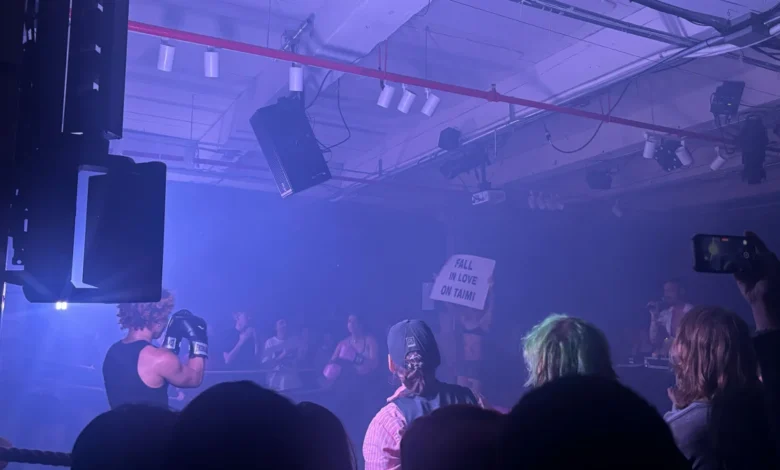
The event unfolded within a cavernous space, transformed into a makeshift boxing ring surrounded by strobe lights and a DJ booth. The evening was structured less like a sporting event and more like a theatrical revue. Attendees were not there for competitive athletics; they were there for catharsis, packaged in the form of "situationship" resolution.
The matches were curated based on the complex interpersonal histories of the participants. Each bout was introduced by hosts Caroline Jo and Basquiat, who framed the upcoming "fights" by detailing the participants’ attachment styles and the specific romantic entanglements that led them to the ring.
- The Introduction: The hosts utilized a style of commentary reflective of "chronically online" discourse, referencing specific internet slang and social media relationship tropes.
- The Conflict: Participants entered the ring, often engaging in exaggerated, performative combat—a symbolic release of the frustrations inherent in modern dating.
- The Resolution: In a recurring pattern, these staged fights frequently concluded in displays of reconciliation or physical affection, prompting the audience to react with a mixture of irony and genuine emotional investment.
Data and Social Implications
The shift toward these "conceptual parties" correlates with broader shifts in how Gen Z engages with public spaces. According to recent reports from the CDC and the Surgeon General regarding the loneliness epidemic, the decline in social integration is a significant public health concern. While a boxing rave may seem like an unconventional solution, sociologists studying "third spaces" note that younger generations are increasingly seeking "low-stakes, high-intensity" social environments.

These events provide a structured environment for socialization, which reduces the anxiety often associated with the ambiguity of modern social gatherings. By providing a clear activity—in this case, watching staged fights—the event removes the pressure of "making conversation" from scratch, replacing it with a shared, immediate experience that acts as an icebreaker.
Official Perspectives and Market Response
While the event was met with enthusiasm by its target audience, it remains a niche entry in a much larger market. Critics often point to the high price of admission and the ephemeral nature of these "pop-up" experiences as evidence that they are not a sustainable solution to social isolation. However, the commercial success of organizations like Grownkid—evidenced by their consistent sell-out of events—indicates a strong demand for curated social experiences.
When asked about the philosophy behind these events, organizers emphasize that the "meaning of life is play." They argue that by creating a space where social conflict—such as a breakup or a toxic situationship—can be treated with humor and performative spectacle, they are helping attendees process personal challenges in a communal setting.
Broader Cultural Impact
The implications of the "Situationship Rave" extend beyond a single night in Brooklyn. It represents a pivot in how youth culture defines a "night out." The focus is shifting away from the traditional bar culture, which is increasingly viewed as expensive and impersonal, toward events that offer a narrative arc.

Furthermore, the emphasis on "healthy conflict" as a form of entertainment suggests a maturation of how Gen Z approaches emotional health. By turning the trauma of a bad breakup or an ambiguous dating scenario into a performance, the participants are effectively reclaiming their agency. They are not merely wallowing in the loneliness of a situationship; they are putting it in a ring and boxing it until it is no longer a source of personal distress.
Looking Ahead: The Future of Youth Socialization
As the "loneliness epidemic" continues to be a subject of intense policy debate, the rise of organizations like Grownkid highlights a critical lesson: young adults are not inherently opposed to social interaction. Rather, they are increasingly selective about the environments in which that interaction takes place.
The success of the event suggests that the future of urban nightlife may rely on such "third spaces" that offer more than just a dance floor or a bar tab. Whether it is wrestling, medieval combat, or satirical boxing, the trend points toward a desire for communal engagement that is grounded in shared identity, digital-era references, and a healthy dose of irony.
While the "Situationship Rave" may not solve the structural issues of modern loneliness, it succeeds in providing a temporary, high-energy refuge from the digital isolation of the 21st century. As Gen Z continues to define its own social boundaries, it is clear that they are not abandoning the party; they are simply changing the rules of the game to ensure that when they do show up, it is on their own terms.