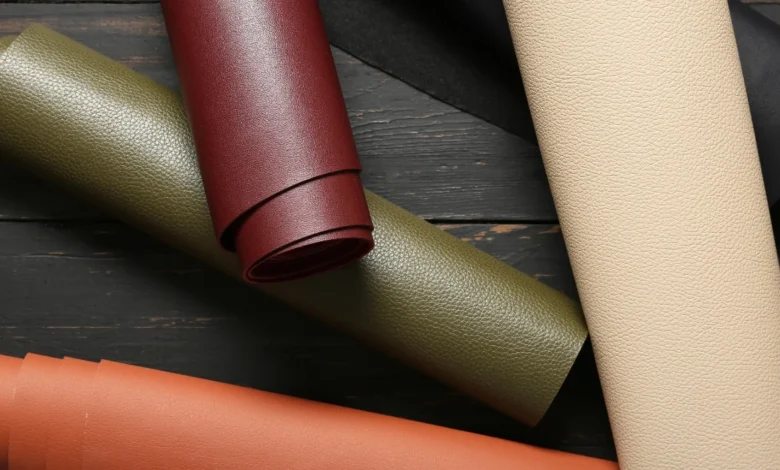
For decades, the British leather industry was a cornerstone of the national economy, a tradition rooted in craftsmanship and local supply chains. However, the dawn of the 21st century brought a seismic shift in global manufacturing. The rise of inexpensive synthetic materials, coupled with the outsourcing of textile production to low-cost overseas markets, effectively hollowed out the UK’s tannery sector. What was once a vibrant network of skilled artisans and industrial processors largely collapsed, leaving a vacuum that is only now beginning to be filled by a new, sustainability-focused model.
The Anatomy of a Lost Industry
The decline of British leather was not merely an economic footnote; it represented the loss of a critical link in the agricultural supply chain. As demand for domestic hides plummeted, farmers were faced with a grim logistical reality: what to do with the byproduct of the beef industry? Without a viable market for raw hides, these materials—which could have been repurposed into high-quality goods—were increasingly relegated to waste streams. Today, thousands of bovine hides are shredded, processed in biodigesters, or sent directly to landfill, representing a significant loss of potential economic value and an environmental oversight.
This decline is inextricably linked to the crisis facing local abattoirs. Small-scale slaughterhouses are vital to the health of the UK’s food system, providing essential infrastructure for local meat provenance and reducing the carbon footprint associated with livestock transportation. When local abattoirs close, farmers are forced to send animals further afield, impacting animal welfare and undermining the integrity of regional food security. The loss of a secondary market for hides removes a potential revenue stream that could have kept many of these essential community hubs viable.
Chronology of the Rebirth
The current interest in "regenerative leather" is not a spontaneous phenomenon but a response to shifting consumer sentiment and a growing demand for transparency in fashion.
- 2000s–2010s: The "Fast Fashion" era accelerates. Global supply chains prioritize speed and low costs, leading to the near-total reliance on international, high-volume tanneries, often characterized by heavy chemical use and poor labor standards.
- 2020–2022: Increased public scrutiny regarding the environmental impact of synthetic "vegan" leathers—often petroleum-based plastics—prompts a re-evaluation of natural materials.
- 2023–2025: Sustainable food advocates and niche luxury brands begin identifying the "circular potential" of British hides. Partnerships between heritage tanneries and high-end manufacturers like Mulberry signal a shift toward "farm-to-closet" traceability.
- 2026: A nascent, vertically integrated model for British Pasture Leather (BPL) is scaled, proving that high-welfare, locally sourced, and vegetable-tanned leather can compete in the luxury market.
The Sustainability Paradox: Fact vs. Perception
The modern consumer is often caught between competing narratives. On one side, the fashion industry has marketed synthetic, plastic-based alternatives as "cruelty-free" and sustainable. However, academic research paints a more complex picture. A recent study published in ACS Sustainable Chemistry and Engineering underscores that the global average emissions for finished bovine leather are significant, yet the environmental cost of the synthetic alternatives—which contribute to microplastic pollution and have a finite lifespan—is increasingly questioned by lifecycle analysts.
The primary criticism of traditional leather production remains its reliance on chromium tanning, a process that utilizes toxic heavy metals, consumes vast quantities of water, and creates hazardous wastewater. However, the emerging "British Pasture" model utilizes vegetable-based tanning. By using tannins derived from tree bark and other plant matter, these tanneries eliminate chromium from the production cycle. While this process is more time-consuming—taking months rather than days—it produces a product that is biodegradable and reflects a lower chemical footprint.
Economic and Environmental Implications
The resurgence of British leather is fundamentally tied to the quality of the raw material. The cattle involved in these new supply chains are typically reared on species-rich, pasture-based systems. These farms utilize native breeds that graze on diverse grasslands, which, when managed correctly, act as carbon sinks and support greater biodiversity than intensive, feedlot-based systems.
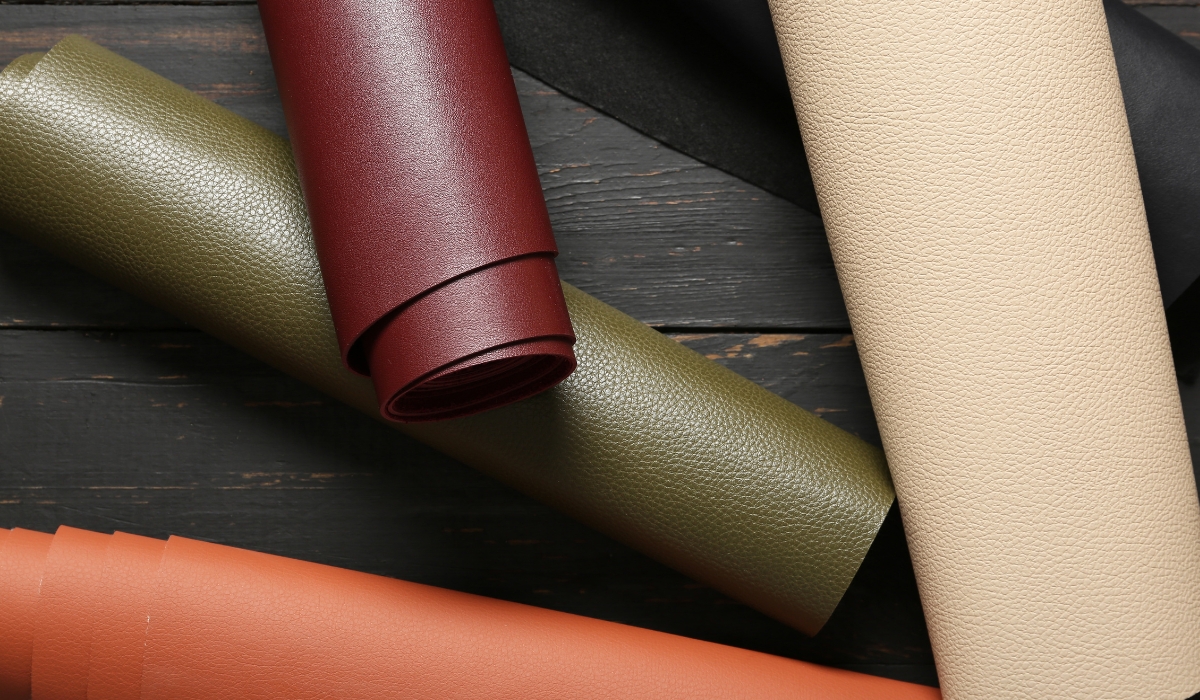
For the farmer, this creates a new value proposition. By moving away from the commodity-hide market—where they receive pennies for a hide—and toward a premium, traceable supply chain, they can secure a fairer return for their livestock. This is not just about the leather; it is about the long-term viability of the farm itself. As Wiltshire farmer Andy Rumming has demonstrated through his on-farm workshops, there is an appetite among consumers to reconnect with the origins of their goods. When a consumer makes their own shoes from the hide of a local animal, the disconnect between "fashion" and "farming" is bridged.
Bridging the Gap: The Role of Measurement
If this revival is to be more than a boutique trend, it requires a robust framework for verification. Critics often point to "greenwashing" in the fashion sector, where companies make vague claims about sustainability. To counter this, organizations are turning to tools like the Global Farm Metric. This framework allows for a multi-dimensional assessment of a farm’s performance, looking at metrics ranging from soil health and biodiversity to animal welfare and social impact.
By adopting these metrics, brands can provide consumers with empirical proof of their supply chain’s credentials. A luxury handbag, for instance, could come with a digital "passport" detailing exactly which farm the hide originated from, the grazing practices used, and the tanning method applied. This transparency is the key to justifying the higher price tag associated with ethically produced, artisanal leather.
Official Perspectives and Market Responses
While some industry analysts caution that a return to local, craft-based production cannot satisfy the global demand for leather, proponents argue that this was never the intention. Instead, the focus is on a paradigm shift: moving away from the mass-production of low-quality, disposable goods toward a "slow fashion" model that values durability and ethical provenance.
"The goal is to demonstrate that leather does not have to be an environmental burden," notes an industry expert close to the Sustainable Food Trust. "When integrated into a regenerative agricultural system, the hide becomes a resource that supports the farmer, the local economy, and the landscape."
Luxury houses, including Mulberry, have recognized this. By integrating BPL-sourced materials into their collections, they are diversifying their supply chain and appealing to a demographic of consumers who are increasingly willing to pay for products that align with their values regarding climate change and animal welfare.
Conclusion: A Sustainable Future?
The revival of the British leather industry is a microcosm of a broader movement toward localized, circular economies. It is a story that requires the alignment of farmers, abattoirs, traditional tanneries, and high-end designers. While the economic headwinds remain strong—primarily due to the scale of global competition—the narrative shift toward traceability and regenerative practice provides a viable path forward.
For the British public, this represents more than just a renewed interest in leather; it represents a commitment to maintaining the rural infrastructure that sustains the countryside. As scrutiny of fashion supply chains intensifies, the ability of British producers to prove the environmental and social value of their work will determine whether this is a fleeting interest or the beginning of a durable, high-value industry that supports both the planet and the people who steward it. The "impossible dream" of a sustainable leather industry is becoming a documented reality, one hide at a time.