Food Insecurity and Exclusion: California Lawmakers Press Governor Newsom to Expand Nutrition Benefits for Undocumented Immigrants

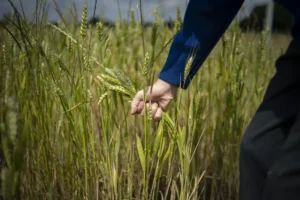
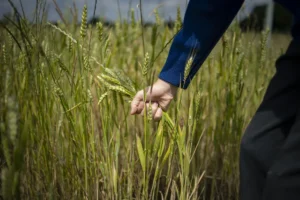
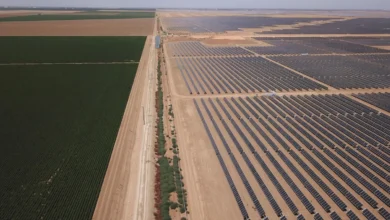
California stands as the agricultural powerhouse of the United States, producing a quarter of the nation’s food supply while boasting one of the world’s most powerful economies. Yet, beneath this veneer of agricultural abundance lies a profound paradox: nearly half of the state’s undocumented farmworkers—the very individuals who plant, tend, and harvest the crops feeding millions—experience chronic food insecurity. As lawmakers and policy advocates mobilize behind the Food4All campaign and Senate Bill 464, pressure is mounting on Governor Gavin Newsom to eliminate immigration and age restrictions within the state’s nutrition safety net, turning a spotlight on long-standing systemic inequities within America’s most populous state.
The Scope of Hunger Among Undocumented Workers
Food insecurity disproportionately affects undocumented immigrants across the United States, but the crisis is acutely felt in California, where approximately 45 percent of undocumented residents struggle to secure consistent, nutritious meals. Despite their critical economic contributions as essential workers through the COVID-19 pandemic, climate-induced extreme heatwaves, historic droughts, and devastating wildfires, this demographic remains systematically barred from mainstream government food assistance programs.
Federal nutrition programs, primarily the Supplemental Nutrition Assistance Program (SNAP)—known locally as CalFresh—restrict enrollment to low-income U.S. citizens and households featuring at least one member with a "qualified" immigration status held for a minimum of five years. At the state level, the California Food Assistance Program (CFAP) was established to bridge gaps for legal permanent residents, refugees, and asylees undergoing the mandatory five-year federal waiting period. Both programs, however, completely exclude undocumented immigrants.
In January, Governor Newsom’s proposed 2022-2023 budget included funding to strip immigration exclusions from CFAP, but with a major caveat: the expansion applies exclusively to undocumented Californians aged 55 and older. Advocates argue this incremental measure falls woefully short in a state grappling with the highest poverty rate in the nation.
Historical Roots: Legislation and the "Chilling Effect"
To understand why undocumented immigrants remain excluded from safety net programs—and why many eligible communities actively avoid utilizing available benefits—analysts point to a decades-long history of restrictive federal and state policies.
The structural foundation of this exclusion was cemented at the federal level in 1996, when President Bill Clinton signed the Personal Responsibility and Work Opportunity Reconciliation Act (PRWORA). This sweeping welfare reform law forced legal permanent residents to endure a five-year waiting period before accessing federal public benefits, introducing widespread fear and stigma that drastically reduced participation rates among eligible immigrant families.
At the state level, California voters approved Proposition 187 in 1994, an unconstitutional ballot measure designed to deny undocumented immigrants access to public education, non-emergency healthcare, and social services, while mandating that public officials report suspected undocumented residents to law enforcement. Although subsequently struck down by federal courts, the measure left an indelible psychological scar.
"The message that these kinds of laws send is, ‘You don’t belong here and we’re closing our door to you,’" explains Benyamin Chao, a policy analyst at the California Immigrant Policy Center. "That narrative has become so deeply ingrained that even when people are eligible and it’s safe for them to use public programs, they don’t enroll because they have been told over and over again that they don’t belong."
This pervasive fear was further compounded by federal immigration policies such as the "public charge" rule. Expanded drastically during the Trump administration in 2019, the rule penalized non-citizens for utilizing non-cash public benefits—including Medicaid, housing assistance, and food stamps—for more than 12 months, effectively weaponizing social safety net programs against immigrant families. Although the Trump-era regulations were rescinded, a subsequent survey revealed that three out of four immigrant families remained unaware of the reversal, illustrating the persistent psychological barriers to enrollment.
Real-World Realities in the Central Valley
The human cost of these legislative hurdles is starkly visible in California’s Central Valley, often referred to as the nation’s "salad bowl." Senator Melissa Hurtado, who introduced Senate Bill 464, represents this region and has long championed the rights of agricultural workers. Growing up in poverty as the daughter of immigrants, Hurtado experienced food insecurity firsthand and views the current system as an unacceptable moral failure.
"These are people who feed us, and they are people who have worked through the pandemic and deal with the effects of climate change," Hurtado remarks. "It should not be controversial to say that everyone should have access to food, documented or not."
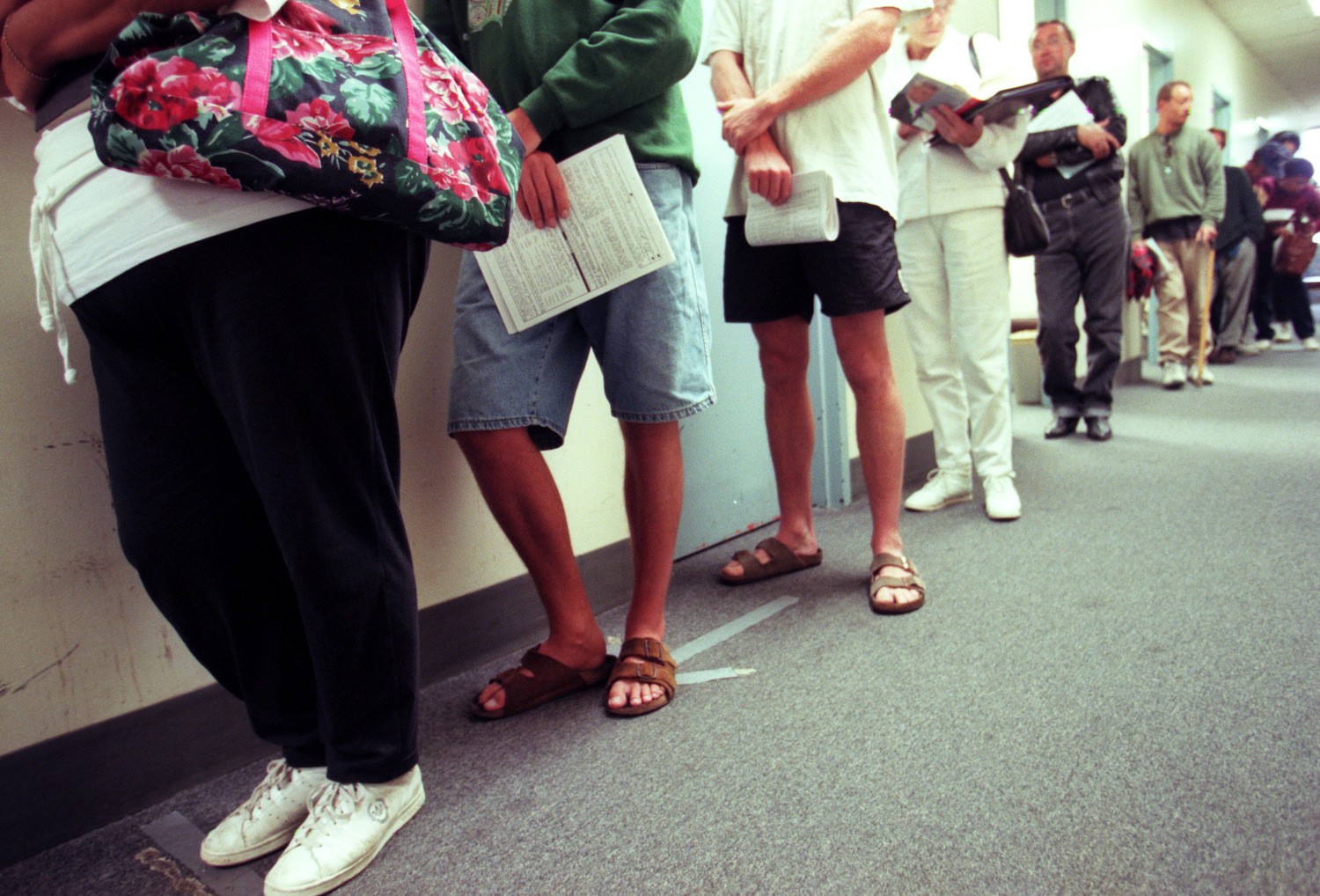
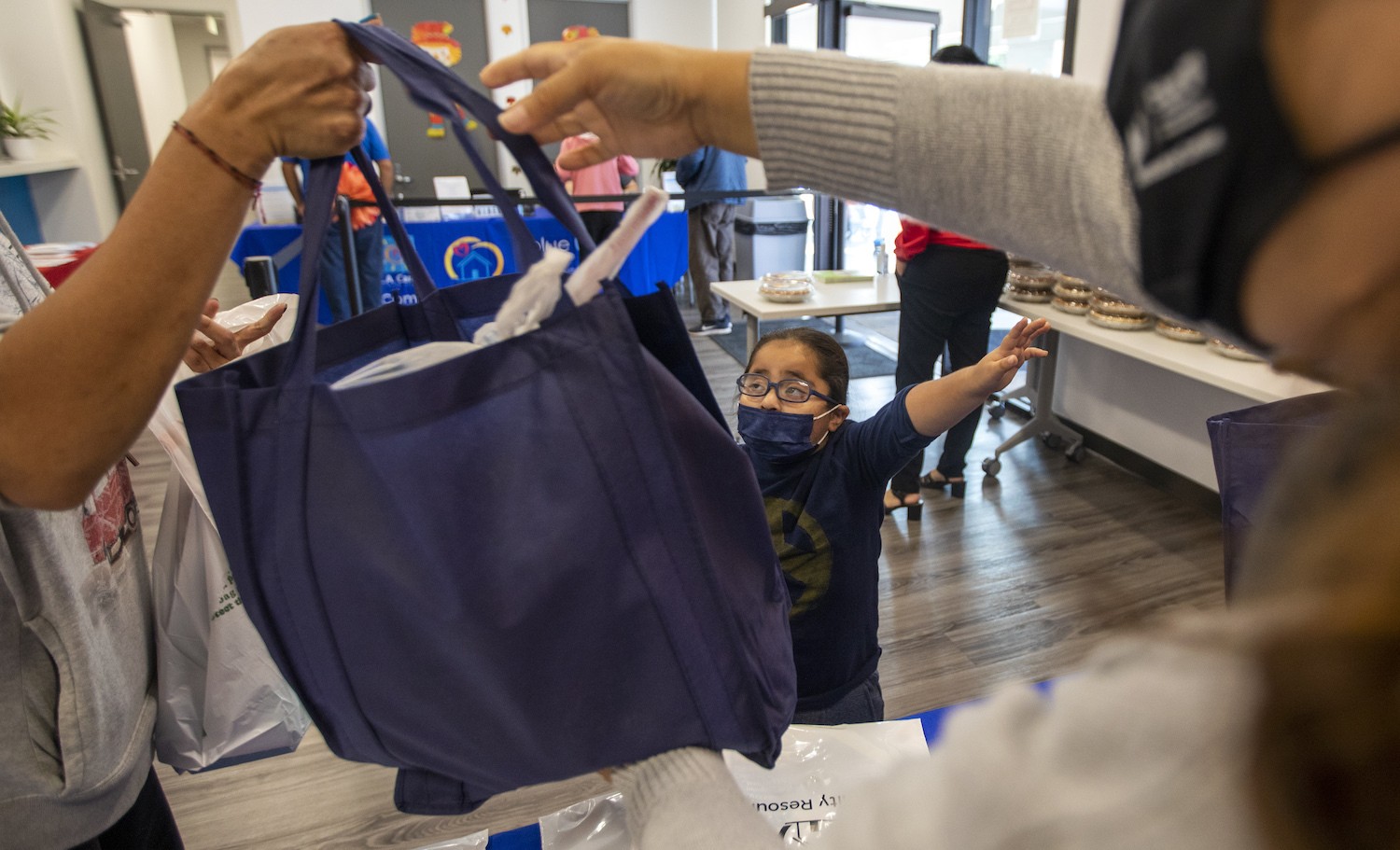
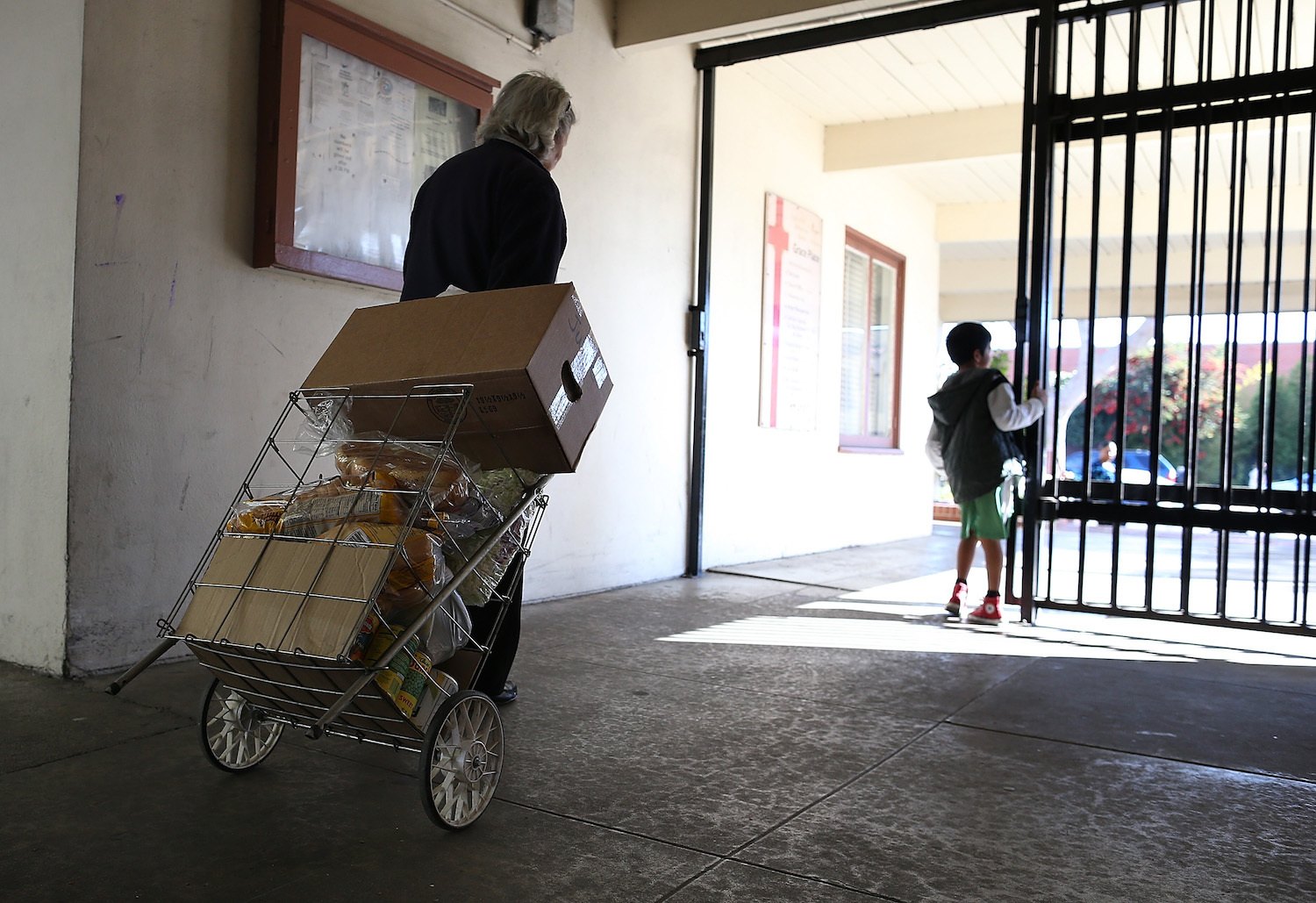
On the ground, community organizations like the Central Valley Immigrant Integration Collaborative (CVIIC) and the Mixteco Indigena Community Organizing Project (MICOP) work to bridge the gap. Special project coordinator Clarissa Vivian-Petrucci notes that agricultural workers frequently queue outside local food distribution sites hours in advance, driven by the harrowing fear that provisions will run out before their turn arrives.
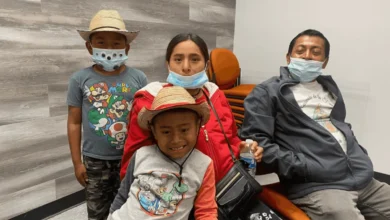
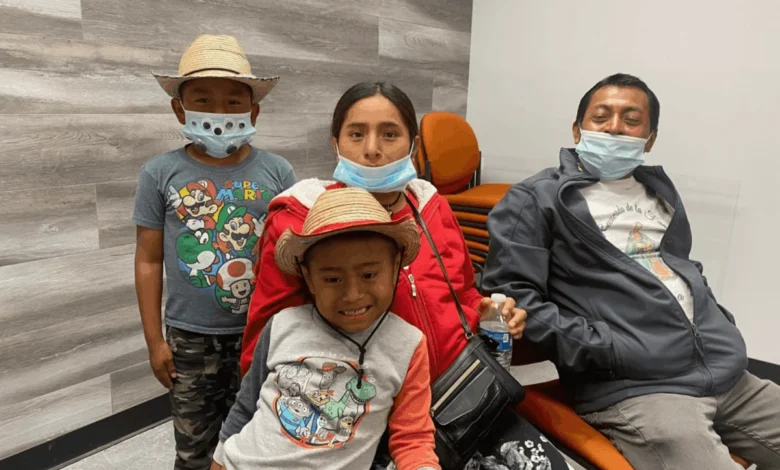
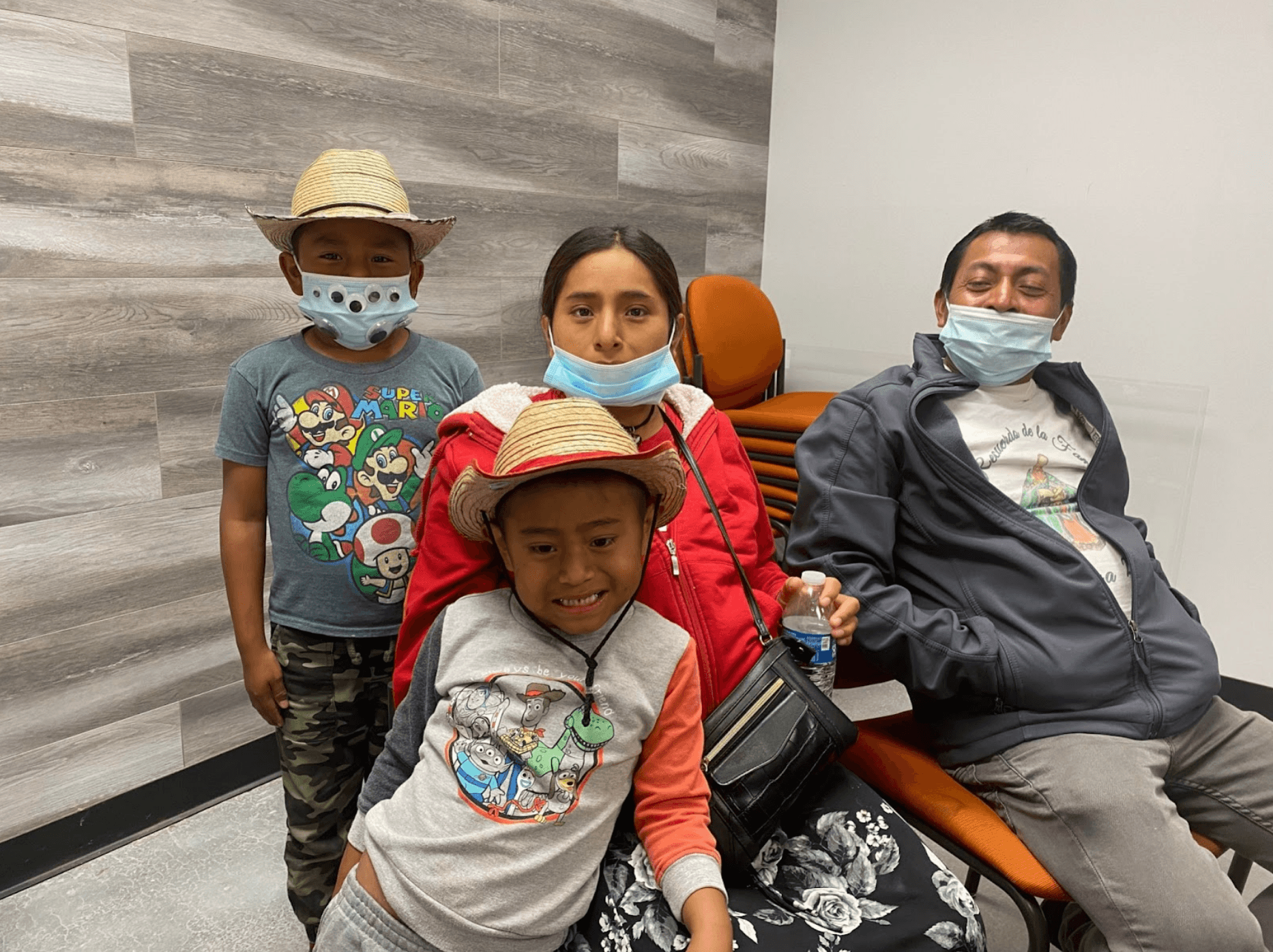
For families like Guillermo and Augustina—undocumented Mixtec farmworkers from Guerrero, Mexico, who settled in California with their two children in 2019—managing food costs is an ongoing balancing act. Relying primarily on inexpensive staples like rice, beans, and maseca, the couple works long hours in local strawberry fields during peak seasons. However, during the agricultural off-season, workloads drop significantly, forcing painful trade-offs where fresh produce becomes financially out of reach.
While Guillermo acknowledges that state-funded food assistance would be transformative for his family, deep-seated anxieties remain. "What if the next official changes the law in the future, would we have to pay back the support they gave us?" he asks through an interpreter. "We would sign up for the support if it was guaranteed the law would not change to hurt us in the future."
Overcoming Linguistic and Structural Barriers
Beyond fear of government retaliation, logistical and linguistic hurdles present severe obstacles. Augustina points out that many agency representatives administering public assistance communicate exclusively in English and Spanish. For the estimated 170,000 Indigenous migrants living in California who speak pre-Hispanic languages such as Mixtec, Zapotec, or Purépecha rather than Spanish or English, navigating complex bureaucratic application processes is virtually impossible without specialized, culturally competent intervention.
Advocates stress that any future expansion of the California Food Assistance Program must incorporate targeted outreach strategies tailored to Indigenous communities. Proposals include partnering with consulate offices to access translator databases, deploying grassroots educational campaigns via social media platforms, and collaborating directly with trusted community-based organizations.
The Political Battle Over the State Budget
With SenateBL 464 stalled in the legislative process, the Food4All campaign has redirected its primary focus toward the upcoming state budget negotiations. Backed by a historic $68 billion state budget surplus, lawmakers like Assemblymember Miguel Santiago are urging Governor Newsom to allocate sufficient funds in the June budget to expand CFAP eligibility to undocumented immigrants of all ages.
The policy debate highlights a fundamental philosophical divide regarding fiscal priorities. While the Newsom administration has proposed short-term economic relief measures—such as issuing $200 tax rebates to help motorists cope with soaring gasoline prices—advocates argue that permanent, structural investments are far more critical.
"Gas rebates for people like me who have cars? Sure, that feels really nice," says Betzabel Estudillo, senior advocate at Nourish California. "But are we truly supporting those who are most in need? Not just people who don’t have cars, but people who regularly struggle to put food on the table? You can’t eat a gas rebate."
In official statements, representatives for Governor Newsom emphasize the administration’s historic investments in immigrant communities, highlighting expansions in Medi-Cal health coverage for low-income residents regardless of immigration status, universal transitional kindergarten, increased migrant childcare funding, and college savings account deposits for immigrant families. However, the administration has declined to explicitly commit budget surplus funds toward an age-inclusive expansion of CFAP.
Broader Economic and Social Implications
Food insecurity is not merely a matter of acute hunger; extensive public health research links inadequate nutrition to severe, long-term developmental delays in children, alongside chronic physical and mental health ailments. Economists note that ensuring stable access to food for the entirety of the state’s workforce yields substantial public health savings, stabilizing healthcare systems and bolstering economic productivity.
As California policymakers finalize the upcoming fiscal year’s spending plan, the debate over food assistance for undocumented residents serves as a critical test of the state’s progressive ideals. For advocates, lawmakers, and frontline workers alike, the core issue transcends partisan politics, framing nutrition as a fundamental human right that should be extended to every resident who sustains the state’s agricultural economy.