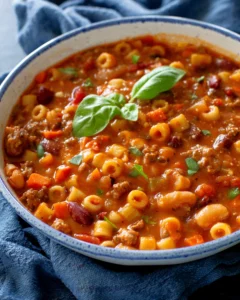
Hamburger Stew: A Comprehensive Guide to Preparing a Time-Efficient Modern Comfort Meal

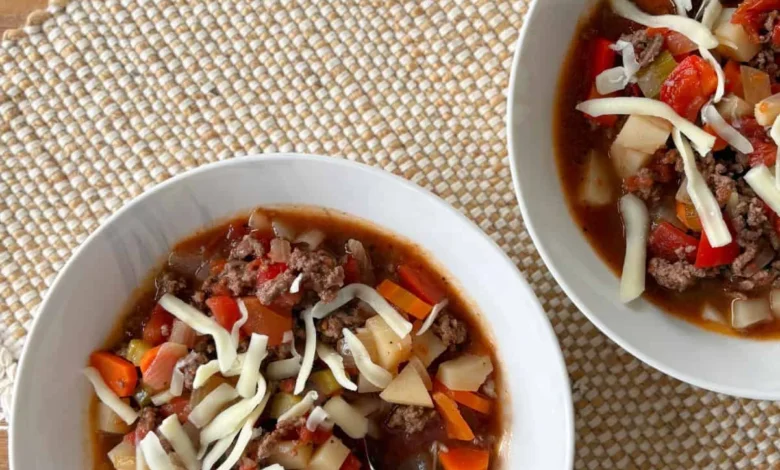
Hamburger stew represents a significant evolution in traditional culinary practices, bridging the gap between historical slow-cooked meat dishes and the demands of contemporary, time-constrained households. By utilizing ground beef as the primary protein, this dish eliminates the multi-hour tenderization process required for traditional chuck or round roasts, effectively reducing the total preparation time to under one hour while maintaining the nutritional profile and flavor complexity of a classic stew.

Culinary Origins and the Evolution of Stew
The concept of stewing—simmering ingredients in liquid over a long duration—is one of the oldest methods of food preparation in human history. Archeological evidence suggests that early humans utilized heated stones to boil water in animal hides or hollowed-out containers, creating a primitive form of stew. Historically, beef stew was a dish of necessity, designed to soften tough, inexpensive cuts of meat through prolonged exposure to low, moist heat.
In the mid-20th century, the advent of standardized ground beef production transformed the home kitchen. As household dynamics shifted toward dual-income families and shorter meal preparation windows, the necessity for a "fast-cooking stew" became apparent. The hamburger stew serves as a modern adaptation of this classic, substituting the slow-cook brisket or chuck roast with ground beef, which provides a familiar, palatable texture that requires minimal heat exposure to reach optimal tenderness.

Nutritional Profile and Ingredient Composition
From a nutritional standpoint, a standard serving of hamburger stew provides a balanced intake of macro and micronutrients. The inclusion of carrots, celery, and tomatoes introduces essential fiber, Vitamin A, and Vitamin C, while the ground beef serves as a primary source of high-quality protein and iron.
According to standard nutritional analysis, an eight-ounce serving contains approximately 178 calories, 14 grams of protein, and 16 grams of carbohydrates. The sodium content often fluctuates based on the use of commercial beef broth versus water, though it generally remains within the recommended range for a main course when prepared with fresh vegetables. The use of yellow or Yukon Gold potatoes provides a stable starch component that resists disintegration during the 40-minute simmering phase, ensuring the integrity of the dish’s texture.

Methodology: A One-Pot Process
The efficiency of the modern hamburger stew is rooted in its "one-pot" methodology, which minimizes kitchen labor and cleanup. The sequence of preparation typically follows a strict, time-optimized protocol:
- Protein Searing: The process begins with the browning of ground beef. This phase is critical, as the Maillard reaction—the chemical interaction between amino acids and reducing sugars—creates the complex flavor compounds essential to the stew’s depth.
- Vegetable Integration: Aromatics such as onions and celery are incorporated into the rendered fat, allowing them to soften and release their moisture.
- Deglazing: If a wine or broth is utilized, it is added at this stage to lift the fond (the browned bits of protein) from the bottom of the Dutch oven, ensuring no flavor is lost.
- Simmering: The addition of tomatoes and root vegetables follows. The tomatoes provide acidity, which balances the richness of the beef fat, while the vegetables soften to create a harmonious base.
- Final Seasoning: Unlike traditional stews that require hours of reduction, this version reaches its peak profile in approximately 40 minutes, allowing for immediate service.
Culinary Analysis of Ingredient Flexibility
The versatility of the hamburger stew recipe is a primary factor in its enduring popularity. Culinary experts note that the dish serves as a "refrigerator clearing" agent. The base—ground beef, tomato liquid, and starch—is highly receptive to secondary additions.

For instance, the addition of frozen peas or corn during the final five minutes of cooking adds texture without overcooking the produce. Similarly, the substitution of ground turkey for beef significantly alters the fat content and caloric density of the meal. While ground turkey provides a leaner profile, it lacks the intramuscular fat content of beef, which often requires the addition of a small amount of oil or butter to maintain a desirable mouthfeel.
Regarding the liquid base, there is a clear distinction between "stew" and "soup" consistencies. A traditional stew relies on the natural starches released by potatoes to thicken the broth. If a higher viscosity is desired, some home cooks employ a light slurry of flour or cornstarch, though the breakdown of starchy potatoes usually suffices for a standard, rustic consistency.

Economic and Practical Implications
In the current economic climate, the hamburger stew has gained traction as a cost-effective alternative to more expensive cuts of meat. Ground beef is consistently priced lower than steak or roast cuts, making it a staple for families managing grocery budgets. Furthermore, the dish demonstrates excellent shelf-stability and reheatability. Because the vegetables are cooked in a tomato-acid medium, the structural integrity of the components remains relatively stable during the cooling and reheating process.
Research into meal-prep trends indicates that dishes like hamburger stew, which improve in flavor as the ingredients macerate in the refrigerator overnight, are increasingly favored by consumers seeking to maximize efficiency. The ability to prepare a large quantity of food in a single session—often referred to as "batch cooking"—allows for significant time savings during the work week.

Expert Recommendations for Quality Control
To ensure the highest quality results, culinary professionals offer several guidelines:
- Potato Selection: While yellow and Yukon Gold potatoes are preferred for their waxier texture, russet potatoes can be utilized if a thicker broth is desired, as their high starch content will partially dissolve into the liquid.
- Salt Management: If using pre-packaged beef broths, it is advisable to limit added salt during the initial searing phase. Sodium levels in commercial broths can be high, and the liquid reduction during simmering further concentrates these salts.
- Wine Usage: The inclusion of a dry red wine adds a layer of tannin that cuts through the fat of the beef. However, for those avoiding alcohol, an equal measure of beef broth or water with a teaspoon of balsamic vinegar can provide a similar acidic profile.
- Temperature Control: A Dutch oven is the ideal vessel for this dish due to its ability to distribute heat evenly. The goal is a gentle simmer rather than a rapid boil, which could cause the ground beef to toughen and the vegetables to disintegrate.
Broader Cultural Context
The endurance of hamburger stew in the American diet highlights a broader preference for "comfort food"—dishes that are perceived as home-cooked, hearty, and emotionally satisfying. In an era dominated by processed, hyper-convenient food options, the act of assembling a stew from base ingredients represents a reclamation of traditional domesticity.

Furthermore, the dish serves as a testament to the versatility of the hamburger, which remains the most consumed meat product in the United States. By moving the hamburger out of the bun and into the pot, cooks have successfully reinvented a familiar ingredient into a format that supports complex vegetable profiles and long-term satiety.
Conclusion
Hamburger stew remains a cornerstone of efficient, home-style cooking. Its reliance on simple, affordable ingredients, combined with a streamlined preparation method, positions it as an ideal solution for the modern cook. Whether viewed through the lens of nutritional utility, economic necessity, or simple culinary tradition, the dish continues to provide a reliable framework for nutritious, warm, and satisfying meals that require minimal specialized equipment or advanced technique. As food trends continue to oscillate between extreme complexity and minimalist efficiency, the hamburger stew stands as a balanced middle ground that shows no sign of losing its place in the modern home repertoire.