The modern cocktail landscape is currently dominated by a resurgence of high-volume classics. The Martini, in its various iterations—from the bracingly cold dry version to the "dirty" variant laden with brine—has become a fixture of the contemporary bar program. Similarly, the Negroni has transcended its Florentine roots to become a canvas for infinite flavor experimentation, appearing in seasonal menus ranging from rhubarb-infused summer specials to panettone-spiced holiday libations. While these pillars of the gin canon occupy the spotlight, the broader historical landscape of mixology is filled with "minor classics" and long-forgotten aperitivi that offer a deeper understanding of the evolution of drinking culture. These drinks, often sidelined by the sheer popularity of their counterparts, provide a narrative of 20th-century innovation and global flavor trends that merit re-examination.
The Evolution of the Italian Aperitivo
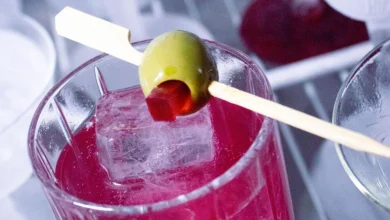
The history of the cocktail is rarely a straight line; rather, it is a series of regional adaptations and creative pivots. The Cardinale is a quintessential example of this phenomenon. Originating in Rome in 1950, the drink was reportedly crafted for a visiting cardinal, a nod to the deep red hue of the cocktail. In its original construction, the Cardinale relied on a delicate balance of gin, white wine, and Campari.

Over the decades, the recipe underwent a tactical shift. As the demand for drier, more structured aperitifs grew, bartenders began swapping the white wine for dry vermouth. This adjustment transformed the drink from a nuanced, slightly floral libation into a crisp, austere experience. Modern practitioners, such as Naren Young, have further refined the drink, often utilizing specific bitter modifiers like Contratto Bitter to achieve a more precise flavor profile. Beyond the bar-prepared versions, the Italian market has long championed a version of the Cardinale utilizing the Campari Soda RTD, which provides a sparkling, carbonated effervescence that highlights the drink’s lighter, daytime-drinking potential. This evolution reflects a broader trend in the hospitality industry: the move away from heavy, sugar-laden cocktails toward drinks that emphasize tension, bitterness, and clarity.
Complexity in simplicity: The Star Daisy
The Star Daisy represents the intersection of two distinct eras of cocktail development. Its profile—London dry gin, apple brandy, and dry Curaçao—is a masterclass in unlikely ingredient pairing. According to industry experts like Joaquín Simó, who was introduced to the drink during the formative years of New York’s iconic Milk & Honey, the Star Daisy possesses a rare, year-round appeal.
The drink’s construction is deceptively simple, yet it requires a precise balance to prevent the apple brandy from overwhelming the juniper-forward gin. By incorporating simple syrup, modern bartenders have managed to achieve a silkier mouthfeel, elevating the drink from a sharp, bracing cocktail to a rounded, sophisticated experience. The endurance of the Star Daisy in the repertoire of elite bartenders speaks to the necessity of "bridge" cocktails—drinks that utilize seasonal components like pomaceous fruit while maintaining the structure of a classic spirit-forward serve.

Technical Precision and the Tropical Fizz
The Gin Fizz Tropical, documented in Charles H. Baker’s 1939 compendium The Gentleman’s Companion, stands as a testament to the mid-century fascination with exotic, fruit-driven refreshments. While the original recipe was rooted in the classic pineapple-and-gin combination, contemporary iterations, such as those refined by chef and restaurateur Charles Phan, have updated the technical specifications for the modern palate.
Phan’s version replaces fresh pineapple juice with pineapple gum syrup, which introduces a viscous, rounder sweetness, while orgeat is substituted for heavy cream to provide a nutty, aromatic depth. The technical success of this cocktail hinges on physical labor; as Phan notes, the secret to the drink’s signature froth is the use of large ice cubes and an extended, vigorous shake. This requirement highlights a shift in bar training, where the physical mechanics of aeration and dilution are now treated with the same scientific rigor as the selection of base spirits. The Gin Fizz Tropical serves as a reminder that the "tropical" category is not exclusively the domain of rum-based tiki drinks, but a space where gin can provide a cleaner, more botanical foundation.
The Geography of a Minor Classic: The Wibble
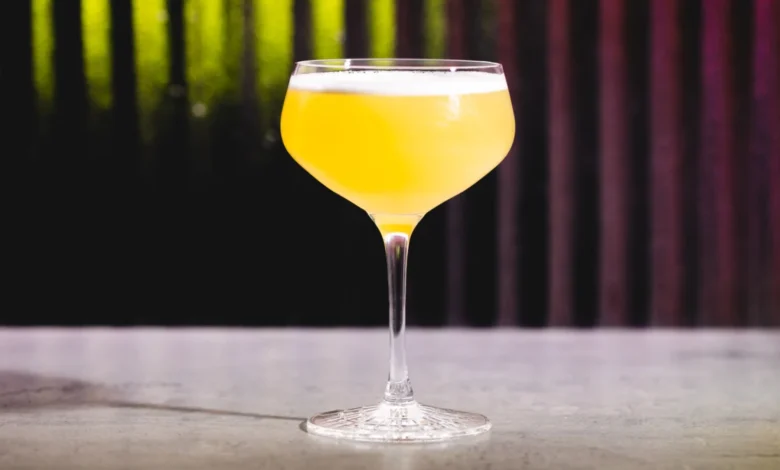
The Wibble occupies a unique position in the modern canon. Described by spirits authority Robert Simonson as "neither a global phenomenon nor an obscurity," the cocktail was created by the late Dick Bradsell, a central figure in the London cocktail renaissance of the 1990s. The drink’s formula—gin, sloe gin, grapefruit, lemon, and crème de mûre—is a sophisticated layering of berry, citrus, and botanical notes.

Despite its inception in the high-energy environment of London’s 1990s bar scene, the Wibble has remained a localized favorite, only recently beginning to permeate international menus in hubs like Copenhagen, Gothenburg, and Amsterdam. The slow, steady migration of the Wibble across Northern Europe suggests that the "minor classic" category is currently the most dynamic area of growth for professional bartenders. Unlike the globally recognized Espresso Martini or Cosmopolitan, the Wibble represents a "bartender’s cocktail"—a drink that requires a specific set of modifiers and is often shared as a badge of insider knowledge within the industry.
The Obituary and the New Orleans Legacy
New Orleans has long been a crucible for American cocktail culture, and the "Obituary" is one of its most compelling, if morbidly named, contributions. A riff on the Martini that introduces a wash of absinthe, the Obituary bridges the gap between the clean, clinical profile of a traditional dry Martini and the complex, herbal bitterness of pre-Prohibition absinthe cocktails.
The drink’s revival at venues like Maison Premiere is largely attributed to the growing consumer curiosity regarding absinthe and the ongoing refinement of the Martini. William Elliott, owner of Maison Premiere, points to the psychological impact of the drink’s nomenclature as a catalyst for its popularity. "When you put something on the menu like the Obituary, you are forcing somebody to repeat it," Elliott explains. This linguistic engagement creates a unique barrier to entry that, once crossed, converts the guest into a participant in the drink’s history. The Obituary succeeds not just because of its flavor, but because it leverages the theater of the bar—the name is a conversation starter, the absinthe is a sensory experience, and the Martini base is an accessible familiar ground.

Broader Implications for the Bar Industry
The continued interest in these specific cocktails—the Cardinale, the Star Daisy, the Gin Fizz Tropical, the Wibble, and the Obituary—signals a maturation of the global cocktail consumer. Data from market research firms specializing in spirits indicate that consumers are increasingly seeking "low-intervention" or "classic-plus" drinks that offer high levels of complexity without the cloying sweetness of modern dessert-inspired cocktails.
The professional bartender’s focus on these "hidden gems" serves several strategic purposes:
- Menu Differentiation: In a saturated market, offering a unique "minor classic" allows a venue to establish a distinct identity that differentiates it from establishments serving standardized, high-volume cocktail lists.
- Education: These drinks provide a gateway for guests to learn about the history of spirits and the evolution of bar techniques, transforming the act of drinking into an educational experience.
- Operational Efficiency: By utilizing ingredients that are already staples in a well-stocked bar (like vermouth, bitters, and various liqueurs), these cocktails can be integrated into existing inventory management systems with minimal disruption.
As the industry moves forward, the trend toward reclaiming and reinterpreting the past will likely continue. The "minor classics" are no longer just historical footnotes; they are active, vital components of the modern bar experience. By analyzing their components, understanding their histories, and respecting the techniques required to execute them, the contemporary bartender ensures that the lineage of the cocktail remains unbroken, even as it adapts to the tastes of a new generation. The future of the bar is, in many ways, an echo of its past, and in the case of these five drinks, that past is remarkably well-preserved.