The Legal Loopholes and Restrictive Covenants That Trap Low-Income Communities in Food Deserts

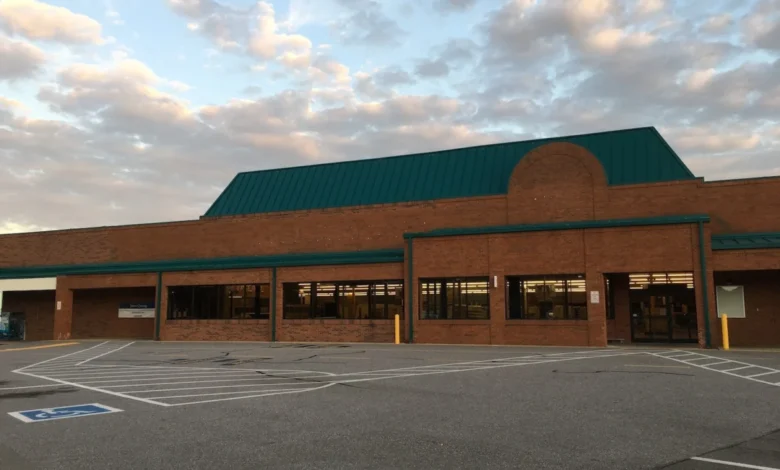
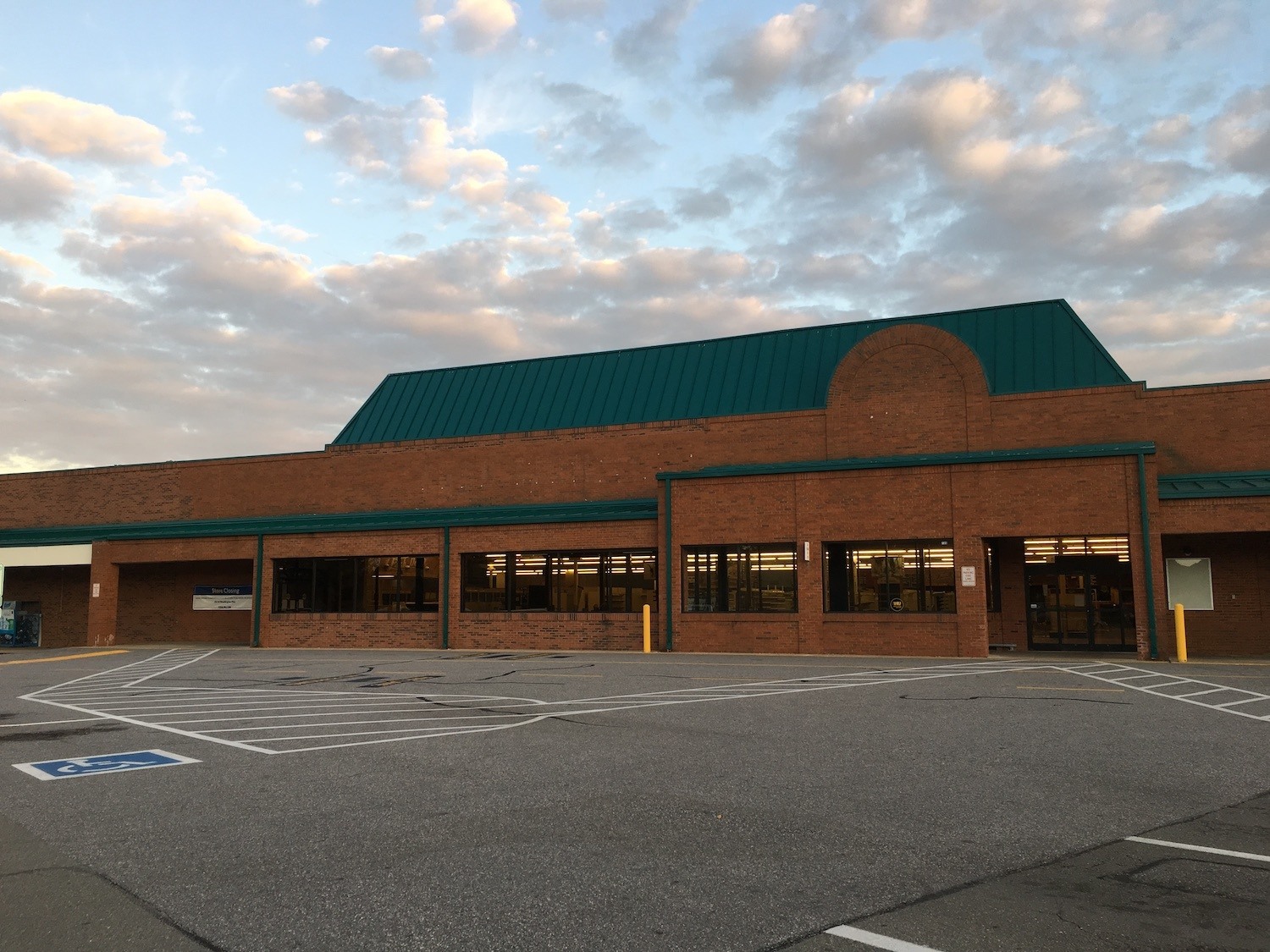
Major supermarket chains across the United States have long utilized legal provisions in lease agreements and real estate deeds to limit competition, protect profit margins, and maintain regional monopolies. While these business strategies are designed to safeguard corporate investments, they frequently create structural barriers that exacerbate food insecurity in low-income neighborhoods and communities of color. The impact of these practices gained renewed attention following investigations into how corporate real estate strategies leave behind vacant storefronts and barred commercial spaces, cutting vulnerable populations off from essential nutrition and economic mobility.
The Genesis of Food Insecurity in Urban Centers
The intersection of corporate real estate law and public health became apparent to observers when first-year law student Karissa Kang arrived at Yale University in New Haven, Connecticut. Seeking a supermarket within walking distance, Kang discovered that her neighborhood relied almost exclusively on a single Stop & Shop location situated roughly a half-mile from campus. While students with personal vehicles easily traveled to suburban retailers like Trader Joe’s, residents without reliable transportation faced severe limitations.
New Haven presents stark socioeconomic disparities. According to local data, the city’s non-Yale residents endure a poverty rate approaching 26 percent, with food insecurity rates measuring twice the national average. Within the city’s lowest-income communities, one in three residents experiences food insecurity, disproportionately affecting Black and Hispanic households where poverty rates exceed 27 percent. Kang’s investigation into the structural causes behind New Haven’s limited grocery options revealed a landscape shaped by restrictive covenants and strategic real estate hoarding.
Understanding Restrictive Covenants and Real Estate Hoarding
Restrictive covenants are clauses inserted into property deeds and commercial lease agreements that dictate how a parcel of land or a building can be utilized, often for decades or indefinitely. Originating heavily in the mid-20th century as large-scale supermarket footprints expanded to encompass 5,000 square feet or more, these provisions were crafted to protect multi-million-dollar developments from nearby competition.
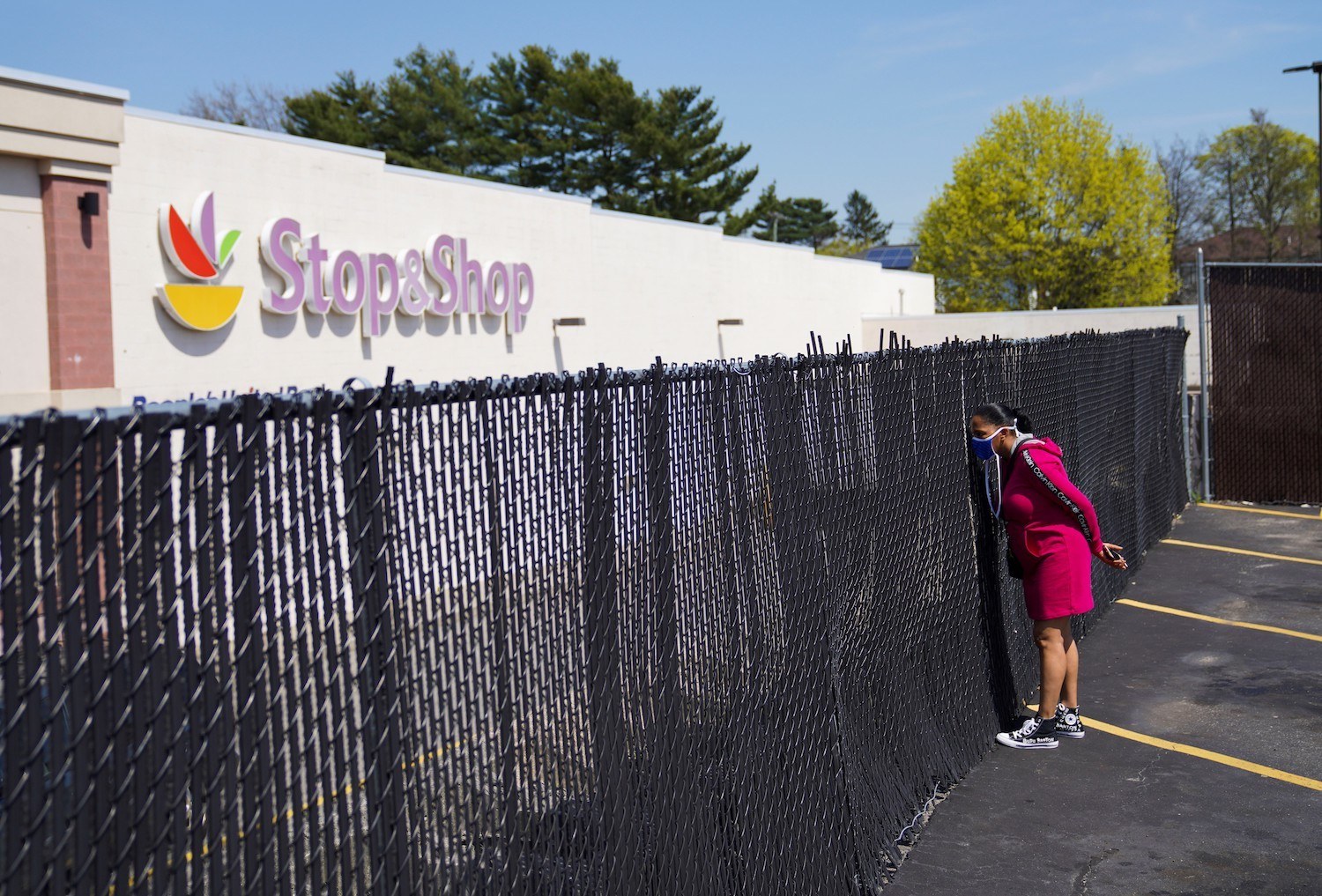
When a grocery chain decides to close or relocate a store, it frequently retains control over the property. Under the terms of a restrictive covenant, the company can lease or sell the building while legally barring the incoming tenant from operating a grocery store, bodega, farm stand, or any commercial vendor selling food products. A notable historical precedent occurred in 2012 in Stonington, Connecticut, when Stop & Shop refused to sublease a vacated storefront to a competing food retailer after relocating its operations.
Beyond lease controls, major chains routinely purchase vacant land parcels surrounding their operating stores simply to prevent rival grocers from establishing a presence. In Eastham, Massachusetts, Stop & Shop acquired an 11-acre plot for $1.3 million, later selling the land back to the town for $1.6 million bundled with an explicit deed restriction. This restriction legally prohibited the community from utilizing any portion of the property for a supermarket, superstore, wholesale club, fish market, butcher shop, convenience store, or the sale of food for off-premises human or animal consumption.
In other instances, companies bypass sales entirely, opting to pay third-party realtors or landholders to keep properties vacant. In Greenfield, Massachusetts, Stop & Shop compensated a realtor for a decade to prevent the development of a competing supermarket on a commercial site. Legal and urban planning experts note that these vacant structures degrade neighborhood property values, increase security risks, and occupy valuable asphalt footprints that could otherwise serve community needs such as healthcare clinics, senior centers, or accessible housing.
Corporate Justifications and Industry Precedents
Retail corporations defend these real estate practices as necessary safeguards for capital investments. Representatives for major conglomerates maintain that developing a high-cost supermarket requires significant financial commitment, and companies should not be expected to subsidize or facilitate infrastructure for direct competitors within the same market.
Industry analysis compiled by organizations such as the Institute for Local Self-Reliance (ILSR) indicates that dominant national grocers, led by Walmart—which captures approximately 25 percent of all U.S. grocery spending—utilize strategic market dominance to shape local food economies. Alongside Walmart, major chains including Albertsons and its subsidiary Safeway have historically employed restrictive lease terms to consolidate regional market share.
Legal scholars argue that these practices highlight systemic vulnerabilities in federal antitrust enforcement. While antitrust legislation traditionally focuses on direct price-fixing or mergers that create explicit monopolies, the localized and contractual nature of restrictive covenants often escapes rigorous federal scrutiny.
Legislative Responses and Municipal Intervention
Efforts to combat restrictive covenants have unfolded primarily at the municipal level due to limited federal intervention. In 2018, Washington, D.C., passed legislation explicitly prohibiting restrictive covenants in commercial leases related to grocery and food retail spaces. However, legal experts emphasize that municipal ordinances face significant structural limitations. Because local laws generally cannot be applied retroactively, existing restrictive covenants embedded in long-term deeds and leases remain legally enforceable. Furthermore, addressing the issue on a city-by-city basis creates a patchwork of regulations that fails to resolve nationwide food access disparities.
To prevent future vacancies and real estate hoarding, urban planning professionals advocate for proactive municipal zoning laws. Vermont’s longstanding Act 250 serves as a model for comprehensive land-use regulation, requiring rigorous environmental and community impact reviews for commercial developments exceeding specific acreage thresholds. Additional policy proposals include mandating reuse plans before a corporate tenant is permitted to abandon a facility, empowering municipalities to condemn chronically vacant commercial properties, and enforcing strict timelines for property development.
Broader Socioeconomic Impacts on Vulnerable Communities
The deployment of restrictive covenants is part of a broader economic cycle that impacts low-income neighborhoods. When large-scale supermarket chains enter a market, their immense purchasing power allows them to offer lower prices than independent, locally owned grocers. This financial pressure frequently forces community-based food retailers out of business.
Once independent stores close, the likelihood of their return remains minimal. The incoming corporate supermarket often becomes the primary employer in the area, offering entry-level, low-wage positions to local residents who frequently rely on the same store for their daily provisions. If the corporate chain eventually shutters the location and invokes a restrictive covenant to prevent alternative food vendors from entering the space, the community loses both its employment base and its immediate access to fresh nutrition.
As urban centers continue to grapple with equitable urban development, legal scholars and community advocates argue that reforming commercial real estate laws is essential to dismantling food deserts. Without comprehensive legislative action at the federal level or aggressive proactive zoning at the local level, low-income communities will remain vulnerable to the commercial real estate decisions of corporate grocery conglomerates.