California Is Treating Factory Farm Methane Systems Like Carbon-Sucking Devices While Overstating Its Climate Progress

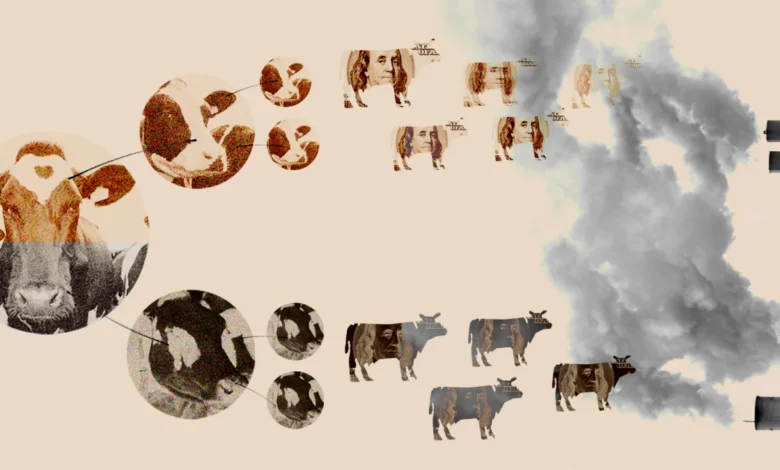
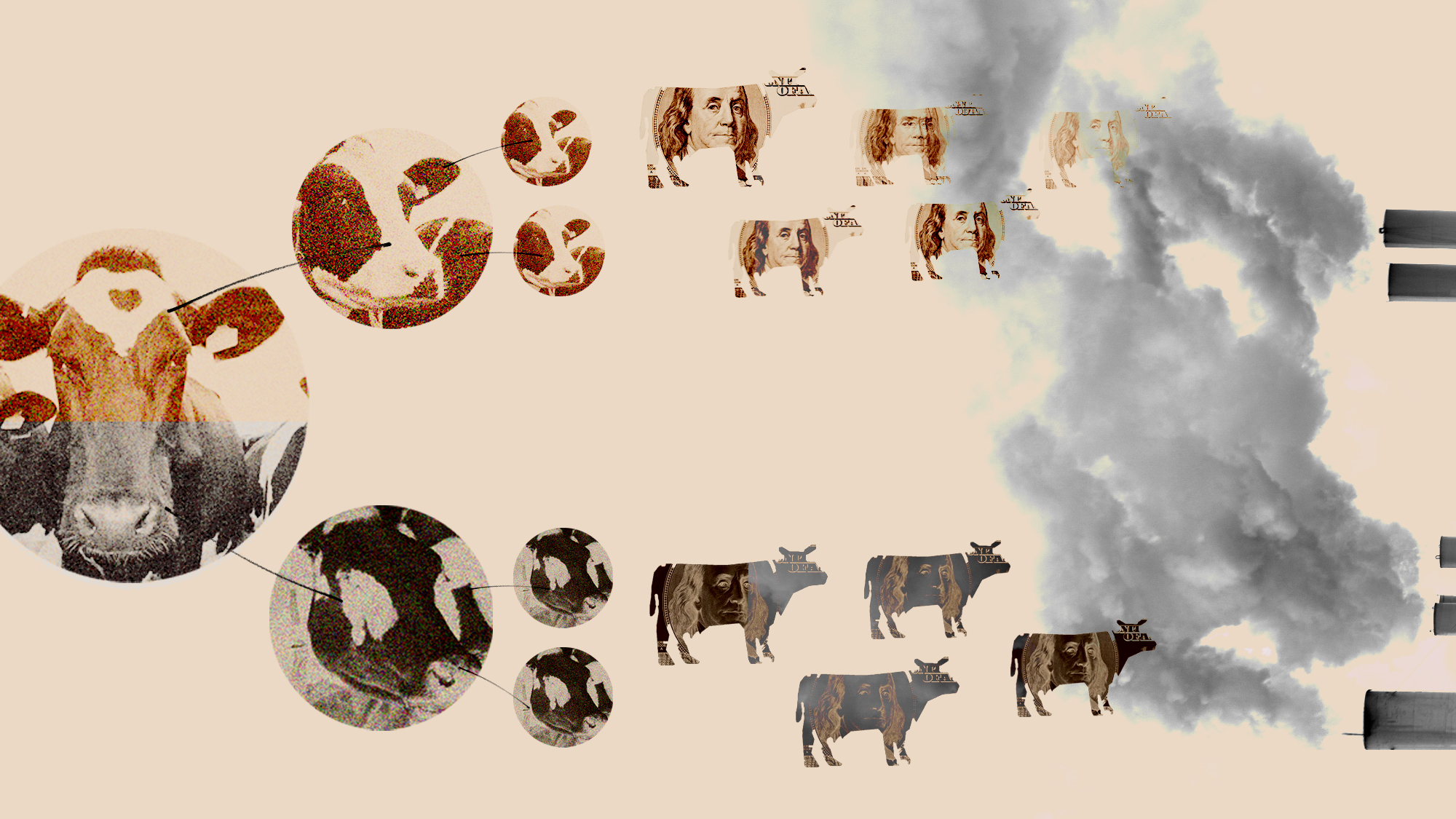
California is spending millions of dollars to combat agricultural pollution, but its complex accounting methods have created a regulatory loophole that critics argue severely undermines the state’s ambitious climate goals. By treating methane captured from factory farm manure not just as an emissions reduction in agriculture, but also as a carbon-negative fuel source in the transportation sector, the state is effectively counting the same environmental benefits twice. This practice, known as double counting, has ignited a fierce debate among policymakers, environmental attorneys, and energy corporations over the true efficacy of California’s climate change initiatives.
The Anatomy of Dairy Methane and State Subsidies
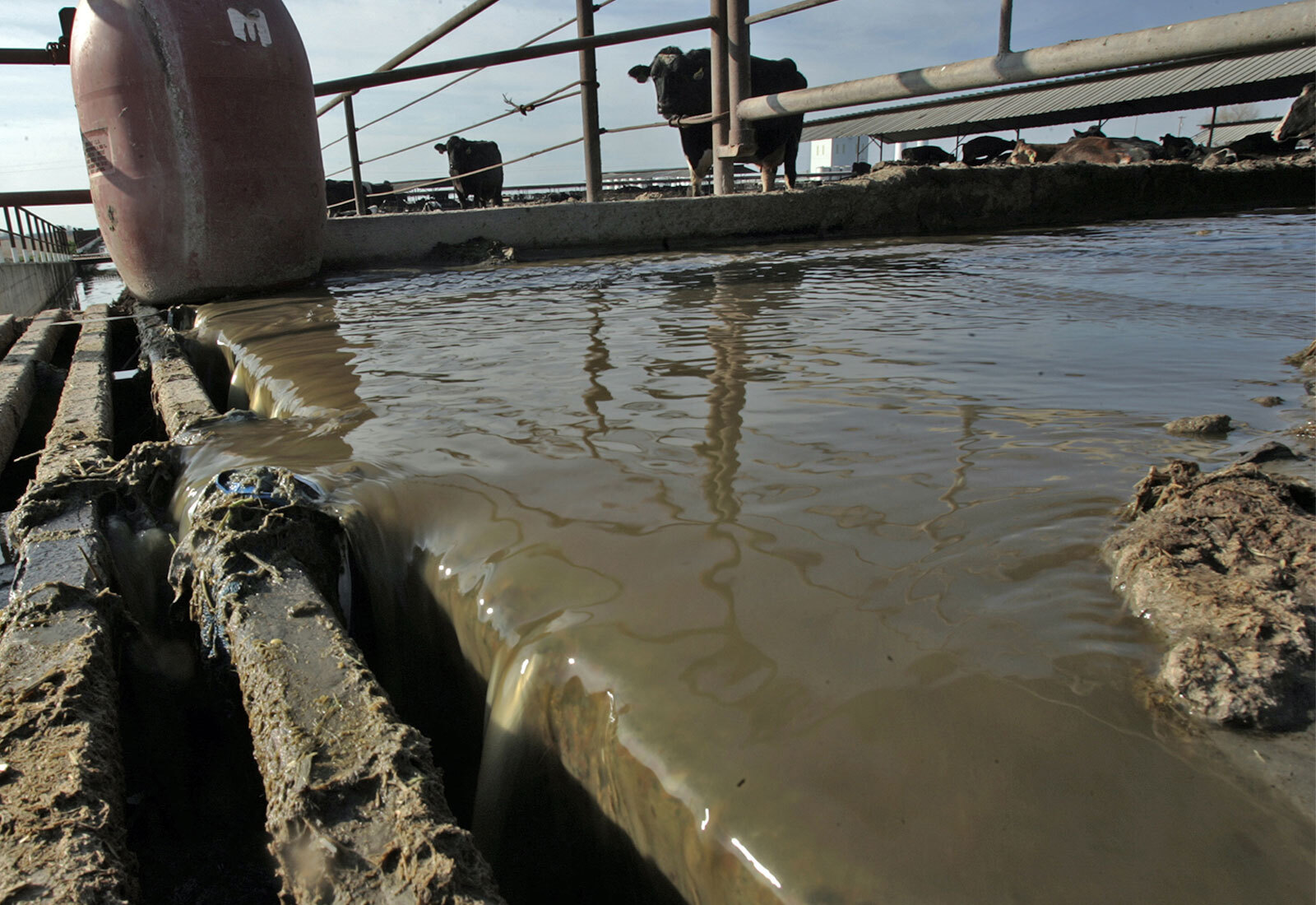
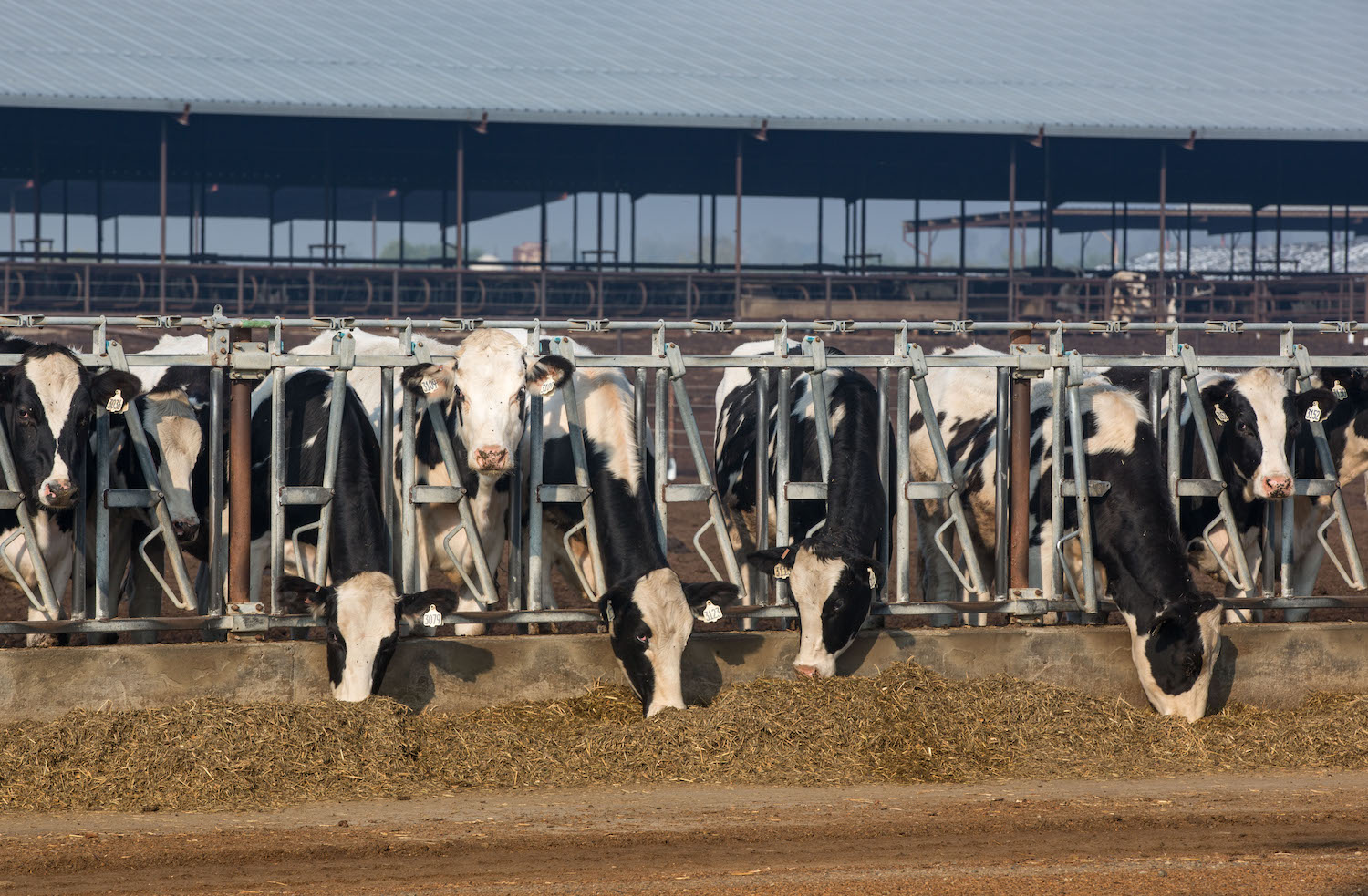
Every year, California’s vast dairy industry—home to more than a million cows—emits hundreds of thousands of tons of methane. Methane is a short-lived but exceptionally potent greenhouse gas, boasting a warming potential dozens of times greater than carbon dioxide over a 20-century timeframe. Much of this gas escapes from open-air manure lagoons standard at large-scale livestock operations.
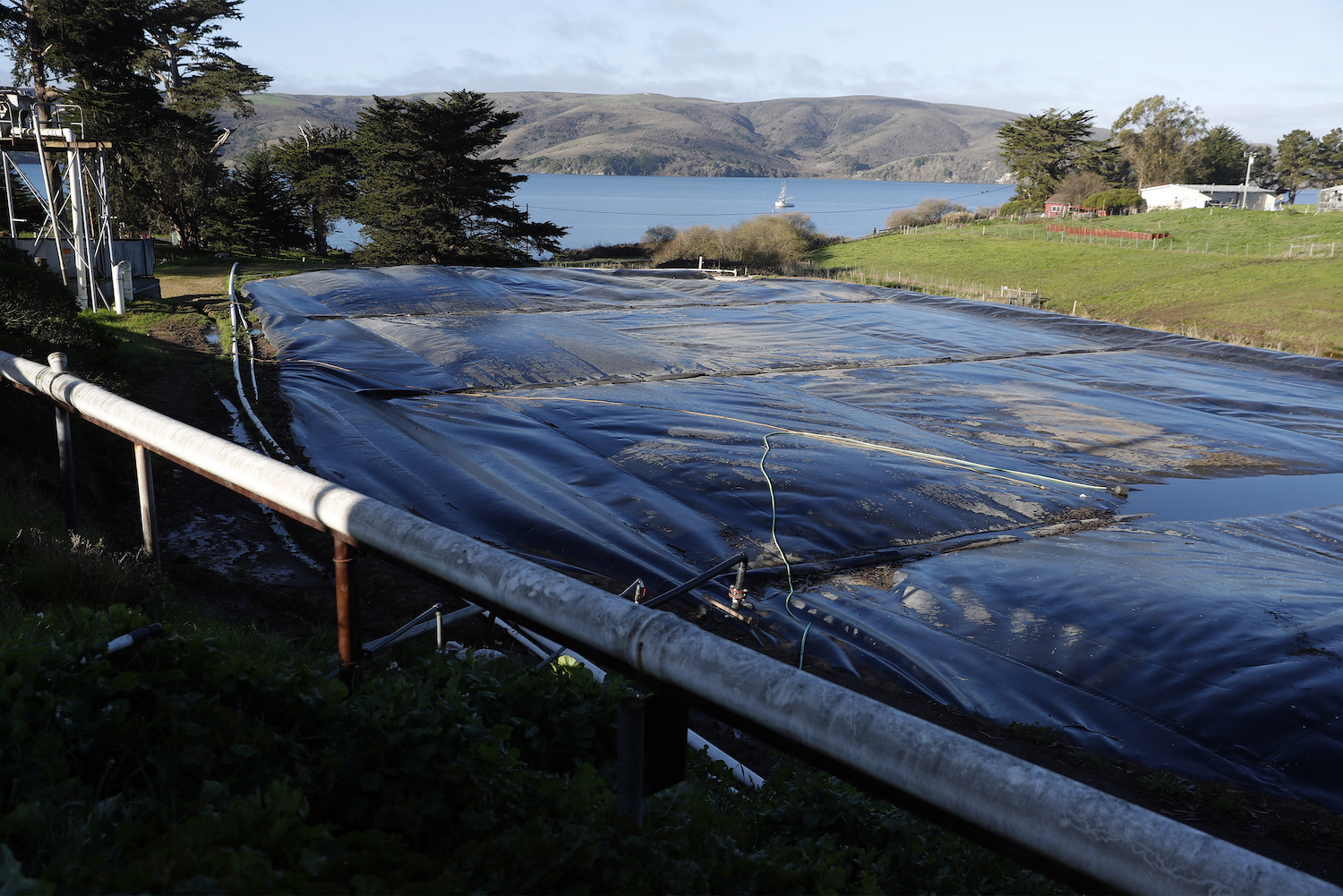
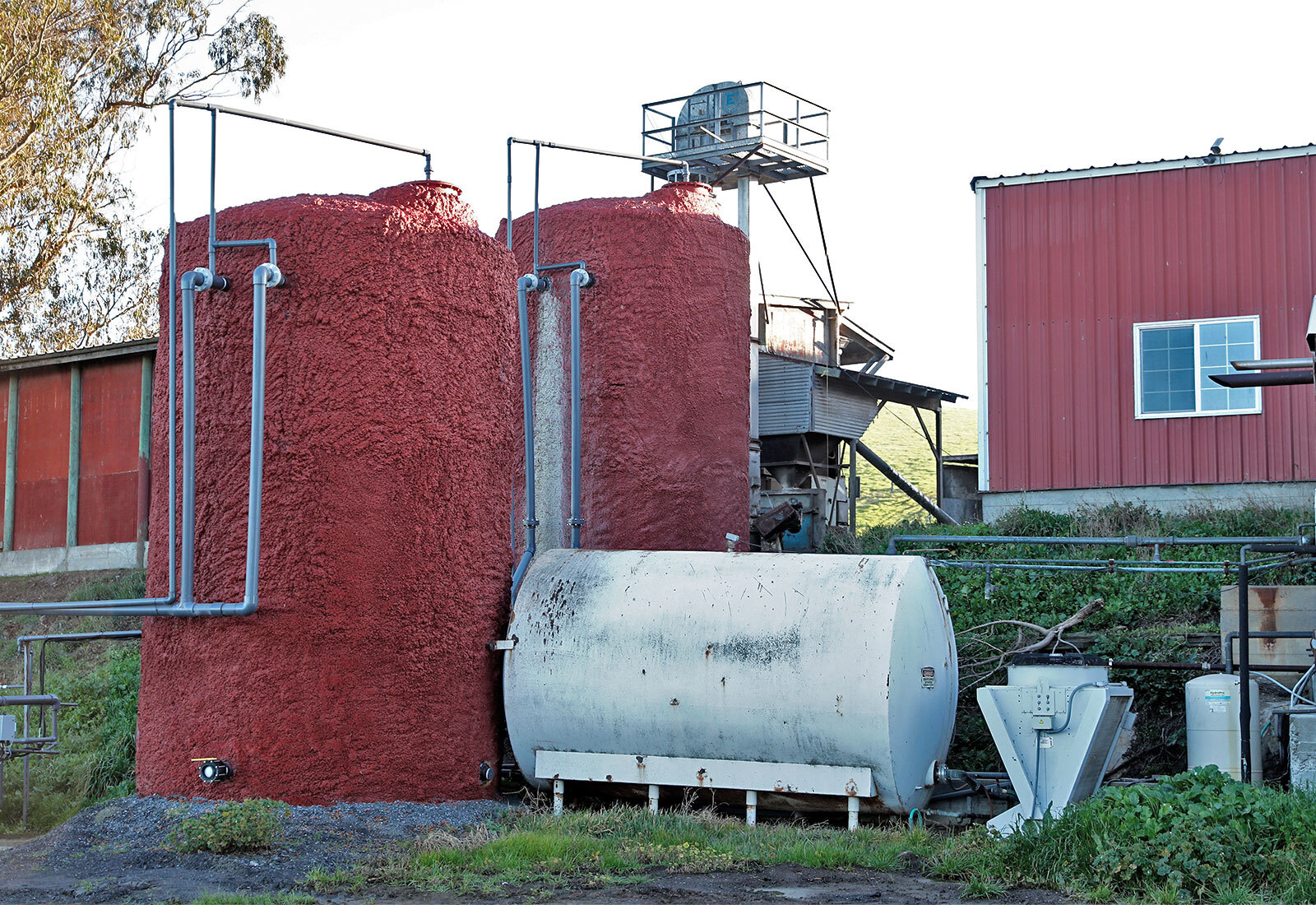
To curb these emissions, the state has launched aggressive regulatory frameworks aimed at slashing livestock methane by 40 percent below 2013 levels before the decade ends. Central to this strategy is the installation of methane digesters: massive, airtight silos that capture biogas released by decomposing manure before it enters the atmosphere.
The state has aggressively subsidized these systems through various initiatives. For example, in 2018, the California Department of Food and Agriculture awarded a $1.9 million grant to Calgren Dairy Fuels to construct a methane digester at Vander Poel Dairy in Tulare County, which houses roughly 11,000 cattle. State agriculture officials estimated that this single project would prevent the equivalent of 290,000 metric tons of carbon dioxide from entering the atmosphere over a decade—an impact comparable to removing more than 6,000 passenger vehicles from the road over the same period.
However, the financial and regulatory incentives do not stop at agricultural grants. The captured gas is frequently upgraded to biomethane and injected into the state’s commercial natural gas pipelines, where it is utilized as a transportation fuel. This is where California’s unique greenhouse gas accounting systems intersect with the transportation sector, unlocking a secondary wave of lucrative financial rewards.
The Low Carbon Fuel Standard and Negative Carbon Scores
The primary vehicle for this secondary reward is California’s Low Carbon Fuel Standard (LCFS), a market-based program launched in 2011 by the California Air Resources Board (CARB). The LCFS is designed to progressively lower the average carbon intensity of the state’s transportation fuel pool. Producers of conventional gasoline and diesel accumulate regulatory deficits because their products generate high volumes of greenhouse gas emissions per unit of energy. Conversely, producers of alternative and renewable fuels can generate and sell valuable LCFS credits if their products fall below the annual carbon intensity targets set by the state.
Under CARB’s methodology, the carbon intensity of a fuel is calculated using a comprehensive "well-to-wheel" analysis that tallies emissions from both fuel production and final combustion. Because dairy digesters prevent raw methane from naturally venting into the atmosphere, CARB awards these projects massive negative carbon intensity scores.
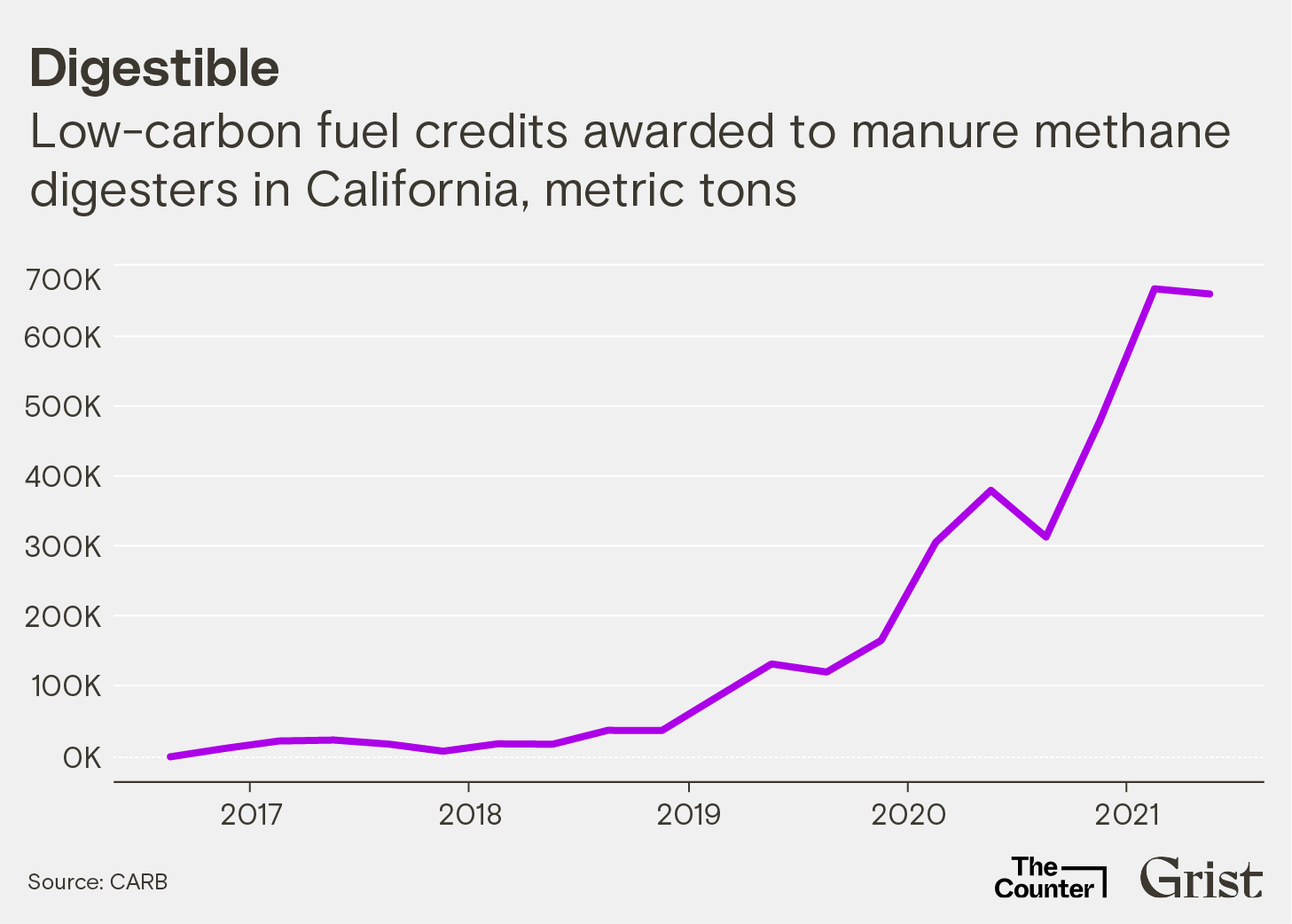
Under this logic, the state views biomethane derived from dairy manure not merely as a clean-burning fuel, but as a substance that actively removes greenhouse gases from the atmosphere. Consequently, an energy company that processes and sells dairy biogas can generate substantial LCFS credits, which are then sold to fossil fuel distributors needing to offset their own high-carbon portfolios. In 2021 alone, manure-based fuels generated more than 2.1 million LCFS credits, accounting for roughly 10 percent of all credits issued that year, despite representing a minute fraction of total renewable fuel volumes.
Double Counting and the Aliso Canyon Mitigation Intersection
The convergence of agricultural grants, LCFS credits, and other state programs has led to widespread accusations of double counting. Environmental advocates and policy analysts point out that CARB is regularly attributing the exact same emissions reductions to multiple independent climate initiatives.
A prominent example involves the Aliso Canyon Mitigation Agreement. Administered by CARB, this program was established to offset the catastrophic 2015 natural gas leak at a SoCalGas facility in Los Angeles County—one of the largest methane leaks in U.S. history, which spewed 109,000 metric tons of methane into the atmosphere and displaced thousands of residents. To settle liabilities, the state directed more than $25 million in loans to fund dairy digesters in the San Joaquin Valley, expecting these projects to capture an equivalent amount of methane over time.
However, an investigative review by journalists and legal challenges filed by organizations like Public Justice have revealed that at least eight of these Aliso-funded dairy projects are simultaneously participating in the LCFS program. According to critics, this creates a perverse regulatory result: a dairy farm uses capital from the Aliso agreement to capture methane, and then generates LCFS credits that grant fossil fuel companies the legal permission to emit more greenhouse gases elsewhere.
"That is a classic case of double counting," said Danny Cullenward, policy director at the non-profit organization Carbon Plan. "The same ton is counted in two places."
Environmental lawyers argue that this dual participation violates the core climate principle of "additionality"—the requirement that a funded emissions reduction must occur solely because of the specific program in question, rather than being financed concurrently by multiple overlapping mandates. If a dairy farm has already received government grants or utility-funded loans to build a digester, critics argue that the LCFS program is providing a windfall subsidy for reductions that would have happened anyway, failing to drive true incremental climate progress.
Industry Defense and the Economics of "Stacking"
Defenders of the current regulatory framework maintain that these overlapping incentives are essential for the commercial viability of dairy digester technology. Michael Boccadoro, executive director of the agricultural coalition DairyCares, argued that constructing and maintaining these complex systems is exceptionally expensive and financially unfeasible for most farmers relying on a single revenue stream.
"It takes the stacking of incentives to make the projects work," Boccadoro noted.
Major energy players appear to agree. Corporations such as Chevron have invested heavily in California dairy digesters, projecting robust, double-digit financial returns in the coming years. These profits are largely unlocked by the negative carbon intensity scores assigned to dairy biomethane under the LCFS, turning waste management into a highly lucrative secondary enterprise for industrial agricultural operations.
Regulatory Resistance and the Future of California Climate Policy
Despite mounting pressure from environmental justice groups and legal petitions, CARB has consistently defended its administrative approach. In formal responses to public challenges, the agency has disputed the characterization of "double counting," describing the overlap instead as a coordinated strategy where multiple state policies mutually reinforce one another to drive down sector-specific emissions while displacing fossil fuels in transportation.
Furthermore, CARB officials have noted that state statutes do not explicitly mandate an additionality test across the LCFS and agricultural sectors, leaving the current framework intact despite external criticism. In January, the agency formally denied a comprehensive petition seeking to overhaul LCFS carbon intensity calculations, citing potential conflicts with broader, ongoing efforts to update the state’s comprehensive climate change scoping plan.
As California races toward its 2030 climate mandates, the debate over factory farm gas systems highlights a profound tension in modern environmental governance: the friction between market-based flexibility and rigorous emissions accounting. With dozens of additional dairy digesters currently under construction and slated to enter the LCFS market, the controversy surrounding carbon-negative accounting and incentive stacking is unlikely to subside, leaving regulators under intense scrutiny to prove that the state’s reported climate victories reflect real-world atmospheric changes rather than administrative artifacts.
Related posts: