California Factory Farm Gas Systems Face Scrutiny Over Carbon Accounting and Double Counting Practices

California is aggressively pursuing an ambitious climate agenda designed to slash greenhouse gas emissions across multiple sectors, but its policy mechanics are drawing sharp criticism from environmental advocates and policy analysts. At the heart of the controversy is a peculiar accounting framework that treats factory farm gas systems—specifically manure methane digesters at dairy operations—as if they possess carbon-removal capabilities equivalent to direct-air capture devices. By crediting the exact same emissions reductions toward both agricultural targets and transportation fuel standards, the state faces mounting accusations of greenwashing, double counting, and failing to secure genuine environmental progress.
The Mechanics of Methane and Manure Management
California’s massive dairy industry, concentrated heavily in the Central Valley, generates hundreds of thousands of tons of methane annually. Methane is a potent short-lived climate pollutant with a global warming potential significantly higher than carbon dioxide over a 20-year timeline. Much of this gas escapes from open-air lagoons where massive quantities of cow manure are pooled.
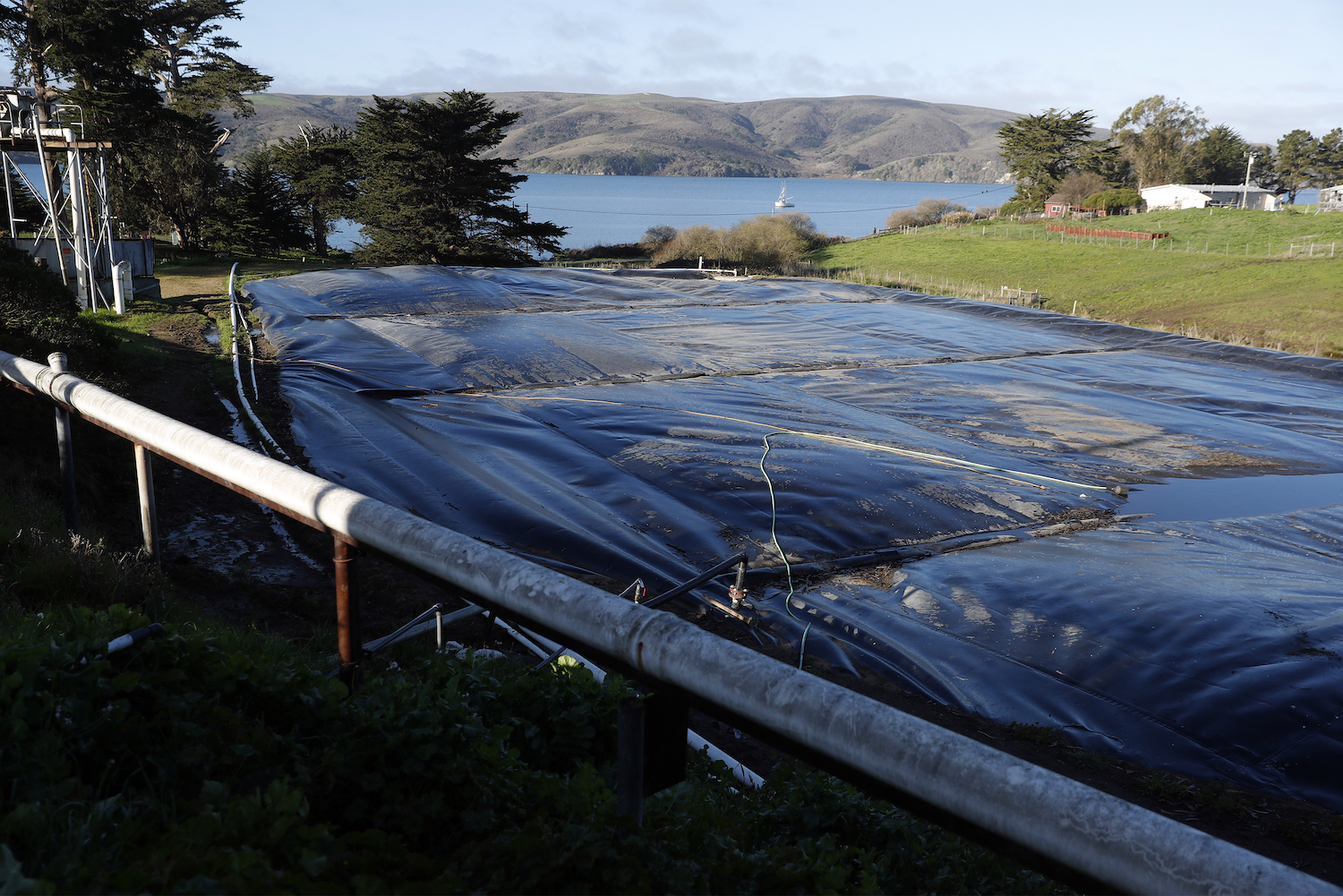
To mitigate this environmental hazard, the state has directed millions of dollars in subsidies, grants, and loans toward the installation of methane digesters. These large, airtight silos capture biogas before it reaches the atmosphere. Once captured, the methane is typically upgraded to pipeline-quality natural gas and injected into the commercial fuel supply.
State climate planners view these projects as a dual-purpose victory. On one hand, capturing manure gas directly prevents agricultural emissions, helping the livestock sector meet legally mandated reduction targets—specifically, cutting methane emissions 40 percent below 2013 levels by the end of the decade. On the other hand, the state integrates this captured gas into its transportation sector, using it to replace conventional fossil fuels.
The Controversy of Double Counting and Carbon-Negative Scoring
The core of the policy dispute lies in how the California Air Resources Board (CARB) calculates the carbon intensity of fuels under its landmark Low Carbon Fuel Standard (LCFS). Established in 2011, the LCFS program mandates a progressive reduction in the average carbon footprint of the state’s transportation fuels. Fossil fuels like gasoline and diesel carry high carbon intensity scores, generating regulatory deficits. Conversely, alternative fuels can generate lucrative credits if they fall below the state’s annual carbon intensity threshold.
Under CARB’s "well-to-wheel" analysis, fuels produced from dairy digesters receive a deeply negative carbon intensity score. This scoring system does not merely account for the emissions avoided during vehicle combustion; it subtracts the massive volume of methane that would have otherwise escaped from manure lagoons into the atmosphere. Consequently, CARB treats dairy-derived natural gas as a fuel that actively pulls carbon out of the air.
This framework allows a single emissions reduction event—such as the installation of a digester at an 11,000-head dairy operation in Tulare County funded by state agriculture grants—to be counted multiple times. First, the reduction is logged to satisfy agricultural methane mandates. Second, the same avoided emissions generate LCFS credits for energy companies, allowing them to offset higher emissions elsewhere. Policy analysts argue this practice inflates California’s perceived progress toward its climate goals. Environmental economists term this classic double counting, where a single metric ton of avoided carbon dioxide equivalent is claimed across multiple distinct regulatory ledgers.
The Aliso Canyon Mitigation Intersection
The complexity and controversy surrounding these policies were further magnified by the integration of the Aliso Canyon Mitigation Agreement. Administered by CARB, this program was established in response to the catastrophic 2015 natural gas leak at a SoCalGas facility in Los Angeles County—one of the largest methane disasters in U.S. history, which released approximately 109,000 metric tons of methane and displaced thousands of local residents.
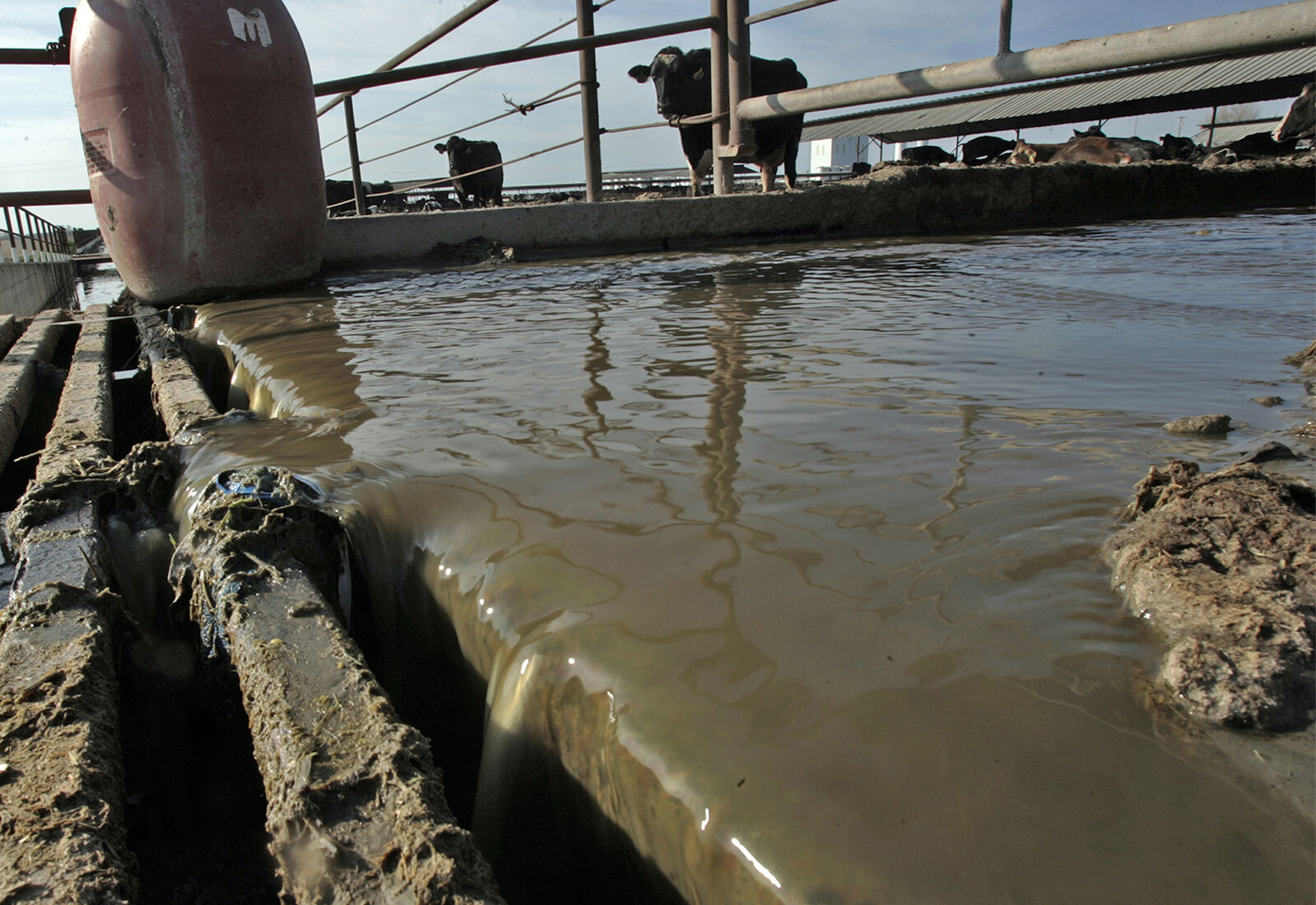
Under the terms of the mitigation agreement, CARB distributed over $25 million in loans to California dairies to build methane digesters intended to capture an equivalent amount of agricultural methane, thereby offsetting the disaster’s climate impact. However, energy companies like Chevron and California Bioenergy, which partnered on several of these digester projects in the San Joaquin Valley, also enrolled these exact same facilities in the LCFS program.
Legal and environmental groups, including Public Justice and Food & Water Watch, filed formal petitions challenging this overlap. They argued that using the same methane capture projects to simultaneously fulfill a legal disaster mitigation mandate and generate commercial LCFS credits creates a perverse incentive structure. Rather than achieving net-negative outcomes, the generation of LCFS credits provides fossil fuel producers with regulatory permission to emit higher levels of greenhouse gases elsewhere, thereby undercutting the foundational premise of the Aliso offset agreement.
The Principle of Additionality and Market Incentives
Critics frequently point to the absence of an "additionality" test within the LCFS program as a fundamental regulatory flaw. In climate policy, additionality dictates that an emissions reduction project must be proven to occur solely because of the financial incentive provided by the specific program in question.
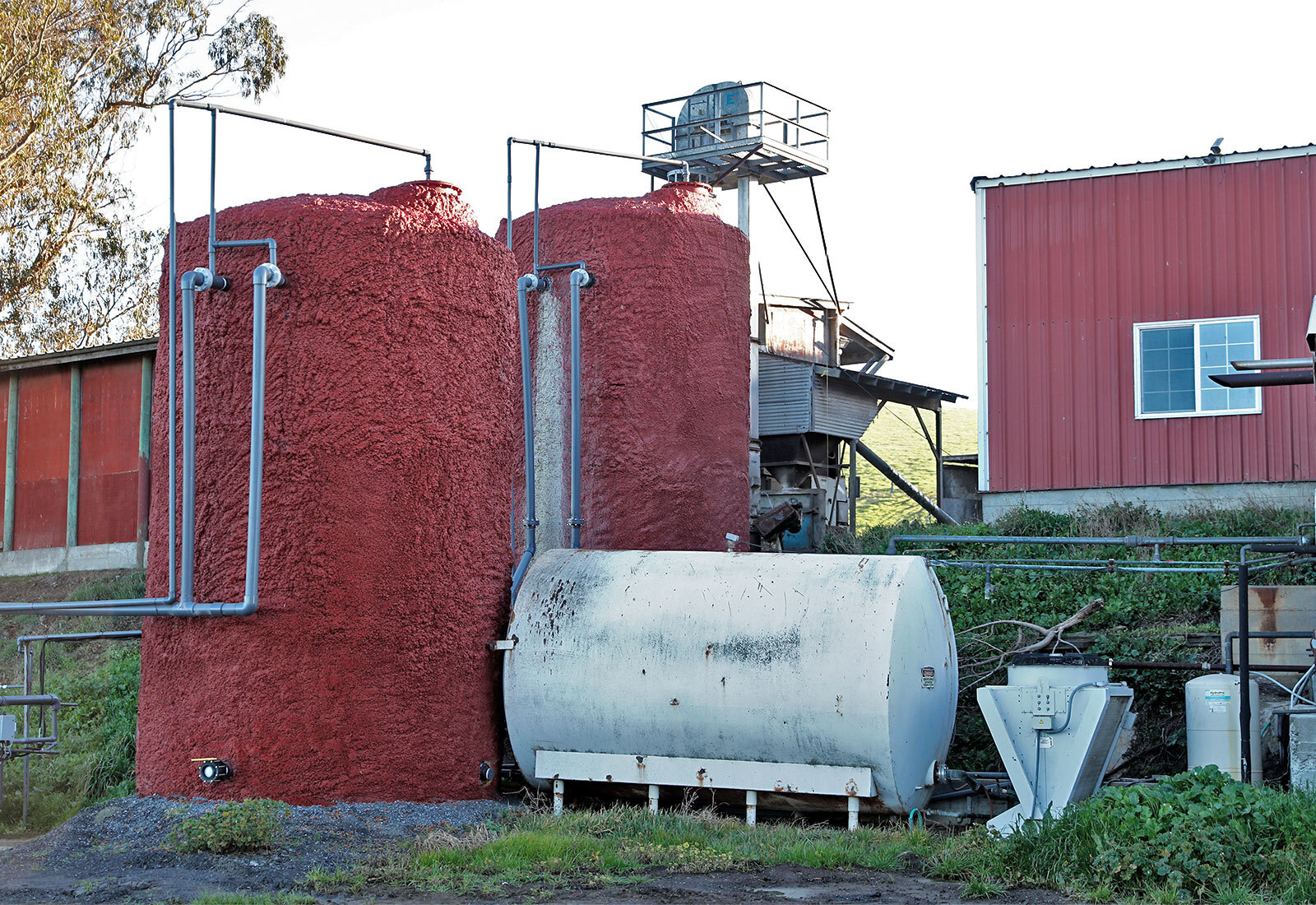
If a dairy farm has already financed its methane digester through public agricultural grants or mandatory legal settlements like the Aliso Canyon agreement, critics argue that the LCFS program provides no true additional incentive for the emission reduction to happen. Without a causal link between the LCFS market and the construction of the digester, the program merely rewards operators for actions already subsidized by taxpayers or mandated by law.
Furthermore, critics warn that financial stacking—the practice of combining grants, low-interest loans, and LCFS credit revenues for a single facility—creates perverse economic incentives within the agricultural sector. When subsidies and credit values become sufficiently lucrative, manure and the associated methane generation transform into a standalone revenue stream. Industry projections from major energy investors indicate that investments in dairy digesters can yield double-digit financial returns, raising concerns that the system could inadvertently encourage the expansion or intensification of factory farming operations to maximize waste production.
Official Responses and the Path Forward
Defenders of the status quo maintain that financial stacking is an absolute economic necessity. Trade associations, such as DairyCares, argue that the capital-intensive nature of anaerobic digesters makes them financially unviable under any single funding stream. According to industry advocates, combining agricultural grants, mitigation funds, and LCFS credits is the only way to secure widespread industry adoption of methane-capture technology.
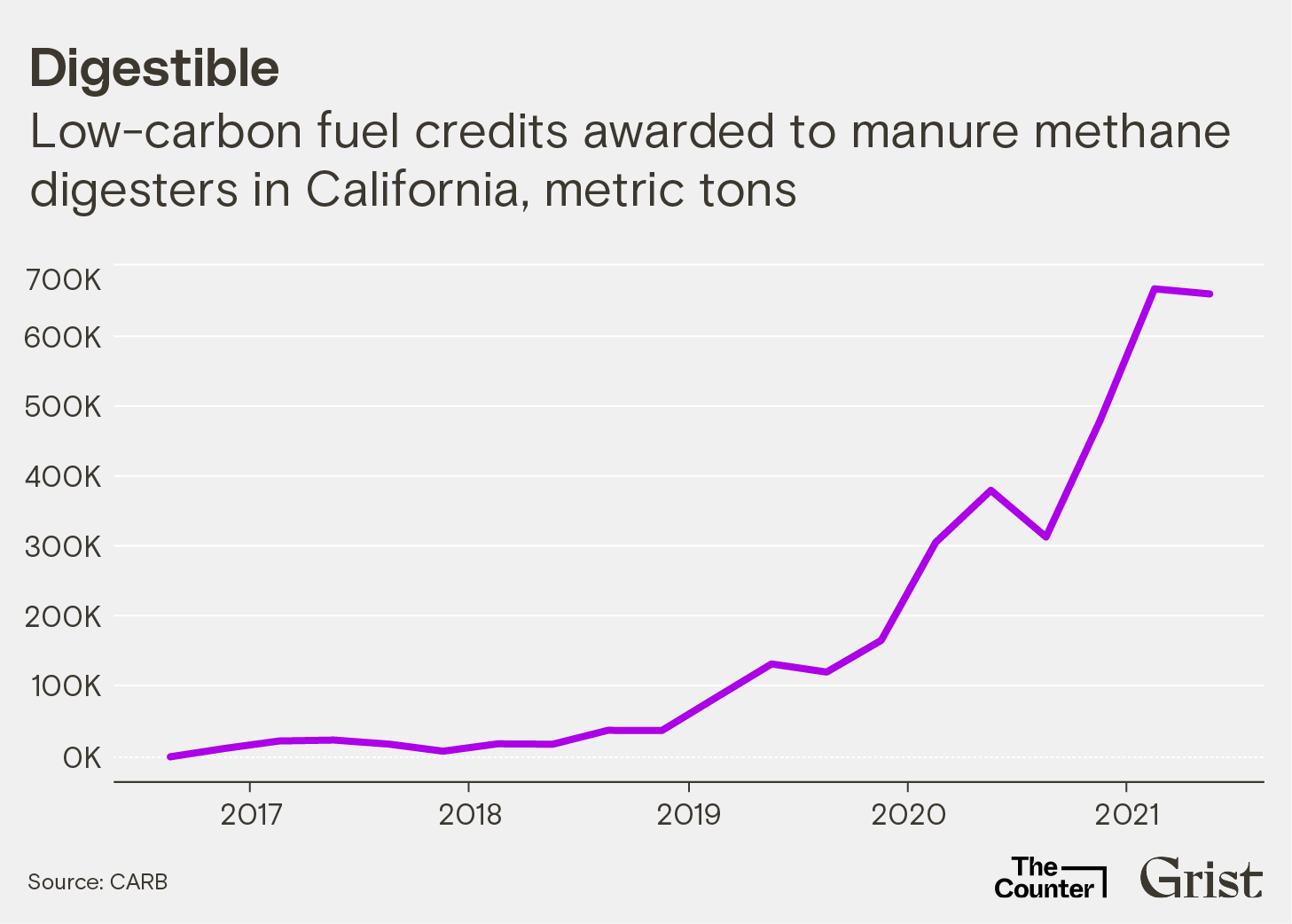
CARB has largely defended its administrative approach, disputing the label of "double counting" while acknowledging that its various regulatory initiatives incentivize emissions reductions within overlapping sectors. The agency contends that directing agricultural methane into the transportation sector supports agricultural goals while simultaneously displacing fossil fuel usage in vehicles. In January, CARB officially denied petitions requesting immediate revisions to the LCFS program, citing ongoing, broader evaluations of the state’s overarching climate strategy.
Despite ongoing legal challenges and pushback from environmental justice coalitions, the expansion of factory farm gas systems continues at a rapid pace. State data indicates that dozens of additional dairy digesters are currently under construction, with many more slated for completion. As California navigates the complex intersection of agricultural policy, energy markets, and climate accounting, the debate over the true climate value of factory farm gas highlights the profound challenges of balancing corporate incentives, regulatory integrity, and measurable environmental progress.