Behind the Scenes of Modern Agriculture: A Month in the Life of a Dairy Farmer

The life of a contemporary dairy farmer is a complex tapestry of biological management, environmental stewardship, and logistical precision that extends far beyond the traditional image of milking cows. For organic dairy farmers like Sophie Gregory, who operates on the Dorset-Devon border, the month of October serves as a critical transition period that highlights the multifaceted nature of the profession. Balancing animal welfare, soil health, and the unpredictability of the British climate requires a unique blend of technical expertise and logistical agility. This chronological account of October operations offers insight into the rigorous demands of food production and the systemic challenges faced by modern agricultural enterprises.
The October Transition: Balancing Nutrition and Climate
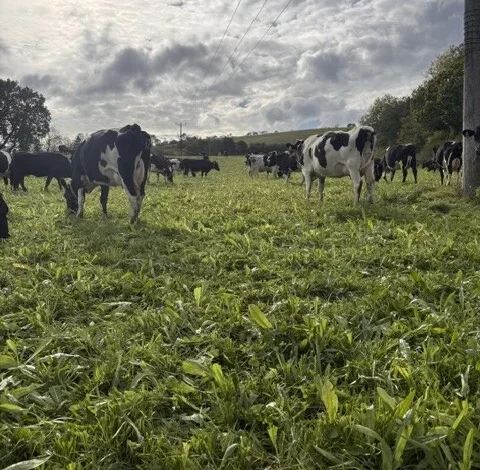
The onset of October initiates a high-stakes management phase for dairy operations. As daylight hours diminish and temperatures fluctuate, the physiological needs of the herd and the availability of nutritional resources enter a state of flux. While grass remains a primary component of the diet, the rate of growth begins to decelerate, necessitating precise grass budgeting.
For farmers, the fundamental challenge lies in the disparity between the volume of grass in a field and the nutritional intake of the cow. Cows, which rely on consistent grazing patterns, do not possess the capacity to interpret complex nutritional budgets. Consequently, farmers must exercise daily intervention to ensure that livestock receive adequate caloric intake to maintain milk yields and overall health. This period of the year is characterized by constant problem-solving, as the farmer must adjust grazing schedules to protect pastures from over-grazing while simultaneously ensuring that animals are not deprived of essential nutrients.
Disease Management and Biosecurity Milestones
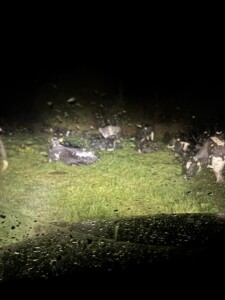
On October 9, the farm reached a significant operational milestone by completing a comprehensive bovine tuberculosis (TB) testing program for over 600 animals. Bovine TB remains one of the most significant challenges facing the UK cattle industry, with the government and agricultural sector investing millions annually into testing, surveillance, and biosecurity measures to contain the disease.
The logistics of testing a herd of this size require meticulous planning and a seamless team effort to ensure both the safety of the livestock and the accuracy of the diagnostics. A "clear" result is more than a administrative tick-box; it represents the financial and emotional stability of the farm. The psychological relief felt by the farming team underscores the persistent anxiety that characterizes herd management in regions where TB remains endemic. By clearing this hurdle, the farm secures its ability to move livestock and maintain its organic status, providing a vital assurance for the downstream supply chain.
Bridging the Gap: Public Engagement and Knowledge Exchange
On October 12, the focus shifted from field operations to public outreach, as the farm participated in the New Scientist Live event in London. This initiative highlights a growing trend among farmers to act as advocates for their industry. The disconnect between urban consumers and agricultural producers is a well-documented phenomenon in modern society, where the origin of food products is often obscured by complex global supply chains.
By engaging directly with the public, farmers can address common misconceptions regarding animal welfare and environmental impact. The discourse at such events typically focuses on the science of dairy production, the nuances of organic certification, and the role of ruminants in sustainable land management. Providing transparency into these processes is essential for maintaining consumer trust and ensuring that the public remains informed about the rigorous standards—such as those governed by the Soil Association in the UK—that dictate organic dairy production.
The Logistics of Winter Fodder Security
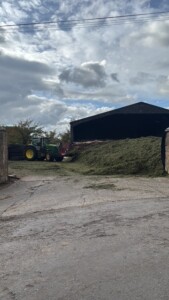
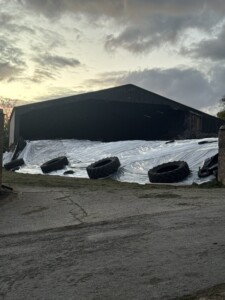
The most resource-intensive event of the month occurred on October 18, with the completion of the silage harvest. Silage—fermented, high-moisture stored fodder—is the cornerstone of winter feeding programs. Successfully harvesting and storing 300 acres of silage involves a substantial investment in machinery, labor, and weather monitoring.
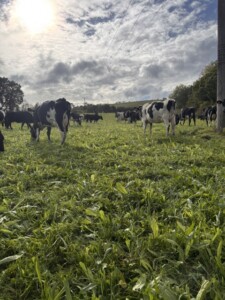
In the UK, the "silage window" is notoriously narrow. Farmers must monitor weather forecasts with extreme precision to identify a period of dry weather suitable for cutting and ensiling grass. A failure to secure high-quality fodder can lead to increased reliance on expensive, external feed concentrates during the winter months, which negatively impacts both the profitability and the carbon footprint of the farm. The successful completion of this harvest, after a challenging growing season, represents a significant achievement in risk management. It guarantees a stable, nutritious food source for the herd during the winter, effectively insulating the farm from potential feed price volatility in the spring.
Winter Housing and Animal Welfare Standards
By October 22, the farm transitioned into winter preparation mode. This involves the installation of cow cubicles, the preparation of bedding, and the maintenance of shelter infrastructure. In the context of dairy farming, animal welfare is intrinsically linked to housing design. Cubicles are engineered to provide a clean, dry, and comfortable environment that encourages natural resting behaviors.
The decision to transition cattle from pasture to housing is a tactical one, driven by the need to protect soil structure. Heavy rainfall on saturated ground can lead to "poaching"—the churning of soil by hooves—which not only damages the pasture for the following season but can also contribute to runoff and nutrient leaching. By housing cows during the winter months, farmers protect the ecosystem services of the land while ensuring that livestock remain in optimal condition.
Behavioral Insights and Herd Management
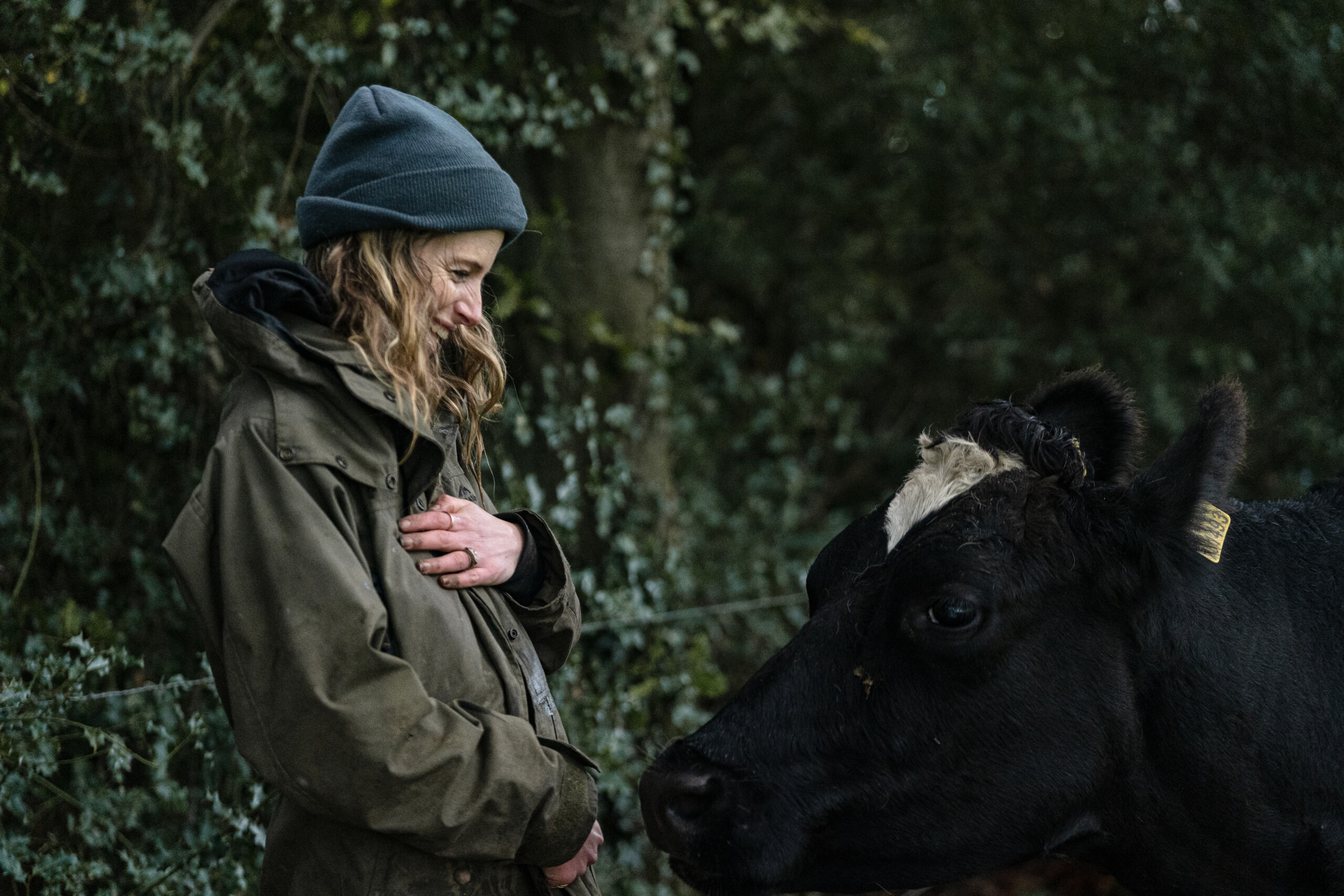
An often overlooked aspect of dairy farming is the deep understanding of bovine psychology. Cows are highly routine-oriented, with distinct preferences for sleeping locations and milking sequences. This predictability is a vital diagnostic tool; deviations in behavior—such as a cow lagging during herding or avoiding a specific stall—often serve as the earliest indicators of illness or stress.
This behavioral monitoring represents a form of "precision farming" that relies on human observation rather than just digital sensors. The ability to distinguish between the individual personalities of animals within a herd of hundreds is a skill developed through consistent, daily interaction. It reflects a shift in the agricultural paradigm, moving away from mass-production mentalities toward individualized, welfare-focused animal care.
Broader Implications for the Agricultural Sector
The experiences detailed throughout October provide a microcosm of the systemic pressures currently exerted on the dairy industry. The combination of extreme weather variability, the threat of endemic diseases like TB, and the rising cost of inputs forces farmers to become specialists in risk mitigation and resource optimization.
Furthermore, the necessity of securing winter feed and maintaining high welfare standards demonstrates that dairy farming is a year-round commitment to the "three pillars of sustainability": environmental protection, economic viability, and social responsibility. As the industry faces ongoing scrutiny regarding its environmental impact, the focus on soil health, carbon-efficient feeding, and public education becomes increasingly critical.
The integration of technology, traditional husbandry, and transparency serves as the blueprint for the future of British agriculture. As the herd enters its winter housing period, the work does not cease; it merely changes focus, shifting from the harvest of external resources to the maintenance of internal systems. The commitment to producing nutritious food while serving as stewards of the land remains the defining objective for farmers like Sophie Gregory, reinforcing the importance of the dairy sector to the national food security infrastructure.
Related posts: