Double Counting in California Climate Policy: How Dairy Methane Digesters Are Rewriting Emission Math

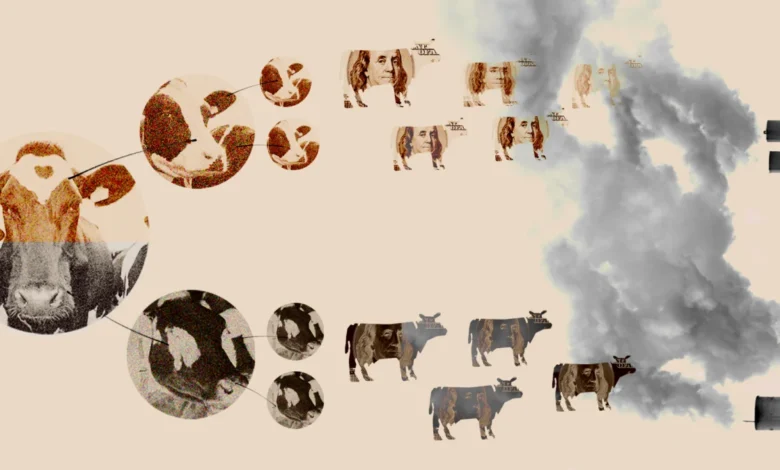
California is operating under an ambitious, world-watched legislative framework to combat climate change, anchored by strict sector-specific mandates and aggressive carbon-reduction goals. However, a glaring regulatory loophole has turned manure management on industrial dairy farms into a financial and political marvel, allowing the state to treat factory-farm gas systems as if they were industrial-grade atmospheric carbon vacuums. By overlapping various climate initiatives, California regulators are repeatedly crediting the exact same greenhouse gas reductions across multiple programs—a practice critics and climate policy experts describe as textbook double counting.
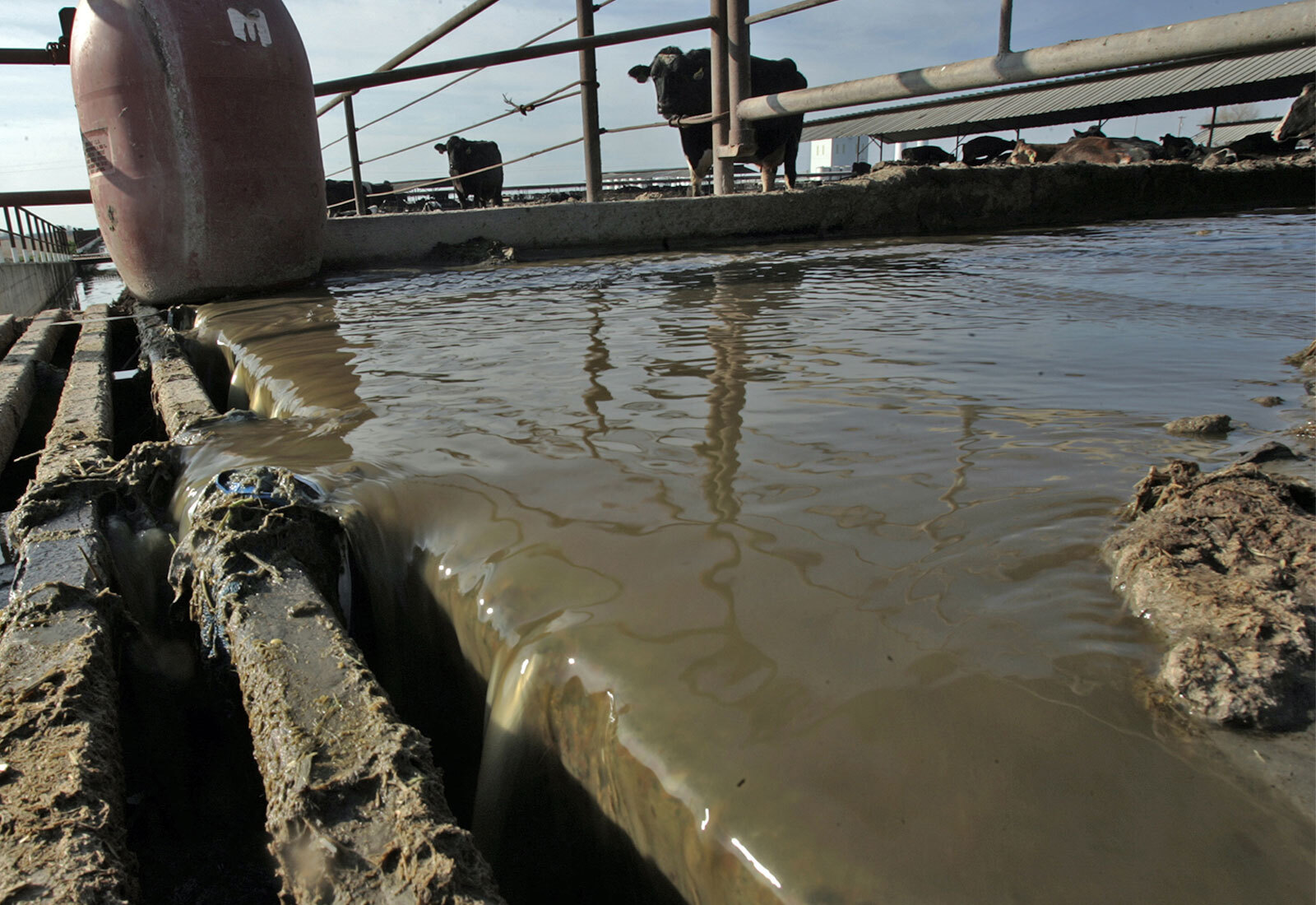
At the heart of the issue is the massive volume of methane emitted annually by California’s dairy industry. Livestock operations pool manure in expansive open-air lagoons, releasing hundreds of thousands of tons of methane—a potent greenhouse gas with a global warming potential significantly higher than carbon dioxide over a 20-year timeline. To curb these emissions, the state has relied on lucrative public subsidies and regulatory incentives designed to help operators capture methane before it escapes into the atmosphere. These efforts are currently projected to prevent 1.8 million tons of carbon dioxide equivalent (CO2e) from being emitted annually by the end of this year. Yet, while these reductions are officially logged to satisfy the livestock sector’s 2030 emissions targets, the state is simultaneously attributing those identical reductions to its transportation fuel sector, creating an accounting illusion that drastically inflates California’s apparent climate progress.
The Mechanics of Methane Capture and "Negative Carbon" Accounting
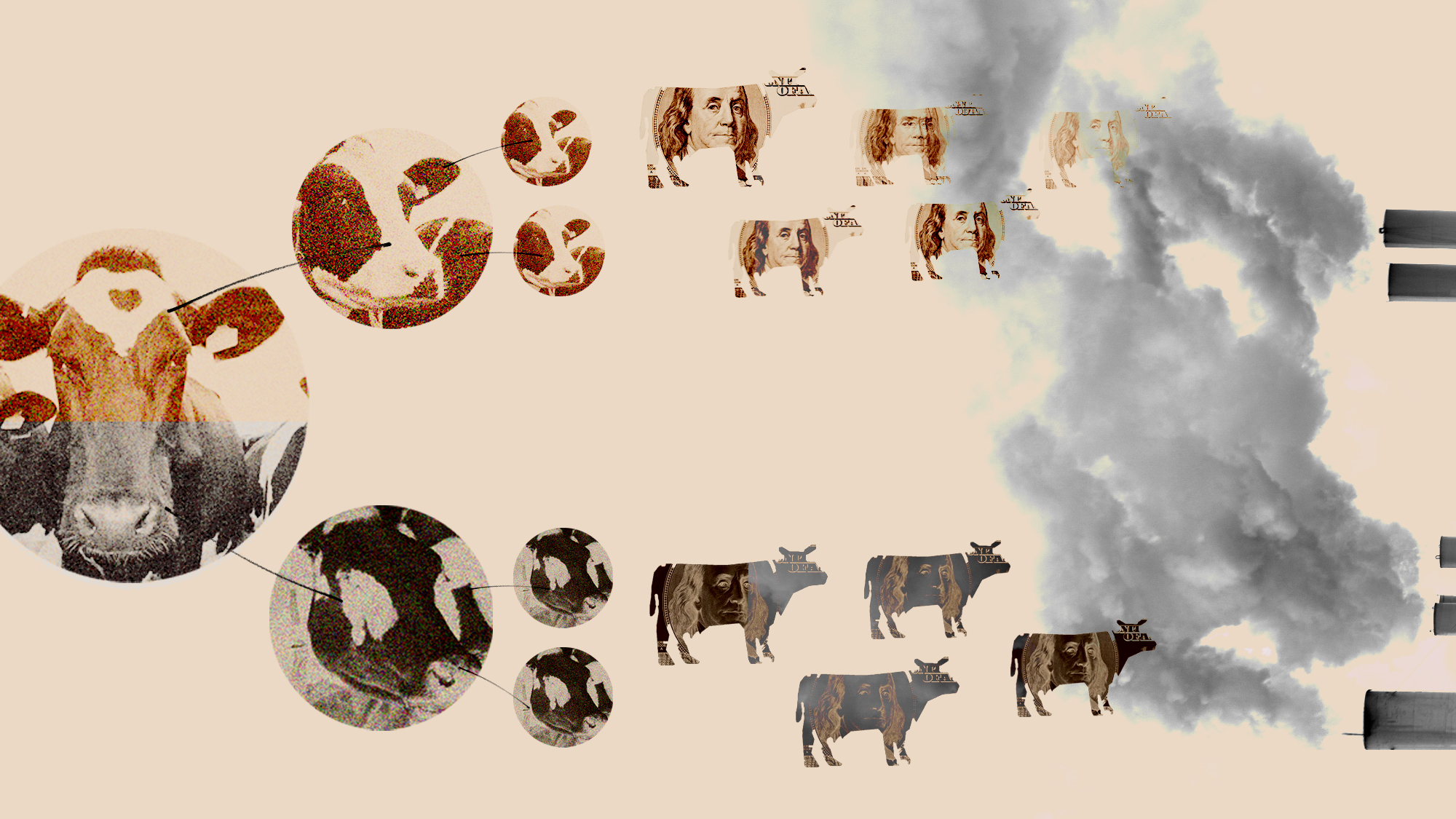
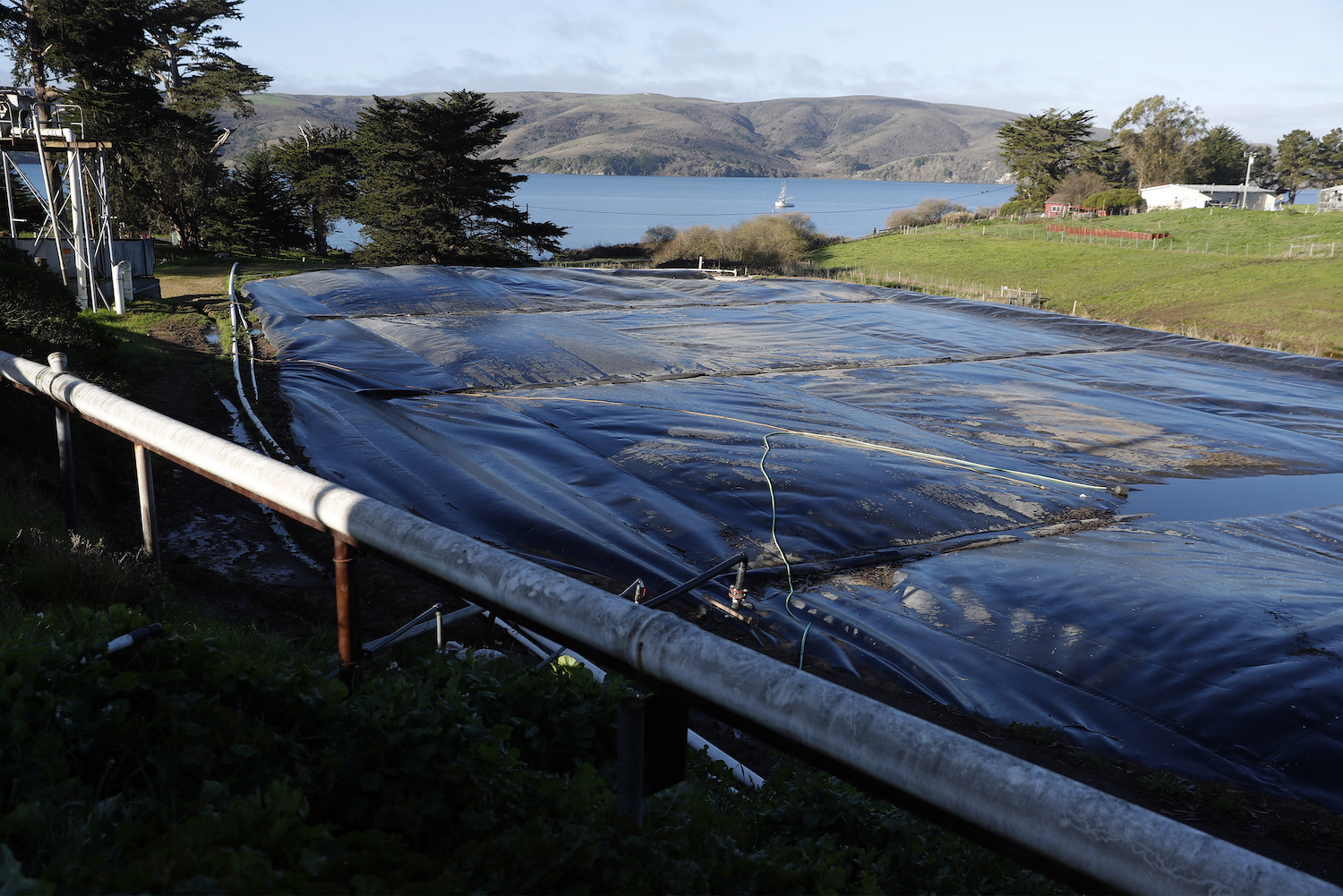
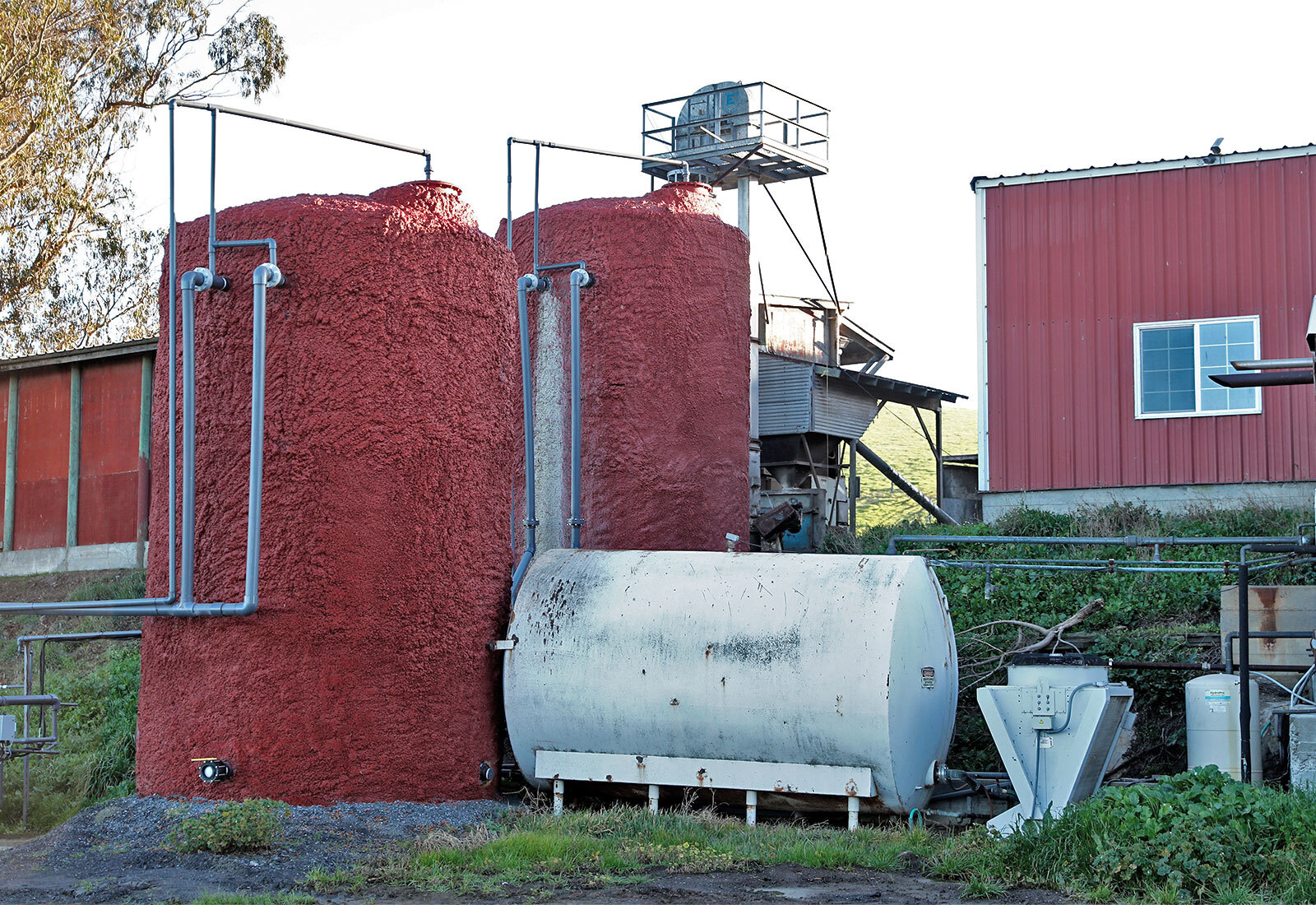
To understand how this dual-crediting system operates, one must examine the pathway of dairy manure from an open-air lagoon to a commercial natural gas pipeline. When a dairy farm installs a methane digester—a towering, sealed silo that traps emissions from manure—it prevents a substantial volume of gas from entering the atmosphere. State programs, such as those administered by the California Department of Food and Agriculture (CDFA), have historically provided direct grants to help finance these expensive infrastructure projects.
For instance, in 2018, CDFA awarded a $1.9 million grant to Calgren Dairy Fuels to install a methane digester at Vander Poel Dairy in Tulare County, a massive operation housing approximately 11,000 cattle. State agricultural estimates projected that this single digester would prevent the release of 290,000 metric tons of CO2e over a decade, an environmental impact equivalent to taking roughly 6,250 passenger vehicles off the road for the same period. The California Air Resources Board (CARB)—the primary agency overseeing the state’s air pollution and climate initiatives—logged these avoided emissions toward the livestock sector’s mandated 2030 climate goals.
Simultaneously, however, CARB also credited the exact same emissions savings to a completely separate regulatory mechanism: the Low Carbon Fuel Standard (LCFS). First launched in 2011, the LCFS program is designed to reduce the average carbon footprint of California’s transportation fuel supply. CARB establishes an annual "carbon intensity" target for fuels, forcing gasoline and diesel producers to buy credits if their products exceed the limit because of high greenhouse gas emissions per unit of energy. Conversely, renewable fuel producers whose products fall below the target can generate and sell LCFS credits to fossil fuel companies.
Because natural gas extracted from traditional fossil sources via fracking is deemed by CARB to possess a relatively high carbon intensity, it incurs financial penalties. In contrast, the agency assigns a profoundly negative score to natural gas produced by dairy digesters. This score is derived from a "well-to-wheel" life-cycle analysis that not only accounts for the combustion emissions of the fuel in a vehicle but also factors in the massive volume of methane that would have been released into the atmosphere had the manure been left untreated in open lagoons. Consequently, CARB treats dairy-derived natural gas as if the production process actively scrubs carbon out of the sky.
The Aliso Canyon Connection and the Problem of Additionality
The duplication of climate credits extends well beyond the LCFS and livestock sectors. Last fall, a coalition of environmental groups and California residents represented by the legal advocacy organization Public Justice filed a formal petition with CARB, detailing at least eight instances where the state attributed the exact same methane reductions to both the LCFS program and a third climate initiative known as the Aliso Canyon Mitigation Agreement.
The Aliso agreement was established by CARB to offset one of the largest natural gas leaks in United States history. In 2015, a catastrophic structural failure at a SoCalGas underground storage facility in Los Angeles County released approximately 109,000 metric tons of methane into the atmosphere over 100 days, forcing thousands of families to evacuate and severely sickening local residents. As part of the mitigation settlement, CARB directed more than $25 million in loans to California dairy farms to fund the construction of manure digesters, with the ultimate goal of capturing an equivalent 109,000 metric tons of methane across participating farms.
Major energy players, including Chevron and California Bioenergy, heavily invested in these Aliso-backed digester projects across the San Joaquin Valley. CARB estimates these specific projects will capture 1.9 million metric tons of CO2e over a decade to offset the Aliso Canyon disaster. Yet, these very same projects are simultaneously enrolled in the LCFS program.
According to policy analysts, this creates a perverse regulatory outcome. When a dairy digester generates and sells an LCFS credit to a fossil fuel producer, that credit serves as regulatory permission for the buyer to emit more greenhouse gases than standard limits would otherwise allow. Consequently, the dairy farm first reduces methane under the Aliso mandate, and then generates credits that permit higher fossil emissions elsewhere under the LCFS, effectively neutralizing Aliso’s legal requirement to offset the 2015 disaster on a strict one-to-one basis.
Industry Defense Versus Environmental Concerns
Critics argue that this overlapping system violates a foundational principle of climate policy: "additionality." In environmental accounting, a project demonstrates additionality only if the emissions reductions it claims would not have occurred without the specific program in question. If a dairy farm has already secured funding to build a digester via an agricultural grant or a legal mitigation settlement like the Aliso agreement, the LCFS program is not actually incentivizing the construction of the technology; it is simply rewarding an action that was already paid for and guaranteed to happen.
"That is a classic case of double counting," said Danny Cullenward, a lawyer and policy director at the nonprofit organization Carbon Plan, which evaluates climate programs. "The same ton is counted in two places."
Brent Newell, a former senior attorney for the Food Project at Public Justice who represented residents petitioning CARB to overhaul its methodology, noted the absence of a causal link between the LCFS and the emissions cuts achieved through these targeted grants and settlements. "California is treating factory farm gas systems at dairy farms like they are devices that suck carbon from the air," Newell stated.
Opponents of the current policy structure warn that this approach carries severe systemic risks. By allowing dairy farms to stack multiple lucrative revenue streams—combining agricultural grants, mitigation loans, and LCFS credit sales—regulators run the risk of over-incentivizing methane capture to the point where manure production itself becomes a primary profit center. Under such an arrangement, agricultural operators face perverse financial incentives to maintain or even expand high-methane livestock practices rather than reducing herd sizes or adopting alternative manure management strategies.
Financial disclosures from corporate investors appear to validate these concerns. During an investor meeting, Chevron executives projected that the company’s investments in dairy digesters would yield "double-digit returns" in the coming years, driven almost entirely by the negative carbon intensities assigned to dairy-derived natural gas under the LCFS framework.
Defenders of the existing framework argue that stacking incentives is not an accounting flaw, but an economic necessity. Michael Boccadoro, executive director of DairyCares—a coalition of California dairy trade groups and farms that lobbies for livestock methane subsidies—asserted that building and maintaining anaerobic digester infrastructure remains prohibitively expensive without multiple financial layers. "It takes the stacking of incentives to make the projects work," Boccadoro said.
Regulatory Stance and Future Outlook
Despite mounting pressure from environmental justice and conservation organizations, CARB has defended its administrative framework. In an official response to the public petition, the agency disputed the use of the term "double counting," though it did not contest the fact that it tracks and credits the exact same emissions reductions across multiple distinct regulatory initiatives.
"California’s numerous greenhouse gas emissions reduction programs often incentivize emissions reductions in the same sector," a CARB spokesperson wrote via email. "The same general concept applies to the interplay between the Low Carbon Fuel Standard regulations and other programs—by encouraging the capture of methane emissions at dairies and directing that methane in the transportation sector, the program supports dairy sector methane emissions reductions and rewards the displacement of fossil fuels in the transportation sector."
In January, CARB officially denied the petition filed by Public Justice and allied environmental groups, arguing that it could not implement major updates or introduce strict additionality tests to the LCFS program due to potential conflicts with broader, ongoing efforts to update the state’s overarching climate strategy.
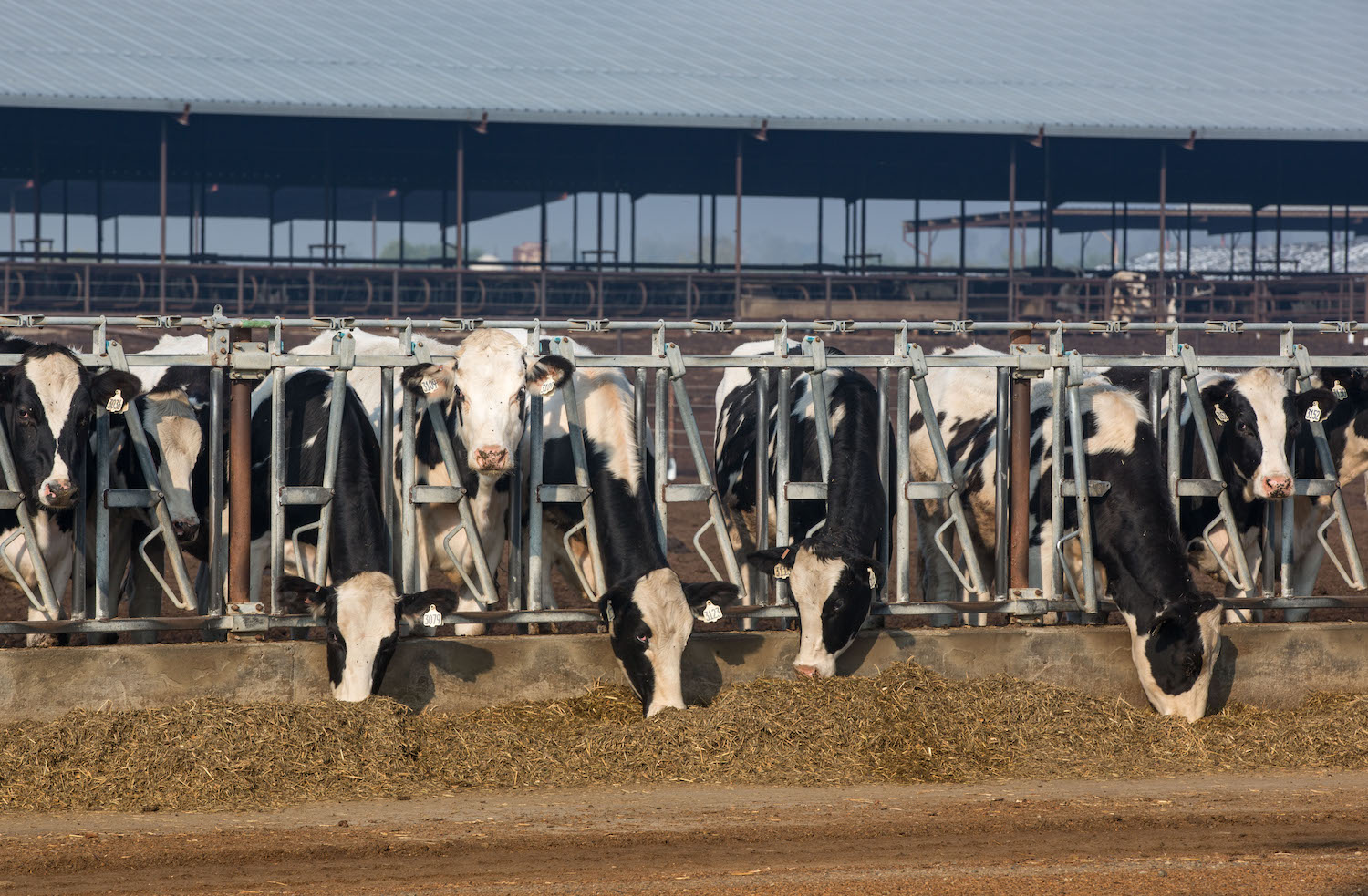
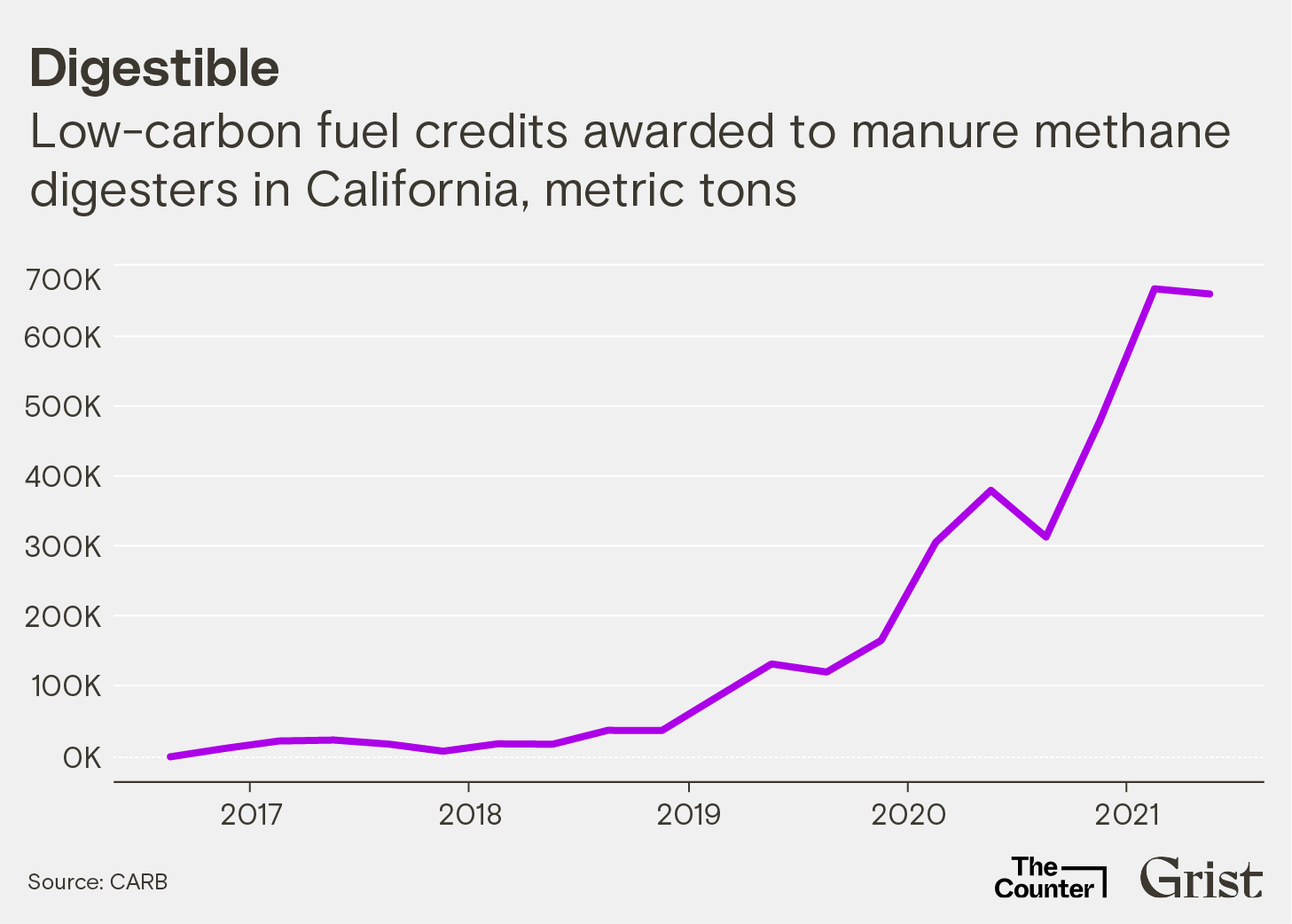
Meanwhile, the economic momentum behind dairy digesters continues to accelerate. Driven by the promise of high-value LCFS credits and corporate investments from energy giants, dozens of new publicly subsidized dairy digesters are currently under construction across California’s Central Valley. A CARB progress report released in March estimated that another 96 digesters are slated for completion by the end of the year, all of which are expected to participate in the LCFS program upon beginning operations. Whether state regulators will eventually bow to mounting academic and legal pressure to untangle these overlapping carbon credits remains an open question, leaving California’s climate accounting vulnerable to ongoing scrutiny over the true net impact of its industrial agricultural policies.