The Great Carbon Accounting Mirage: How California Double-Counts Factory Farm Gas to Hit Climate Targets

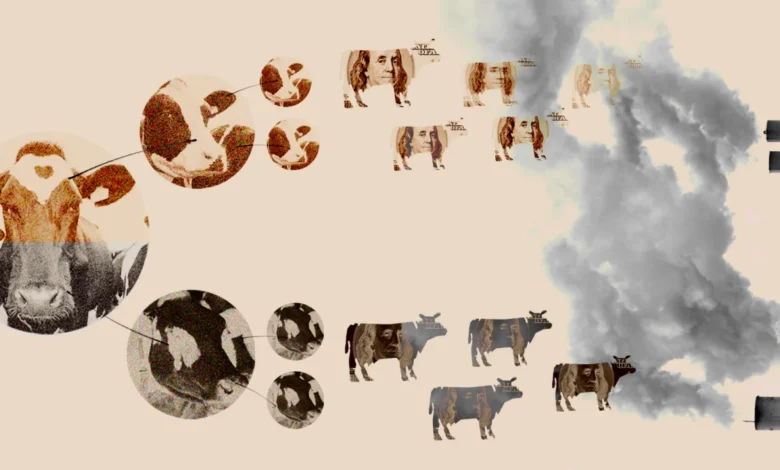
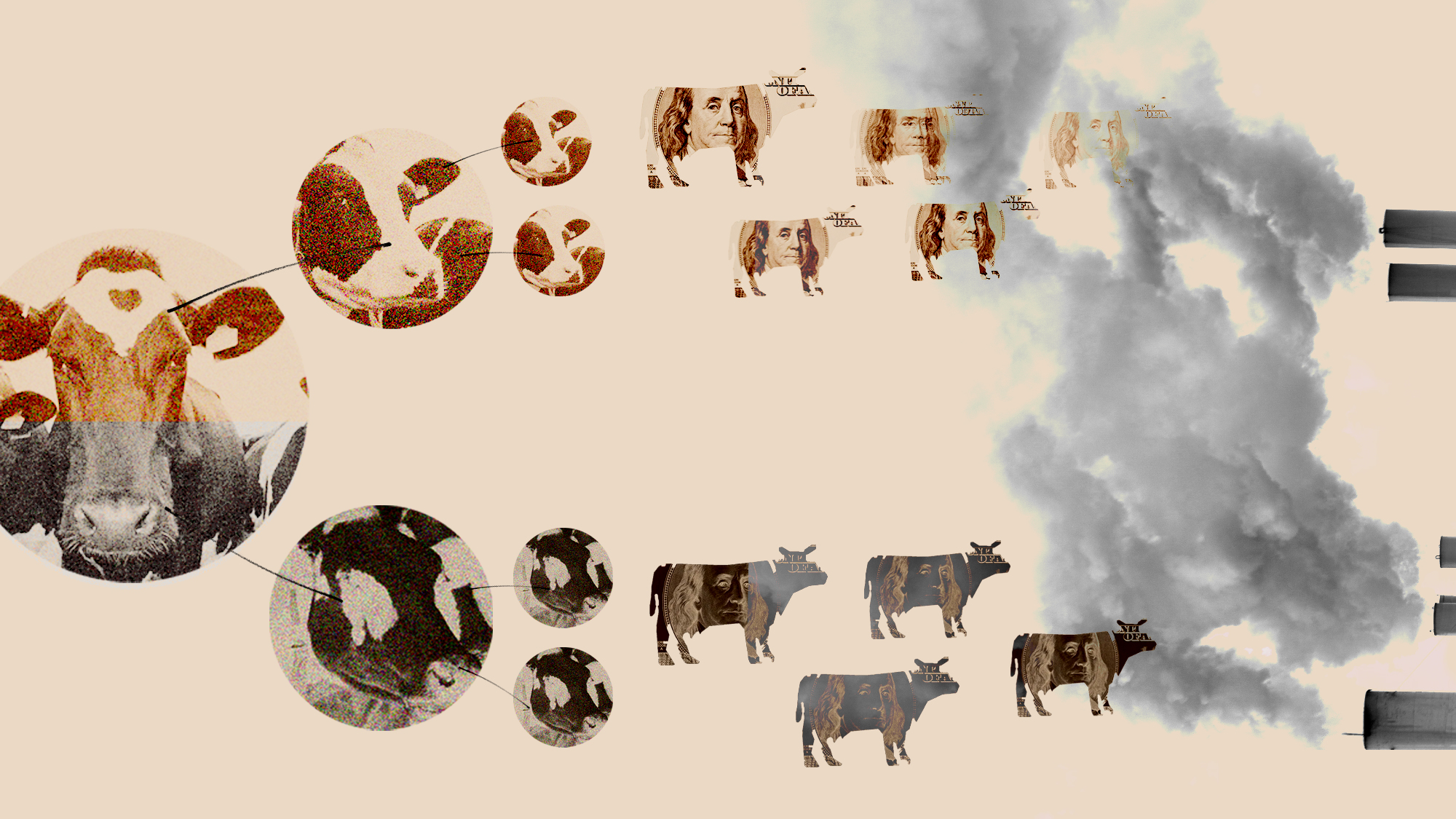
California stands at the vanguard of global climate policy, pledging ambitious net-zero targets and aggressive legislative frameworks designed to slash greenhouse gas emissions over the coming decades. Yet, beneath the veneer of progressive environmental governance, a complex accounting practice has emerged regarding the state’s agricultural and transportation sectors. By permitting factory farms to treat methane capture systems as devices that effectively scrub carbon from the air, regulatory agencies have engineered a system plagued by double counting. This mechanism allows a single reduction in livestock methane to be claimed multiple times across distinct regulatory initiatives, calling into question the actual atmospheric impact of the state’s celebrated climate policies.
The Anatomy of Livestock Methane and Dairy Digesters
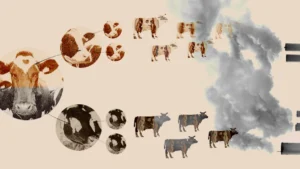
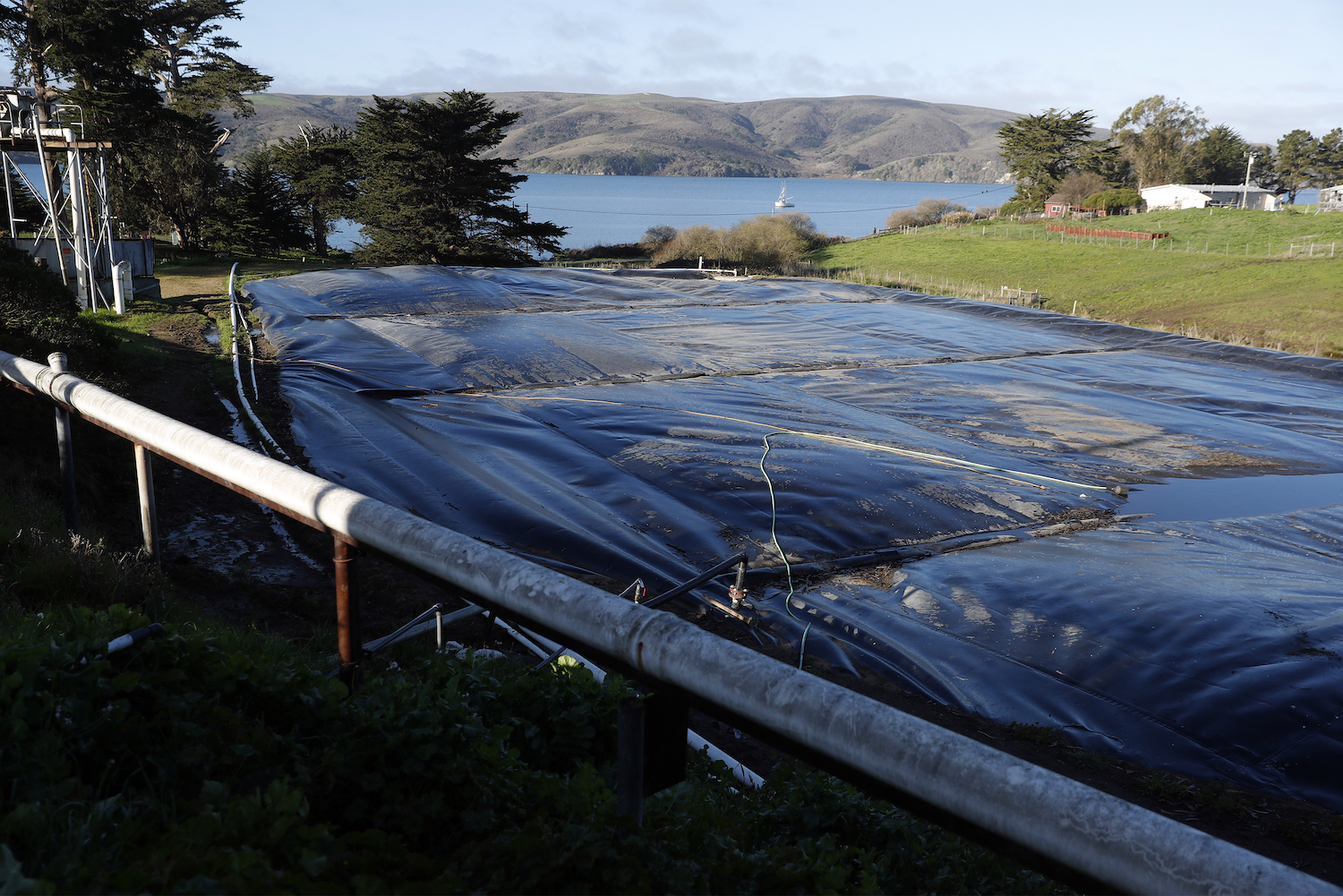
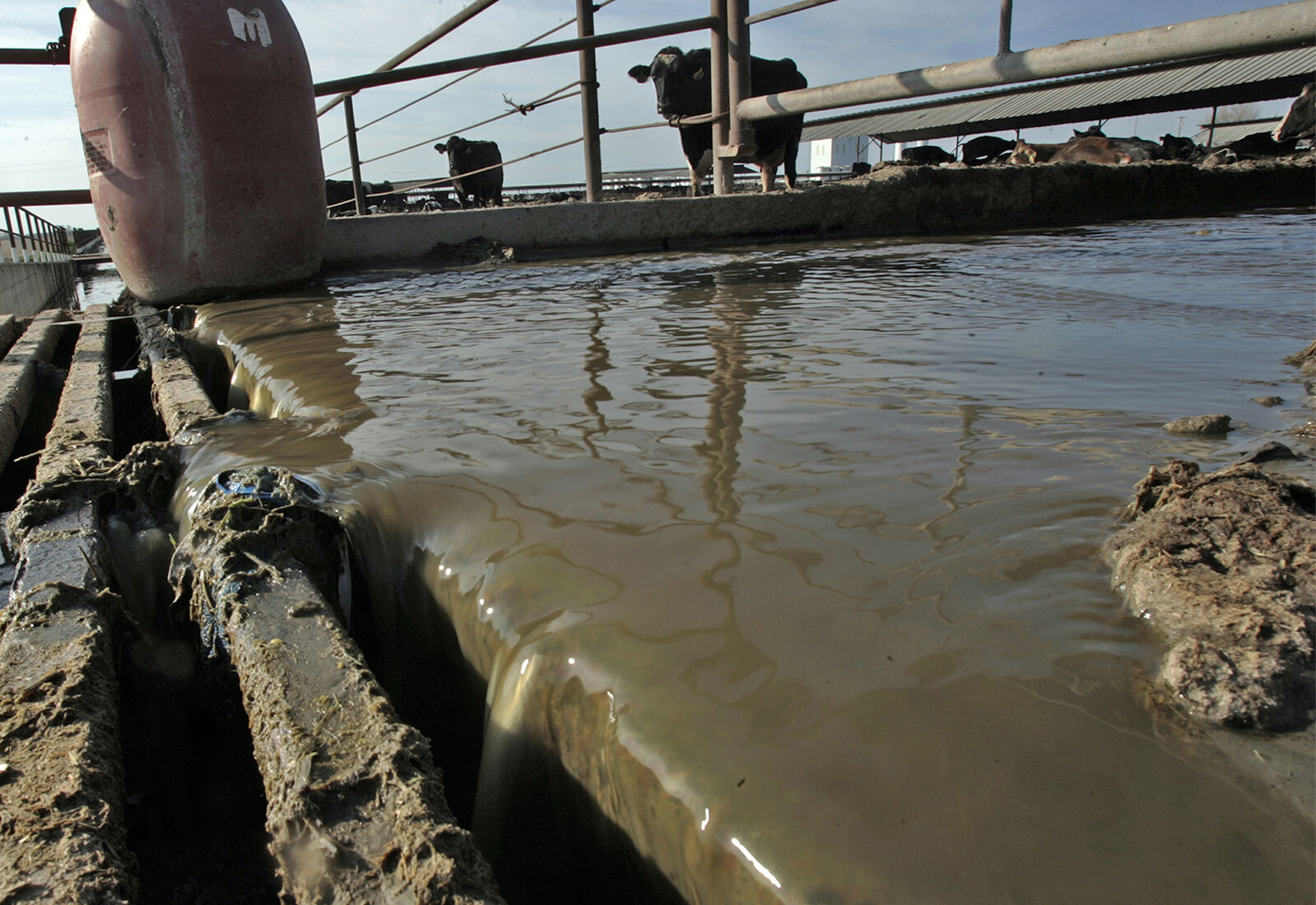
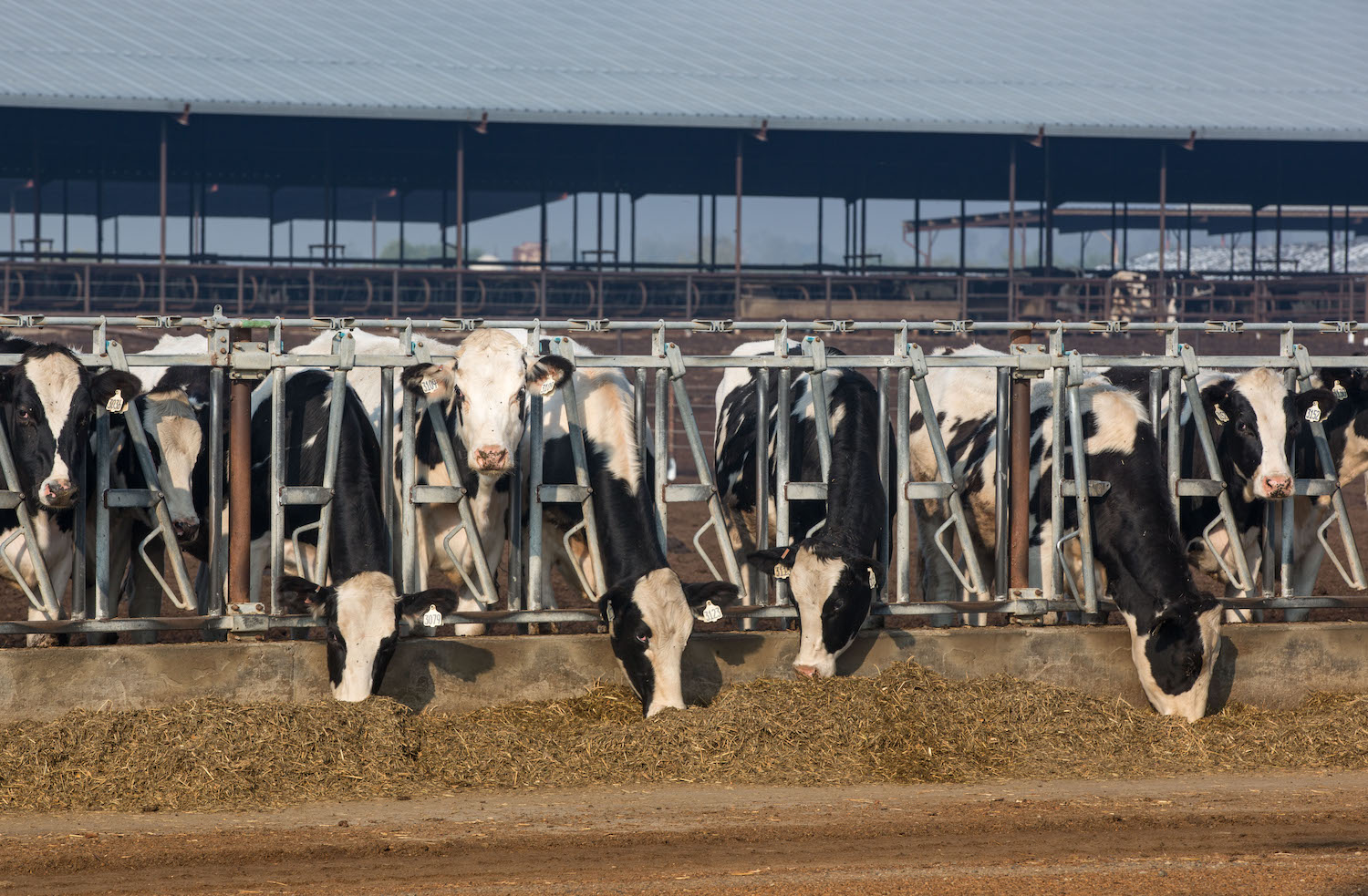
To understand the mechanics of California’s policy framework, one must first examine the nature of agricultural emissions. Every year, dairy operations across the state generate hundreds of thousands of tons of methane. This potent greenhouse gas—with a short-term warming potential significantly higher than that of carbon dioxide—is released primarily when livestock manure is pooled in massive, open-air lagoons.
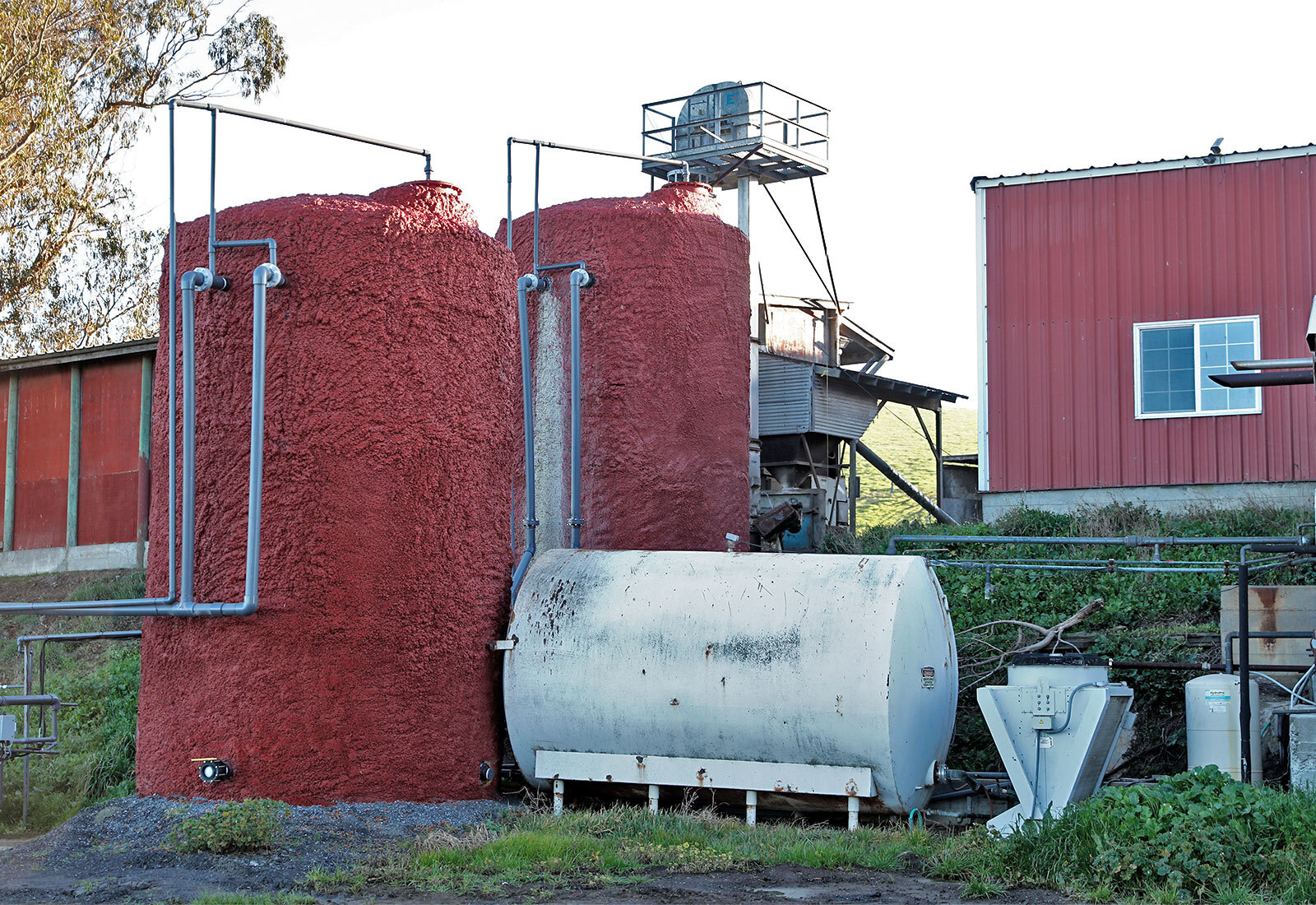
To mitigate these emissions, the state has directed substantial public funds and regulatory incentives toward the installation of anaerobic digesters. These tall, silo-like containment systems capture methane from manure before it escapes into the atmosphere. The trapped gas is then refined and funneled into the state’s natural gas pipeline network.
Under California’s climate blueprint, these projects are foundational to the livestock sector’s mandated goal of reducing methane emissions by 40 percent relative to 2013 levels by the end of the decade. State projections indicate that these interventions are on track to prevent 1.8 million tons of carbon dioxide equivalent (CO2e) from entering the atmosphere annually. However, complications arise because the state does not confine these emissions reductions to the agricultural ledger. Instead, regulators simultaneously credit the exact same reductions to the transportation fuel sector, creating an overlapping system of climate benefits.
The Mechanics of the Low Carbon Fuel Standard and Regulatory Stacking
The primary vehicle for this dual-credit arrangement is California’s Low Carbon Fuel Standard (LCFS), a policy first enacted in 2011 with the overarching goal of reducing the average carbon footprint of the state’s transportation fuel supply. The California Air Resources Board (CARB)—the lead regulatory agency overseeing air pollution and climate initiatives—establishes an annual "carbon intensity" benchmark for transportation fuels.
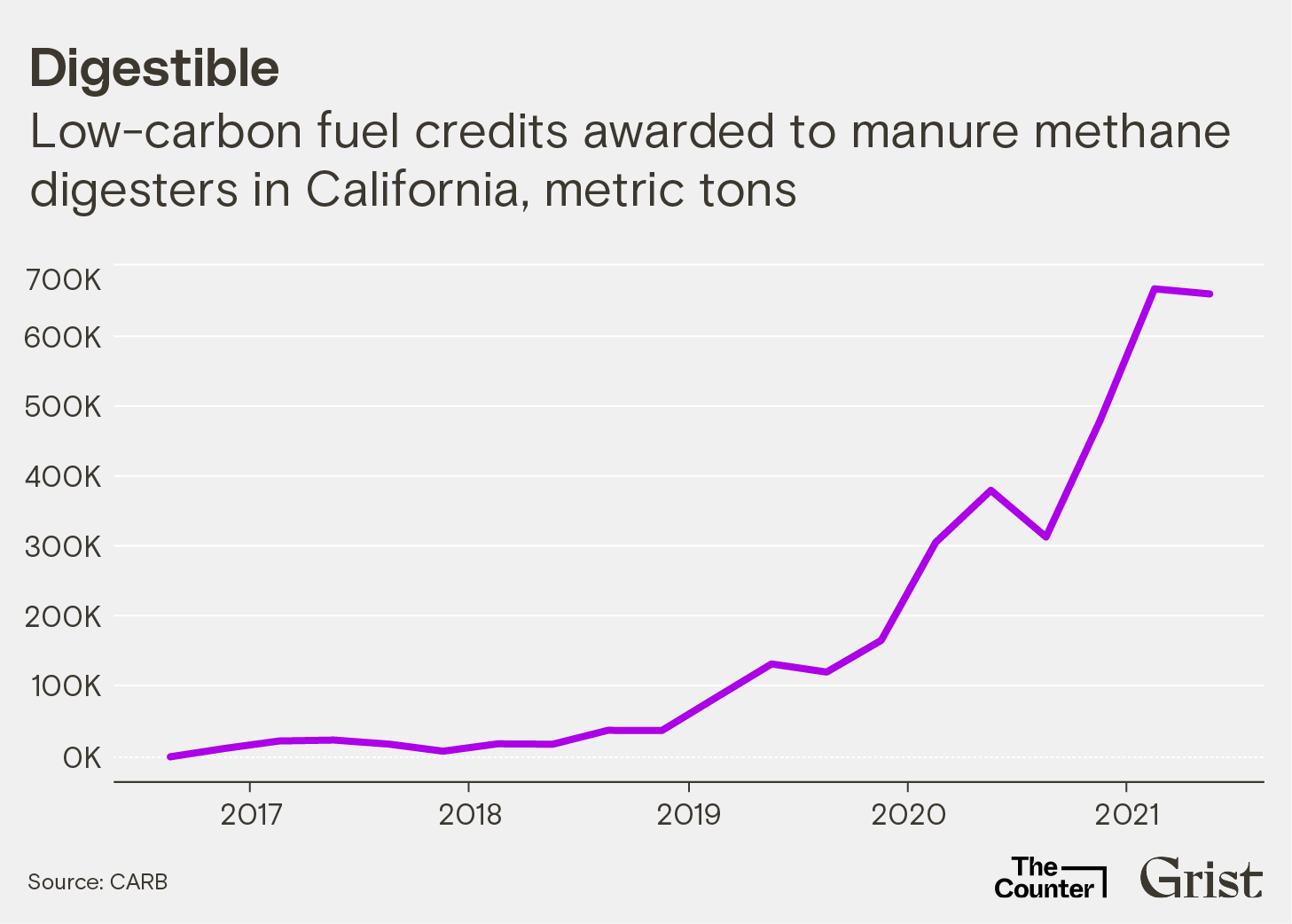
Producers of conventional gasoline and diesel regularly exceed this threshold due to the high volume of greenhouse gases emitted per unit of energy produced across their lifecycle. Conversely, alternative and renewable fuel producers can generate lucrative LCFS credits if their products fall below the annual carbon intensity target. Each credit corresponds to a metric ton of carbon dioxide saved relative to the state benchmark.
Through CARB’s "well-to-wheel" life-cycle analysis, natural gas extracted via fossil-fuel methods, such as fracking, receives a relatively high carbon intensity score. In stark contrast, natural gas produced from dairy manure digesters is assigned a deeply negative score. This negative valuation stems from the premise that by capturing methane that would have otherwise vented freely from manure lagoons, the process effectively prevents an enormous volume of greenhouse gases from entering the atmosphere. Consequently, CARB treats the resulting renewable natural gas not merely as a low-emission fuel, but as a carbon-negative product that has allegedly pulled emissions out of the air.
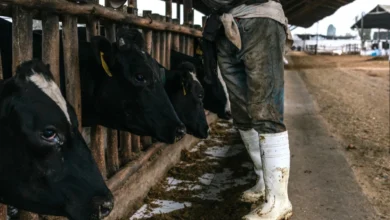
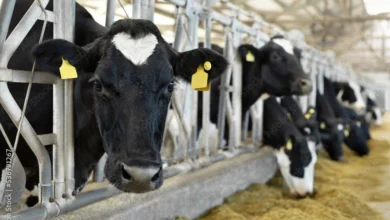
This regulatory treatment enables a practice known within the industry as "stacking." Energy companies, agricultural producers, and private investors combine multiple revenue streams—including state agricultural grants, mitigation funds, and LCFS credits—to finance individual digester projects. For example, in 2018, the California Department of Food and Agriculture awarded a $1.9 million grant to Calgren Dairy Fuels to install a methane digester at Vander Poel Dairy in Tulare County, a facility housing roughly 11,000 cattle. The state agriculture department estimated that the project would prevent 290,000 metric tons of CO2e emissions over a decade. CARB subsequently logged these avoided emissions toward the livestock sector’s 2030 methane targets while simultaneously attributing the exact same emissions savings to the LCFS program.
The Aliso Canyon Mitigation Intersection
The complexity of these overlapping initiatives extends beyond dairy and transportation policies. In the fall of 2021, a coalition of environmental justice organizations and local residents, represented by the public interest legal advocacy group Public Justice, filed a formal petition with CARB highlighting a parallel double-counting mechanism involving the Aliso Canyon Mitigation Agreement.
The Aliso agreement was established in the wake of the catastrophic 2015 natural gas leak at a SoCalGas facility in Southern California—one of the largest methane disasters in United States history, which released approximately 109,000 metric tons of methane over 100 days, sickened residents, and displaced thousands of families. As part of the legal settlement, CARB administered a program distributing over $25 million in loans to California dairy farms to construct methane digesters intended to offset the exact volume of greenhouse gases released during the disaster.
Prominent energy firms, including Chevron and California Bioenergy, invested heavily in eight dairy digester projects across the San Joaquin Valley under the Aliso framework, projected to capture 1.9 million metric tons of CO2e over a decade. However, these identical eight projects are also enrolled in the LCFS program.
Legal experts and environmental advocates argue that this dual participation undermines the core integrity of both initiatives. When a dairy farm captures methane under the Aliso agreement, the reductions are meant to serve as a direct, one-to-one offset for the 2015 disaster. Yet, by simultaneously generating LCFS credits from the same captured gas, the farm sells those credits to fossil fuel producers. These credits grant the purchasing companies the regulatory permission to emit higher volumes of greenhouse gases elsewhere in the economy. Critics contend that this creates a perverse outcome: the initial mitigation is effectively canceled out by the increased emissions permitted through the LCFS credit market.
Chronology of Policy Evolution and Controversy
- 2011: California implements the Low Carbon Fuel Standard (LCFS) to systematically lower the average carbon intensity of the state’s transportation fuel pool over time.
- 2015: A catastrophic natural gas leak occurs at the Aliso Canyon storage facility in Los Angeles County, prompting subsequent legal settlements and mitigation requirements.
- 2018: The California Department of Food and Agriculture awards a $1.9 million grant to Calgren Dairy Fuels for a methane digester at Vander Poel Dairy, initiating public funding models for agricultural biogas.
- Fall 2021: A coalition of environmental groups files a comprehensive petition with CARB, formally challenging the dual-crediting of dairy digester emissions under the LCFS and the Aliso Canyon agreement.
- January 2022: CARB formally denies the environmental petition, asserting that immediate programmatic revisions to the LCFS are unfeasible due to concurrent updates to the broader statewide climate strategy.
- Present Day: Scores of additional dairy digesters continue construction across California, relying on stacked public subsidies and private investments while remaining integrated into the state’s carbon credit markets.
Differing Perspectives and Official Responses
The debate surrounding California’s treatment of factory farm gas highlights a fundamental philosophical divide over how climate policies should measure success.
Environmental advocates and policy analysts argue that the current framework violates the foundational principle of "additionality"—the requirement that emissions reductions must be directly and exclusively attributable to a specific policy mechanism to possess real-world validity. Danny Cullenward, a legal and policy director at the nonprofit organization Carbon Plan, characterized the situation plainly, describing it as "a classic case of double counting" where "the same ton [is] counted in two places." Tyler Lobdell, a staff attorney at Food and Water Watch, emphasized the urgency of structural reform, stating, "We need to have actual reductions, not paper reductions."
Conversely, industry stakeholders and regulatory officials defend the practice as a necessary catalyst for capital-intensive infrastructure. Michael Boccadoro, executive director of the dairy industry coalition DairyCares, maintained that financial stacking is essential for project viability. "It takes the stacking of incentives to make the projects work," Boccadoro noted, arguing that without multiple revenue streams, anaerobic digesters would remain financially impractical for the agricultural sector.
In its official written responses to inquiries and legal petitions, CARB has defended its administrative approach. While declining to adopt the term "double counting," the agency did not dispute that it is attributing identical emissions reductions across multiple programs. A CARB spokesperson explained that California’s multifaceted climate portfolio frequently incentivizes reductions within overlapping sectors, asserting that directing captured agricultural methane into the transportation fuel market supports both dairy methane mitigation and the displacement of fossil fuels.
Broader Implications for State and National Climate Policy
As California moves closer to its 2030 and 2045 climate milestones, the structural integrity of its carbon accounting mechanisms carries significant implications for climate governance nationwide. The state’s LCFS model has served as a policy template for other jurisdictions and has been evaluated for federal implementation.
However, critics warn that if carbon intensity scoring permits negative values for industrial processes that rely on high-emission agricultural foundations, the system risks creating perverse economic incentives. Rather than encouraging a reduction in the total volume of manure and associated livestock emissions, lucrative credit markets could inadvertently institutionalize factory farming practices by transforming waste management into a highly profitable secondary revenue stream. Furthermore, if aggregate calculations overstate actual atmospheric carbon removal, the state risks meeting its statutory climate targets on paper while greenhouse gas concentrations continue to rise in practice.
With dozens of additional dairy digesters scheduled for completion and integration into the LCFS framework, the pressure on regulatory bodies to reconcile additionality standards and eliminate accounting overlaps is expected to intensify. Whether CARB will ultimately bow to demands for stricter additionality testing or maintain its current multi-credit architecture remains one of the most contentious battlegrounds in California’s contemporary environmental landscape.