The Ultimate Guide to Crafting the Perfect Spicy Watermelon Jalapeño Margarita for Summer Entertaining

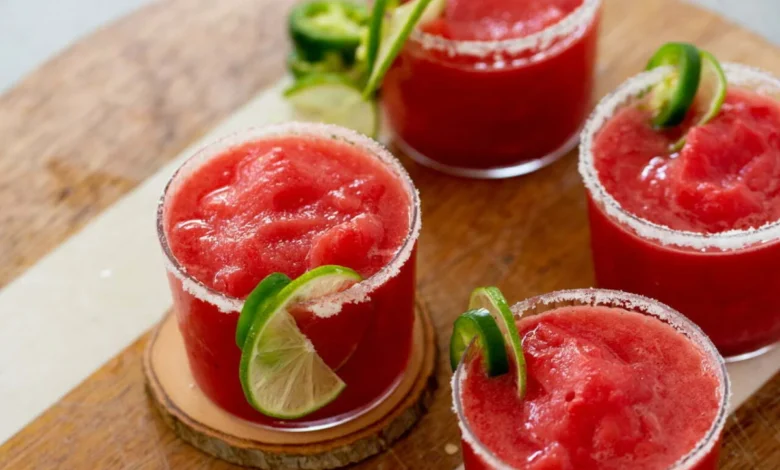
Culinary trends during the summer months consistently gravitate toward beverages that offer a balance of intense hydration, natural fruit sweetness, and a vibrant flavor profile capable of cutting through seasonal heat. Among the myriad cocktail options that emerge across patios and terraces each year, the spicy watermelon jalapeño margarita has secured a prominent position as a seasonal favorite. Developed by culinary creator Alejandra Graf, this contemporary twist on the classic Mexican margarita elevates traditional mixology by marrying the nostalgic, refreshing appeal of fresh summer fruit with a controlled, fiery kick.
The appeal of this specific beverage lies in its sophisticated interplay of contrasting flavors. Sweetness and hydration, naturally abundant in peak-season watermelons, meet the capsaicin-driven heat of fresh jalapeño peppers. This dynamic pairing mirrors the culturally rich Mexican tradition of consuming fresh fruit dusted with chili powder and fresh lime juice. However, by transforming these elements into a cohesive liquid format—available in both alcoholic and non-alcoholic variations—home entertainers and beverage enthusiasts have adopted the recipe as a versatile staple for warm-weather gatherings.
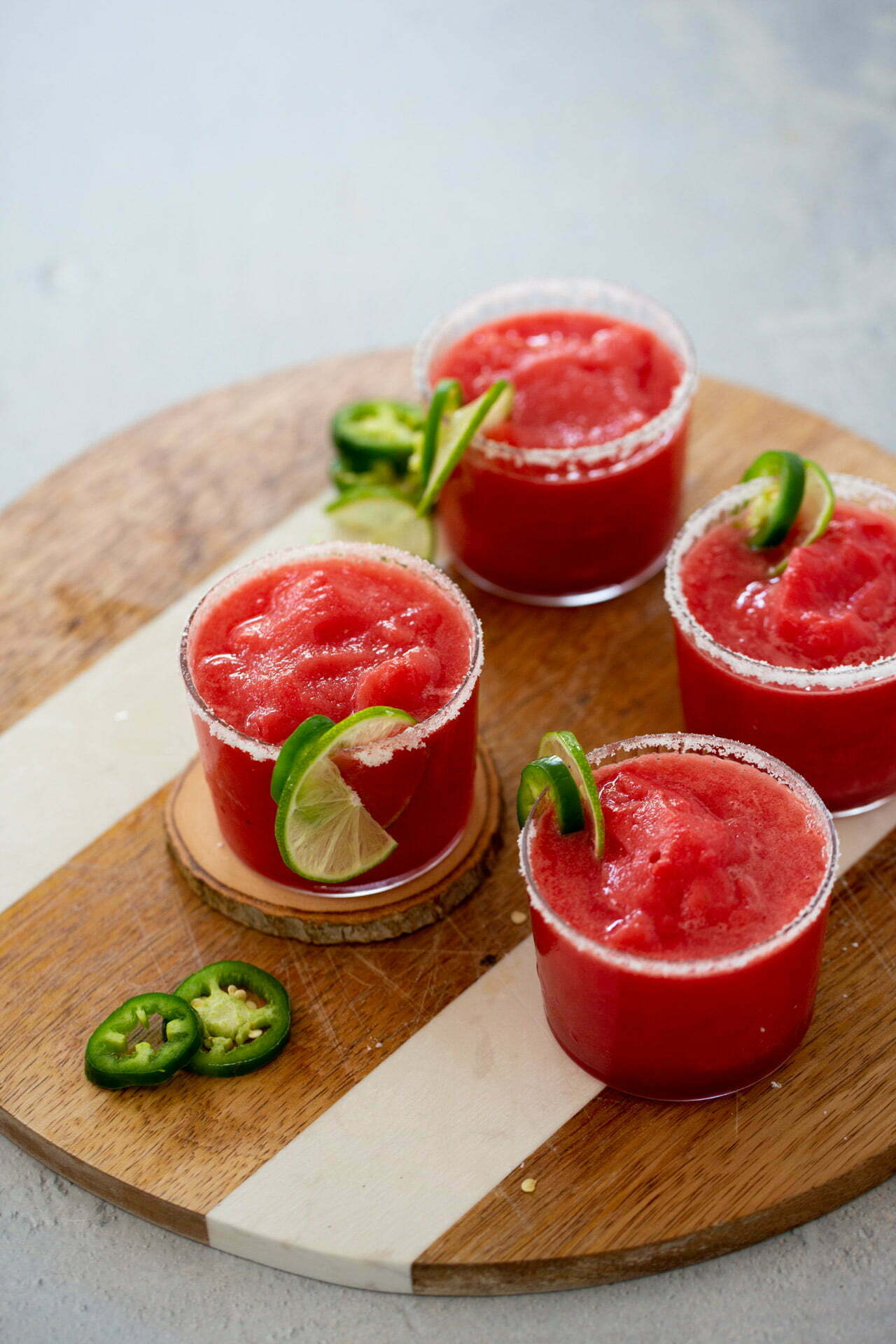
Anatomical Breakdown of the Recipe and Preparation Chronology
Creating this beverage requires a meticulous approach to texture, temperature, and flavor infusion. Unlike standard cocktail recipes that rely heavily on artificial mixers or excessive amounts of crushed ice that dilute the core flavors over time, this method prioritizes structural integrity through advanced preparation.
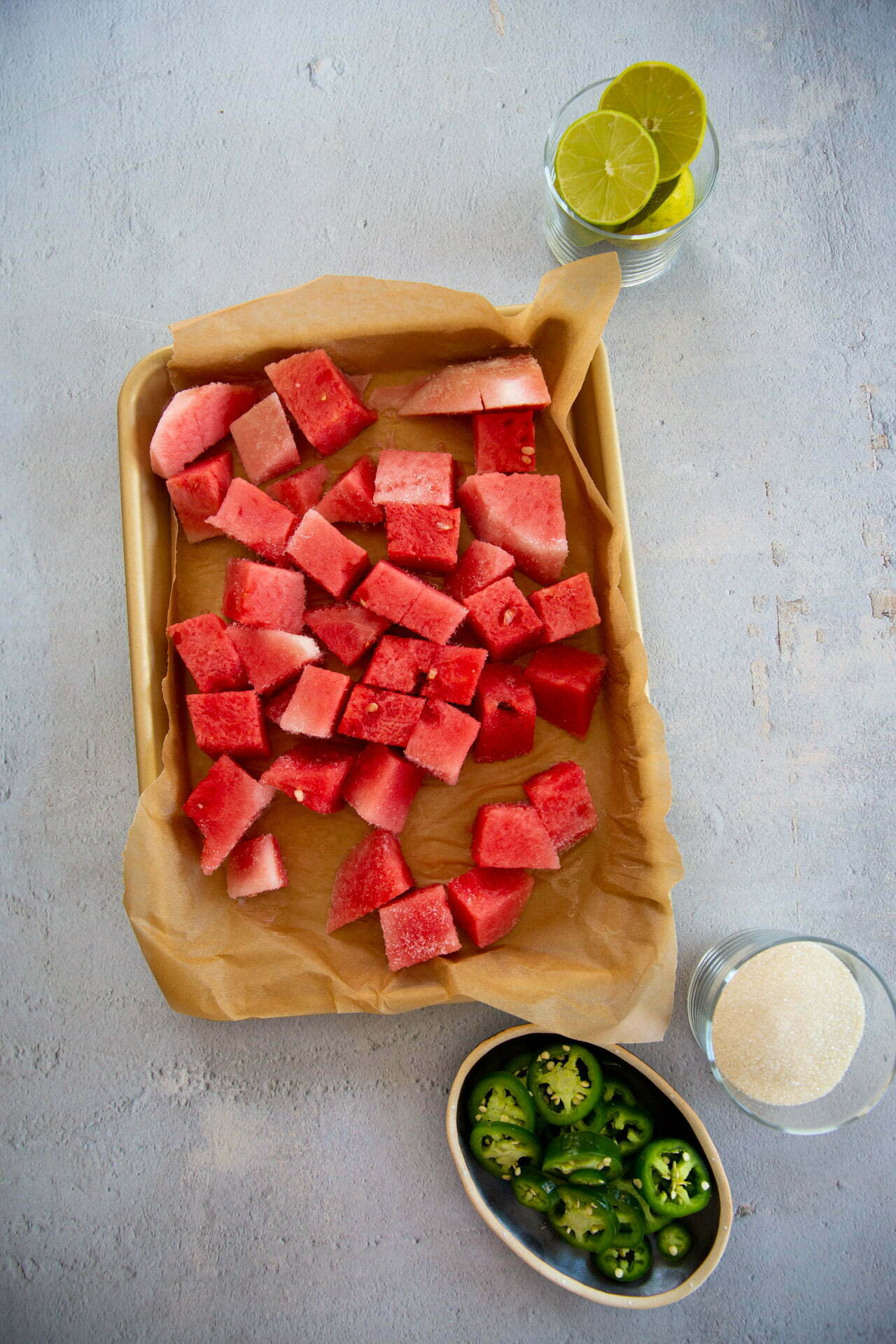
The preparation timeline spans approximately two hours and twenty minutes, though the active labor requirement remains minimal. The process begins well in advance of serving time with the preparation of the core ingredients:
- Freezing the Fruit: Fresh watermelon is cubed and placed into the freezer for a minimum of two hours. This step serves a dual purpose. First, it ensures that the resulting beverage maintains a thick, frost-kissed consistency akin to a high-end slush or frozen cocktail. Second, it eliminates the need for standard ice cubes, which inevitably melt and compromise the intensity of the watermelon flavor profile.
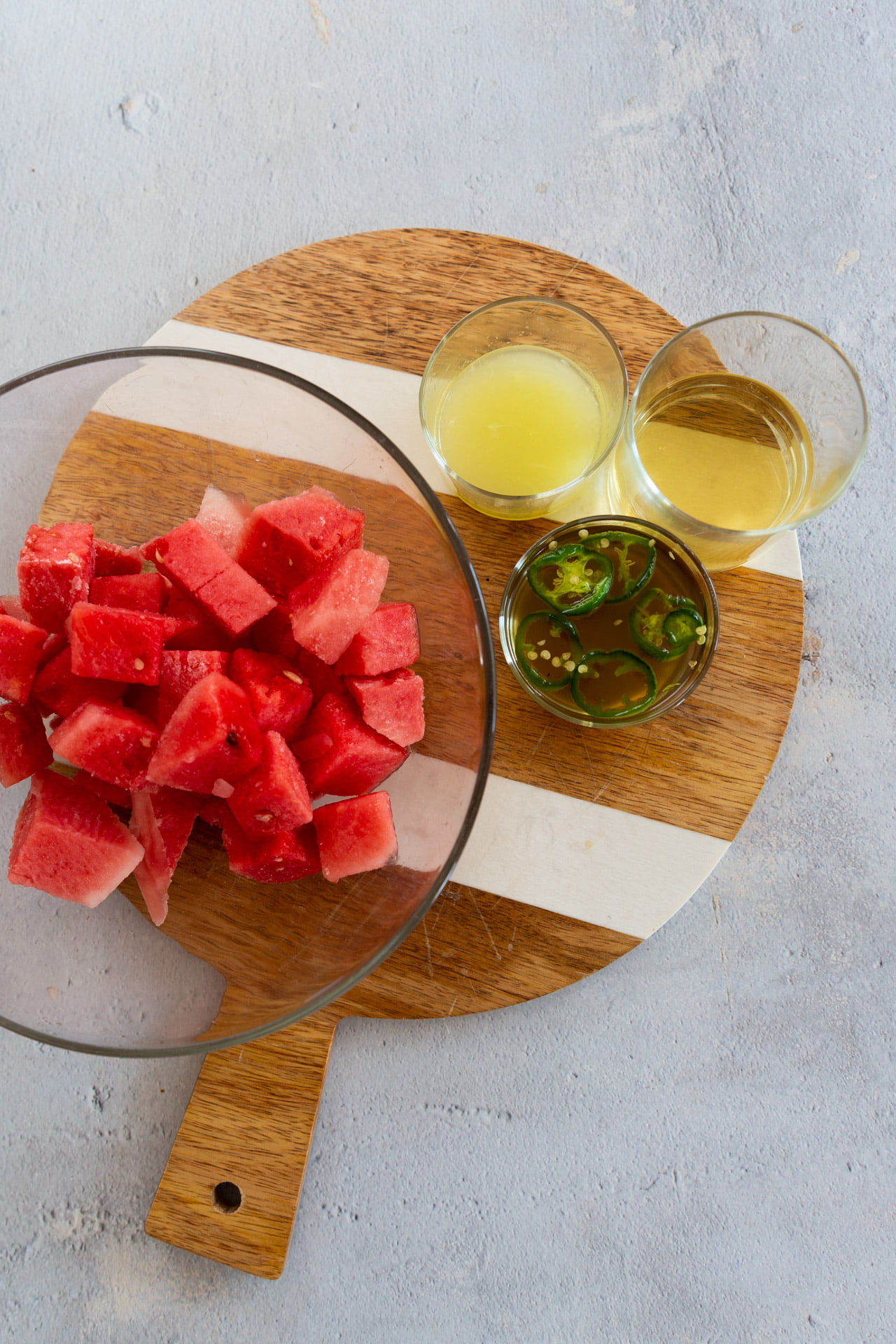
- Crafting the Jalapeño Simple Syrup: The heat source is introduced through a specialized reduction. A small saucepan is filled with equal parts water and granulated sugar—specifically, one-half cup of water and one-half cup of sugar—alongside three sliced jalapeños. The mixture is heated gently over a low flame until the sugar completely dissolves into the liquid.
- Controlling the Heat Index: The duration of the steeping process dictates the intensity of the final beverage’s spicy notes. Culinary experts recommend monitoring the infusion closely, tasting the syrup periodically, and removing the pepper slices once the desired threshold of heat is achieved. Once cooled, the strained syrup can be utilized immediately or stored in a sealed glass container within a refrigerator for future use.
- Final Assembly: The frozen watermelon cubes are blended or combined with freshly squeezed lime juice, the custom jalapeño simple syrup, and, optionally, premium tequila. For those opting for a mocktail version, the alcohol is omitted entirely, replaced instead with sparkling water or club soda to retain the effervescence characteristic of a celebratory drink.
Nutritional Profile and Dietary Implications
From a nutritional perspective, specialty cocktails often face scrutiny for high caloric density and elevated sugar content. A standard batch yielding four servings of this watermelon jalapeño margarita registers an approximate total of 1,689 kilocalories, averaging roughly 422 calories per individual serving.
Despite the inclusion of sweetening agents, the beverage incorporates substantial nutritional value derived from its primary constituent: fresh watermelon. Analysis of the nutritional data reveals a remarkable concentration of vitamins and minerals. A single serving contributes approximately 456 milligrams of vitamin C, bolstering immune function, alongside significant amounts of vitamin A (32,007 International Units), potassium (6,302 milligrams), and dietary fiber (23 grams across the total batch). Furthermore, the natural electrolyte properties inherent in watermelon make it an effective vehicle for hydration during periods of elevated ambient temperatures, provided consumption remains moderate.
The inclusion of capsaicin from the jalapeño peppers also introduces minor metabolic benefits. Capsaicin has been widely studied in nutritional science for its potential to stimulate thermogenesis—the process by which the body burns calories to produce heat—and to temporarily elevate metabolic rates. While a cocktail cannot replace a balanced diet or rigorous exercise regimen, these components elevate the nutritional profile far above that of standard corn-syrup-laden commercial margarita mixes.
Cultural Context and the Evolution of Modern Mixology
The proliferation of spicy fruit margaritas reflects a broader shift within contemporary global gastronomy. Over the past decade, consumers have increasingly sought out multi-dimensional flavor profiles that challenge the palate by juxtaposing sweet, sour, salty, and spicy elements within a single dish or beverage.
The margarita itself, long recognized as one of the world’s most popular tequila-based cocktails, has undergone countless iterations since its inception in mid-20th-century Mexico. While traditional purists adhere strictly to the holy trinity of tequila, triple sec, and fresh lime juice served in a salt-rimmed glass, modern mixologists have embraced botanical infusions, seasonal fruits, and regional peppers to modernize the classic template.
By incorporating jalapeños, culinary creators tap into an ancient Mesoamerican culinary tradition where chilis were routinely paired with tropical and subtropical fruits. This cross-cultural fusion resonates particularly strongly during the summer months, aligning with consumer demand for outdoor dining, terrace socializing, and artisanal home bartending experiences.
Broader Impact on Seasonal Entertaining Trends
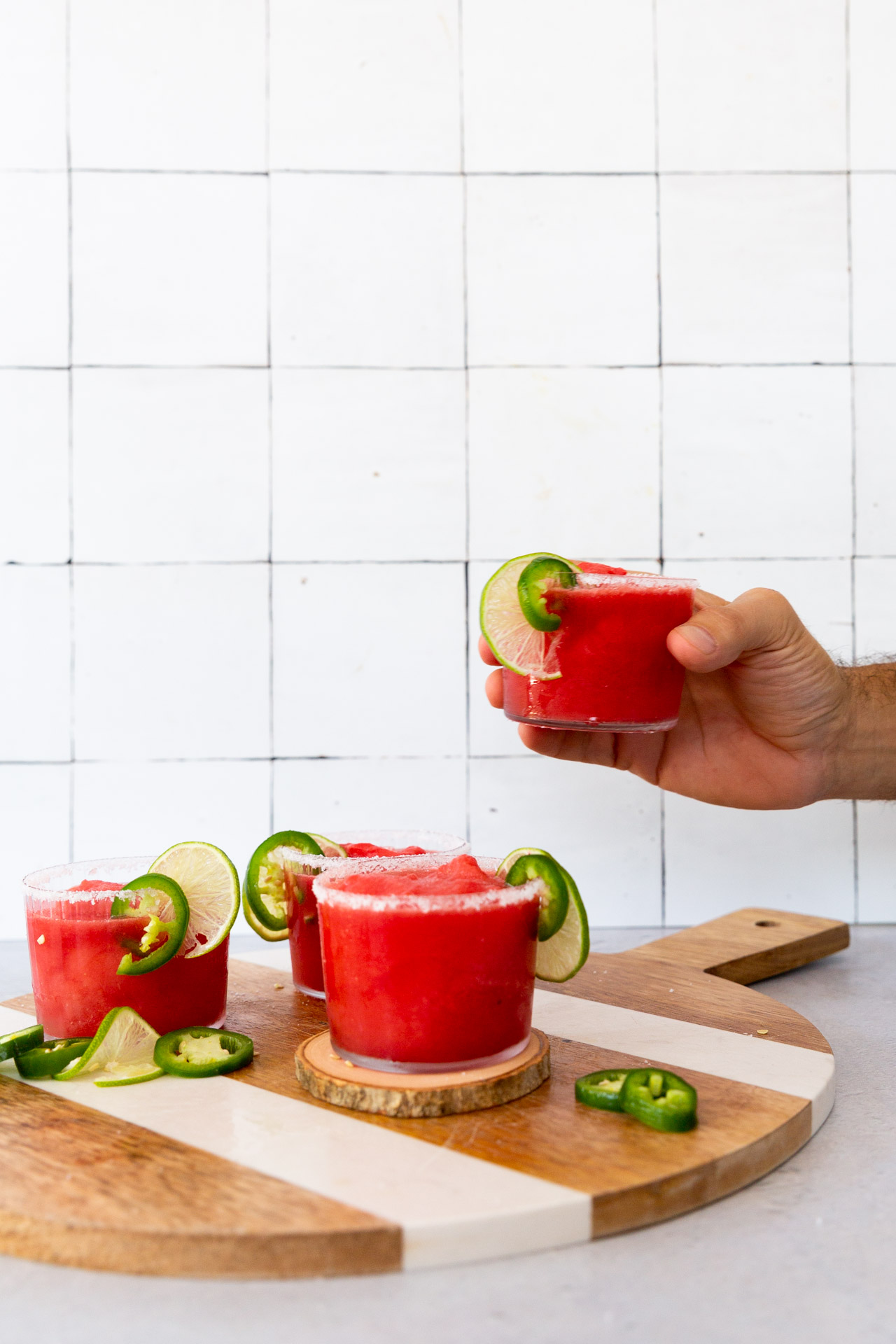
The rise of recipes optimized for both alcoholic and non-alcoholic consumption—often referred to in the hospitality industry as "mezcal-free" or "zero-proof" mixology—highlights an ongoing evolution in consumer preferences. Modern hosts are increasingly mindful of dietary restrictions, designated drivers, and the growing segment of the population that chooses to abstain from alcohol entirely without sacrificing the sensory experience of a well-crafted beverage.
By designing a base recipe that transitions seamlessly with the simple addition or omission of tequila, creators like Alejandra Graf cater to inclusive social gatherings. The emphasis on make-ahead components, such as the frozen fruit chunks and the scalable jalapeño syrup, also addresses the logistical demands of modern entertaining, allowing hosts to minimize active preparation time while maximizing the quality of the final product.
As culinary enthusiasts continue to experiment with seasonal produce and bold flavor pairings, the spicy watermelon jalapeño margarita stands as a testament to the ongoing innovation within home kitchens and professional bars alike. Through careful balance, thoughtful ingredient selection, and a nod to traditional flavor combinations, this refreshing summer staple demonstrates how simple adjustments can transform a classic recipe into an entirely new culinary experience.
Related posts: