Fresh Mint and Almond Pesto Pasta: A Modern Vegan Twist on Traditional Italian Cuisine Offers Culinary Innovation for Weeknight Dinners

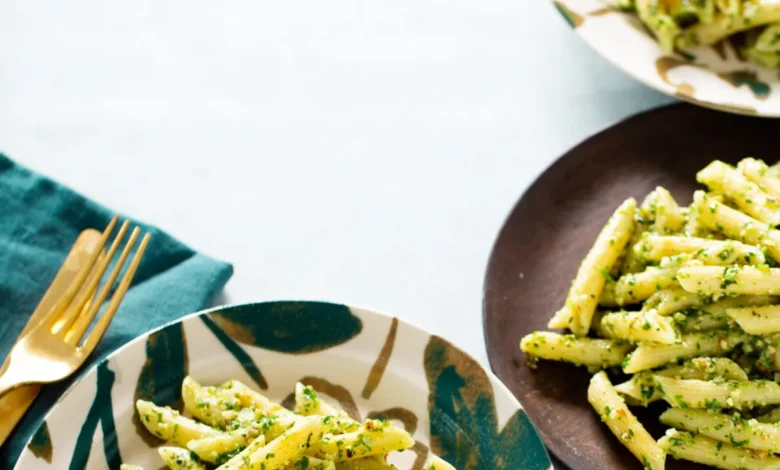
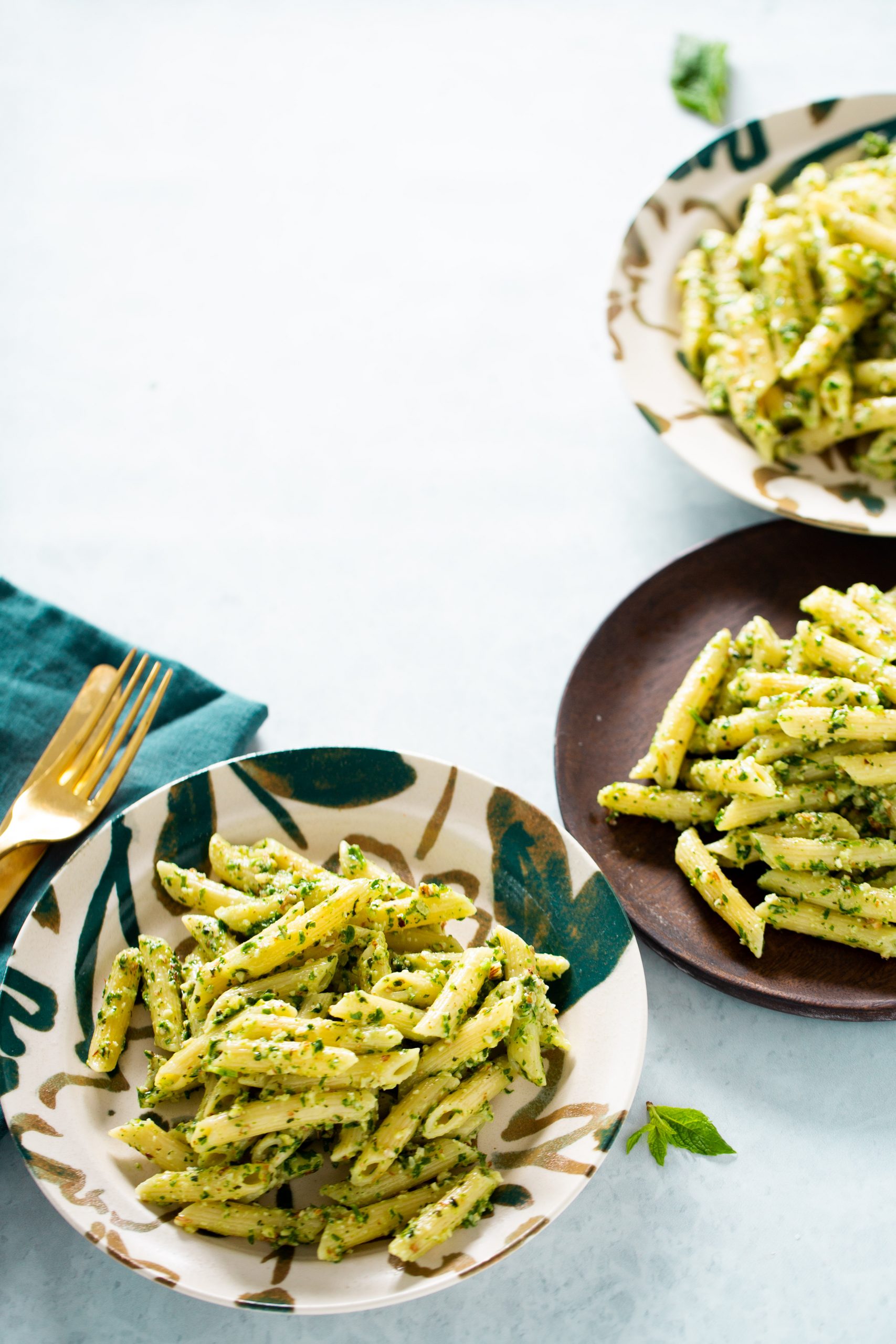
The culinary landscape of weeknight home cooking has increasingly embraced dynamic plant-based alternatives that challenge traditional flavor profiles without sacrificing accessibility or preparation speed. Among the recent developments in modern gastronomy is the emergence of unconventional pestos, highlighted by a recipe featuring fresh mint, toasted almonds, and a subtle kick of jalapeño. Developed by culinary creator Alejandra Graf, this dish reimagines the classic Genoese basil-and-pine-nut condiment, offering an innovative option for households seeking efficient, vibrant, and entirely vegan meal solutions that can be executed in under thirty minutes.
Background Context and Evolution of the Pesto Tradition
The historical origins of pesto trace back to Genoa, in the Liguria region of Italy, where cooks originally utilized a marble mortar and heavy wooden pestle to crush garlic, basil, coarse salt, European pine nuts, and hard cheeses such as Parmigiano-Reggiano and Pecorino, all bound together by extra-virgin olive oil. The terminology itself derives from the Genoese verb "pestare," which translates to "to pound" or "to crush." Over centuries, this foundational technique has traveled across global borders, inspiring myriad regional variations that substitute native herbs, nuts, and fats depending on local agricultural abundance and dietary preferences.
The introduction of mint, parsley, and jalapeño into a traditional pesto format represents a broader contemporary movement in global cuisine known as "fusion adaptation." By moving away from standard basil, modern home cooks and professional chefs alike are utilizing robust garden herbs that might otherwise proliferate uncontrollably during summer growing seasons. The inclusion of jalapeño introduces a Latin-inspired element of heat, bridging Mediterranean culinary technique with vibrant New World produce. This cross-cultural blending reflects shifting consumer demands for dynamic flavor profiles that transcend rigid geographical boundaries, appealing particularly to flexitarian, vegetarian, and vegan demographics who prioritize fresh, whole-food ingredients.
Nutritional and Dietary Implications of Plant-Based Pesto
From a nutritional standpoint, shifting away from dairy-heavy traditional pestos toward nut-and-herb bases yields distinct dietary advantages, particularly for individuals managing lactose intolerance, dairy allergies, or cholesterol levels. Traditional dairy cheeses are rich in saturated fats and sodium, whereas plant-based alternatives relying on almonds introduce healthy monounsaturated fats, dietary fiber, plant-based protein, and essential micronutrients such as vitamin E and magnesium.
Furthermore, the utilization of dark leafy greens like fresh parsley and mint contributes significant amounts of antioxidants, vitamin A, vitamin C, and iron. While specific nutritional metrics vary depending on exact portion sizes and oil content, light herbal pestos generally offer a nutrient-dense profile that avoids the heavy feeling often associated with cream-based pasta sauces. Nutritionists and culinary analysts note that the incorporation of spicy elements like jalapeños also introduces capsaicin, a compound associated with transient boosts in metabolic function and enhanced sensory satisfaction, which helps compensate for the absence of rich, aged cheeses.
Chronology and Preparation Methodology

The systematic preparation of mint and almond pesto pasta has been streamlined for modern domestic schedules, typically requiring approximately ten minutes of active preparation and twelve minutes of cooking time, culminating in a total execution window of under twenty-five minutes.
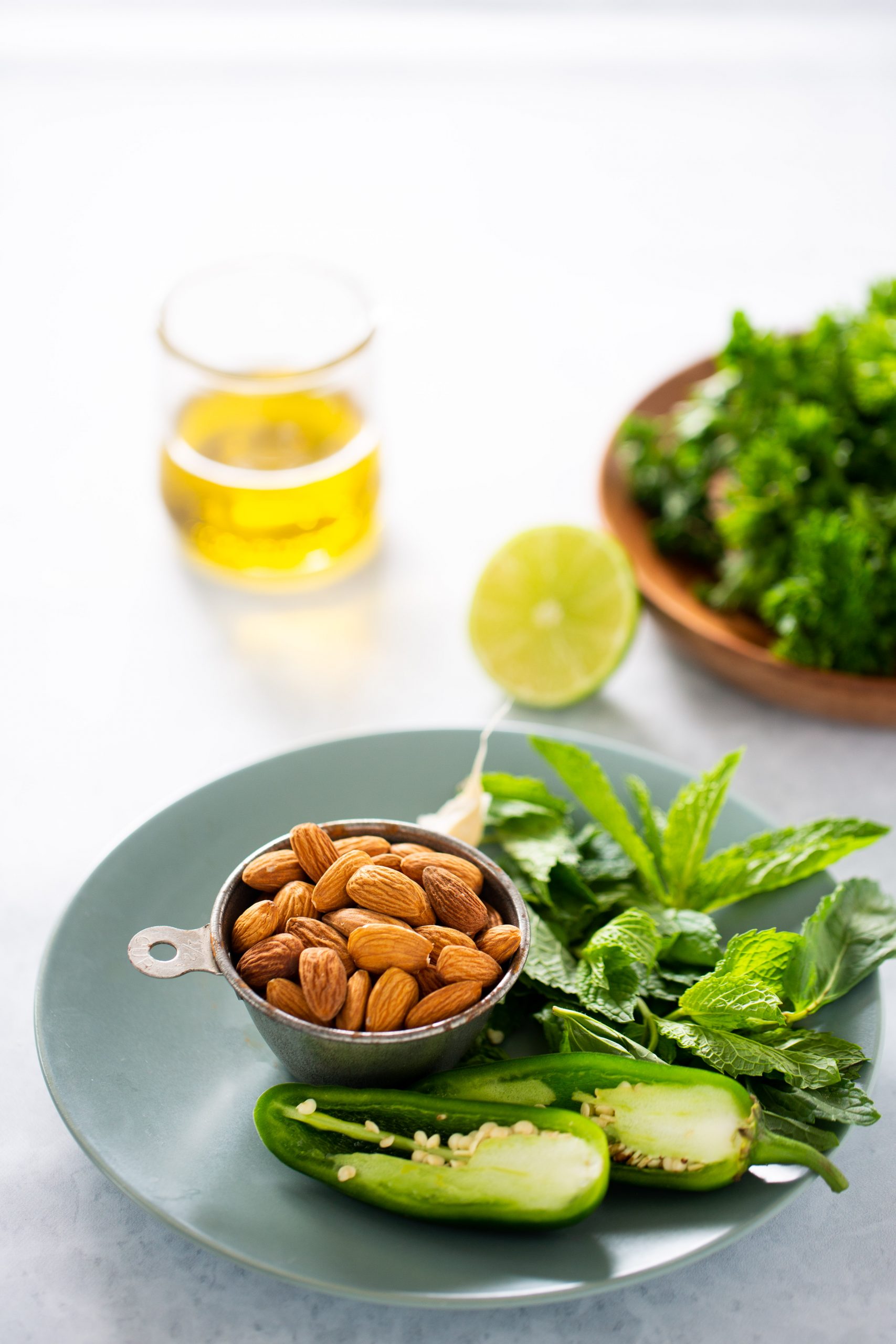
- Preparation of the Base Ingredients: Home cooks assemble fresh mint leaves, flat-leaf parsley, raw or blanched almonds, garlic cloves, fresh lemon juice, and a seeded or unseeded jalapeño pepper depending on personal tolerance for heat.
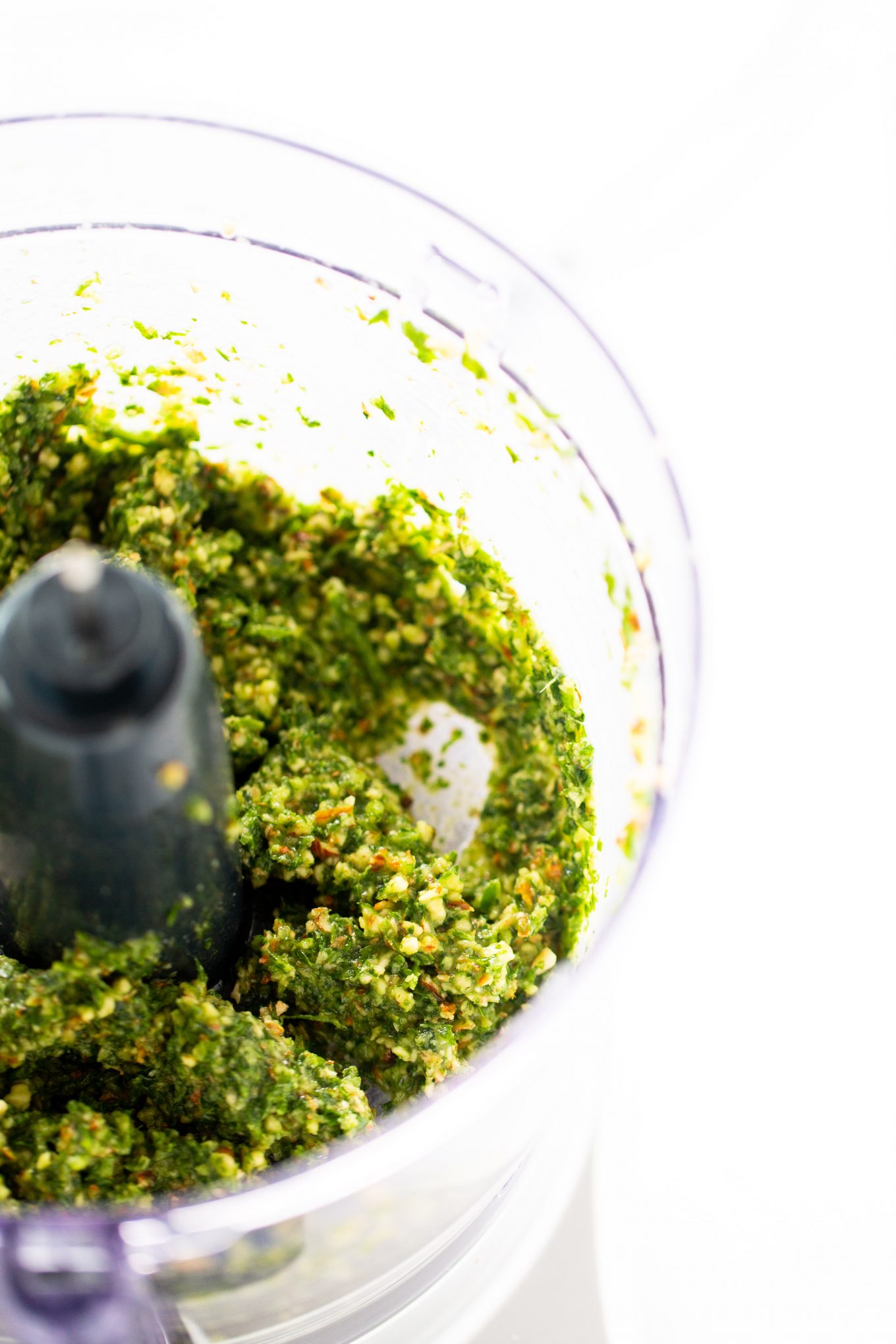
- Emulsification via Food Processor: Unlike traditional hand-pounded mortars, modern culinary execution leverages a food processor. Ingredients are pulsed intermittently to ensure the almonds retain a slight textural crunch rather than being reduced to a uniform paste, which prevents the sauce from becoming excessively heavy.
- Pasta Selection and Cooking: Short pasta shapes—such as penne, fusilli, or rigatoni—are boiled in salted water until reaching an al dente texture. Crucially, a portion of the starchy cooking water is reserved prior to draining.
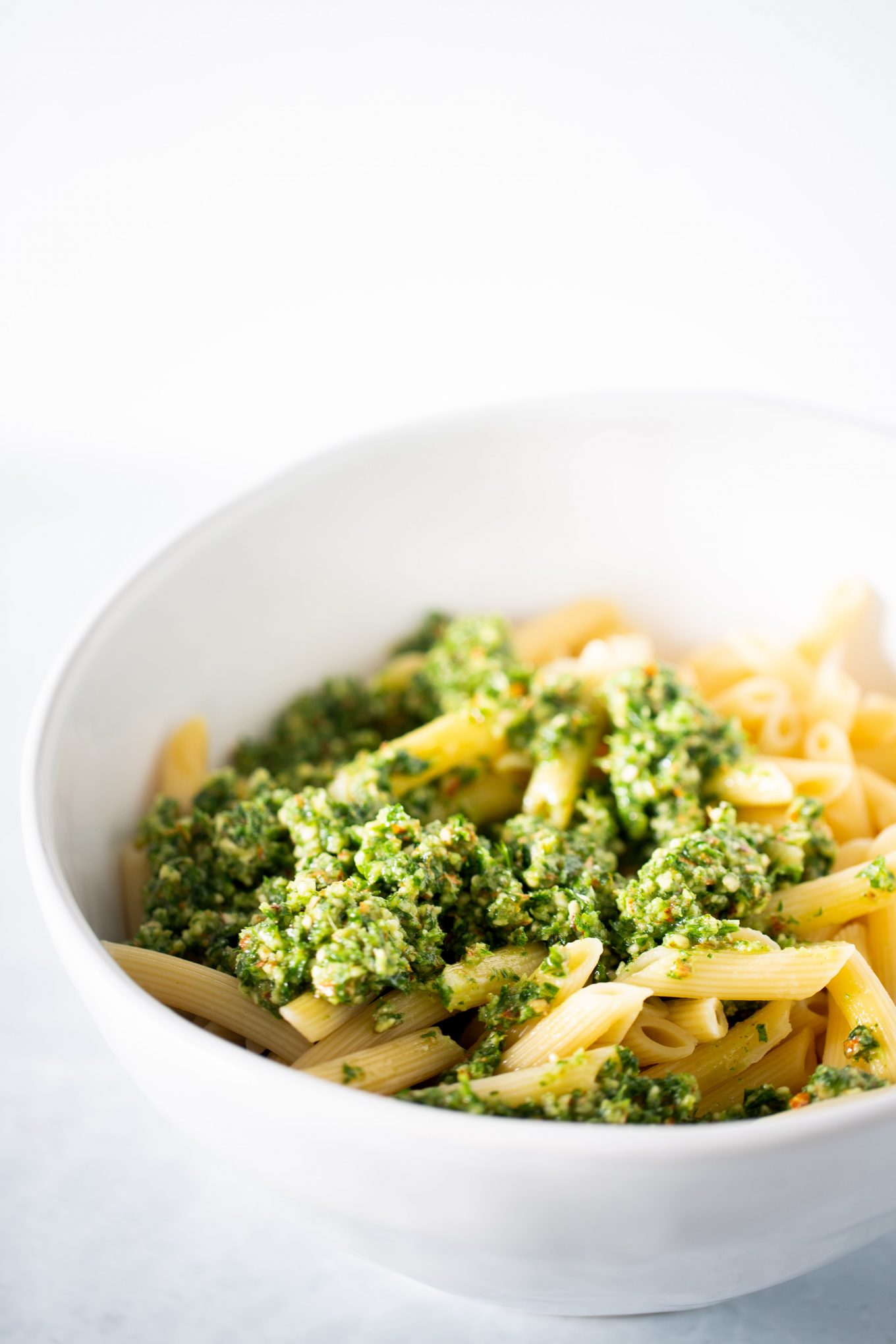
- Final Integration: The pesto is never subjected to direct heat in a hot skillet, as high temperatures would dull the vibrant green color of the herbs and degrade the fresh flavor profile of the mint. Instead, the pasta is tossed with the pesto off the heat, utilizing the reserved starchy water to emulsify the olive oil and create a glossy, cohesive sauce that adheres uniformly to each piece of pasta.
Storage, Preservation, and Commercial Scalability
The logistical management of fresh herb-based sauces often presents preservation challenges due to oxidation, which causes bright green chlorophyll to darken upon prolonged exposure to air. Culinary testing indicates that finished mint-and-almond pesto can be stored safely in airtight glass containers within refrigeration for up to four days, provided it is sealed beneath a protective thin layer of extra-virgin olive oil to block oxygen contact. For long-term preservation, the mixture can be portioned into ice cube trays and frozen for up to three months, allowing individual servings to be thawed rapidly for future meals.
Industry experts observe that recipes of this nature align closely with broader consumer trends favoring meal-prepping efficiency, reduced food waste, and home-based scratch cooking. As grocery shoppers increasingly seek out versatile, multi-purpose condiments that can double as spreads for sandwiches, marinades for roasted vegetables, or dressings for grain bowls, herbal pestos have transitioned from seasonal novelties to staples of modern pantry management.
Broader Economic and Gastronomic Impact
The rising popularity of specialized plant-based recipes underscores a fundamental shift in cookbook publishing and culinary media. Digital platforms and food journalism outlets now prioritize content that marries speed with sophistication, reflecting the time constraints faced by contemporary working households. By offering adaptable substitution frameworks—such as swapping almonds for pine nuts, walnuts, or pistachios, or replacing mint with traditional basil—such recipes empower consumers to utilize on-hand pantry inventory, thereby mitigating food waste and lowering household food expenditures.
As culinary boundaries continue to blur, the integration of unexpected herbaceous and spicy notes into classic Italian pasta preparations demonstrates the enduring adaptability of global comfort food. Through thoughtful ingredient pairing and modern kitchen technology, traditional techniques are successfully preserved while evolving to meet the health, ethical, and temporal demands of twenty-first-century consumers.
Related posts: