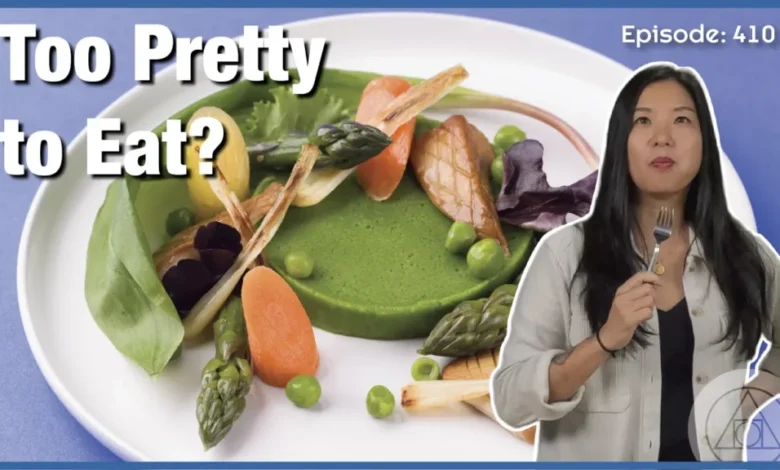
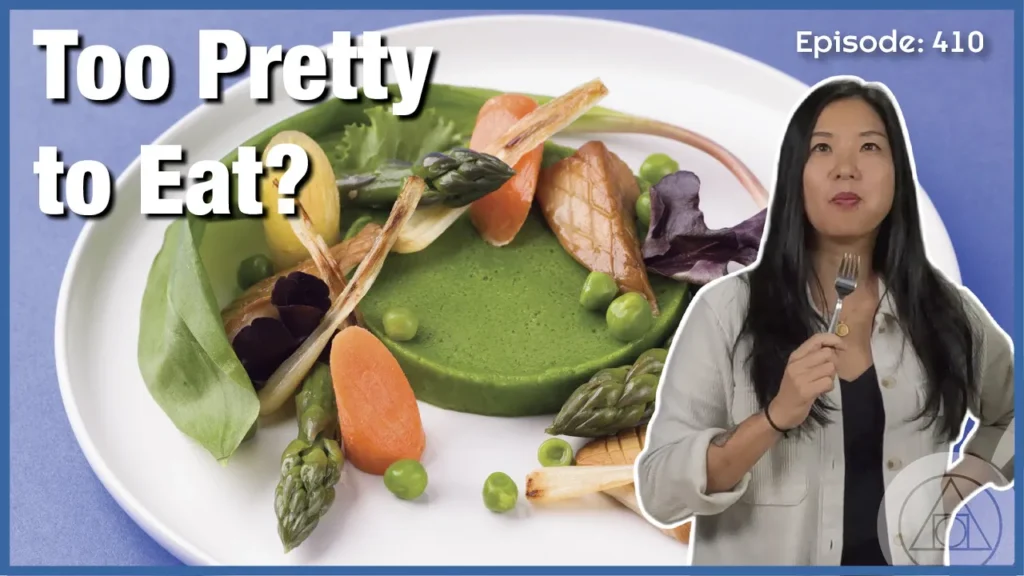
The evolution of modernist cuisine has long sought to challenge the conventional boundaries between dessert and savory courses, and the latest iteration from the educational series We Transform Food (WTF) pushes this paradigm shift into the realm of seasonal vegetable preparations. In episode 410, the production team explores the technical application of hydrocolloids to create a savory spring pea panna cotta, effectively transforming a traditional Italian dairy-based dessert into a sophisticated, plant-based vegetable composition. By utilizing specialized ingredients typically reserved for laboratory-style cooking, the recipe seeks to redefine the textural profile of the salad course.
The Technical Composition of Modernist Vegetables
At its core, panna cotta—literally translated as "cooked cream"—relies on the coagulation of dairy proteins and fats through the use of gelatin. The modern culinary approach demonstrated in the episode substitutes these traditional components with vegan-friendly stabilizers. Achieving the desired "silky" mouthfeel without the use of animal products requires a precise understanding of gel strength and melting points.
The use of spring peas serves a dual purpose: providing the necessary sugar content for balance and contributing natural chlorophyll for a vibrant, aesthetically significant color profile. When blended and strained, the pea puree acts as the primary flavor vehicle, while the hydrocolloids ensure that the structural integrity of the "cream" remains stable even when paired with room-temperature or warm vegetable accompaniments. This method reflects a broader trend in high-end gastronomy where the focus shifts from the ingredient itself to the manipulation of its physical state to surprise the palate.
Chronology of Culinary Modernism
The movement toward "deconstructed" or "transformed" food, which the WTF series highlights, has its roots in the late 20th-century experimentation pioneered by chefs such as Ferran Adrià and Heston Blumenthal. The timeline of this movement can be traced through several distinct phases:
- Late 1990s (The Experimental Phase): The introduction of molecular gastronomy to the mainstream, focusing on foams, spheres, and gels.
- 2005–2010 (The Diffusion Phase): The democratization of specialty ingredients. Suppliers like Modernist Pantry began making emulsifiers, stabilizers, and thickeners available to home cooks and small-scale professional kitchens.
- 2015–Present (The Integration Phase): A shift away from "theatrical" cooking toward subtle, flavor-forward applications where the technology is invisible, serving the dish rather than distracting from it.
The current focus on savory panna cotta represents the maturity of this phase. Rather than using chemicals to create shock value, the objective is to refine the texture of a vegetable-heavy dish to make it more palatable and visually striking.
Supporting Data and Ingredient Science
The application of hydrocolloids such as agar-agar, kappa-carrageenan, or locust bean gum is critical to this preparation. Unlike gelatin, which melts at body temperature and provides a "soft" set, these plant-based alternatives offer higher heat stability and a cleaner release of flavor on the tongue.
According to food science data, the inclusion of pea protein—when treated with modern stabilizers—provides a stable emulsion that mimics the viscosity of heavy cream (which typically contains 36-40% milk fat). By removing the fat-based "coating" effect of dairy, the palate is better positioned to perceive the subtle, delicate notes of spring vegetables like asparagus and fresh herbs. The reduction in fat also changes the nutritional profile, shifting the dish from a calorie-dense dessert to a nutrient-dense appetizer.
Industry Implications and Culinary Perspectives
The shift toward vegan, technology-driven savory courses has significant implications for professional kitchens. As consumer demand for plant-based alternatives increases, chefs are under pressure to move beyond simple meat substitutions toward dishes that stand on their own merit.
"When we look at the intersection of seasonal produce and modernist technique, we are looking at a way to extend the culinary lifecycle of a vegetable," notes an industry analyst familiar with the WTF series. "By treating a pea with the same technical rigor once reserved for pastry, you aren’t just making a salad; you are making a statement about the versatility of produce."
Reaction from the culinary community regarding this technique has been largely positive, particularly among those who emphasize the "cleanliness" of flavor. By stripping away the heavy fats associated with traditional panna cotta, the kitchen allows the natural terroir of the spring harvest to take center stage. Critics of the method, however, argue that the reliance on lab-derived additives may alienate traditionalists who prioritize "farm-to-table" purity over technical manipulation.
Broader Impact on Home Gastronomy
The educational model championed by Modernist Pantry and the WTF series serves as a bridge between the high-tech laboratory and the home kitchen. By documenting the failure and success of these experiments, the series provides a framework for amateur cooks to engage with food science.
The broader impact of this accessibility is a shift in the standard of home dining. Ingredients that were once considered obscure—such as xanthan gum or sodium alginate—are now frequently found in the pantries of home cooking enthusiasts. This democratized access to food science means that the "restaurant experience" is increasingly reproducible in domestic settings, a trend accelerated by digital platforms like YouTube, where visual documentation allows for the rapid dissemination of complex techniques.
Analytical Outlook
The "Spring Pea Panna Cotta" represents more than a recipe; it is a case study in the current state of culinary evolution. As the industry looks toward the next decade, the focus is likely to remain on the integration of sustainable, plant-based proteins with the textural possibilities offered by hydrocolloids.
The implications for the food supply chain are also notable. By finding new ways to utilize surplus seasonal produce through preservation and transformation, the culinary world can mitigate waste. Transforming a crop of peas into a stable, long-lasting panna cotta base is an example of value-added production that can be scaled from a kitchen to a food-processing facility.
Ultimately, the technical achievements showcased in episode 410 of the WTF series underscore a fundamental truth in modern cooking: the most effective transformation is one that serves a specific purpose—be it aesthetic, structural, or sensory. By applying the principles of panna cotta to the savory profile of a spring salad, the producers have effectively demonstrated that the "modernist" label is not about removing the soul of the food, but about using the tools of the modern era to articulate that soul more clearly.
As the series continues its weekly exploration, it remains a vital touchstone for those looking to understand the mechanics behind the meal. Whether through the lens of a professional chef or a curious home cook, the intersection of science and sustenance continues to be the most fertile ground for innovation in the culinary arts. The spring pea panna cotta serves as a hallmark of this evolution, inviting viewers to reconsider the definition of a salad and the potential of the ingredients they take for granted.