The Evolution of the Modernist Salad
The concept of the salad has undergone a significant transformation over the last decade. Historically defined by raw, leafy greens dressed with acidic components, the contemporary culinary landscape—particularly within fine dining and modernist spheres—has pivoted toward "composed" salads. These dishes prioritize temperature contrast, texture, and structural integrity over the standard toss-and-serve method.
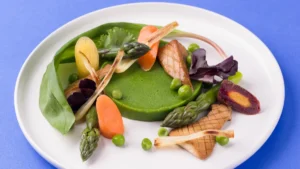
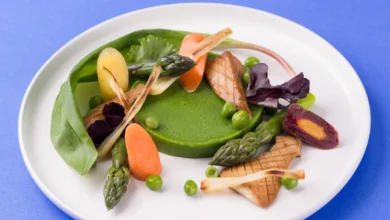
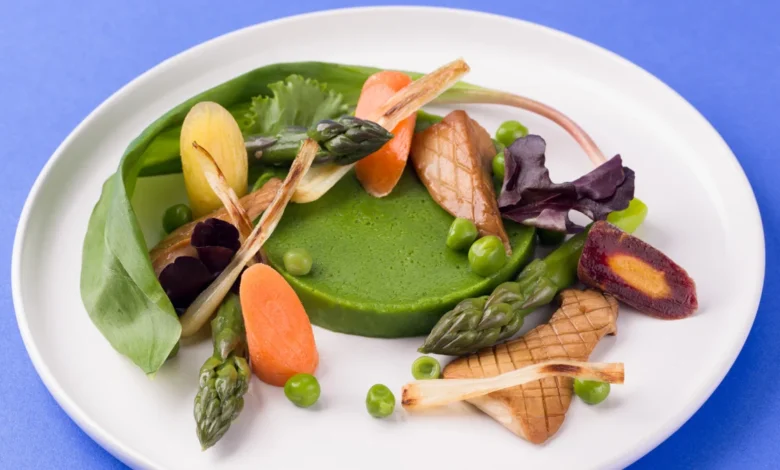
The Spring Pea Panna Cotta Salad is a direct evolution of this movement. By isolating the essence of spring peas and binding them into a custard-like form, chefs are able to create a base that acts as a canvas for other ingredients. This approach aligns with the rising consumer demand for "vegetable-forward" dining, where the plant itself is the protagonist, rather than a side dish or a decorative garnish.
Culinary Methodology and Technical Execution
Achieving the consistency required for a successful pea panna cotta requires an understanding of gelling agents, particularly those suited for vegan applications. Traditional panna cotta relies on bovine gelatin, which poses a barrier to plant-based diets. In a professional setting, the transition to carrageenan, agar-agar, or specialized gelling blends is essential to maintain the structural integrity of the pea puree while preserving its vibrant, chlorophyll-rich color.
The preparation timeline for this dish is approximately six hours, with one hour of active labor. The initial phase involves the high-speed blending of blanched spring peas to ensure a fine particulate size, which is critical for a smooth mouthfeel. Following this, the puree is strained to remove fibrous skins, a process that ensures the elegance of the final plate. The integration of a plant-based lipid, such as high-quality coconut cream or cashew-based emulsions, provides the necessary fat content to carry the delicate flavors of the peas.
The setting process is the most delicate stage. The mixture must be brought to a precise temperature—typically between 80°C and 90°C—to activate the gelling agents, then poured into molds and chilled. The six-hour cooling period is mandatory, as it allows the internal matrix of the panna cotta to set firmly enough to withstand the placement of heavy, crisp vegetables without collapsing.
The Chronology of Seasonal Integration
The timing of this dish’s popularity is tied to the agricultural cycle of the Northern Hemisphere. Spring peas (Pisum sativum) reach their peak sweetness in late April through early June. During this period, the sugar content of the peas is at its highest, as the conversion of starch to sugar is at a seasonal zenith.
- Phase 1: Procurement (Weeks 1–2 of the Season): Chefs source young, tender peas. At this stage, the peas are small and contain minimal starch, making them ideal for pureeing.
- Phase 2: Preparation (The Active Hour): The blanching and blending process is performed rapidly to lock in the bright green color, which is susceptible to degradation via oxidation.
- Phase 3: The Rest (6 Hours): The setting phase occurs in a temperature-controlled environment to ensure a uniform gel structure.
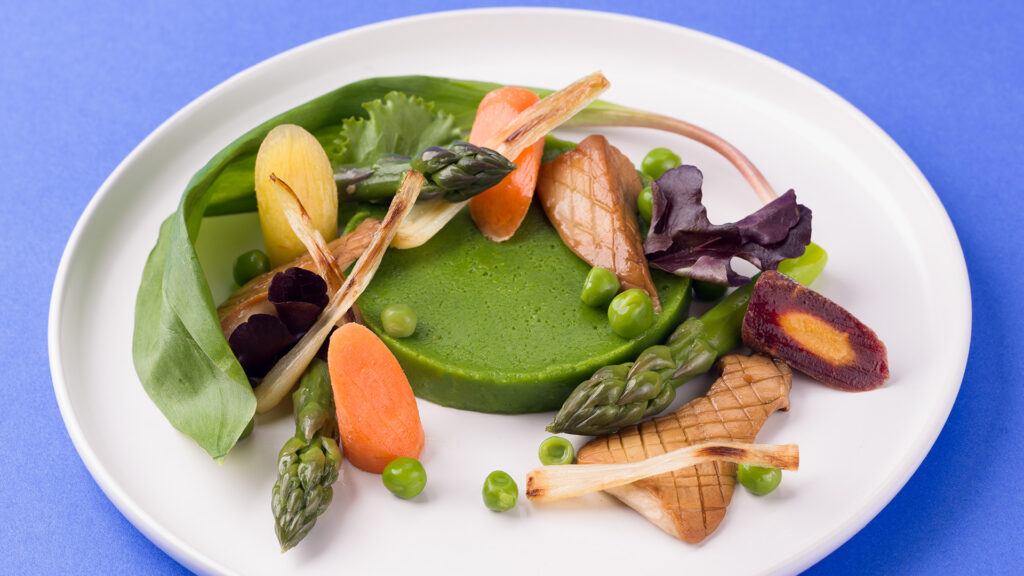
- Phase 4: Composition (Service): The panna cotta is un-molded and topped with fresh, raw elements like shaved asparagus, sautéed chanterelles, or pickled ramps, which provide the necessary contrast to the creamy base.
Nutritional and Economic Context
From a nutritional perspective, the Spring Pea Panna Cotta Salad serves as a dense source of plant-based proteins and essential vitamins. Peas are particularly rich in Vitamin K, Vitamin C, and fiber. When paired with mushrooms—which provide umami—and asparagus—which offers a slight bitterness—the dish creates a balanced nutritional profile that appeals to health-conscious diners.
Economically, this dish is highly efficient for commercial kitchens. Peas, when sourced in season, represent a low-cost ingredient that, through the application of modernist technique, can be elevated to a high-margin menu item. The "perceived value" of the dish is driven by the labor-intensive presentation and the complexity of the preparation, rather than the raw cost of the primary ingredients.
Analysis of Modernist Culinary Implications
The use of hydrocolloids in this dish reflects a broader industry trend toward "precision cooking." By using precise measurements (often down to the gram) for gelling agents, chefs can guarantee consistency across multiple service cycles. This is a critical factor for high-volume establishments that strive to maintain the quality of fine dining.
Furthermore, the shift toward vegan panna cotta demonstrates an industry-wide commitment to inclusivity. The removal of animal products from traditional dairy-heavy recipes does not necessarily result in a loss of flavor or texture; rather, it forces a re-evaluation of how to achieve creamy mouthfeel through plant-based fats and starches. This innovation has implications beyond the kitchen, influencing how commercial food producers develop plant-based alternatives for retail.
Reactions from the Culinary Community
Industry professionals note that the success of a dish like the Spring Pea Panna Cotta lies in its "visual harmony." In a recent roundtable discussion regarding seasonal menu planning, culinary directors emphasized that the modern diner consumes food with their eyes before the first bite is taken. The vibrant green of the pea base, contrasted against the earth tones of mushrooms and the bright, snap-like texture of asparagus, creates a visual shorthand for "freshness."
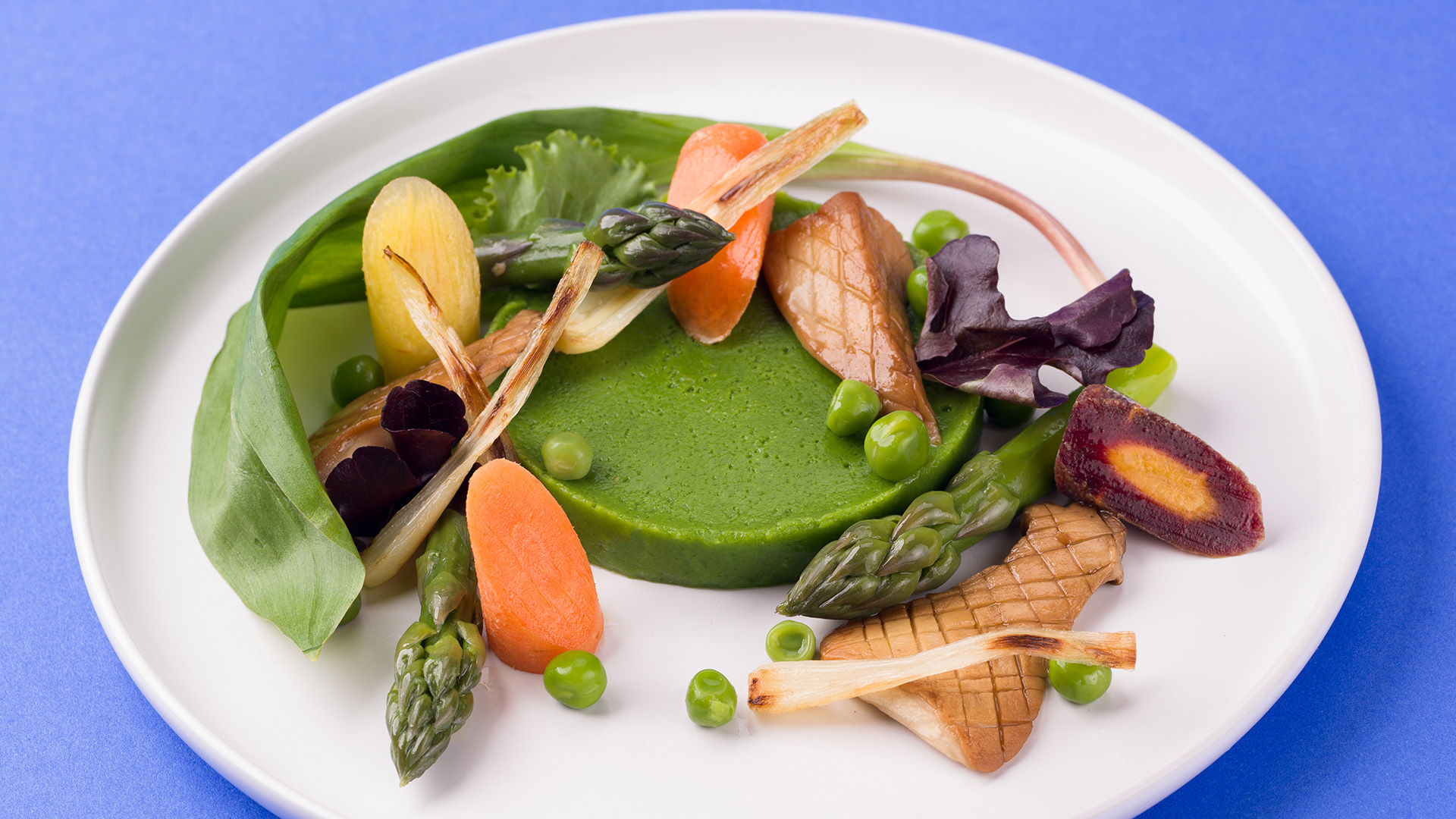
"The goal," noted one executive chef, "is to create something that feels like an extension of the garden. By using a panna cotta format, we aren’t just serving vegetables; we are serving an experience of the season that is texturally complex."
Future Outlook and Broad Impact
As the hospitality industry continues to face labor shortages and rising food costs, the movement toward dishes that require "active time" but allow for "passive setting" is expected to grow. This dish is a prime example of efficient menu engineering. It allows the kitchen brigade to prepare the foundational elements during slower hours of the day, ensuring that service is seamless during peak dinner hours.
The broader impact of such recipes is the democratization of modernist techniques. Once reserved for high-end laboratories or three-Michelin-starred establishments, the knowledge of how to manipulate texture using vegan hydrocolloids is becoming standard curriculum in culinary schools and home-cooking enthusiast circles. This trend is likely to continue, as the barrier to entry for modernist equipment—such as precision scales and high-speed immersion blenders—continues to fall.
In summary, the Spring Pea Panna Cotta Salad is not merely a recipe; it is a manifestation of contemporary culinary values. It balances the urgency of the harvest season with the technical patience required for precision dining. As it gains traction, it will likely serve as a benchmark for how chefs can transform simple, seasonal, and plant-based ingredients into sophisticated, memorable culinary experiences. The dish remains a testament to the idea that innovation in the kitchen is not about replacing tradition, but about expanding the vocabulary of what a "salad" can be.