Culinary Science Resource Texture A Hydrocolloid Recipe Collection Prepares for Version 3 1 Update After Six Year Hiatus

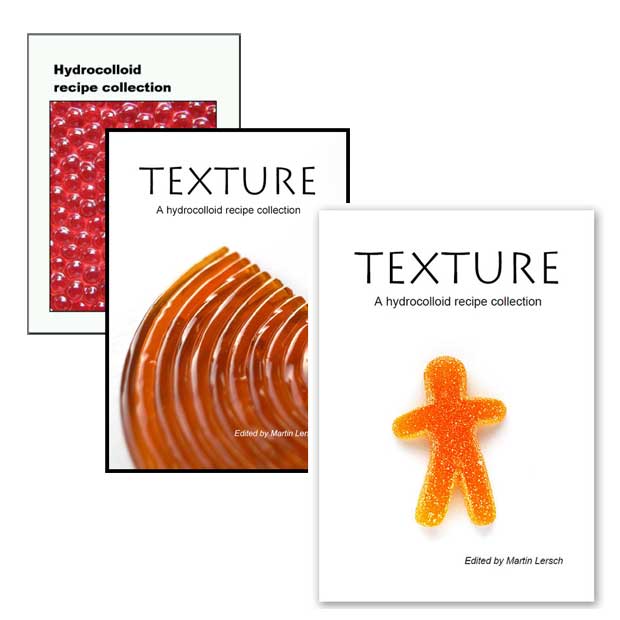
The definitive guide to modernist and molecular gastronomy texturing agents is officially preparing for its next developmental milestone. After a six-year hiatus since the publication of version 3.0 in 2014, the widely referenced digital publication Texture: A Hydrocolloid Recipe Collection is slated for an incremental update. The upcoming release, designated as version 3.1, aims to refine existing content, correct accumulated typographical errors, integrate user-submitted corrections, and incorporate modern culinary trends that have emerged over the past half-decade.
The announcement, released by the project’s curator, signals a collaborative effort to ensure the compendium remains a vital, accurate resource for professional chefs, food scientists, and home cooking enthusiasts alike. While the update is described as evolutionary rather than revolutionary—focusing primarily on polishing existing material rather than overhauling the core framework—it represents a significant maintenance milestone for one of the internet’s most enduring open-source culinary databases.
A Chronological Evolution of Culinary Textures
To understand the significance of the upcoming version 3.1 release, one must examine the publication history of the collection. The project first debuted in 2007 with version 1.0, a pioneering effort to democratize information regarding hydrocolloids—water-soluble polymers that impart gelation, thickening, stabilization, and emulsification properties to foods. At a time when modernist cooking techniques were largely confined to elite restaurant kitchens utilizing proprietary documentation, the release of Texture provided an accessible bridge between industrial food science and culinary arts.
Building upon the initial positive reception, the author released version 2.0 in 2008, expanding the recipe catalog and refining the categorization of various texturing agents derived from plants, algae, and microbial fermentation. The publication then entered a longer developmental cycle, culminating in version 3.0 in 2014. This major iteration streamlined the layout, improved cross-referencing between different gelling and thickening agents, and established the format that has persisted for the last six years. The upcoming version 3.1 continues this methodical timeline, maintaining the project’s reputation for careful, community-driven curation.
Community Engagement and Crowdsourced Quality Control
A cornerstone of the Texture collection’s longevity is its reliance on crowdsourced feedback from a global community of practitioners. The curator has emphasized that the transition from version 3.0 to 3.1 has been heavily guided by user input accumulated over the past six years. Although direct responses to individual submissions may have experienced delays, all contributions—ranging from errata notifications to testing logs—have been cataloged for integration.
The revision process places a strong emphasis on empirical validation. Users who have tested specific formulations and identified reproducibility issues are encouraged to submit their findings. Furthermore, the update campaign includes a renewed call for photographic documentation. Historically, the presence of a verified photograph alongside a recipe serves as a primary indicator of successful practical testing. Guidelines for photographic submissions, originally outlined in dedicated blog posts and supplementary documentation within the text, direct contributors on how to submit visual evidence of successful recipe executions.
Addressing Gaps in the Hydrocolloid Spectrum
While the upcoming update will focus heavily on refinement, a concerted effort is underway to address notable omissions and underrepresented entries within the current catalog. Preliminary reviews of the text have highlighted specific hydrocolloids that currently lack robust culinary applications within the database.
Chief among these are guar gum, gum arabic, konjac, locust bean gum, and tara gum. Although these agents are widely utilized in commercial food manufacturing for their stabilizing and viscosity-controlling properties, their integration into home and modernist culinary repertoires varies significantly. The curator is actively seeking recipes that effectively demonstrate the diverse applications of these specific gums across a wide array of food systems.
Additionally, the collection maintains a strict editorial boundary regarding proprietary ingredients. Commercial preparations such as Ultra-Tex and Pure Cote (both specialized modified starches) as well as Trisol (a wheat fiber product) remain intentionally omitted due to their brand-specific nature. However, the curation team remains open to dialogue regarding novel or genuinely rare hydrocolloids that may have been accidentally overlooked during previous editorial cycles, ensuring the resource remains comprehensive without endorsing specific commercial trademarks.
Integration of Global Traditions and Modern Viral Trends
One of the most anticipated additions to version 3.1 is the expansion of the "non-hydrocolloid recipes" category. This section historically explores regional culinary traditions where distinct textures—such as gels and custards—are achieved through intrinsic biochemical reactions rather than the addition of isolated, refined hydrocolloids.
Existing entries in this category span global food cultures, including dairy-based gels like Junket and Cuajada, starch- and protein-based regional specialties such as ginger milk custard, Aiyu jelly, grass jelly, tofu, and hominy, as well as specialized seafood sauces. By cataloging these traditional methods alongside modern hydrocolloid applications, the collection provides valuable context demonstrating that the manipulation of food texture is an ancient culinary pursuit predating modern food science.
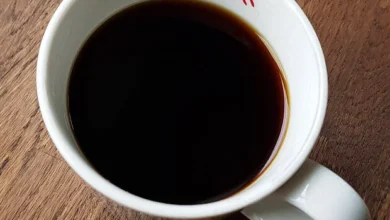
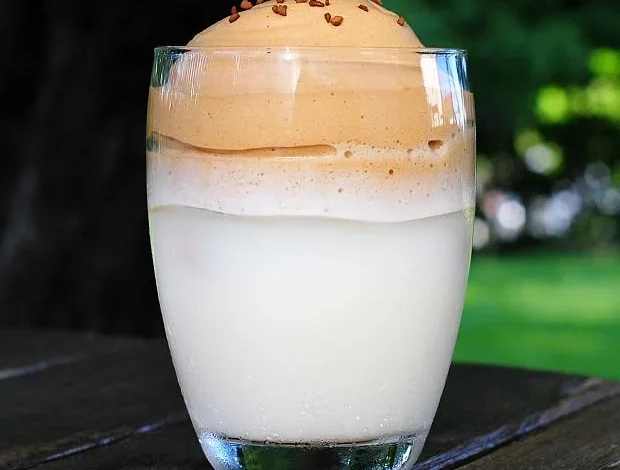
Bridging the gap between traditional techniques and contemporary digital culture, the update will also formally incorporate the Dalgona coffee foam. The whipped beverage phenomenon, which achieved unprecedented viral status across global social media platforms during the spring of 2020, relies on the rapid incorporation of air into a concentrated mixture of instant coffee, sugar, and hot water. Its inclusion in version 3.1 underscores the publication’s commitment to acknowledging how modern domestic cooking techniques continuously intersect with physical chemistry.
Broader Implications for Food Science and Culinary Education
The continued maintenance of open-access educational resources like Texture carries notable implications for culinary education and the democratization of food science. As modernist techniques transition from high-end gastronomic laboratories into everyday cooking environments, reliable, peer-reviewed reference materials become increasingly essential.
By systematically categorizing hydrocolloids based on parameters such as thermal reversibility, syneresis, clarity, and mouthfeel, the collection empowers culinary professionals and hobbyists to innovate with precision. The forthcoming release of version 3.1 ensures that this foundational knowledge base remains up to date, addressing both the evolving technological landscape of modern kitchens and the enduring principles of traditional culinary arts.
Submissions and Future Outlook
The open call for contributions to Texture version 3.1 remains active. Culinary professionals, food scientists, and enthusiastic home cooks possessing tested recipes, photographic evidence, or documentation of regional gelling phenomena are invited to submit their materials directly to the project’s designated communications channels. As the final editorial reviews approach, the release of version 3.1 is expected to further solidify the collection’s status as an indispensable, community-driven cornerstone of modern culinary literature.