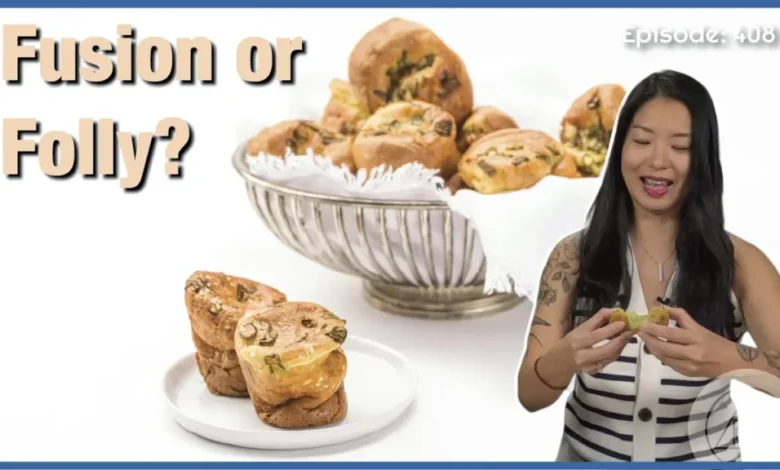
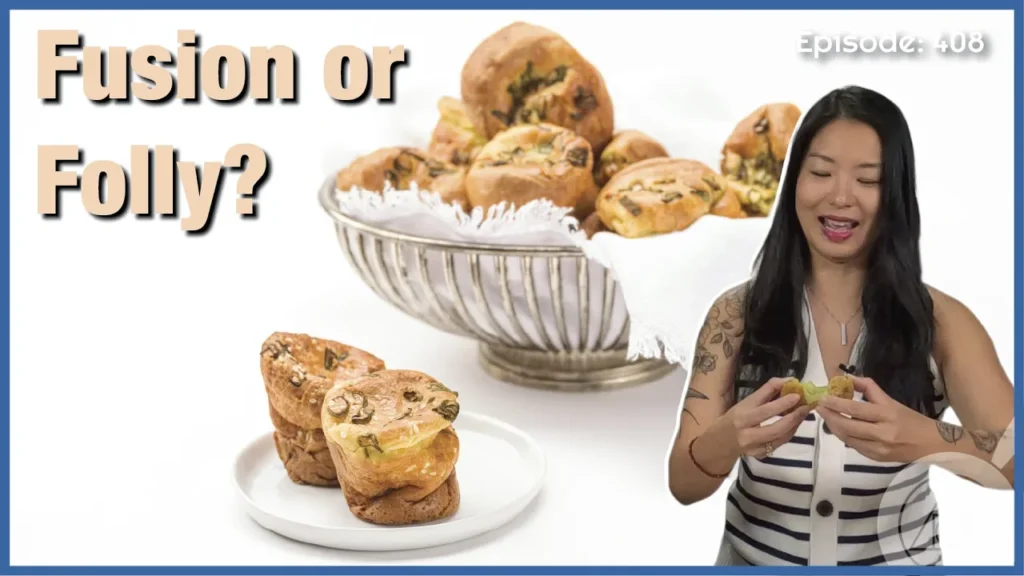
The intersection of traditional culinary techniques and modern dietary requirements has long been a focal point of gastronomic innovation, and the latest development in this space—the scallion pancake popover—represents a significant shift in how home cooks approach labor-intensive ethnic staples. By merging the structural integrity of the British Yorkshire pudding with the flavor profile of the Northern Chinese scallion pancake (cong you bing), the culinary series "We Transform Food" has introduced a method that eliminates the traditional necessity for pan-frying and gluten-heavy wheat doughs. This fusion highlights an ongoing trend toward "effortless" ethnic cooking, where time-consuming stovetop methods are replaced by high-heat oven techniques that yield consistent, repeatable results.
The Evolution of the Scallion Pancake
To understand the significance of this adaptation, one must look at the historical context of the traditional scallion pancake. Originating in Northern China, the scallion pancake is a savory, unleavened flatbread folded with oil and minced scallions. The process requires extensive kneading to develop gluten, followed by a precise rolling and folding technique to create the distinct flaky layers that define the dish. Traditionally, these are pan-fried in a generous amount of oil, a process that requires constant vigilance to ensure the exterior reaches a crisp, golden-brown state without burning the aromatics.
For decades, the scallion pancake has been a staple of street food culture. However, the rise of gluten-conscious dietary patterns and the modern home cook’s demand for convenience have created a barrier to entry. The traditional method is not only time-consuming but also relies heavily on the elasticity of wheat flour, which poses a significant hurdle for those avoiding gluten. The "Yorkshire pudding" approach—which utilizes the steam-leavening properties of a high-hydration batter—offers a functional solution to these long-standing obstacles.
Chronology of Modernist Culinary Adaptation
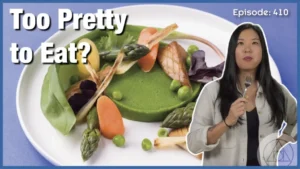
The "We Transform Food" initiative, managed by the Modernist Pantry, has been documenting the intersection of science and gastronomy for over 400 episodes. The development of the scallion popover follows a documented timeline of "kitchen hacking" that began in earnest during the early 2020s.
- Phase One: The Discovery of Steam-Leavening: Early experiments focused on adapting choux pastry techniques to savory Asian flavor profiles. By creating a batter that relies on the rapid evaporation of moisture, chefs discovered they could create hollow, crispy structures that mimic the "puff" of a Yorkshire pudding.
- Phase Two: The Integration of Aromatics: In the mid-development stage, engineers and chefs tested the integration of scallions and sesame oil into the batter. The challenge was maintaining the structural integrity of the popover while ensuring the oil content did not prevent the batter from rising.
- Phase Three: The Gluten-Free Pivot: The final iteration, showcased in episode 408, utilizes specialized starches to replace wheat protein. This allows for a structural matrix that holds the scallion pieces in suspension while the oven heat creates the characteristic crispy exterior.
Supporting Data: The Science of the Popover
The success of this recipe lies in the thermodynamics of the oven. A standard popover—and by extension, this scallion variant—requires a rapid temperature shift. When the batter hits a preheated pan, the liquid inside the batter turns to steam instantly. Because the batter is thick enough to hold the steam, the popover rises rapidly.
Data from controlled kitchen environments suggests that the internal temperature of a successful popover must reach approximately 200°F (93°C) to set the structure. Unlike a scallion pancake, which relies on the mechanical folding of dough, the popover relies on the "pop"—the expansion of air bubbles. From a nutritional perspective, this method significantly reduces the volume of oil absorbed by the dough. Traditional scallion pancakes can absorb anywhere from 15% to 25% of their total weight in frying oil; the popover method, which requires only a light coating of oil for the pan, reduces this fat content by roughly 60% to 70%.
Industry Analysis: The Shift Toward Hybridized Recipes
The emergence of this dish reflects a broader movement in the culinary industry known as "Hybridized Comfort." Culinary analysts observe that consumers are increasingly looking for ways to enjoy nostalgic, high-effort foods without the associated "time tax."
"What we are seeing," says a spokesperson from the food innovation sector, "is the democratization of complex flavors through scientific intervention. By stripping away the need for advanced dough-handling skills, the barrier to entry for cooking diverse international foods is lowered. This is not just a recipe; it is an optimization of a process."
The implications for this are twofold:
- Accessibility: Consumers with limited kitchen equipment—specifically those without high-end burners or space for rolling out dough—can now achieve similar textures and flavors.
- Health-Conscious Innovation: As the global demand for gluten-free options grows, the ability to replicate the "crunch" of wheat-based snacks using alternative starches becomes a competitive advantage for food media creators.
Broader Impact and Global Culinary Trends
The "Yorkshire Pudding in Chinatown" concept is part of a larger trend of "culinary cross-pollination." Over the last five years, social media platforms have accelerated the speed at which regional recipes are adapted and modified. While purists often argue that such adaptations strip a dish of its cultural heritage, sociologists studying food history suggest that this is a natural progression.
In the case of the scallion pancake, the dish has already traveled from its roots in Northern China to various iterations in Korea (pajeon) and Japan (negiyaki). The addition of the British-style popover technique is simply the latest chapter in a long history of culinary evolution. By moving from a stovetop-intensive process to an oven-based one, the recipe allows for the "batch production" of appetizers, making it more viable for hosting and social gatherings.
Future Implications for Home Cooking
As the industry looks toward the next phase of home cooking, the focus remains on "minimalist complexity"—dishes that present as sophisticated but require minimal active labor. The scallion popover serves as a case study for this trend. By utilizing basic kitchen staples—eggs, a starch blend, scallions, and oil—the recipe minimizes the need for specialty ingredients while maximizing the sensory payoff.
Looking ahead, it is likely that similar "popover-style" adaptations will be applied to other traditional flatbreads, such as the Indian paratha or the Middle Eastern pita. The scientific principle remains the same: provided the batter contains the correct ratio of protein (to provide structure) and starch (to provide crispness), the method is highly scalable.
For the home cook, the transition away from the stovetop represents a major shift in resource management. By eliminating the "flipping" requirement, the cook is freed from the stove, allowing for a more social and less labor-intensive preparation process. This development, while seemingly simple, highlights how a basic understanding of culinary physics can fundamentally change how we interact with traditional recipes, effectively bridging the gap between historical techniques and modern, high-speed lifestyles. The success of this specific recipe suggests that the future of "ethnic" home cooking lies not in replicating traditional methods exactly, but in capturing the essence of the flavor profile through the most efficient modern medium available.