Streamlining Household Management: The Resurgence of Structured Meal Planning and Generic Grocery Lists Amidst Modern Time Constraints

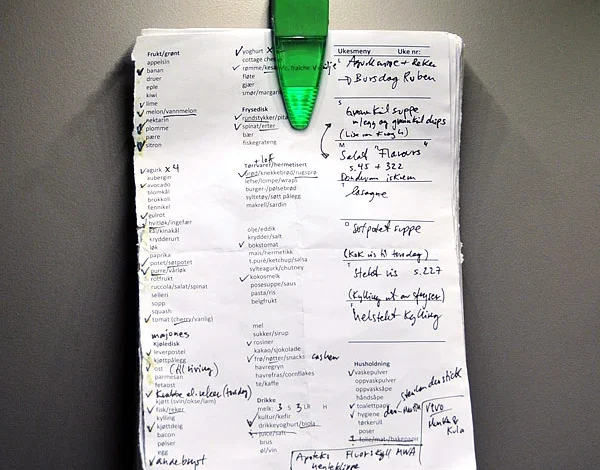
In an era defined by demanding schedules and increasing digital distractions, a growing number of individuals and families are rediscovering the tangible benefits of structured meal planning and the use of pre-compiled, generic grocery lists. This methodology, often overlooked in favor of ad-hoc shopping or digital solutions, is proving to be a highly effective strategy for optimizing time, reducing household expenditure, and promoting healthier eating habits. At its core, the approach involves a systematic weekly dinner plan paired with a reusable, categorized shopping list, often in a physical, paper format, tailored to individual family preferences and local supermarket layouts.
The Modern Predicament: Navigating the "Tidsklemma"
The concept of a "time squeeze," or "tidsklemma" as it is known in Norway, accurately encapsulates the prevailing challenge faced by many contemporary households. This phenomenon describes the perpetual feeling of having insufficient time to balance professional responsibilities, family obligations, personal well-being, and domestic duties. With the rise of dual-income households, longer working hours, increased participation in extracurricular activities for children, and the omnipresence of digital connectivity blurring the lines between work and leisure, the mental and physical bandwidth available for tasks like meal preparation has significantly diminished.
This scarcity of time often leads to reactive decision-making in food consumption, manifest in a greater reliance on convenience foods, restaurant takeaways, and pre-packaged meals. While these options offer immediate relief from the burden of cooking, they frequently come at a higher financial cost and can lead to less nutritious diets. A 2018 study published in the Journal of the Academy of Nutrition and Dietetics indicated that individuals who plan their meals tend to have higher dietary quality and a lower prevalence of obesity. The pressure to constantly innovate dinner ideas, coupled with the cognitive load of remembering every item needed from the grocery store, contributes to decision fatigue, exacerbating the "tidsklemma" and making the prospect of home cooking seem daunting. It is against this backdrop that the deliberate adoption of systematic planning emerges as a strategic countermeasure, offering a predictable framework that mitigates daily stress and reclaims valuable time.
The Strategic Shift: Embracing Structured Planning
The principle of pre-planning meals and compiling a comprehensive grocery list is not a novel concept; it has roots in traditional household management practices, particularly in times of scarcity or large family structures. However, its modern application has evolved, focusing on efficiency and adaptability rather than rigid adherence. The contemporary resurgence emphasizes the creation of a "generic list" – a master inventory of regularly purchased items, organized intuitively by food categories (e.g., dairy, produce, pantry staples) and, crucially, by the physical layout of one’s preferred supermarket.
This personalized approach transforms the weekly grocery run from a scavenger hunt into a streamlined operation. Instead of constructing a list from scratch each week, individuals can simply review their master list, ticking off necessary items and adding specific notations or non-standard purchases in designated spaces. This system, refined over years of practical use, accounts for the natural evolution of family tastes, dietary requirements, and seasonal availability, ensuring the list remains a dynamic and relevant tool. For instance, items frequently purchased when children are infants may gradually be removed as they grow, only to be replaced by new staples reflecting their changing appetites. This continuous refinement transforms the list into a living document, reflecting the current culinary landscape of the household.
The Anatomy of an Efficient Grocery List
An optimized generic grocery list is more than just a random compilation of items; it is a meticulously organized instrument designed for maximum efficiency. Its effectiveness stems from several key features:
- Categorization: Items are grouped logically by food type (e.g., fruits, vegetables, meat, dairy, dry goods, frozen, household supplies). This reduces mental effort and ensures no category is overlooked.
- Store Layout Alignment: A critical innovation is organizing categories and even individual items to match the physical flow of the shopper’s primary grocery store. This minimizes backtracking, saving considerable time and reducing the likelihood of missing items. A typical shopper might spend 40-60 minutes in a grocery store; optimizing the path can shave 10-15 minutes off this, which accumulates significantly over a year.
- Pre-populated Staples: The list contains all regularly purchased items, meaning the default state is comprehensive. Shoppers only need to deselect items they don’t need, rather than trying to recall everything they do need.
- Space for Customization: Ample blank space is provided for weekly additions, specific brand requests, quantities, or items not typically on the generic list. This flexibility ensures the list can accommodate special recipes, spontaneous cravings, or seasonal produce.
- Integrated Menu Planning: A dedicated section for the weekly menu directly links the shopping list to the planned meals. This serves as a powerful secondary reminder in the store, allowing a quick glance at the menu to trigger memories of specific ingredients that might have been overlooked. For instance, seeing "Pasta Carbonara" on the menu might remind a shopper they need pancetta, even if it wasn’t explicitly ticked off the generic meat list.
The development of such a list is an iterative process. It is compiled and adjusted over time, typically several years, to accurately reflect the unique consumption patterns, dietary preferences, and local market offerings of a family. This ongoing adaptation ensures its utility and relevance, distinguishing it from static, one-size-fits-all templates.
Paper Versus Pixels: A Deliberate Choice
In an age dominated by digital applications, the surprising preference for a physical, paper-based grocery list by proponents of this structured approach warrants examination. While numerous sophisticated grocery list apps offer features like cloud syncing, shared lists, voice input, recipe integration, and price comparison tools, advocates for paper argue for its distinct advantages:
- "Superb Resolution" and Overview: A physical A5-sized piece of paper offers a complete, immediate visual overview of the entire week’s menu and shopping list. This eliminates the need for scrolling or navigating between screens, reducing cognitive load and facilitating quick mental checks. The entire plan is laid out at a glance.
- Portability and Accessibility: A folded paper list easily fits into a pocket or wallet, requiring no battery, network connection, or screen unlocking. It is instantly accessible in any store environment.
- Tactile Interaction and Note-Taking: The act of physically ticking off items provides a satisfying sense of accomplishment. Furthermore, paper offers unparalleled flexibility for scribbling notes, making impromptu additions, or marking special deals directly on the list, even using the reverse side for overflow.
- Reduced Digital Distraction: Using a paper list avoids the temptation of phone notifications, emails, or other app distractions that can sidetrack a shopper in the middle of a store, leading to inefficiency or forgotten items.
- Archiving for Review: Printed copies can be easily archived. Periodically reviewing past lists allows for a quick assessment of consumption patterns, helping to identify items that should be added or removed from the generic master list based on current family needs. This feedback loop is crucial for the list’s continuous improvement.
While digital solutions offer undeniable conveniences, particularly for shared households or complex dietary requirements, the simplicity, immediate overview, and tactile nature of a paper list resonate strongly with those seeking to minimize digital fatigue and maximize efficiency in a core domestic task. This highlights a broader trend of individuals selectively opting for analog tools where they offer superior functionality or a more focused experience.
The Tangible Benefits: Economy, Health, and Well-being
The systematic adoption of meal planning and generic grocery lists yields a cascade of practical benefits that extend beyond mere convenience:
- Financial Savings: Planned shopping significantly reduces impulse purchases, which constitute a substantial portion of grocery bills for many households. Studies suggest that unplanned purchases can account for 20-30% of a typical shopping trip. By adhering to a pre-defined list, shoppers are less susceptible to marketing tactics and spontaneous cravings. Furthermore, meal planning helps reduce food waste, a major economic drain and environmental concern. The United States Department of Agriculture (USDA) estimates that approximately 30-40% of the food supply is wasted, much of which occurs at the household level. Planning ensures ingredients are purchased for specific meals, minimizing spoilage and discarded perishables.
- Improved Dietary Quality: When meals are planned in advance, there is a greater likelihood of incorporating a balanced variety of nutrients, fresh produce, and whole foods. This reduces reliance on processed foods, fast food, and unhealthy convenience options. Families are more likely to cook from scratch, leading to better control over ingredients, portion sizes, and cooking methods.
- Enhanced Time Efficiency: The initial investment of time in creating and refining a generic list and weekly meal plan is quickly recouped. Weekly grocery trips become faster and more focused, eliminating multiple trips to the store for forgotten items. The daily dilemma of "what’s for dinner?" is resolved in advance, freeing up mental energy and reducing decision fatigue during busy evenings.
- Reduced Stress and Mental Load: The "tidsklemma" is often characterized by a persistent feeling of being overwhelmed. By systematizing meal planning and grocery shopping, a significant source of daily stress is removed. Knowing what meals are planned and having all necessary ingredients on hand creates a sense of control and predictability, contributing to overall household harmony and mental well-being.
- Environmental Impact: Less food waste translates directly into a smaller carbon footprint, as the energy and resources used to produce, transport, and dispose of uneaten food are conserved. Conscious planning also encourages more thoughtful consumption patterns, potentially leading to fewer packaging materials and a greater appreciation for food resources.
Evolving Habits: Adaptability and Flexibility
While structured planning offers immense advantages, its success hinges on an inherent flexibility. The proponents of this method emphasize that strict adherence can be counterproductive, leading to burnout or abandonment. It is crucial to allow for deviations from the weekly dinner plan when circumstances dictate. Spontaneous invitations from friends, unexpected work demands, or simply a day of utter exhaustion might necessitate a departure from the planned meal, perhaps opting for a takeaway or a simpler, impromptu dish.
This adaptability is a vital component of sustainable meal planning. It prevents the system from becoming a source of rigidity and stress itself. The overarching goal is to cook more at home than would otherwise be possible, not to eliminate all external dining or convenience options. By recognizing that life is unpredictable, the system becomes a supportive framework rather than an inflexible rulebook. This pragmatic approach ensures long-term adherence and maximizes the benefits while maintaining a healthy balance.
Broader Implications for Contemporary Lifestyles
The growing interest in structured meal planning and generic grocery lists reflects a broader societal trend towards mindful consumption and the intentional management of personal resources – time, money, and health. In a world saturated with choices and information overload, individuals are increasingly seeking strategies to simplify complex aspects of daily life.
From a sociological perspective, this practice can foster greater family involvement in meal preparation, as the planning process itself can be a collaborative effort. Children can learn about nutrition, budgeting, and cooking skills, contributing to a more engaged and self-sufficient household. Economically, a widespread adoption of such practices could lead to subtle shifts in consumer behavior, with a greater emphasis on planned purchases and potentially less susceptibility to promotional strategies designed to encourage impulse buying.
Furthermore, in an increasingly digital world, the preference for analog tools like a paper list might signify a subtle pushback against constant connectivity and digital dependence. It represents a conscious decision to disengage from screens for certain practical tasks, embracing the tangible and immediate. This "back to basics" movement, focused on efficiency and simplicity, suggests that even in the most technologically advanced societies, fundamental, well-organized analog solutions continue to hold significant value for managing the complexities of modern life.
Ultimately, the humble generic grocery list, paired with a well-considered meal plan, stands as a testament to the enduring power of organization and foresight. It is a practical, customizable tool that empowers individuals to navigate the "tidsklemma" with greater ease, fostering healthier habits, financial prudence, and a renewed appreciation for the art of home cooking. Those interested in adopting this methodology can often find downloadable templates, provided by practitioners, to serve as a customizable starting point for their own unique household management system.