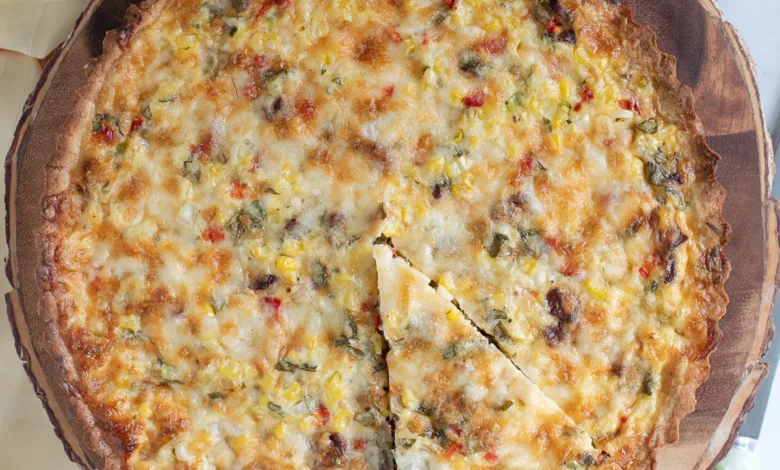
The culinary landscape of the late summer season often centers on the abundance of fresh, sweet corn, a staple ingredient that bridges the gap between simple produce and sophisticated home cooking. A recently developed recipe for a corn quiche, featuring a distinct cornmeal-infused crust, offers a departure from traditional, egg-heavy quiches by prioritizing vegetable-forward textures and a balanced, savory profile. By utilizing a lighter custard base, this preparation method elevates the inherent sweetness of fresh corn while incorporating the sharp heat of jalapeños and the aromatic quality of fresh basil.
Culinary Evolution and Technical Composition
Traditional quiche, originating from the Lorraine region of France, is characterized by its custard-based filling—a mixture of cream, eggs, and cheese—poured into a pastry shell. While the classic version remains a brunch staple, modern gastronomy has trended toward "vegetable-first" compositions that reduce the density of the egg component. The corn quiche in question represents this shift.
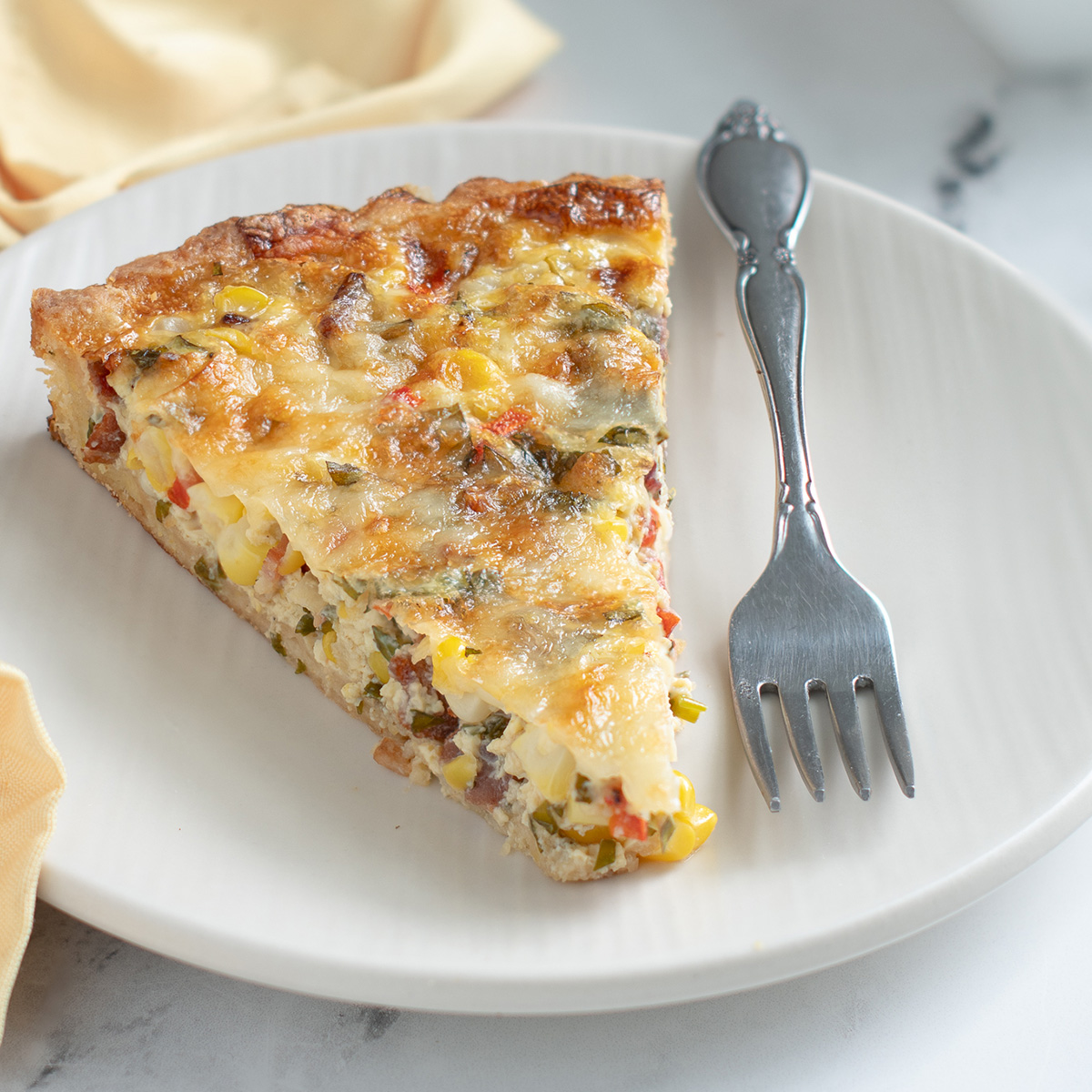
Technically, the recipe relies on a cornmeal-based dough, which provides a crumbly, rustic texture that complements the sweetness of the corn kernels. The custard is treated not as the primary volume of the dish, but as a structural binding agent. This technical adjustment ensures that the final product maintains a "tart-like" integrity rather than a soufflé-like fluffiness. According to culinary testing, this balance is critical to preventing the watery consistency that often plagues vegetable-heavy quiches.
Chronology of Preparation and Implementation
Achieving the desired consistency requires a disciplined approach to preparation. The process, which demands approximately 45 minutes of active kitchen time, is divided into three distinct phases: dough formation, par-baking, and final assembly.
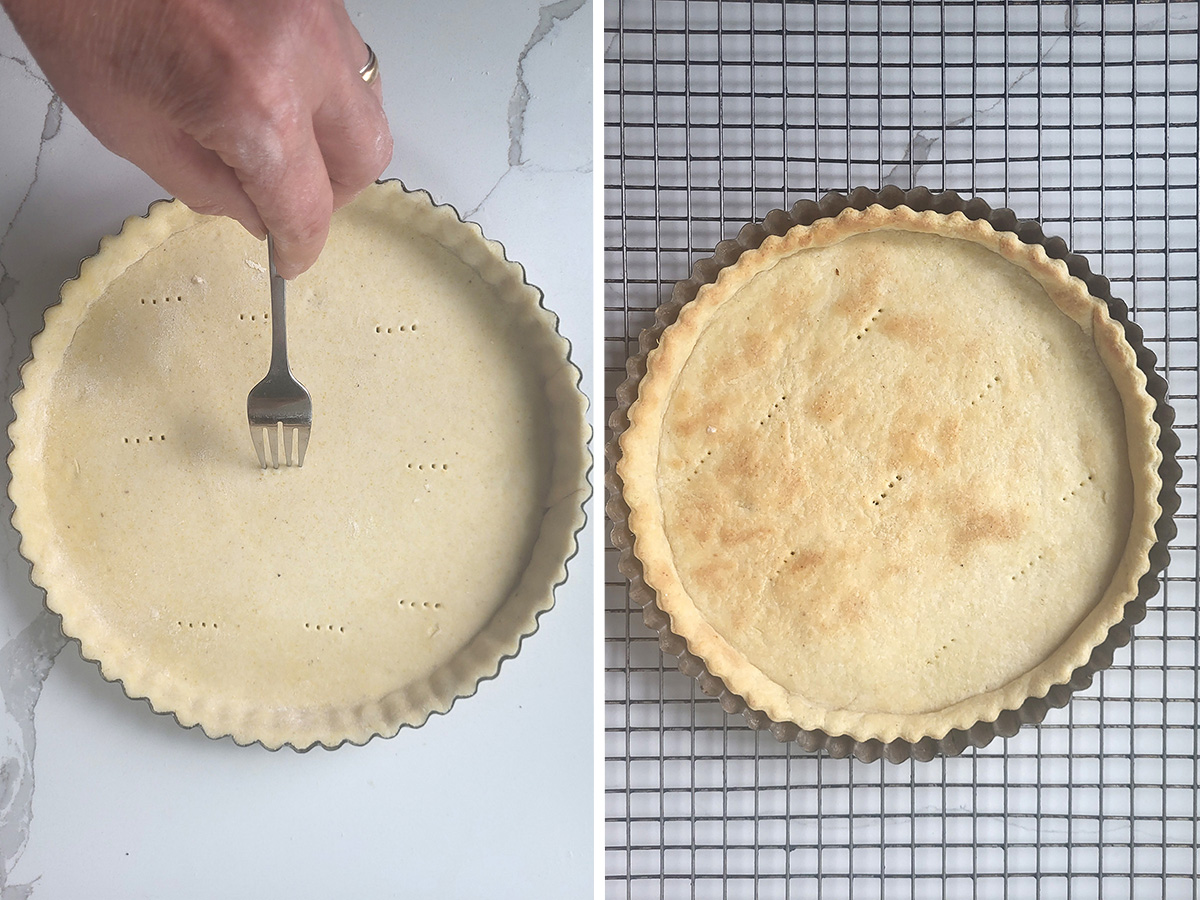
- Phase One: The Crust. The dough is crafted by incorporating cornmeal into a standard pie crust base. This step is essential for flavor development. If prepared using a standard 9-inch pie plate rather than a traditional fluted tart pan, it is mandatory to utilize pie weights or dried beans during the par-baking stage. This prevents the edges of the dough from collapsing, a common technical failure in home baking.
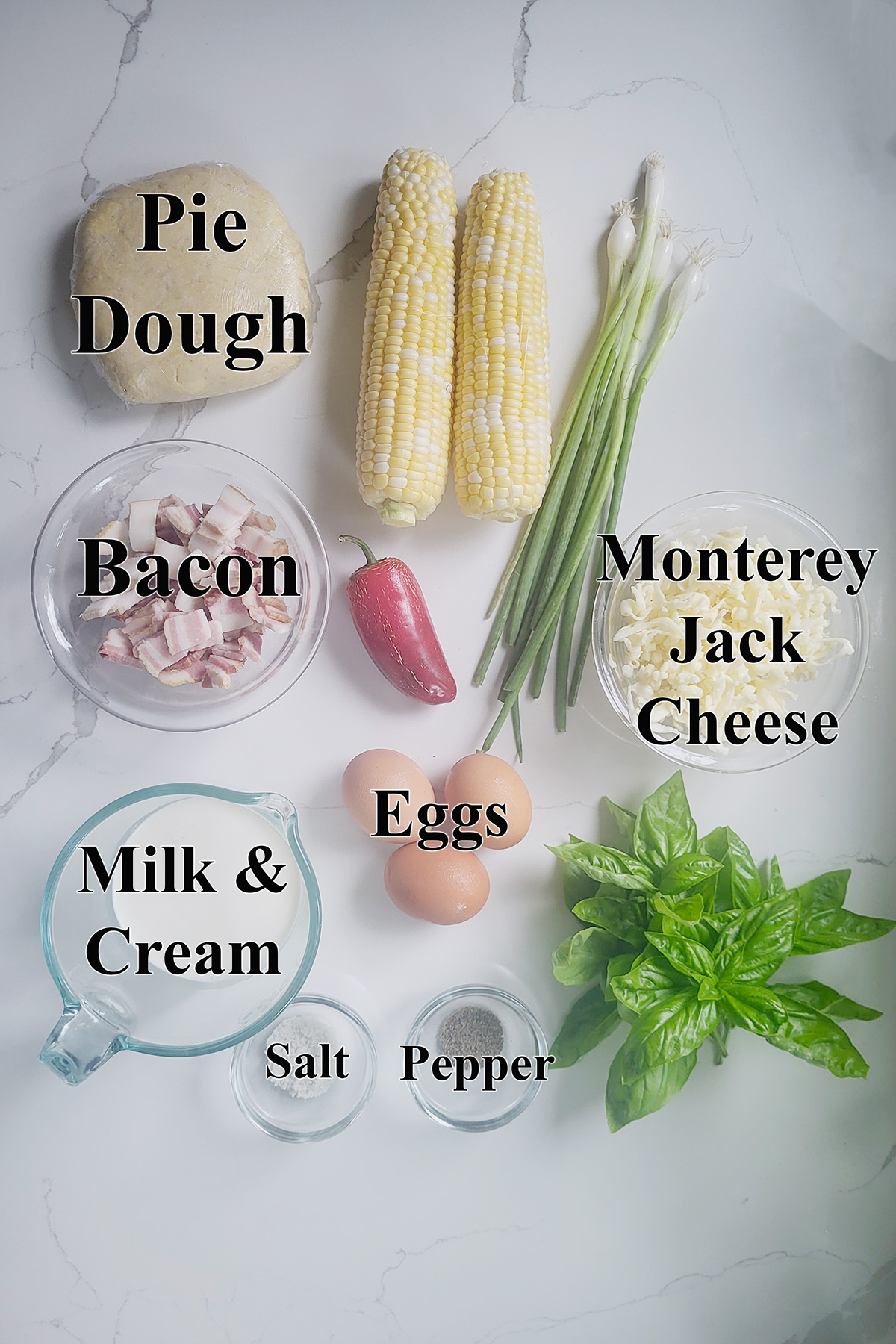
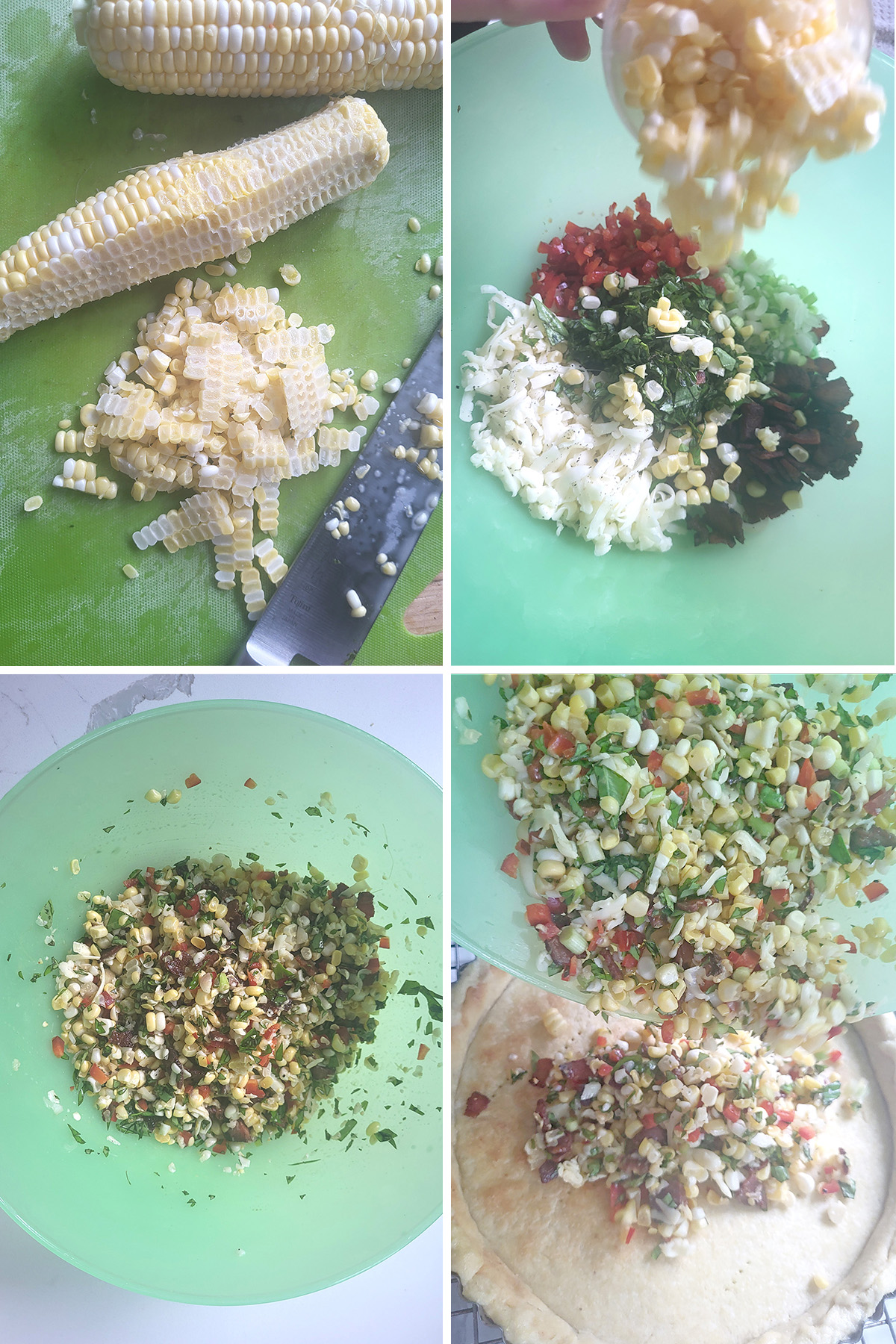
- Phase Two: The Filling. The filling involves a precise combination of fresh corn kernels, finely diced jalapeños, and fresh basil leaves. The inclusion of Monterey Jack cheese provides a mild, creamy melt that does not overwhelm the delicate flavor of the corn.
- Phase Three: Binding and Baking. Once the vegetable medley is distributed within the par-baked crust, the custard—a mixture of eggs, cream, and seasoning—is poured over the top. The entire assembly is baked until the center is set but remains slightly tremulous, ensuring the custard does not overcook into a rubbery texture.
Nutritional Profile and Dietary Implications
An analysis of the nutritional data reveals a balanced profile suitable for a light meal. Each serving, based on a six-slice yield, contains approximately 286 calories. The carbohydrate count is notably low at 8 grams per serving, while the protein content, derived primarily from the egg and cheese components, sits at 12 grams.
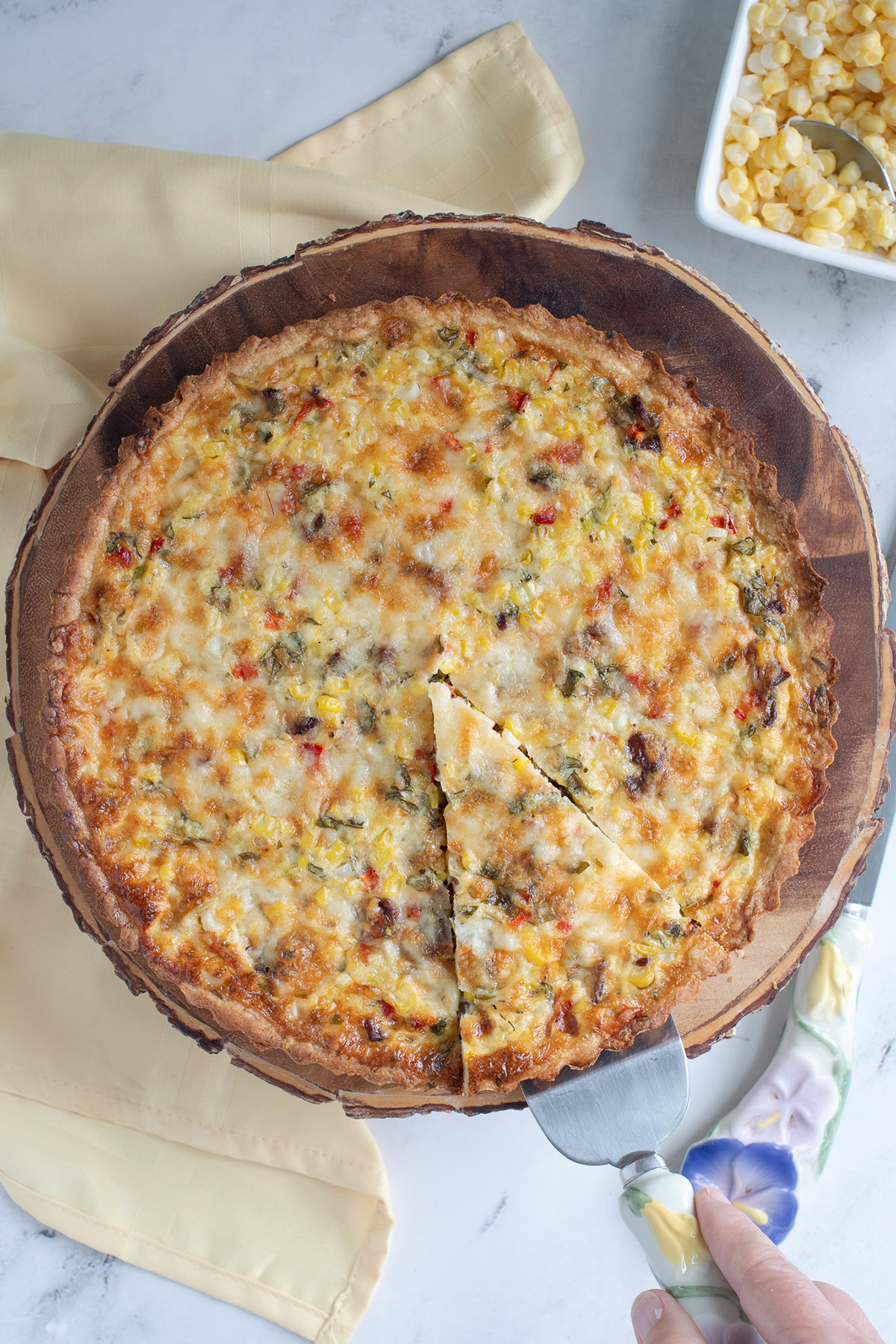
The sodium content, measured at 676 milligrams per serving, is largely influenced by the cheese and the salt content in the crust. For individuals monitoring cardiovascular health or hypertension, the recipe offers flexibility; for instance, the amount of salt added to the crust can be reduced, or low-sodium cheese varieties can be substituted without compromising the structural integrity of the tart. Furthermore, the reliance on fresh vegetables provides essential micronutrients, including Vitamin A and C, contributing to a more nutritionally dense profile than traditional high-fat pastry dishes.
Adaptability and Substitutions in Modern Cooking
A significant factor in the recipe’s appeal is its versatility. The transition from fresh corn to frozen corn is a viable option for off-season preparation, provided the corn is thoroughly thawed and patted dry to remove excess moisture. Excess moisture is the primary cause of soggy crusts in vegetable quiches.
The heat profile of the dish can be adjusted with ease. The use of jalapeños offers a moderate Scoville heat, but for those seeking a milder palate, half of a small bell pepper acts as an effective substitute. This adaptability allows the dish to serve as a baseline for various flavor profiles, ranging from smoky (using roasted poblano peppers) to sharp (using aged cheddar or gruyère).
Storage and Preservation Protocols
Food safety and texture preservation are critical considerations for baked goods containing dairy and eggs. The quiche should be allowed to cool completely on a wire rack before being transferred to a refrigerator, where it can be stored for up to 48 hours.
For longer-term storage, the quiche can be frozen for up to one month. To maintain the structural integrity of the crust, it is recommended that the quiche be reheated in a low-temperature oven—ideally around 200°F (93°C)—rather than a microwave, which tends to soften the pastry and cause the custard to weep.
Broader Context: The Rise of Savory Tarts
The increased interest in savory tarts like this corn-based iteration reflects a broader shift in consumer preferences toward "whole-food" dining. As urban markets and agricultural programs emphasize the importance of seasonal eating, recipes that showcase a single, high-quality ingredient—such as sweet corn—have gained prominence in professional and home kitchens alike.
Industry experts observe that consumers are increasingly looking for ways to utilize seasonal produce in formats that are suitable for both lunch and dinner. By moving away from the traditional, heavier breakfast associations of quiche, chefs are repositioning the dish as a centerpiece for summer gatherings and light evening meals.
Expert Analysis of Trends
The "more veggie, less eggy" approach is not merely a culinary preference but a reflection of a growing demand for lighter, nutrient-dense meals. By reducing the volume of the egg custard, the dish highlights the natural textures of the vegetables, which are often masked in more traditional recipes. This trend is consistent with current health-conscious dining patterns that favor fiber and fresh produce over heavy dairy-based preparations.
Furthermore, the inclusion of a cornmeal crust indicates a return to regional cooking techniques. Cornmeal, a traditional staple in American southern and Midwestern cooking, adds a depth of flavor and a crispness that traditional white flour crusts lack. The combination of these elements—sweet corn, spicy jalapeños, and the grit of the cornmeal crust—creates a complex sensory experience that is far more sophisticated than a standard breakfast quiche.
Conclusion: A Staple for the Seasonal Kitchen
The corn quiche, with its careful balance of flavor, texture, and nutritional value, represents an effective synthesis of traditional baking techniques and modern dietary preferences. Whether served at room temperature during a summer brunch or warmed as a light dinner, the dish demonstrates the utility of seasonal, readily available ingredients. As culinary enthusiasts continue to prioritize flexibility and freshness, recipes that offer such clear, adaptable structures will likely remain a cornerstone of the home kitchen repertoire. Through disciplined preparation and attention to technical detail, this savory tart serves as a testament to the value of simplicity in elevated home cooking.