The Evolution of Culinary Efficiency: Why No-Bake Desserts Are Defining the Modern Summer Kitchen

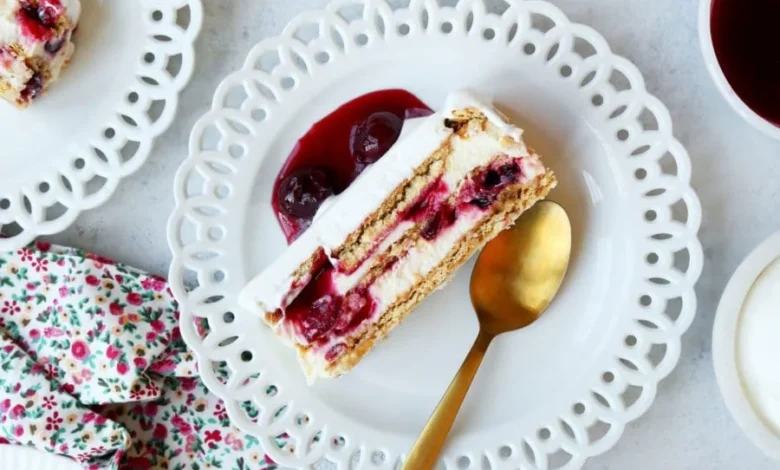
As seasonal temperatures climb, the culinary industry has observed a significant shift in consumer behavior, moving away from high-heat oven reliance toward advanced, temperature-controlled refrigeration techniques. By mid-June, data from home cooking metrics indicates a sharp decline in the use of conventional ovens, a trend largely attributed to rising ambient temperatures and an increased emphasis on energy efficiency within the domestic kitchen. This pivot toward "icebox" preparation methods—desserts that rely on the cooling capacity of refrigeration rather than the thermal energy of an oven—represents a fusion of traditional culinary practices and modern convenience.
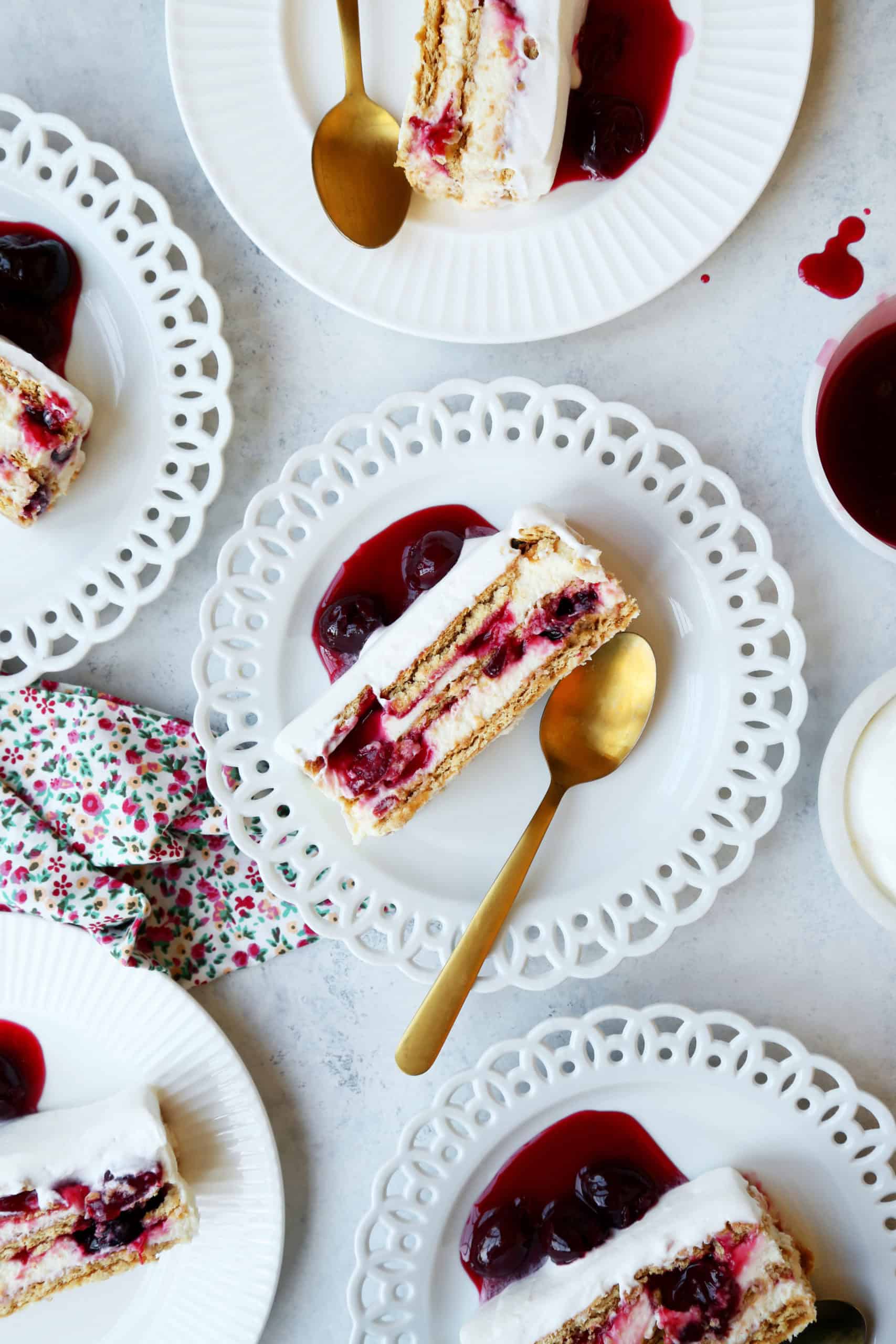
The Historical and Technical Context of Icebox Desserts
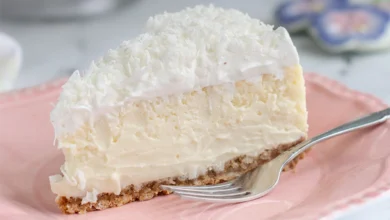
The concept of the "icebox" dessert is rooted in the early 20th-century transition from communal ice-harvesting to the widespread adoption of electric refrigeration. Initially popularized in the 1930s and 1940s, these recipes utilized the newfound reliability of home refrigeration to set gelatinous or cream-based mixtures. Today, this tradition has been modernized, moving away from complex setting agents toward structural layering—the strategic stacking of cookies, biscuits, or meringues with aerated fats like whipped cream.
The mechanics of a successful no-bake cake are rooted in the physics of moisture migration. When dry, starch-based components (such as graham crackers or wafers) are placed in contact with high-moisture elements (whipped cream or custard), a process of osmosis occurs. Over a period of 12 to 24 hours, the cookies absorb the moisture from the cream, softening into a cake-like consistency while the cream firms up, resulting in a cohesive, sliceable structure.
Key Culinary Methodologies and Market Popularity
The current landscape of no-bake desserts is categorized into three primary functional groups: icebox cakes, frozen confections, and layered chilled desserts.
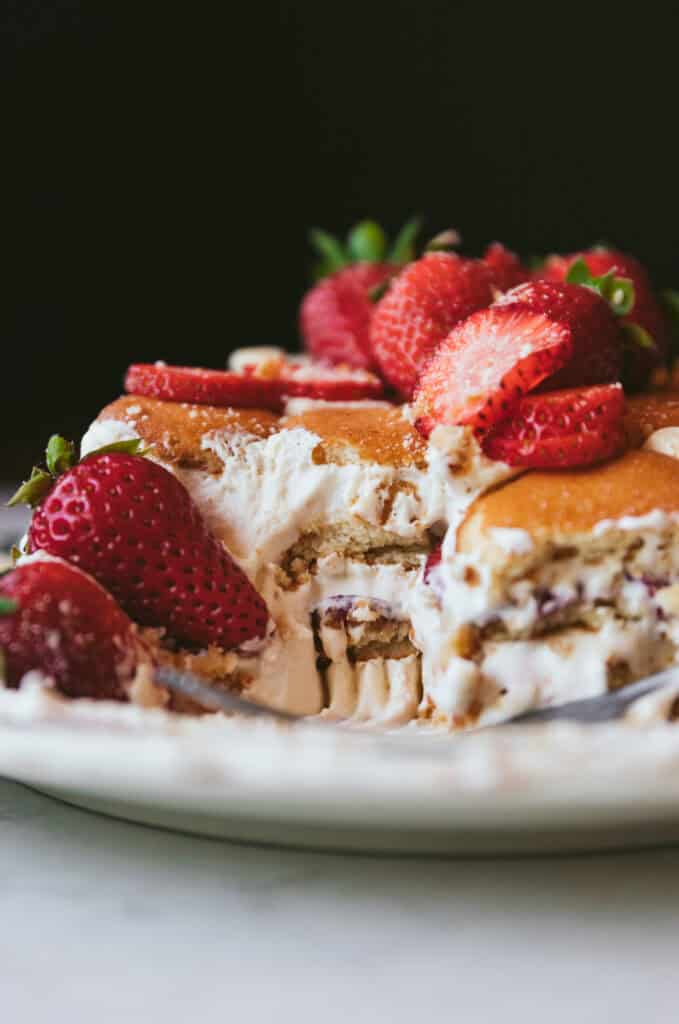
- Icebox Cakes: These represent the most labor-efficient category. By utilizing standard pantry items—typically graham crackers, malted milk powder, and heavy cream—cooks can produce results that mirror the profile of professional-grade pastries. The Strawberry Malt Icebox Cake, for instance, serves as a case study in utilizing seasonal produce to enhance the flavor profile of a simple, lipid-based structure.
- Frozen Confections: This category bypasses the need for mechanical intervention. Traditional ice cream production requires constant churning to prevent the formation of large ice crystals. However, by leveraging the high sugar content of sweetened condensed milk, home cooks can create a "no-churn" base that achieves a creamy, scoopable consistency when frozen, eliminating the need for specialized ice cream makers.
- Layered Chilled Desserts: These include deconstructed classics like the Eton Mess, which focuses on the juxtaposition of crisp meringue textures against the acidity of macerated fruit. Unlike icebox cakes, these require immediate assembly to preserve the structural integrity of the meringue, offering a high-impact presentation with minimal preparation time.
Comparative Analysis of Preparation Efficiency
Data comparing traditional oven-baked desserts with no-bake alternatives highlights a distinct advantage in both resource allocation and time management.

| Feature | Oven-Baked Cake | No-Bake Icebox Cake |
|---|---|---|
| Energy Consumption | High (Preheating + 45 min) | Minimal (Refrigeration only) |
| Active Prep Time | 30–45 Minutes | 15–25 Minutes |
| Temperature Impact | Adds 5–10°F to ambient room | Neutral |
| Structural Stability | Thermally set (Protein coagulation) | Refrigeration set (Lipid/Starch interaction) |
The economic implications are clear: by reducing reliance on the oven during peak heat hours, households see a marginal but measurable decrease in electricity consumption. Furthermore, the "total time" metric for no-bake desserts is dominated by passive chilling, allowing for greater flexibility in event planning.
Expert Perspectives on Culinary Innovation
Food scientists and professional pastry chefs have noted that the rise in no-bake popularity is not merely a reaction to heat, but a result of evolving ingredient availability. "The accessibility of high-quality, shelf-stable ingredients like mascarpone, heavy whipping cream, and artisanal wafers has lowered the barrier to entry for high-quality desserts," notes a spokesperson for a leading culinary testing group. "What was once considered a ‘consolation prize’ is now a legitimate, sophisticated category of pastry arts."

The professional consensus suggests that these methods offer a unique texture profile—what chefs often call "mouthfeel"—that oven-baked goods cannot replicate. The moisture-rich environment of a chilled cake creates a dense, velvety texture that contrasts sharply with the airy, crumb-based structure of a sponge cake.
Broader Implications and Future Trends
The shift toward no-bake desserts also reflects a broader movement toward sustainability in the kitchen. As summer temperatures trend higher globally due to climate patterns, the "oven-free" lifestyle is becoming a strategy for managing household energy loads. The ability to assemble a complex, multi-layered dessert—such as the Neapolitan No-Bake Birthday Cake or a version of the Tres Leches icebox cake—without increasing the indoor temperature is an increasingly valued skill.

Furthermore, the versatility of these recipes allows for significant dietary customization. While traditional baking relies on the precise chemistry of flour, eggs, and leavening agents, no-bake desserts are modular. A chef can swap full-fat dairy for plant-based alternatives or adjust sugar ratios with a higher margin of error than would be permitted in a conventional baking recipe.
Addressing Common Implementation Queries
For those integrating these methods into their routine, the primary challenge remains the management of the "chill time." As indicated by the data, most recipes require a minimum of 4 to 8 hours, with 12 to 24 hours being optimal for full structural integration.

- Equipment Requirements: The barrier to entry is notably low. A standard hand mixer, a 9×13 baking dish, and a reliable refrigerator are sufficient for the majority of these applications.
- Shelf Stability: Unlike oven-baked cakes which can often sit at room temperature, no-bake desserts are highly perishable. They must remain at temperatures below 40°F (4°C) to maintain their structural integrity and ensure food safety.
- Scaling: These recipes scale well for large-scale events, such as potlucks or community gatherings, as they are specifically designed to be prepared in bulk and held in a chilled environment until service.
In conclusion, the movement toward no-bake desserts represents a rational adaptation to modern environmental conditions and a sophisticated evolution of home baking. By prioritizing chilling as a culinary technique rather than a mere final step, home cooks are discovering that efficiency and quality are not mutually exclusive. As we navigate warmer summers, the icebox is poised to remain the focal point of the modern, heat-conscious kitchen.