The Sunday Five Cinnamon Season Postpartum Empties and the Truth About Hootie 10.11.26

As autumn settles into the northern hemisphere, lifestyle habits across the country are undergoing a seasonal transition characterized by a shift toward pantry replenishment, beauty regimen optimization, and a renewed interest in digital long-form content. This mid-October period, marked by a decline in temperatures, has spurred a measurable uptick in consumer spending on seasonal baking ingredients and specialized skincare products tailored to postpartum recovery. Simultaneously, cultural discourse continues to be shaped by the intersection of nostalgia and modern information verification.
The Seasonal Shift in Culinary Procurement
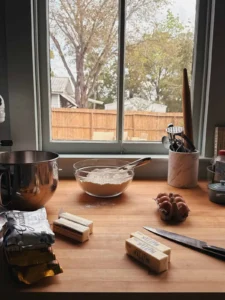
The second week of October represents a traditional inflection point for domestic food preparation. Market data indicates a significant increase in the sales of baking spices, with cinnamon—specifically high-quality varieties such as Royal Cinnamon—emerging as a staple for home bakers. Culinary experts suggest that the oxidation of ground spices over time necessitates a biannual pantry refresh to ensure potency and flavor profile integrity.
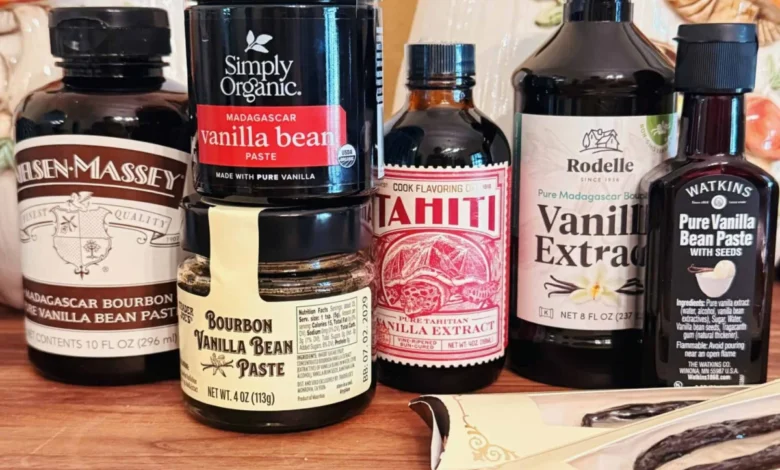
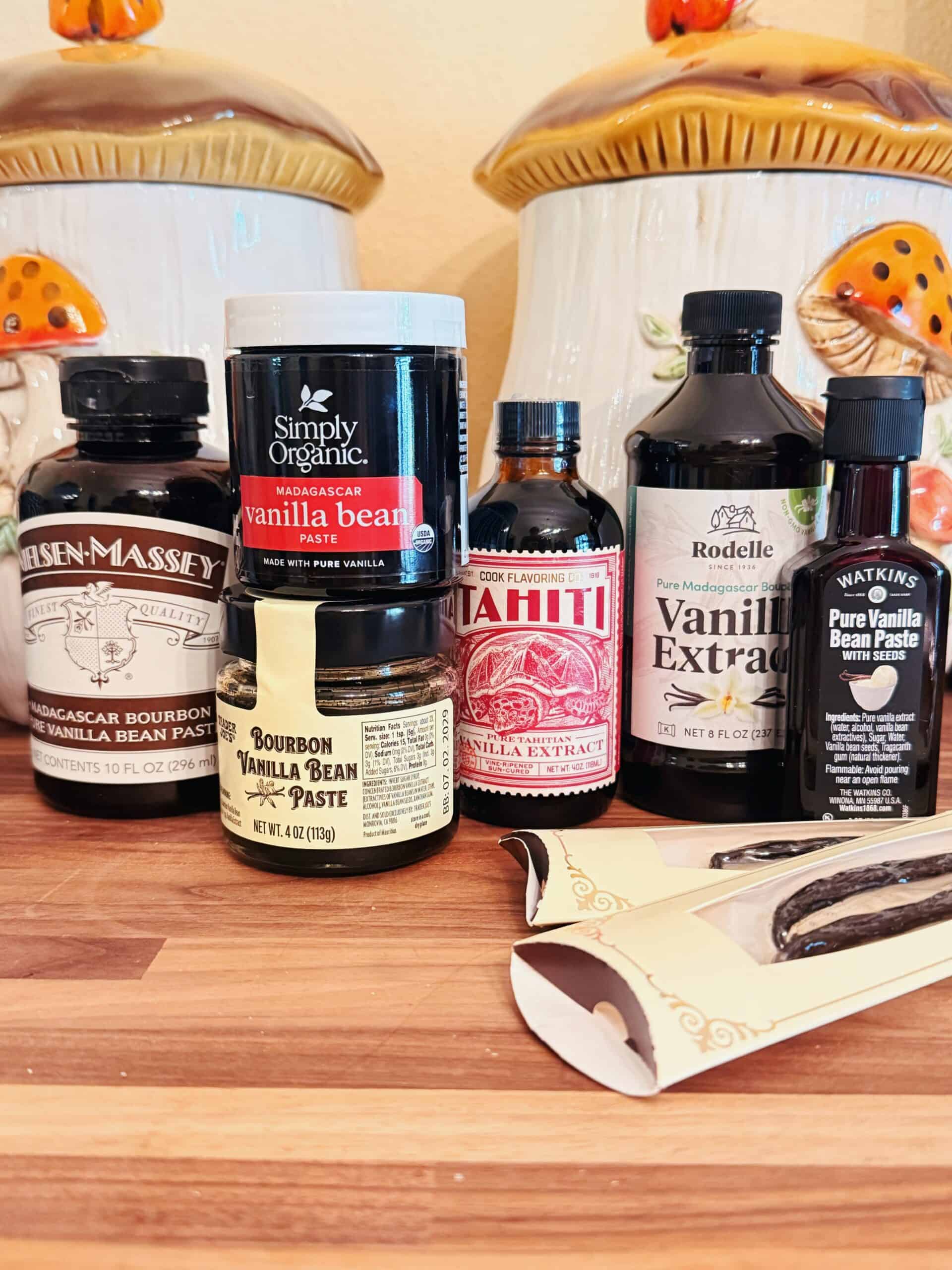
Beyond standard cinnamon, there has been a notable surge in the sourcing of organic vanilla beans. The shift from commercially processed extracts to house-made vanilla bean paste signifies a broader trend in the “scratch-cooking” movement, where consumers prioritize raw ingredients to achieve superior chemical composition in baked goods. Vanilla bean paste, which retains the seeds and structural integrity of the bean, offers a higher concentration of vanillin compared to alcohol-based extracts, a distinction that has gained traction among home bakers preparing for the high-volume holiday baking season.
Postpartum Wellness and the Skincare Industry
The transition into the sixth month postpartum remains a critical period for biological and physical recovery. Clinical observations confirm that hormonal fluctuations often lead to significant physiological changes, including telogen effluvium, or postpartum hair shedding. While this phenomenon is biologically expected as estrogen levels stabilize, the beauty industry has responded with an influx of targeted treatments.
Recent consumer reports highlight a preference for minimalist, high-efficacy skincare routines. Products utilizing rosemary and biotin-infused shampoo bars are increasingly favored for their ability to manage hair texture during periods of thinning. Furthermore, the persistent challenge of postpartum melasma—hyperpigmentation caused by hormonal shifts—has driven demand for specialized dermatological compounds. The market for high-grade retinol and prescription-strength brightening creams continues to expand as consumers seek efficient, multi-purpose solutions that do not interfere with the demanding schedules of early parenthood. The trend reflects a shift away from complex, twelve-step regimens toward consolidated, clinically backed treatments.
Digital Consumption and the Substack Ecosystem
The consumption of long-form, curated digital content has reached a sustained peak. Newsletters, particularly those hosted on the Substack platform, have become the primary vehicle for lifestyle journalism. Current analytical data suggests that readers are increasingly seeking "cozy" or seasonal content, with high engagement observed in articles regarding autumnal comfort foods such as French onion soup and seasonal squash preparations.
The popularity of these newsletters underscores a rejection of the high-velocity, short-form content typically associated with social media algorithms. Instead, audiences are opting for "back-to-school" style checklists and curated reading lists, which serve as organizational tools for personal development. This behavior suggests that digital platforms are successfully filling the void left by traditional print lifestyle magazines, providing a sense of community and structured guidance for domestic management.
Cultural Literacy and the Hootie and the Blowfish Misconception
A recent, widely publicized discussion regarding the musical group Hootie & the Blowfish has highlighted a persistent cultural misconception regarding the identity of the band’s lead singer. The group, which achieved massive commercial success in the mid-1990s with their debut album Cracked Rear View, remains a significant fixture in American rock history. However, public confusion persists regarding the nomenclature of the band.
The lead singer, Darius Rucker, has been the face of the group since its inception in 1986. The moniker "Hootie" was actually a reference to a childhood nickname of one of Rucker’s friends, which the band adopted for their name to evoke a sense of familiarity. Despite three decades of media coverage, interviews, and public appearances by Rucker—who later transitioned into a highly successful country music career—the association between the band name and the singer’s identity remains a point of confusion for segments of the public.
This phenomenon, often categorized by media psychologists as a "misremembered cultural label," serves as a case study in how branding can supersede factual history in the public consciousness. The song "Wagon Wheel," popularized by Rucker in 2013, has further complicated this, as listeners occasionally conflate his solo work with the early 90s discography of the band. The enduring popularity of 1990s-era tracks like "Let Her Cry" ensures that the band remains a staple of radio programming, thereby perpetuating the historical confusion for new generations of listeners.
Broader Economic and Lifestyle Implications
The convergence of these trends—the preparation for seasonal baking, the management of postpartum physical health, the migration to long-form digital newsletters, and the re-examination of 90s pop culture—illustrates a collective return to foundational domestic habits.
Economically, the emphasis on quality ingredients and high-efficacy skincare reflects a "quality over quantity" mindset. Despite broader economic uncertainties, consumers remain willing to allocate discretionary income toward products that promise immediate, tangible improvements to daily life. The reliance on expert-curated newsletters further suggests that consumers are actively seeking to outsource their discovery processes to trusted voices, preferring curated information to the overwhelming volume of content provided by broad-spectrum search engines.
As the season progresses, analysts expect these patterns to hold. The focus on "homemaking" as a lifestyle aesthetic continues to drive growth in the specialty grocery and beauty sectors. Simultaneously, the digital landscape is expected to favor platforms that offer intimacy, longevity, and a sense of shared experience, whether through a shared recipe for French onion soup or a collective realization regarding the true identity of a beloved musical figure.
In summary, the current domestic landscape is defined by a deliberate effort to curate the home environment through improved nutrition, proactive health maintenance, and a thoughtful engagement with culture. As October continues, the intersection of these activities highlights the resilience of traditional lifestyle markers in an increasingly digital and fast-paced society.