A Decade of Delicious Innovation: The Evolution of the Pan-Banging Chocolate Chip Cookie and Its New Brown Butter Iteration

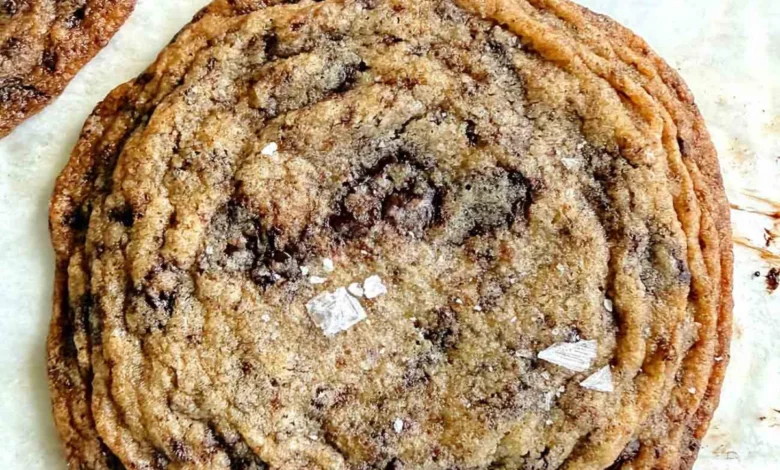
Ten years after taking the baking community by storm with a revolutionary textural technique, culinary author and recipe developer Sarah Kieffer has released a highly anticipated variation of her iconic treat: the Pan-Banging Brown Butter Chocolate Chip Cookie. First introduced in her acclaimed 2016 publication, The Vanilla Bean Baking Book, the original pan-banging method redefined how home bakers and professional pastry chefs alike approached texture in traditional drop cookies. Now, a decade later, the recipe has undergone a sophisticated culinary evolution that balances nostalgia with modern flavor profiles.
The Origins of the Pan-Banging Technique
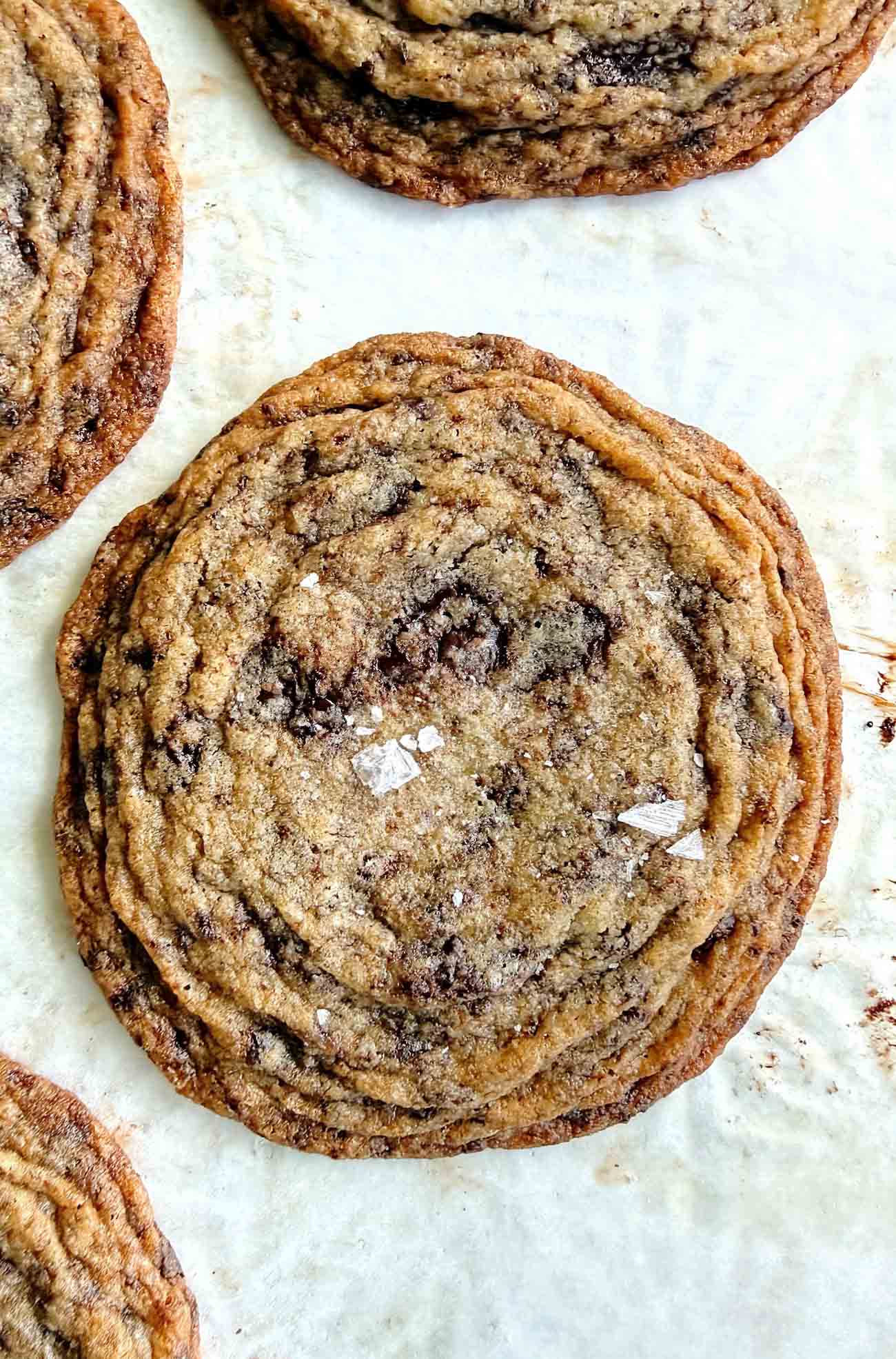
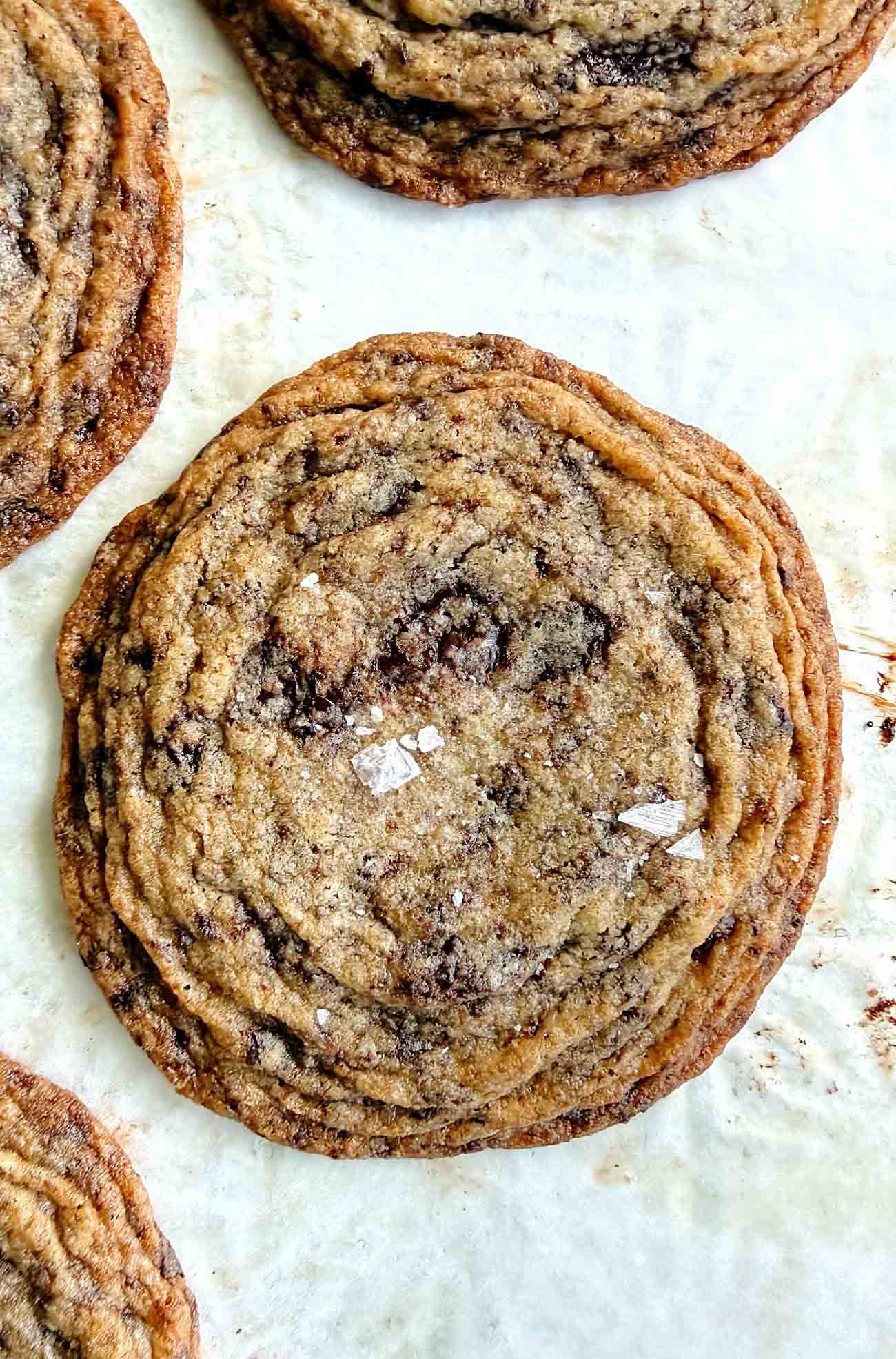
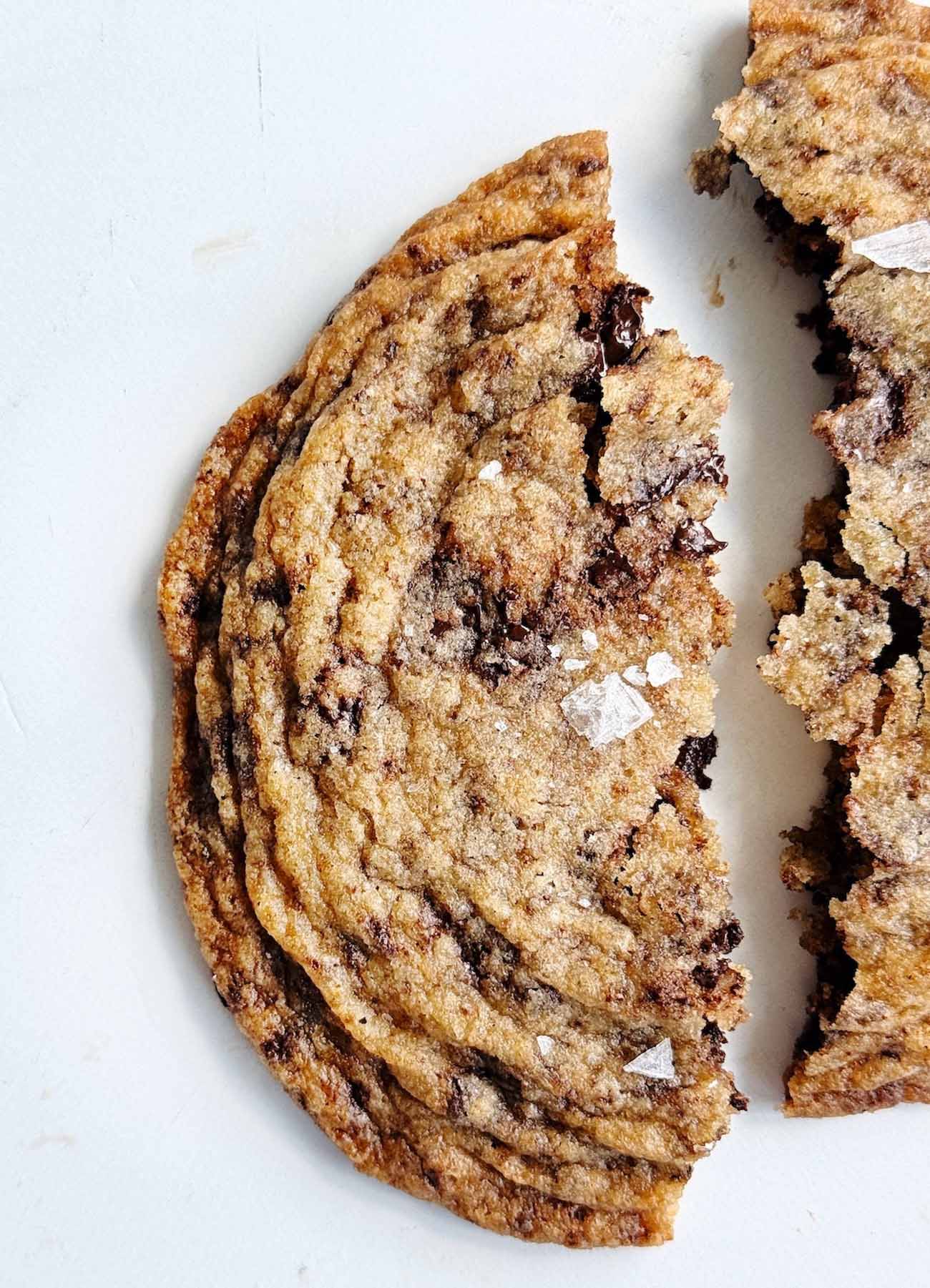
While tapping baking sheets in the oven to settle layers is a long-standing kitchen practice, Kieffer’s specific methodology transformed a subtle baking nuance into a global viral phenomenon. The technique requires bakers to deliberately drop the baking sheet against the oven rack every few minutes during the baking cycle. This rhythmic jarring causes the edges of the expanding cookie to collapse, forming distinct, concentric ripples while leaving the central dough largely undisturbed.
The resulting pastry delivers a dual textural experience: a deeply caramelized, crisp outer perimeter coupled with a soft, intensely gooey center. In the years following its publication, the recipe transcended blog spaces, inspiring thousands of social media replications, independent bakery adaptations, and a permanent shift in how drop cookies are conceptualized in contemporary baking.
Development and Refinement of the Brown Butter Formula
The introduction of the new brown butter iteration follows months of rigorous recipe testing. While numerous home bakers and professional pastry chefs had previously adapted Kieffer’s base formula to include browned butter—a culinary process where milk solids in butter are toasted to develop a nutty, complex flavor profile—Kieffer herself had not yet formalized an official version.
Her initial experiments involved browning 100 percent of the butter called for in the original recipe. However, this full substitution produced a flavor profile that Kieffer deemed overwhelmingly intense, masking the delicate balance between the sweet dough and the chocolate components. Through subsequent iterations, she discovered that browning exactly half of the butter achieved the optimal equilibrium. This hybrid approach allowed the distinct, roasted-nut notes of the browned butter to complement the chocolate effectively without dominating the palate.
In addition to adjusting the fat content, the updated recipe introduces a revised method for incorporating finishing salt. Rather than applying flaky sea salt immediately after the cookies emerge from the oven—a standard contemporary practice that often results in a sharp, abrasive salinity upon the first bite—Kieffer advocates for sprinkling the salt prior to baking. This allows the salt crystals to integrate partially into the matrix of the cookie during the thermal process, resulting in a more harmonious and integrated flavor distribution.
Technical Specifications and Professional Baking Tips
Achieving the signature texture of the pan-banging cookie requires strict adherence to specific physical and chemical parameters, as outlined in the updated recipe’s technical notes:
Standardized Flour Measurement: Recipe development relies on a precise metric conversion where one cup of all-purpose flour equals 142 grams. Given that standard volumetric measurements for flour can vary widely from 120 to 142 grams depending on packing density and sifting methods, precision weighing is strongly recommended to ensure structural integrity and correct spread during baking.
Temperature Control of Fats: When browning the butter, the liquid must be returned to room temperature prior to mixing. While chilling the butter in a refrigerator can accelerate the cooling process, monitoring its thermal state is crucial to prevent premature solidification or negative interactions with the leavening agents.
Dough Maturation and Storage: The recipe permits overnight refrigeration of shaped dough balls wrapped tightly in plastic film. While a 24-hour cold fermentation allows complex flavor compounds to develop further, bakers must return the dough to room temperature before baking. Excessively chilled dough resists the necessary expansion and subsequent collapse required to form the signature ripples.
Structural Sizing Constraints: The cookies are intentionally formulated to be relatively large. This physical scale is a functional requirement; larger dough masses provide the structural volume necessary for the edges to spread, crinkle, and form distinct ridges while maintaining a molten center. Reducing the overall scale diminishes both the ridging effect and the textural contrast of the core.
Alternative Substrates: Drawing on culinary insights from baking authority Alice Medrich, the recipe notes suggest utilizing the dull side of aluminum foil as a baking substrate to promote an exceptionally crisp, golden-brown bottom crust, though standard parchment paper remains a viable alternative.
Broader Impact on Modern Baking Culture
The longevity of the pan-banging technique highlights a broader trend in modern home baking: the demand for recipes that offer mechanical interaction and sensory engagement beyond passive waiting. Baking historians note that viral recipes typically rely on visual novelty or extreme flavor combinations; however, Kieffer’s technique achieved sustained relevance by manipulating fundamental physics and thermodynamics within a standard kitchen oven.
Furthermore, the integration of browned butter reflects a wider commercial and domestic shift toward complex, savory-sweet flavor profiles in classic American desserts. As consumer palates increasingly favor depth, bitterness, and umami-adjacent notes—such as toasted dairy, malt, and sea salt—traditional sweet profiles continue to undergo sophisticated revisions.
Availability and Implementation
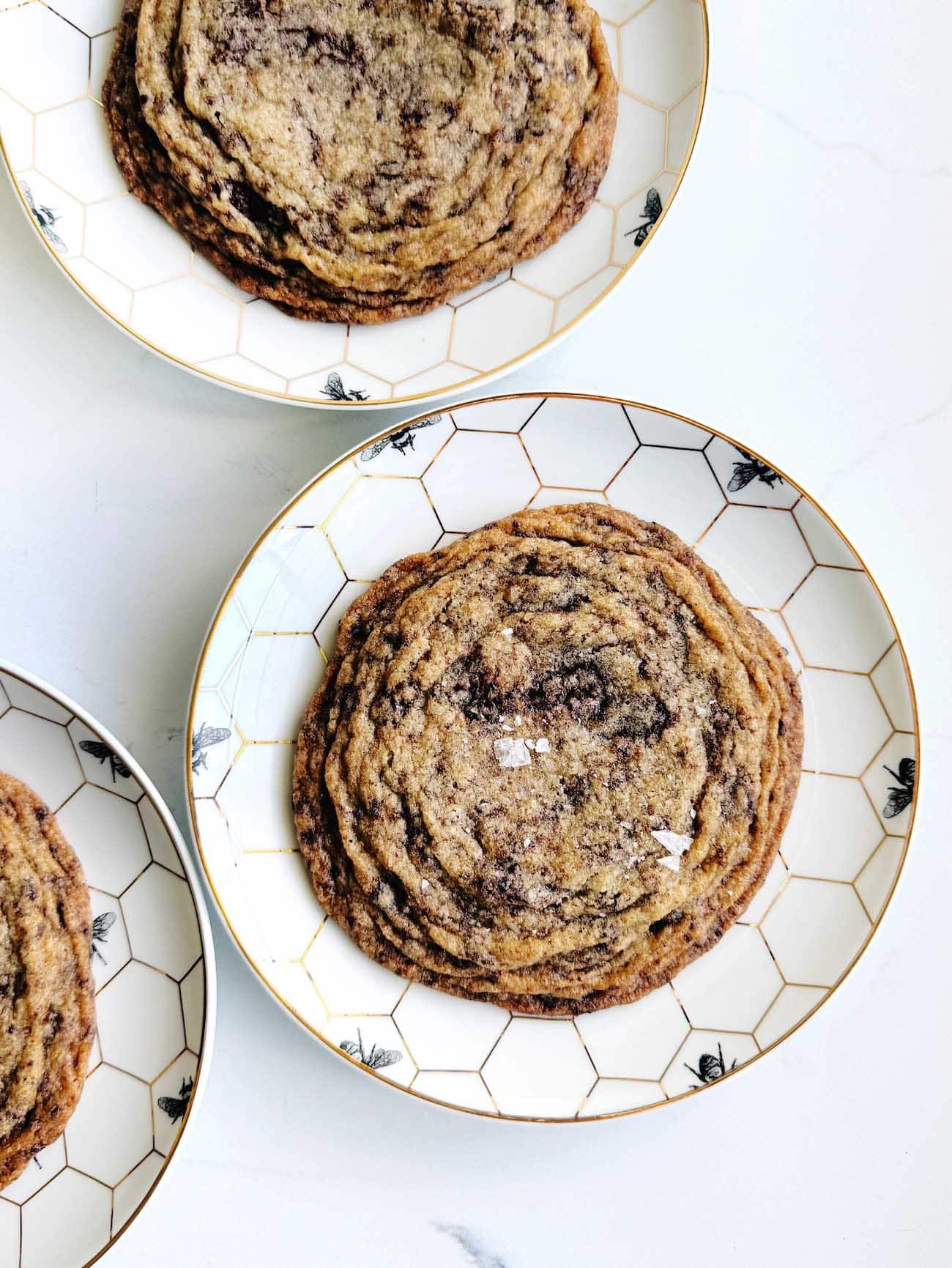
The Pan-Banging Brown Butter Chocolate Chip Cookie recipe is currently available to the public via digital culinary platforms and supplements the foundational techniques established in The Vanilla Bean Baking Book. As home bakers and independent pastry shops adopt the revised proportions, the recipe stands as a case study in how established culinary staples can be successfully revisited and refined a decade after their initial debut.