Crispy Rice Paper Vietnamese Shrimp Cakes Offer a Mess-Free Take on Street Food Classics

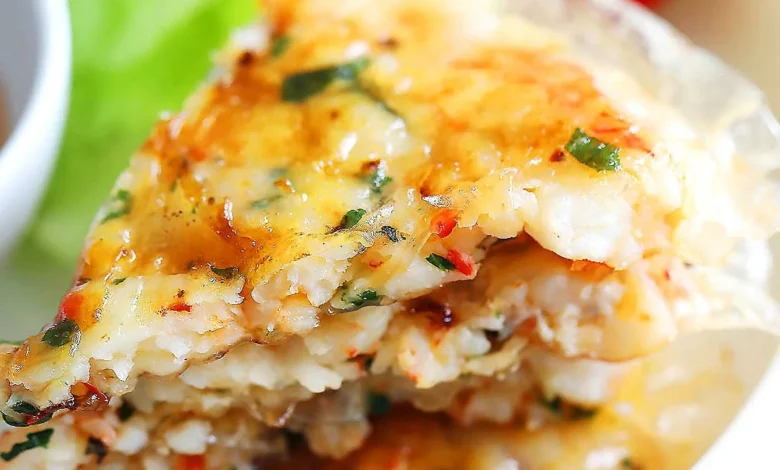
The culinary landscape of Vietnamese street food has long celebrated textures that balance deep crunch with succulent interiors. Among these, the traditional fried shrimp cake—most notably Tau Hu Ky, which wraps a heavily seasoned seafood paste in delicate soybean or bean curd sheets—holds a revered status. Originating from centuries of coastal culinary traditions and popularized globally through immigrant hubs such as Little Saigon in Westminster, Southern California, these delicacies are traditionally prepared via deep-frying. However, contemporary home cooks frequently encounter significant barriers to recreating these dishes domestically, chief among them being the intensive cleanup, excessive oil consumption, and high-heat safety hazards associated with deep-frying.
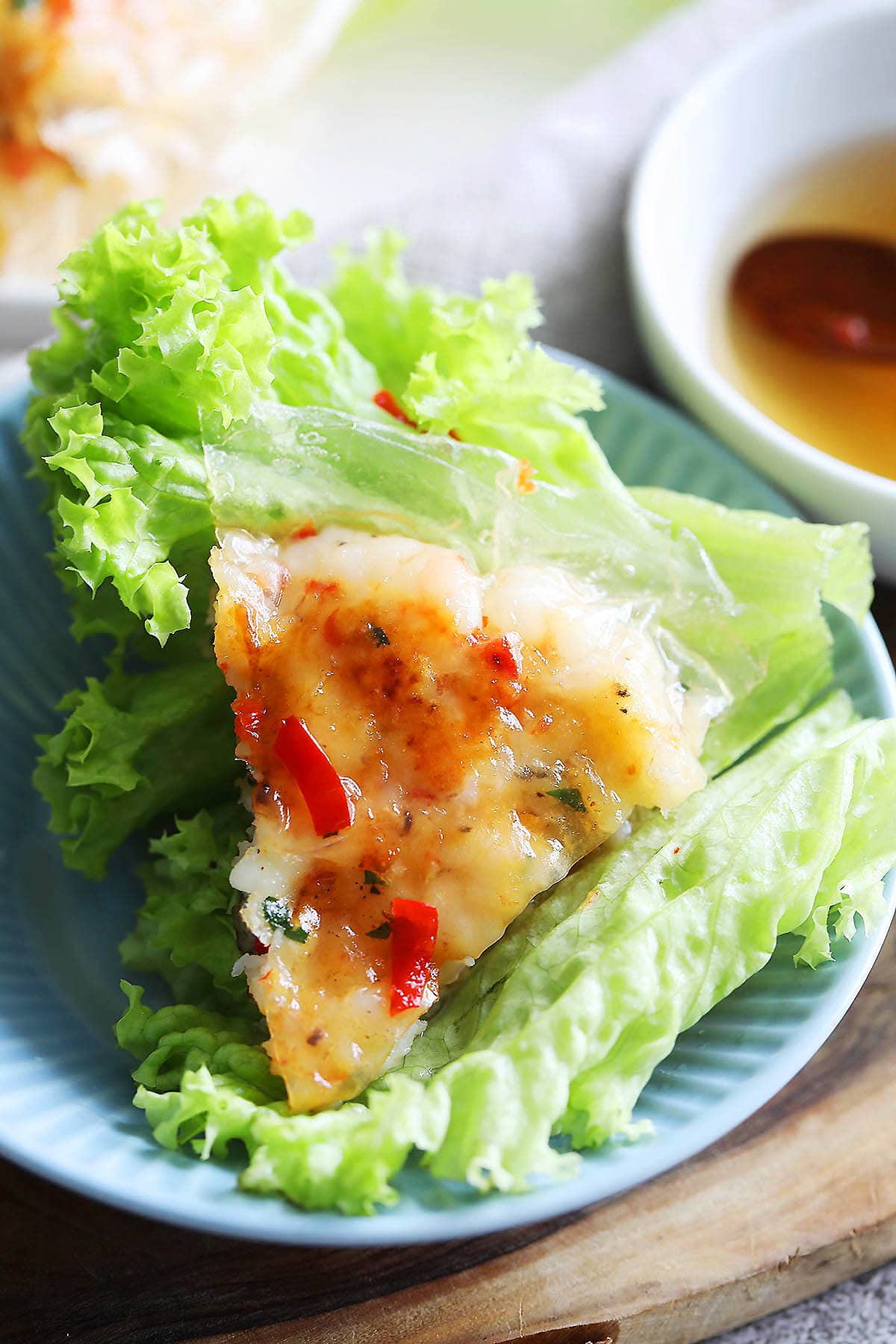
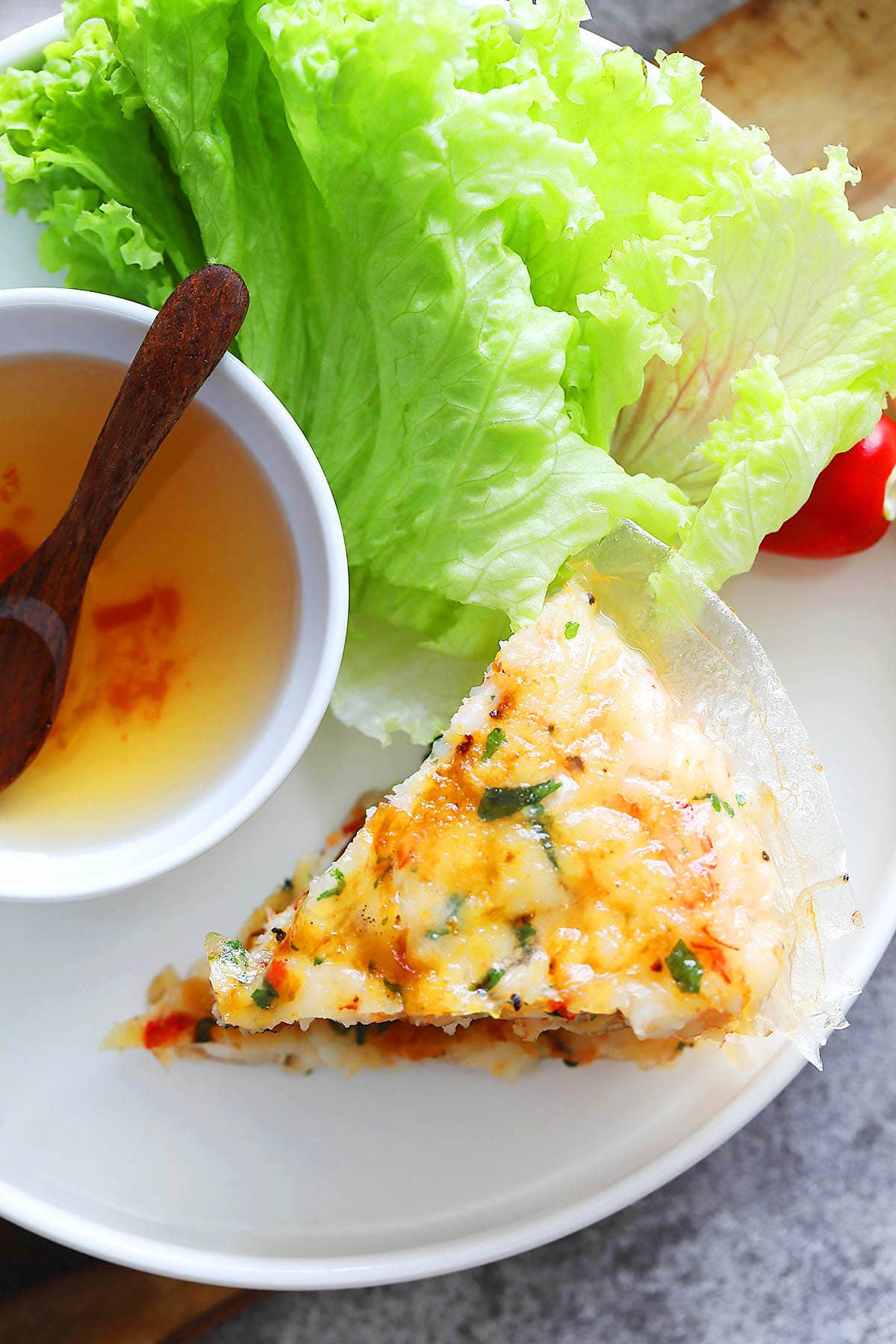
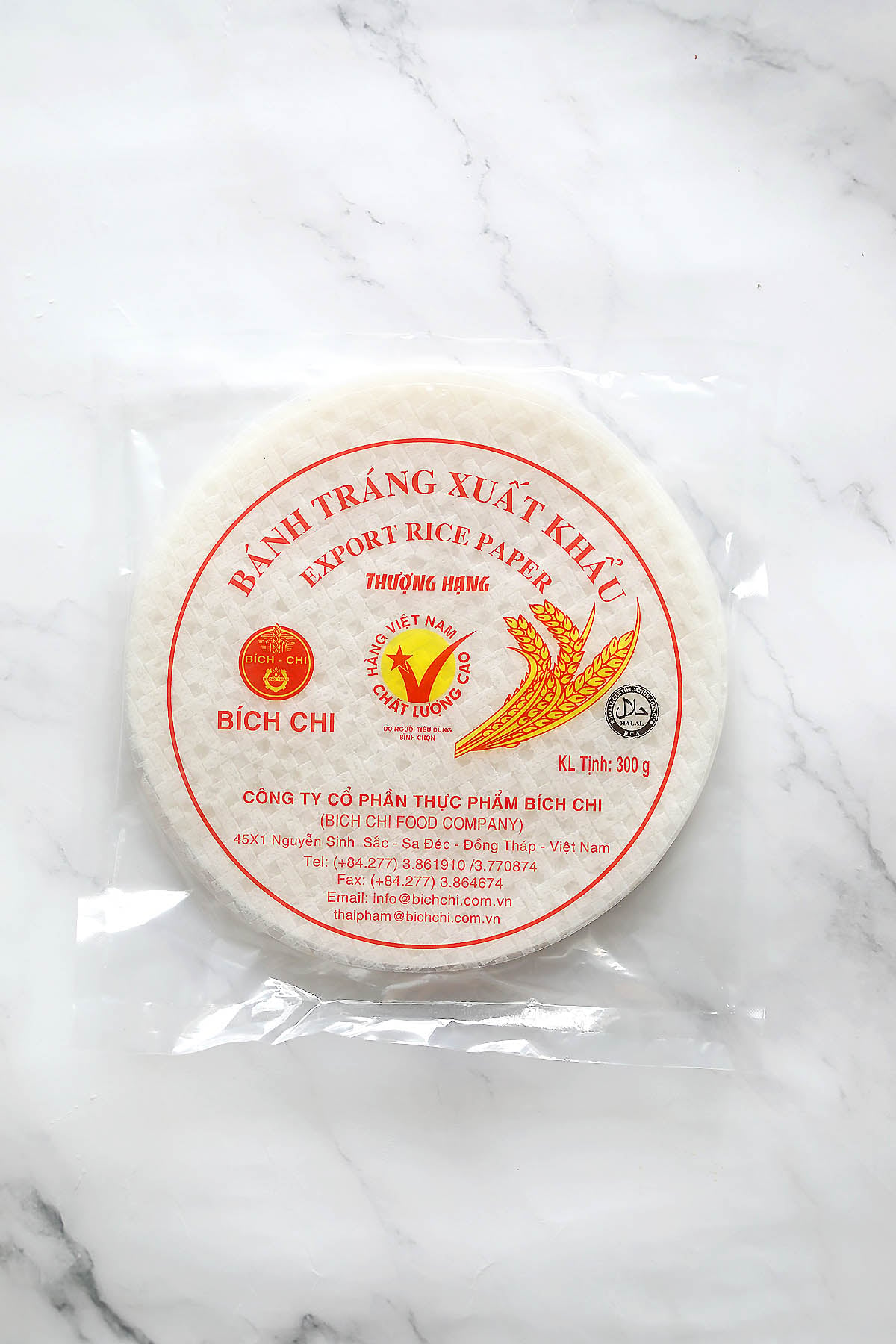
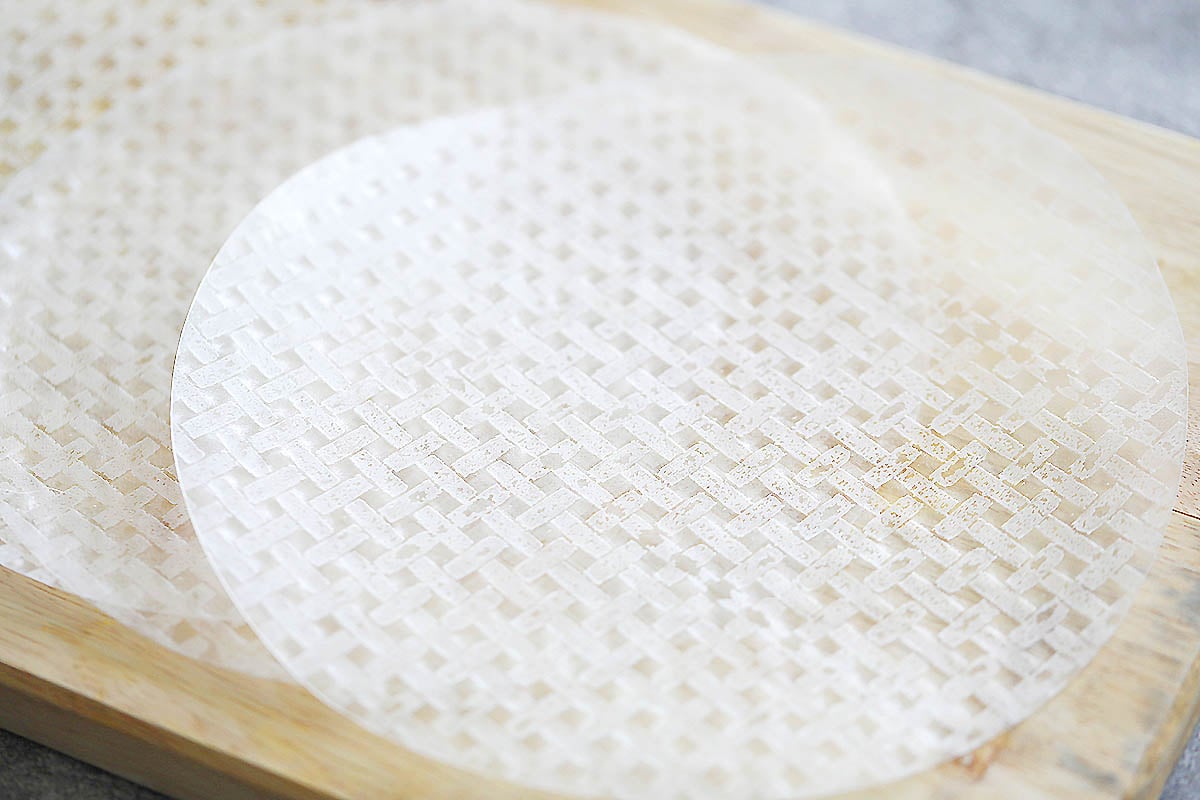
In response to these culinary hurdles, modern home-cooking innovations have introduced a streamlined adaptation that substitutes traditional soybean sheets with dry Vietnamese rice paper (banh trang). This methodology reduces the requirement for large volumes of oil, shifting the cooking technique from deep-frying to a cleaner, pan-fried or air-fried format. Culinary experts note that this substitution preserves the signature shatteringly crisp exterior and juicy interior characteristic of street-vendor preparations, while significantly lowering the barrier to entry for home preparation.
Chronology and Evolution of Vietnamese Shrimp Preparations
The history of shrimp cakes within Vietnamese gastronomy reflects a diverse regional tapestry. In central and southern regions, seafood preparation heavily incorporates techniques designed to maximize the natural sweetness of fresh prawns and tiger shrimp. Traditional iterations range from Chao Tom, which involves molding spiced shrimp paste around sugarcane stalks before grilling, to Tau Hu Ky, where the filling is encased in fermented bean curd skins.
The adaptation utilizing rice paper represents the latest evolution in this culinary timeline, bridging authentic street-flavor profiles with contemporary kitchen efficiencies. While purists maintain that soybean sheets offer a distinct, nutty aroma when fried, food historians and recipe developers observe that rice paper provides a more uniform structural integrity. This structural reliability prevents common cooking failures such as splitting or excessive oil absorption, making the dish accessible to a broader demographic of international home cooks.
Ingredient Selection and Technical Specifications
Culinary analysts and professional chefs emphasize that the success of a rice-paper-wrapped shrimp cake relies heavily on ingredient quality and mechanical preparation. Unlike battered or breaded seafood dishes, this preparation method exposes the core ingredients directly to heat transfer through a thin wrapper, necessitating precise component selection.
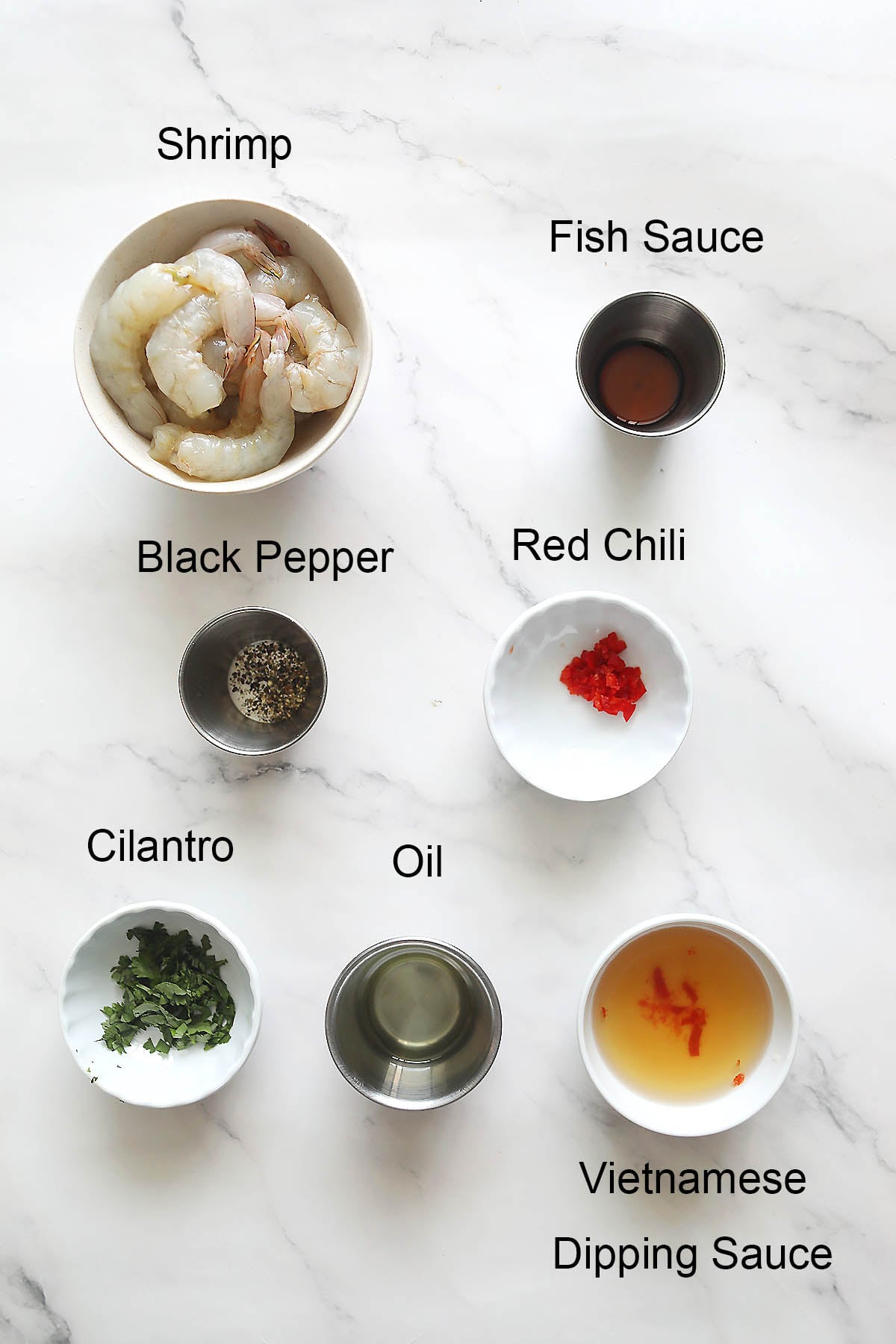
- Shrimp Varieties: Premium preparations call for fresh tiger prawns or wild white shrimp due to their high moisture-retention capacity and springy protein structure. Pre-cooked or frozen variants that have undergone improper thawing are strongly discouraged, as they yield a rubbery texture and release excess water, which compromises the integrity of the rice paper wrapper.
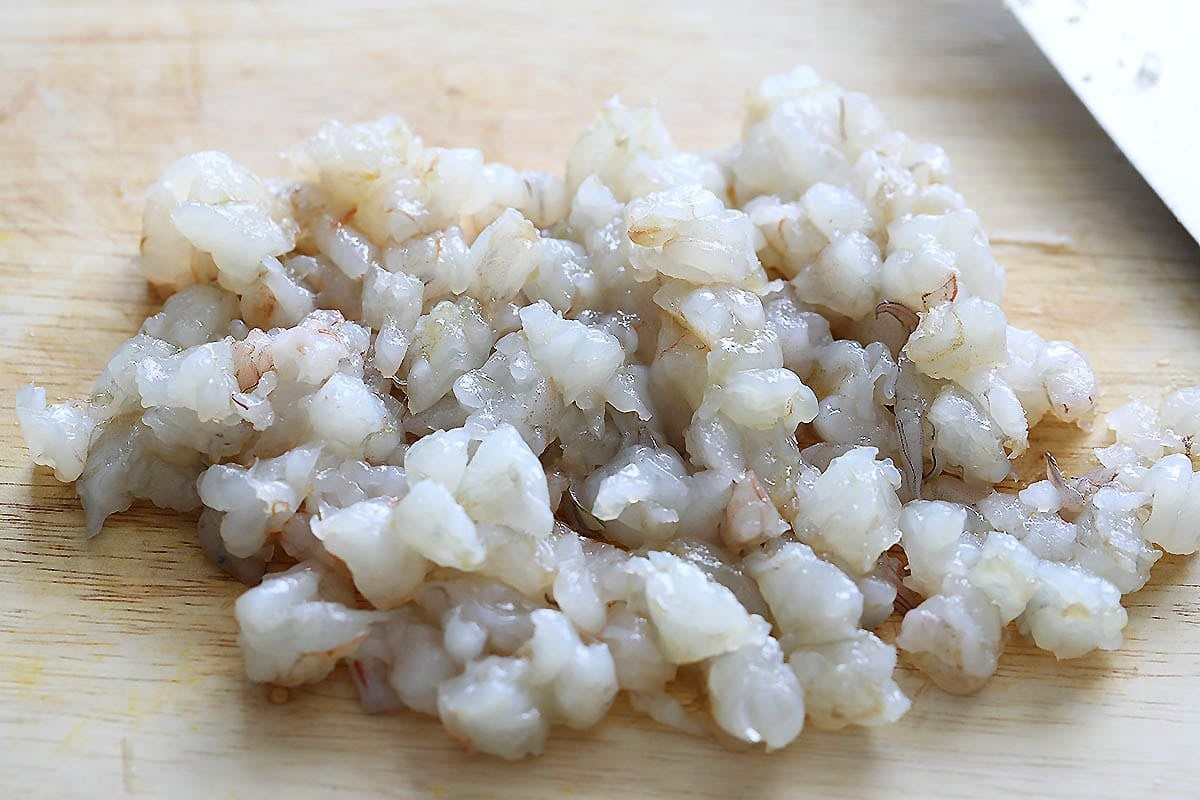
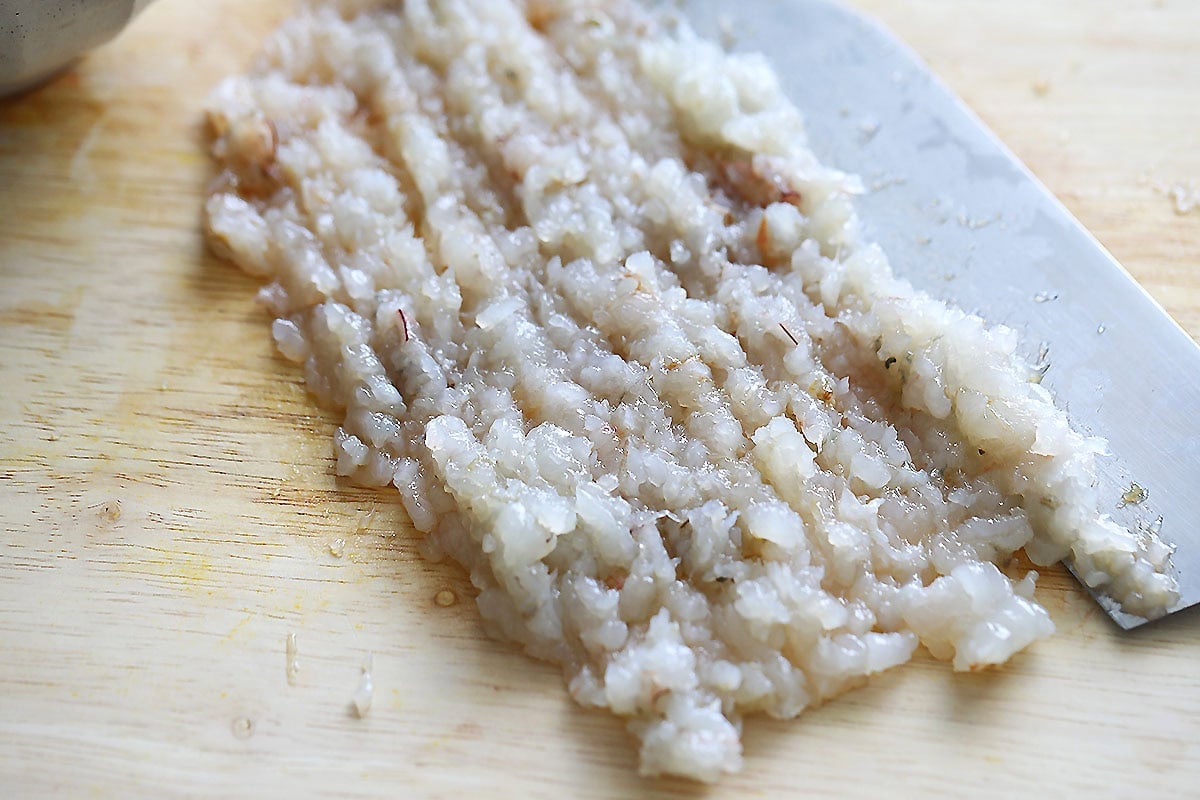
- The Binding Agent: A core technique in achieving structural cohesion without resorting to chemical binders, egg whites, or starches involves dual-texture processing. By hand-chopping half of the shrimp into distinct pieces and mincing the remaining half into a sticky paste, natural proteins release enough exudate to bind the filling securely.
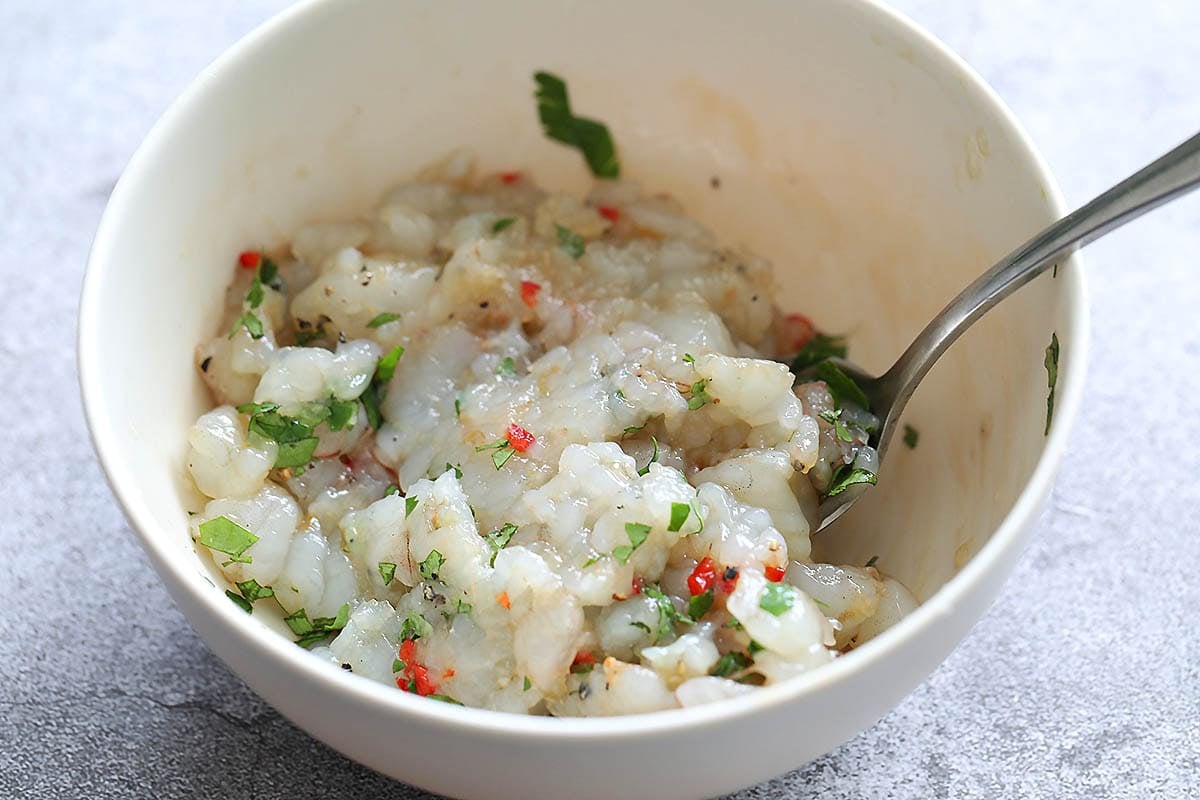
- Flavor Profiles: Authentic seasoning relies on premium fish sauce (nuoc mam), such as varieties produced on Phu Quoc island or branded under established labels like Red Boat and Three Crabs. The amino acids present in fish sauce provide an umami foundation that table salt cannot replicate, augmenting the inherent sweetness of the crustacean. Additional aromatics typically include freshly ground black or white pepper, finely chopped red chilies for heat, and fresh cilantro.
Preparation Methodology and Step-by-Step Execution
The creation of these savory cakes follows a standardized culinary workflow designed to maximize textural contrast:
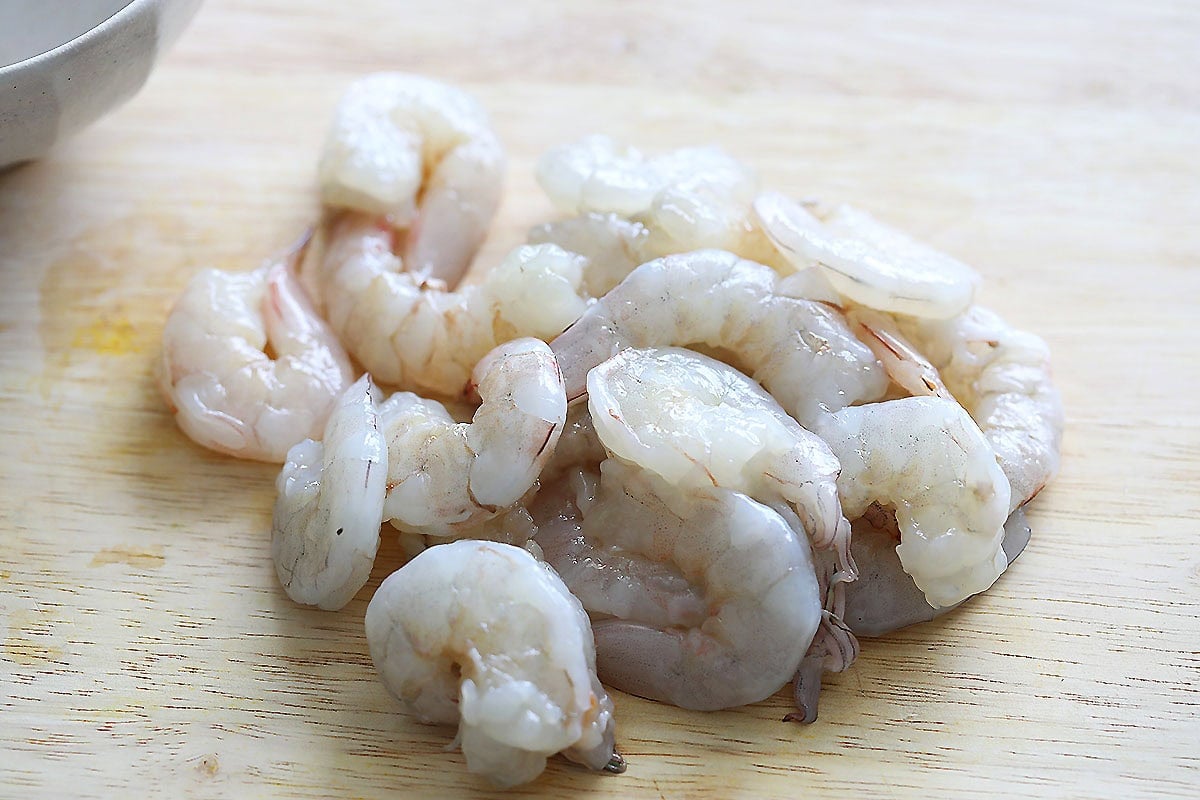
- Moisture Control: Peeled and deveined shrimp are rigorously patted dry using absorbent towels to eliminate surface water.
- Textural Processing: The shrimp are divided. Fifty percent are diced finely, while the remaining portion is worked into a viscous paste using a chef’s knife.
- Seasoning Integration: The processed shrimp are transferred to a vessel, combined with fish sauce, pepper, chilies, and herbs, and folded until homogenous.
- Assembly: A dry sheet of Vietnamese rice paper, selected for its flexibility and thickness, serves as the base. The shrimp mixture is applied in a thin, uniform layer, maintaining a strict one-centimeter perimeter border to facilitate sealing. A second sheet of rice paper is layered on top, and the outer edges are firmly compressed by hand.
- Thermal Processing: Cooking is executed in a wide skillet utilizing a minimal quantity of neutral cooking oil over medium heat. Alternatively, modern adaptations support air-frying at 375°F (190°C) for eight to ten minutes, provided the exterior surfaces receive adequate oil atomization to prevent toughness. The cooking process is complete when the wrapper turns translucent, displays microscopic air bubbles, and achieves a light golden-brown hue on both sides.
Nutritional Profile and Dietary Implications
Nutritional evaluations of the pan-fried rice paper shrimp cake indicate a comparatively light profile for a traditionally fried appetizer. Standardized nutritional approximations for a single wedge (based on a yield of eight slices per cake) reveal:
- Caloric Value: Approximately 37 kcal per slice
- Macronutrient Breakdown:
- Carbohydrates: 2 grams
- Protein: 7 grams
- Total Fat: 0.2 grams (with negligible saturated and trans fats)
- Micronutrients and Minerals: High relative protein content paired with modest sodium levels (approximately 115 mg per slice) makes the dish a protein-dense alternative to traditional battered deep-fried appetizers.
Dietary analysts note that because the rice paper acts as a physical barrier restricting oil absorption, the total lipid content remains fractionally lower than that of items submerged in deep-fry vats.
Broader Culinary Impact and Market Availability
The proliferation of simplified, high-authenticity recipes across digital media platforms has altered how traditional ethnic dishes are consumed in Western domestic spheres. By demystifying specialized ingredients like rice paper and fish sauce, home cooks are increasingly capable of replicating restaurant-quality street foods without specialized commercial kitchen equipment.
Food industry observers indicate that the trend reflects a broader consumer demand for fast, globally inspired meals that maintain cultural authenticity while accommodating health-conscious and time-constrained lifestyles. As grocery supply chains continue to expand the availability of Southeast Asian staples in mainstream supermarkets, dishes like the rice-paper shrimp cake transition from niche cultural offerings to accessible household staples.